

Sports Injury Treatment
Recover Faster & Return Stronger with expert Sports Injury treatment focused on pain relief, mobility, strength recovery, and safe return to activity.
 6,200+ Reviews Trusted by thousands.
Recommended by experts.
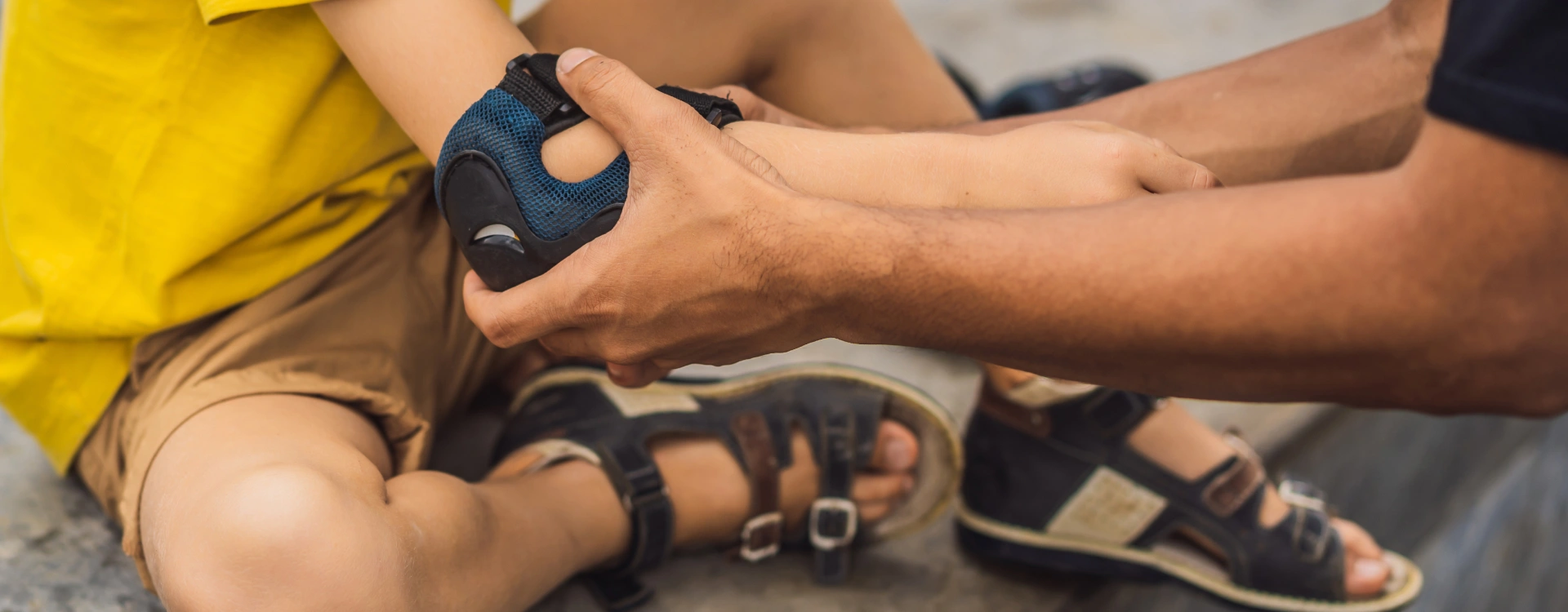
Sports Injury Treatment: Understanding the Damage, Recovery, and Return to Activity
A painful landing after a jump, a sudden twist while playing football, or a shoulder that starts hurting after weeks of training may bring your activity to an unexpected halt. In some cases, the injury becomes obvious from the moment it happens, while at other times, the pain builds gradually until it makes activities like lifting, running, throwing, or walking considerably uncomfortable. A sports injury is not limited to only professional athletes. It may happen to anyone who plays recreational sports, performs repetitive activities, or goes to the gym. A sports injury treatment addresses the particular injury and supports the right approach to recovery based on its severity, type of tissue involved, and the demands of the person.
What Is a Sports Injury?
It refers to an injury to the tendons, muscles, ligaments, bones, joints, or other tissues that occurs during exercise, sport, or a physically demanding activity.
An acute injury may result from a fall, collision, awkward landing, sudden change in direction, or forceful movement. Examples include sprains, muscle strains, fractures, and dislocations. An overuse injury is a bit different and develops gradually as repeated loading goes beyond the ability of tissues. Tendinopathies are examples of such injuries.
The location of the pain alone is not enough to identify the injury because a football player who twists the knee may damage a ligament, while the one who increases training volume suddenly may develop tendon pain. Professional assessment gives a clear picture of the underlying issues.
Why Do Sports Injuries Happen?
How the injury happens depends on whether the problem has developed through repeated loading or is acute. Broadly, these sports injuries occur when the loads placed on a tissue are more than what the tissue can manage at the moment.
If a sudden force stretches the ligament beyond its range, it may cause a sprain, and when the force overloads, it may injure the muscle or tendon and lead to a strain. A sudden change in direction places significant rotational forces on the knee; a fall or collision may transmit enough force through the bone or joint, which may cause dislocation or even fracture. These injuries are termed acute injuries.
Overuse injuries develop a bit differently. Tendons, bones, and muscles adapt to repeated physical stress, which takes time. If the training volume, frequency, intensity, or impact increases more quickly than the tissue can adapt, the tissue’s capability to tolerate further load decreases, hence increasing the chances of pain and injury.
Too much exercise is not the only cause behind every overuse injury. Other factors like training history, recovery, previous injuries, biomechanics, equipment, technique, and individual tissue capacity also influence the amount of stress placed on a particular structure. This is the reason why proper sports injury treatment matters because it is not only about alleviating pain but also about restoring the ability of tissue to tolerate the demands that caused the problem.
Common Symptoms
Symptoms of these injuries depend on the tissue involved and the way the injury occurred. Some of the most common symptoms include:
- Swelling around the injured tissue or joint
- Pain during or after the physical activity
- Bruising or visible discolouration
- Stiffness or reduced range of movement
- Muscle weakness
- Instability in the joint or a feeling that the joint may give way
- Tenderness around the injured area
- Catching, clicking, or locking in some joint injuries
- Reduced ability to perform sport-specific movement
Symptoms here need to be understood in the context. If a pain repeatedly returns with an increase in intensity, it requires a different approach as compared to a pain that started immediately after a collision or twisting.
Who Is More Likely to Get a Sports Injury
Any person who regularly participates in physical activities may experience a sports injury, but there are some situations that may increase the risk.
Training throughout the year without proper recovery or variation may increase repetitive loading on the same structures. If you increase the training intensity, duration, or frequency suddenly, the tissues get insufficient time to adapt.
Previous injury remains another important factor. Any person who returns to sports without properly recovering sufficient strength, coordination, mobility, or joint stability becomes vulnerable to another injury. Using poorly fitted equipment, inappropriate footwear, inadequate protective equipment, or hard playing surfaces may also contribute to sports injury risk.
One thing worth keeping in mind is the fact that having one of these risk factors does not necessarily mean that the injury will occur, but it simply changes the circumstances in a way that makes injury more likely.
When Should You Seek Medical Help Immediately
There are a few sports injuries that can be managed by modifying activities and suitable first aid. But some symptoms always require a prompt medical assessment. You should seek immediate medical attention if you experience:
- A deformity of a bone or joint
- Complete inability to bear any weight on the joint or affected area
- Significant weakness with a loss of sensation
- A joint that appears dislocated
- Suspected fracture
- A swelling that increases rapidly
- Confusion, repeated vomiting, or loss of consciousness
- Severe pain after a significant trauma
The risk of further injury increases if one tries to continue playing even after significant pain.
Diagnosing a Sports Injury
It begins by understanding what exactly happened, where experts usually ask about the movement or impact that caused the symptoms, the occurrence of a particular sound or sensation, the quickness of swelling development, and the ability of the person to use the affected area afterwards.
Physical examination is used to assess pain, swelling, range of motion, strength, joint stability, along with functional movement. Sometimes, the injured side is compared with the unaffected side.
Advanced imaging becomes important in case the doctors need to look into the condition of soft tissues like ligaments, tendons, cartilage, muscles, as well as bones and joints. Once the medical picture is clear, the rehabilitation is planned based on the condition.
How Physiotherapy Helps with Sports Injuries
Physiotherapy helps the injured area regain its strength to bear load and movement.
When the injury occurs, it is usually followed by pain and swelling. As a result, movement is limited, and it becomes the main reason why the person stops/limits using that area. If this inactivity continues, it may lead to muscle loss and reduced strength, along with reduced joint mobility. Physiotherapy aims to restore the strength, mobility, and functional capabilities of the individual that have been affected by the injury.
Sometimes, injuries involve ligaments or joints where neuromuscular control or balance gets affected. Rehabilitation works on restoring the ability of the body to sense the position and movement of joints (this ability is called proprioception). With proper use of exercise and therapies, rehabilitation programmes rebuild strength and range of motion before a person returns to the activity that caused injury.
Sports Injury Treatment at Painflame
The first step of our treatment is to properly assess the injury by going into the details like movement, strength, limitations, and what the patient wants. With the help of all these inputs, the team builds a tailored rehabilitation plan that works for a particular injury type and severity.
Multiple physiotherapy approaches may be used where appropriate. It may include strengthening and mobility exercises, manual therapy, exercise-based rehabilitation, neuromuscular training, and other approaches to restore basic movement and function initially and then enable the person to meet daily activity demands like before.
We also provide dedicated sports injury rehabilitation that leads to progress from restoring basic movement and functional ability towards the physical demands of your sport. ACL Tear Treatment may be an option targeting a specific area for patients recovering from an ACL injury.
What Does Recovery Usually Look Like
The recovery timeline is not universal for sports injuries. Improvement may be quick for a mild muscle strain, but a ligament tear or considerable tendon injury may require months of rehabilitation.
The right way to measure recovery is by considering the function, not only time. Rehabilitation usually progresses in stages here. Symptoms are managed at first, then physiotherapists work on restoring basic movements. After that, the attention shifts to rebuilding strength and control, and gradually introducing the sport-specific demands. At last, the person returns to full participation.
Preventing the Injury From Coming Back
When your body becomes better prepared for the demands that you place on it, the likelihood of another injury is reduced.
While returning to your sport, make sure that your body has regained the required strength, balance, and sport-specific capacity because the absence of pain alone is not complete recovery.
Warming up properly before high-intensity activity and ensuring proper recovery between demanding sessions will give the muscle tissues enough time to adapt. Always use suitable footwear, which is often overlooked but matters over time.
When you return to your previous activities, make sure to increase the training intensity and volume gradually. Adding more volume or intensity suddenly might have been your habit in the past, but currently, your body is involved in such activities after a period of inactivity, which demands a gradual increase in intensity.
Frequently Asked Questions
Do I need to stop exercising completely after having a sports injury?
It is not necessary. The appropriate level of activity depends on the type and severity of your injury. There are some injuries that need temporary protection or even rest, while others benefit a lot from controlled movement and progressive rehabilitation. You should stop those exercises that seem to aggravate the injury.
Is it okay if I play through sports injury pain?
You should not routinely ignore pain during sport, especially when it persists. If continuing an activity worsens the pain, it can most likely aggravate certain injuries. Those activities or movements that repeatedly cause pain should be stopped or modified, and you should have this problem assessed by a professional.
How will I know if it is the time to return to my sport?
If you are pain-free throughout the day, it is part of recovery, not the complete recovery. In order to return confidently to sports after an injury, you must have sufficient strength, mobility, coordination, balance, and tolerance so that you can meet the demands of the required movements and intensity.
Patient Feedback & Success Stories
Treatments
Our Services
Our doctors
Meet more Painflame specialists





Dr. Divakar Kumar
Sports Rehabilitation, Sports Injury Management, Musculoskeletal Rehabilitation, Performance Enhancement, Strength & Conditioning
Book Appointment

Dr. Jaya Sharma
Pilates Expert | Musculoskeletal Rehabilitation, Sports & Pelvic Floor Specialist
Book Appointment

Dr. Priyanka Bhuyan
Tailbone (Coccyx) Treatment, Chiropractic Care, Spine & Joint Rehabilitation
Book Appointment
Dr. Saksham Kapoor
Sports Physiotherapy, Musculoskeletal Rehabilitation, Pain Management, Injury Prevention & Recovery
Book AppointmentLatest Blogs
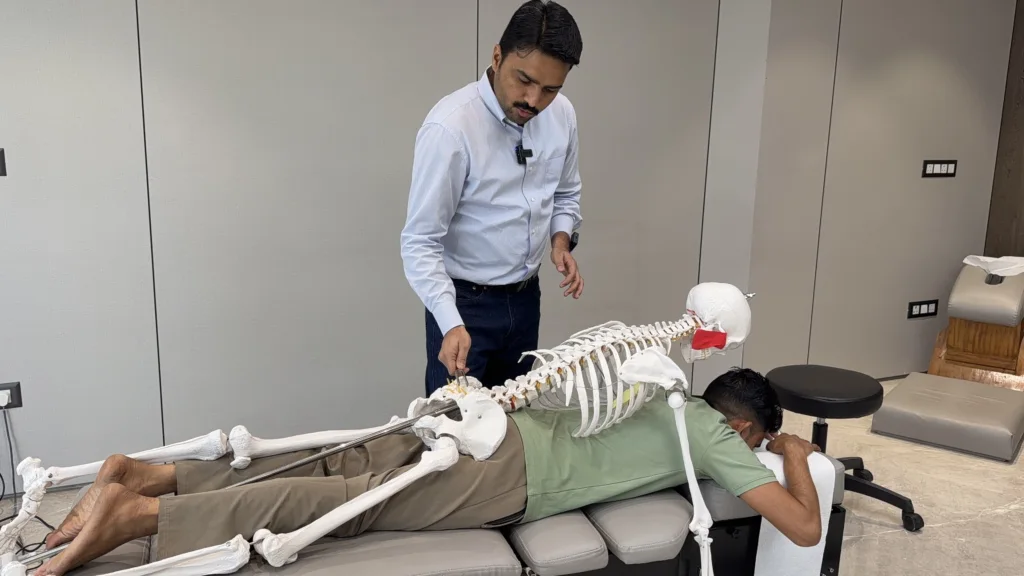
Chronic Pain? What Physiotherapy in Gurgaon Can Actually Do
If you’re in Gurgaon and dealing with neck stiffness, lower back pain, or recovering from a…
Read More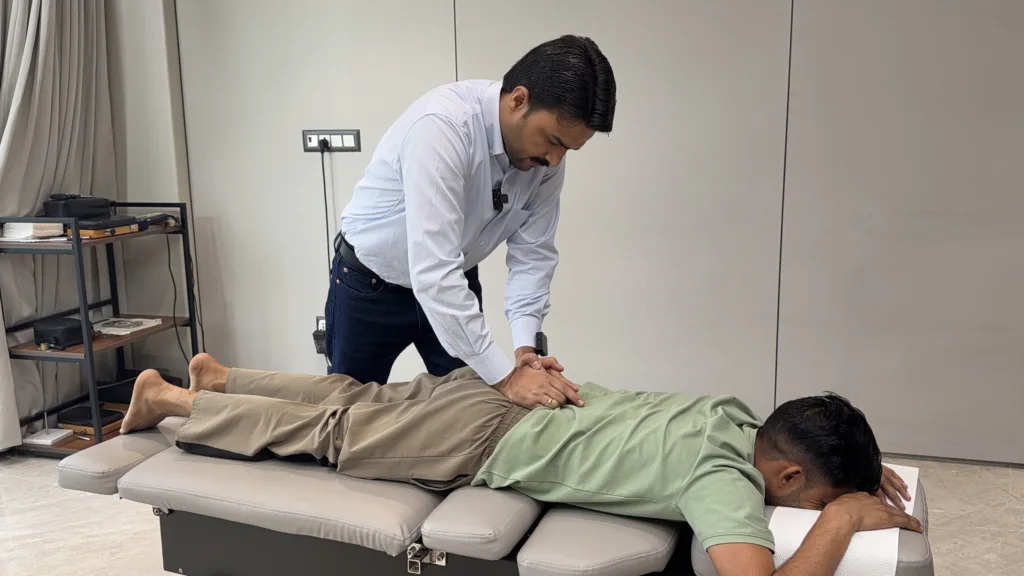
Why Ignoring a ‘Minor’ Sports Injury Today Leads to Chronic Joint Issues Tomorrow
Pain-free doesn’t mean healed. Structural weakness, joint instability, and micro-tears in connective tissue often persist well…
Read More
Tired of Back Pain? Here’s What Your Spine Is Actually Trying to Tell You
Most lower back pain comes down to daily habits — long hours hunched at a desk,…
Read More