

Groin Pain Treatment
Non-surgical care with personalised rehabilitation and specialist-led treatment at Painflame Clinic.
 6,200+ Reviews Trusted by thousands.
Recommended by experts.
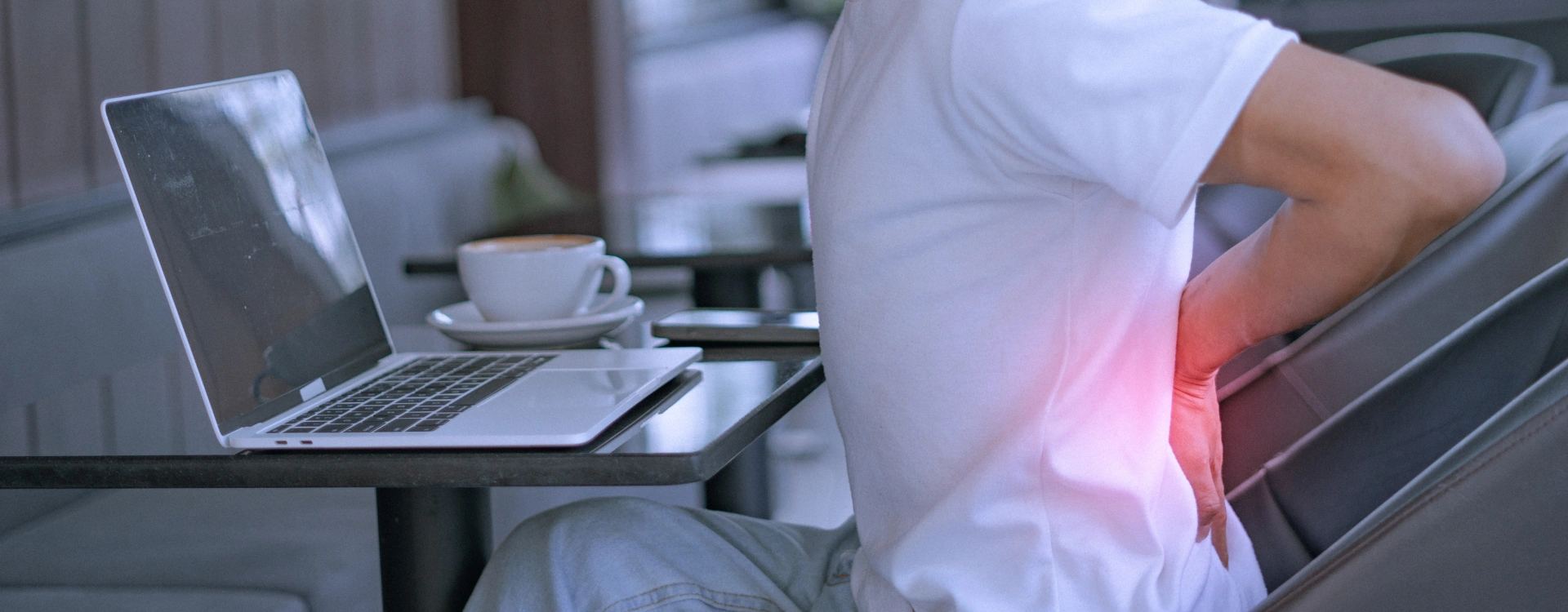
Groin Pain Treatment: Making Sense of a Complex Pain
Groin pain involves varying symptoms, from a pulling ache in the inner thigh that may flare up with a sudden movement, a deep discomfort at the front of the hip while running, a nagging soreness in the lower abdomen that worsens with coughing or sneezing, and much more. Searching online about it may lead to even more confusion with numerous vague labels like athletic pubalgia and sports hernia, to name a few. There is a structured way to rethink groin pain, and this approach genuinely matters because it is crucial for effective groin pain treatment.
What Is Groin Pain?
The groin region of our body is a complex one since it is home to the hip joint, adductor muscles, lower abdominal wall, hip flexors, pubic bone, and others. Such complexity means the pain can come from different structures, and assuming a reason behind the discomfort is not a good idea. Groin pain is a discomfort that is felt in this region, i.e., where the abdomen and upper thigh meet. This pain ranges from a mild ache or soreness in some people to sharp and even more intense pain in others. Depending on the cause, the pain may be felt in some specific regions or also in a broad part of the groin. Given the varying ways in which people experience it, historically, this one has been a bit difficult to describe.
The Classification That Cleared Up the Confusion
Experts developed a way to describe different types of groin pain. This system aims to group pain by the location where it is felt, which may help people who rely on confusing and overlapping names.
- Adductor-related pain is felt in the inner thigh
- Iliopsoas-related pain is felt towards the front of the hip
- Inguinal-related pain is felt around the groin or even in the lower abdomen. This particular type of pain may worsen with straining, sneezing, or coughing
- Pubic-related pain sits around the pubic bone.
But these are not all because problems associated with the hip joint may also cause pain in this region, which makes a thorough assessment important.
Why Groin Pain Happens
There can be numerous reasons behind this discomfort, and different causes may be associated with different structures. Adductor-related groin pain may result when the inner thigh muscles are used repeatedly. Such a pattern is common in some sports that involve quick direction changes, kicking, or even skating-type movements. Iliopsoas-related pain may develop in a similar way, but it involves a different structure, i.e., the hip flexor. It can be aggravated by certain motions, especially the ones that load this particular muscle. In addition to other causes, weakness or strain in the lower abdominal wall may lead to Inguinal-related pain. This pain may also develop gradually with frequent twisting or loading. If the pubic region is subjected to uneven loading, which is pretty common in some sports, it may cause pubic-related pain.
Common Symptoms
One can experience groin pain in different ways based on the cause behind it. Pain coming from the muscles of the inner thigh may be felt near the groin or inside the thigh. This pain can become more noticeable when both legs are brought together. Some people feel pain near the front of the hip that lies a bit deeper in the groin, and it usually worsens with lifting the knee or even hip movement. Another type of pain appears around the groin or lower abdomen, and it intensifies with coughing, sneezing, or even straining. It can also be felt as a pain in the middle of the groin. This region may feel sore to the touch.
More than one type of pain may occur at the same time, which makes it difficult to clearly define which type of pain one is experiencing.
Who Is at Risk
People involved in sports like hockey, football, along with field or court sports, may be at higher risk of developing groin pain because these sports involve frequent sprinting, sudden changes in direction, and kicking. The risk can increase if there is a sudden increase in activity’s intensity when the body does not get enough time to adapt to the increasing load that is placed on it. Another recognised risk factor is previous groin injury.
In some people, groin pain has been linked with limited hip movement; however, it can’t be the direct cause.
When To Seek Prompt Medical Help
Groin pain can be frustrating and persistent in many cases. But there are some symptoms that demand prompt medical attention rather than waiting for the next appointment. Such symptoms include:
- If there is a noticeable bulge in the groin or lower abdomen, it may be due to a hernia.
- Groin pain along with testicular pain or a change in the way the testicle feels
- Pain accompanied by fever
- Severe pain that keeps on worsening after traumatic injury
- Tingling sensation or numbness spreading down the legs or noticeable weakness in the leg
How the Diagnosis Is Made
The diagnosis here begins by taking a detailed look at the symptoms, such as when the pain started, things that worsen the pain, and the way it is affecting other activities of the individual. Then there is a physical examination in which the doctors check the groin, lower abdomen, and hip. During this test, they can use certain movements to see which ones reproduce the pain. The goal is to check for multiple possible patterns because different types of groin pain can sometimes create similar symptoms.
Imaging is not important in every case. However, causes are unclear in some cases, and doctors suspect conditions like a hernia, in which advanced imaging is used for further examination.
How Physiotherapy Helps
Physiotherapy can be useful in case of many types of musculoskeletal groin pain. The rehabilitation approach is based on symptoms, findings from physical examination, and the regular activity demands of the individuals. It helps in building strength, promoting movement, and enhancing the ability to tolerate activities that matter for the individual rather than trying to just reduce pain.
It is an effective non-invasive method as it can progressively strengthen the required muscles. Exercises involved in this approach are increased gradually with improving tolerance, and they may target hip and surrounding muscles and also include mobility work based on the findings.
The combination of exercises depends on a particular issue, and the physiotherapist adjusts the plan based on the symptoms that the individual is facing.
Groin Pain Treatment at Painflame
We start the groin pain treatment by understanding the symptoms, strength, activity levels, movement, and demands that are constantly placed on this area with the help of an individual assessment. Based on the findings of the examination, a tailored plan is made which may include manual therapy, targeted exercise, mobility work, and progressive rehabilitation.
In addition, we also provide sports injury rehabilitation for people who are experiencing groin pain because of sports-related injuries. This approach may use sports-specific recovery programmes and rehabilitation exercises that are designed around the activities of the individuals. Throughout the plan, the rehabilitation is adjusted to the strength, movement, and overall ability of the individual to tolerate activity load.
Instead of focusing on alleviating pain in the short run, we help people return to their regular activities.
Recovery Timeline
The recovery timeline is not fixed for groin pain because it depends on the nature and severity of the problem, how long the issue has been present, activity levels of the individual, and the way the body responds to rehabilitation. This is the reason why some people notice improvement in their groin pain relatively quickly as compared to others who need an extended treatment plan.
But you can track the progress the right way. Instead of focusing only on the duration of treatment, pay attention to the improvement in terms of pain, strength, movement, and your overall ability to return to normal activities.
Reducing the Risk of Groin Pain
The risk of groin pain can be reduced with the help of some activities like adductor strengthening programmes. Another important way is to increase the training load gradually so that the body gets enough time to adapt to the increasing demands. Continuing with the strengthening programme becomes even more important in case you have faced groin pain before.
Frequently Asked Questions
Can I have more than one type of groin pain at the same time?
This may happen in some people. More than one structure may contribute to this discomfort, which makes a thorough, professional assessment essential.
Is MRI important in diagnosing groin pain?
It is not usually the first step during diagnosis. A structured physical exam along with certain provocation tests may help in many cases. When the pattern does not fit a usual pattern or the condition is not responding properly to treatment, imaging may become necessary.
Why does my groin pain worsen when I cough?
Such a pattern may be associated with inguinal-related groin pain. Coughing or sneezing increases pressure through the affected region, which intensifies the pain.
Can my groin pain treatment involve surgery?
Though structured rehabilitation works in many cases of groin pain, the need for surgery depends on the underlying cause and its severity. Surgery becomes important in some cases that don’t respond well to conservative treatments.
Can I prevent groin pain from happening again?
Prevention is possible to some extent, and it can’t be claimed that one can prevent this issue altogether. Strengthening programmes for adductor muscles and other relevant measures may reduce the risk of developing this condition.
Patient Feedback & Success Stories
Treatments
Our Services
Our doctors
Meet more Painflame specialists





Dr. Divakar Kumar
Sports Rehabilitation, Sports Injury Management, Musculoskeletal Rehabilitation, Performance Enhancement, Strength & Conditioning
Book Appointment
Dr. Jaya Sharma
Pilates Expert | Musculoskeletal Rehabilitation, Sports & Pelvic Floor Specialist
Book Appointment

Dr. Priyanka Bhuyan
Tailbone (Coccyx) Treatment, Chiropractic Care, Spine & Joint Rehabilitation
Book Appointment
Dr. Saksham Kapoor
Sports Physiotherapy, Musculoskeletal Rehabilitation, Pain Management, Injury Prevention & Recovery
Book AppointmentLatest Blogs
Neck Stiffness: कारण और 5 मिनट की एक्सरसाइज से राहत
गर्दन की अकड़न (Neck Stiffness): कारण और 5 मिनट की एक्सरसाइज से राहत क्या सुबह उठते…
Read More
Navel Displacement: लक्षण, पहचान और उपचार
क्या आपको अक्सर पेट में अनजान दर्द रहता है? क्या खाने के बाद ब्लोटिंग, गैस या…
Read MoreCore Strengthening Exercise जो कमर दर्द को जड़ से खत्म करे
क्या लंबे समय बैठने के बाद कमर दर्द होने लगता है? क्या सुबह उठते ही पीठ…
Read More