Stroke Rehabilitation Treatment
Regain Strength, Balance & Independence with expert Stroke Rehabilitation treatment focused on mobility recovery, muscle re-education, and improving daily function.
 6,200+ Reviews Trusted by thousands.
Recommended by experts.
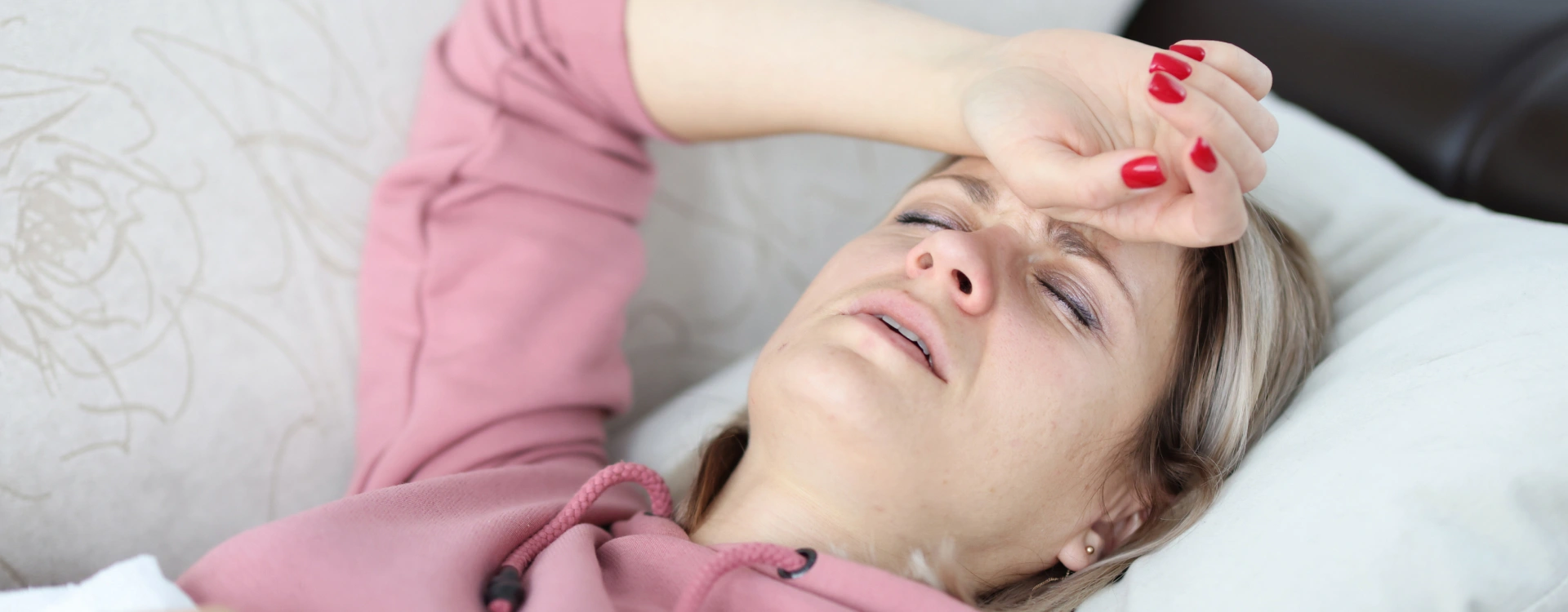
Stroke Rehabilitation Treatment at Painflame Clinic
A stroke can severely impact movement, speech, balance, and cognitive function, making rehabilitation essential for recovery. Without proper treatment, stroke survivors may struggle with muscle weakness, paralysis, coordination issues, and difficulty performing daily activities. Whether caused by a blocked artery (ischemic stroke) or a burst blood vessel (hemorrhagic stroke), early intervention can enhance brain function, restore mobility, and prevent long-term disability.
At Painflame, we provide specialized stroke rehabilitation in Gurugram, combining physiotherapy, neurotherapy, manual therapy, and strength training to help patients regain lost functions. Our customized rehabilitation programs target post-stroke paralysis, speech impairments, cognitive decline, and mobility limitations, using evidence-based techniques to promote neuroplasticity and natural healing.
Our holistic approach improves muscle strength, balance, and coordination while reducing the risk of future strokes. If you or a loved one is experiencing weakness, numbness, speech issues, or difficulty walking, our experts can create a personalized recovery plan to ensure a faster and more effective rehabilitation process. Don’t let stroke-related challenges limit your life—book a consultation today and start your journey to recovery!
Signs You Need Stroke Rehabilitation
Weakness or Paralysis on One Side of the Body
A stroke often causes muscle weakness or paralysis in the arms, legs, or face. If movement remains difficult weeks after the stroke, rehabilitation is necessary for recovery.
Difficulty Walking and Maintaining Balance
Post-stroke muscle coordination issues can make standing or walking difficult. Gait training and balance exercises help regain mobility and prevent falls.
Speech and Cognitive Challenges
Stroke can affect speech, memory, and problem-solving skills. Rehabilitation focuses on improving language processing and cognitive function for better daily communication.
Numbness, Tingling, or Muscle Stiffness
Stroke survivors may experience spasticity, numbness, or involuntary muscle contractions, limiting movement. Physiotherapy and neuromuscular therapy help restore normal function.
Non-Surgical Stroke Rehabilitation & Recovery
Physiotherapy & Strength Training
Targeted stroke rehabilitation exercises restore muscle strength, flexibility, and coordination. Physiotherapy enhances movement control, reduces stiffness, and improves mobility through guided exercises, resistance training, and balance therapy, helping stroke survivors regain independence.
Neurotherapy & Motor Skill Training
Neurotherapy strengthens brain-to-muscle connections, retraining the body for lost functions. It improves grip strength, limb movement, and walking ability by enhancing neural pathways, restoring motor control, and boosting coordination, helping stroke survivors regain essential daily functions.
Manual Therapy & Myofascial Release
Hands-on techniques like soft tissue therapy, joint mobilization, and myofascial release relieve muscle tightness, reduce post-stroke spasticity, and improve circulation. These therapies prevent joint stiffness, restore flexibility, and enhance movement, promoting faster recovery and better functional mobility.
Strengthening & Preventing Future Stroke Complications
Long-term stroke recovery requires muscle strengthening, mobility enhancement, and prevention of secondary complications like muscle atrophy, joint stiffness, and poor coordination. A structured approach using physical therapy, posture correction, and cardiovascular exercises helps improve movement, stability, and overall function after a stroke.
Strengthening Weak Muscles
Resistance training and functional exercises rebuild leg, arm, and core strength, preventing muscle loss. Strengthening weak muscles enhances movement control, balance, and coordination for stroke recovery.
Enhancing Mobility & Coordination
Gait training, stretching, and balance exercises improve limb coordination and mobility. These techniques help stroke survivors walk independently, reduce stiffness, and restore movement.
Correcting Posture & Body Mechanics
Proper posture prevents muscle strain and joint stress, reducing mobility issues. Postural correction, ergonomic adjustments, and guided therapy improve alignment, stability, and function.
Frequently Asked Questions
What are the common causes of a stroke?
A stroke can be caused by blocked blood flow (ischemic stroke), brain bleeding (hemorrhagic stroke), heart conditions, high blood pressure, or high cholesterol levels.
When should stroke rehabilitation start?
Rehabilitation should begin as soon as possible after a stroke, ideally within the first few weeks, to maximize recovery potential and prevent muscle deterioration.
Can stroke recovery happen without surgery?
Yes, physiotherapy, neurotherapy, manual therapy, and strength training are effective non-surgical methods for restoring movement and improving brain function after a stroke.
How long does stroke rehabilitation take?
Recovery time varies based on stroke severity, age, and therapy consistency. Some patients improve within a few months, while others need long-term rehabilitation for full recovery.
How can I prevent another stroke?
Maintain a healthy diet, exercise regularly, control blood pressure, quit smoking, and manage heart health to reduce the risk of recurrent strokes. Regular rehabilitation also helps.
Patient Feedback & Success Stories
Treatments
Our Services
Our doctors
Meet more Painflame specialists
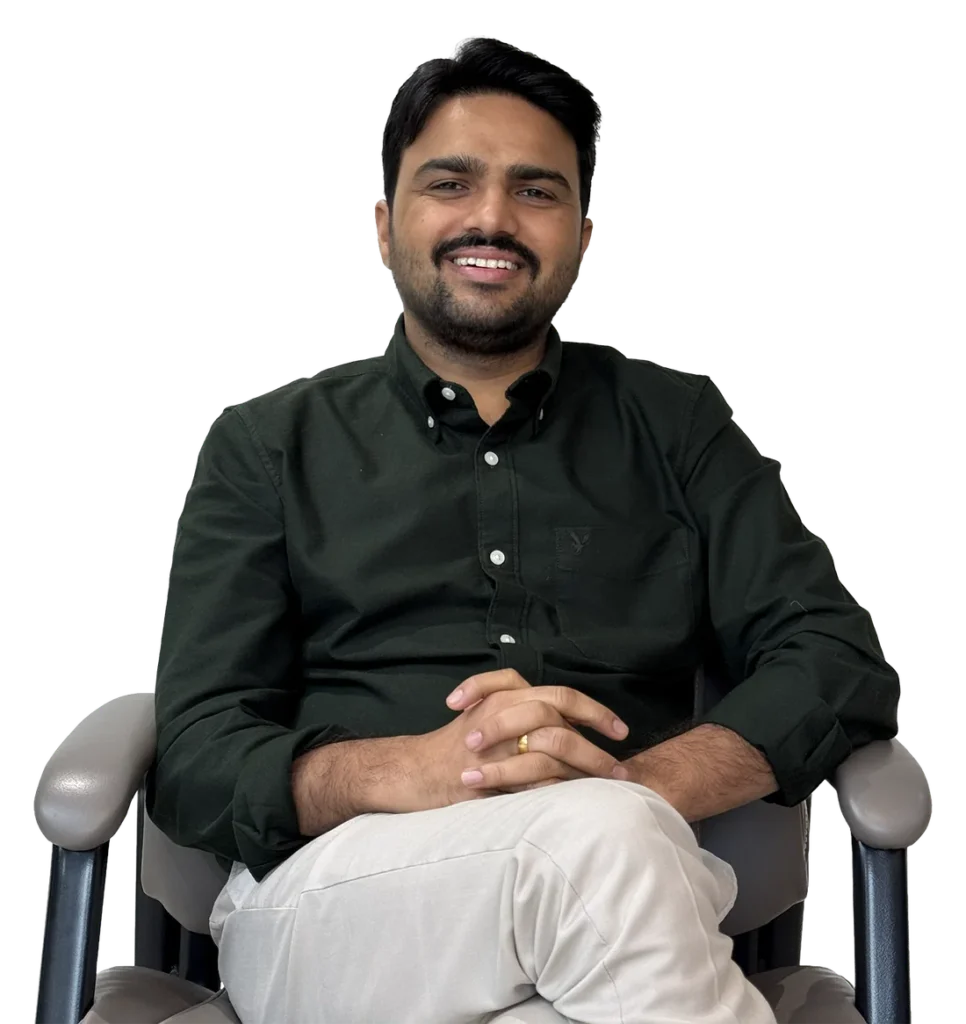
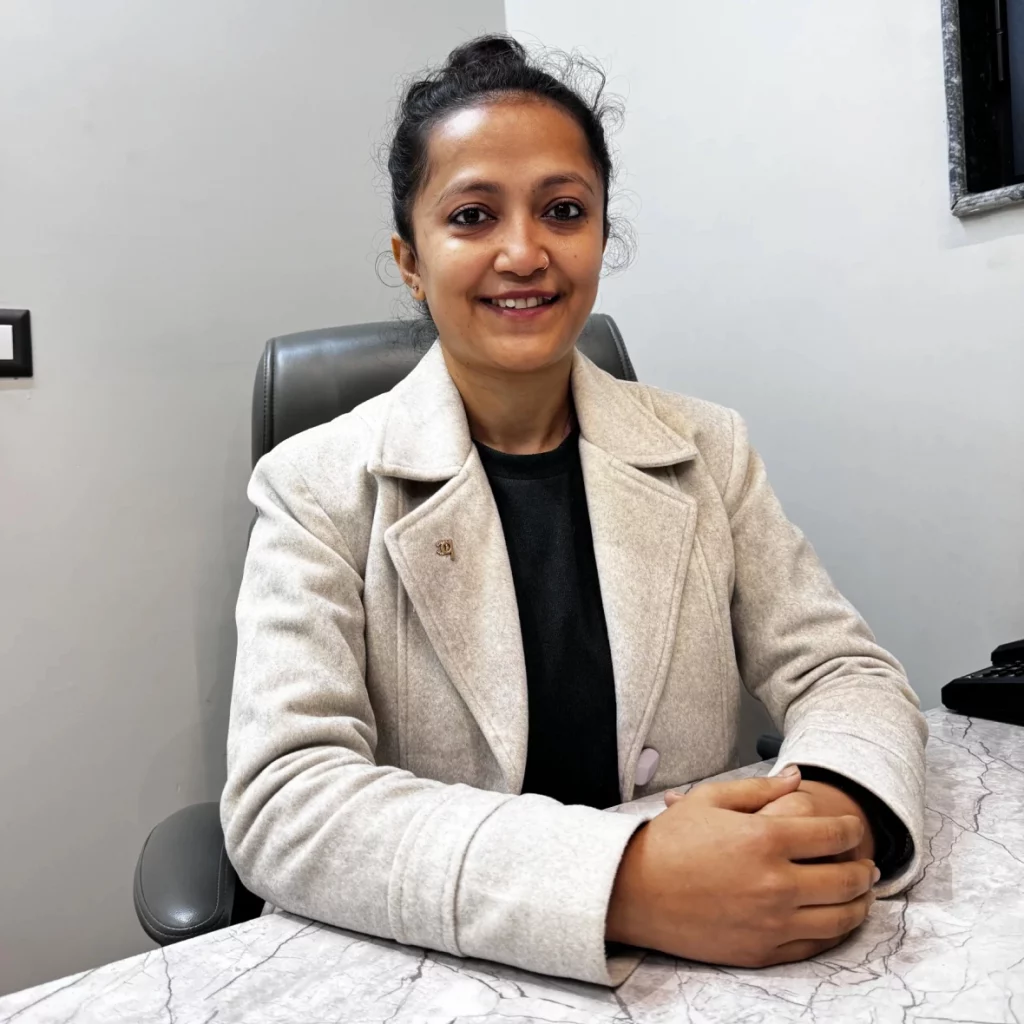
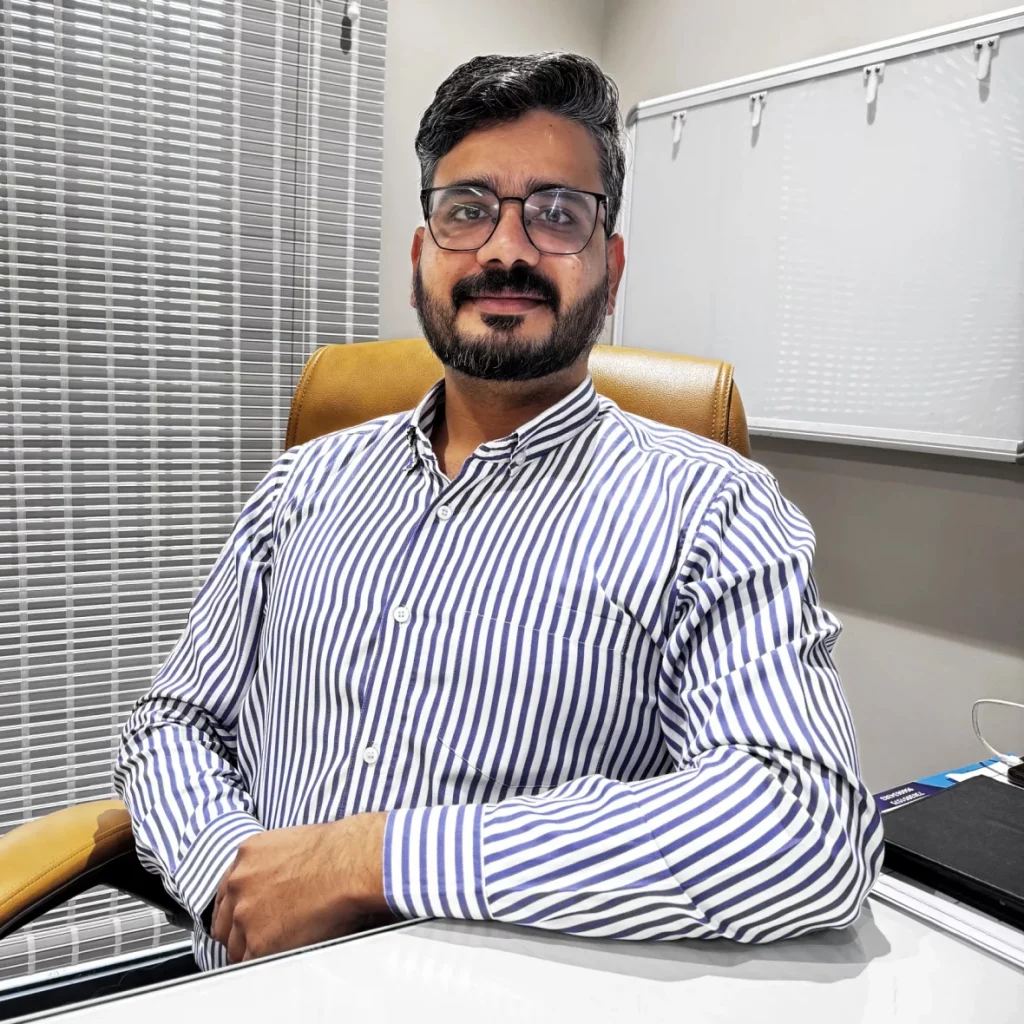
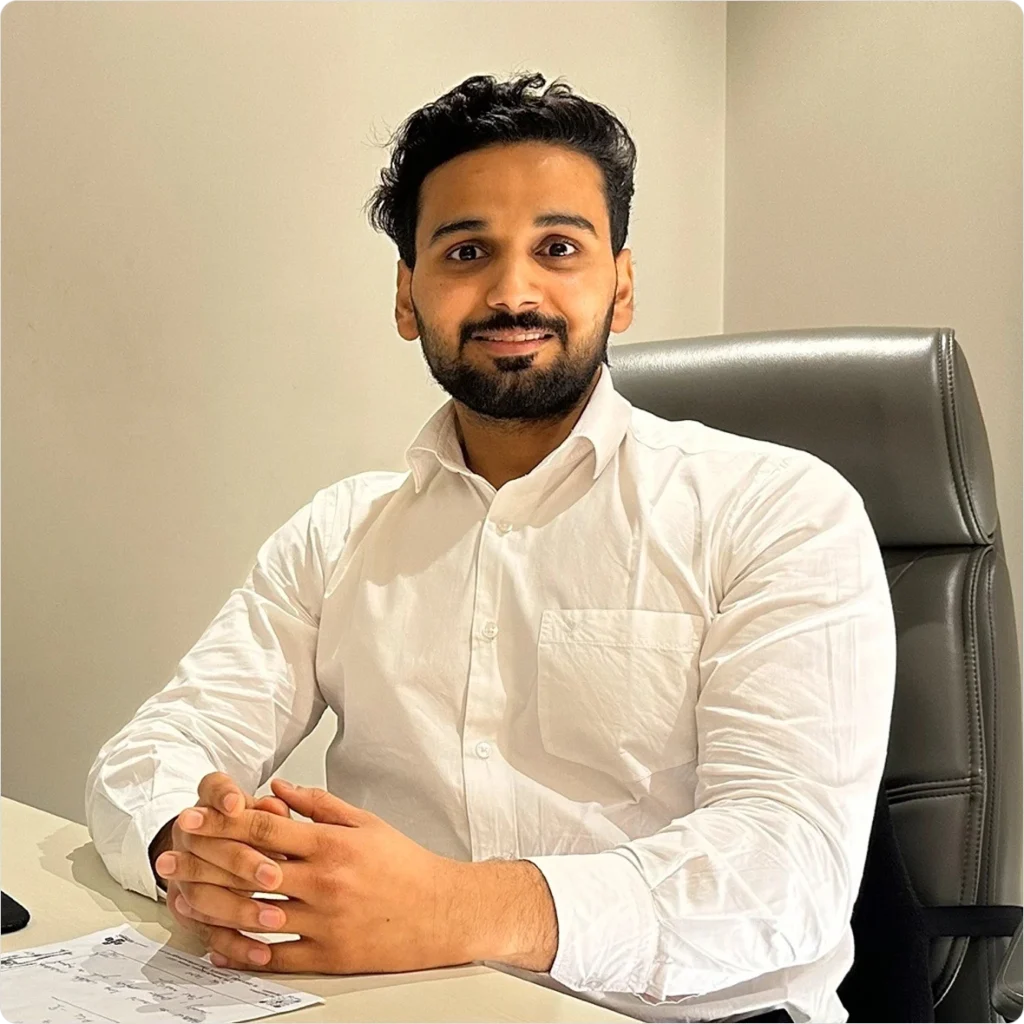
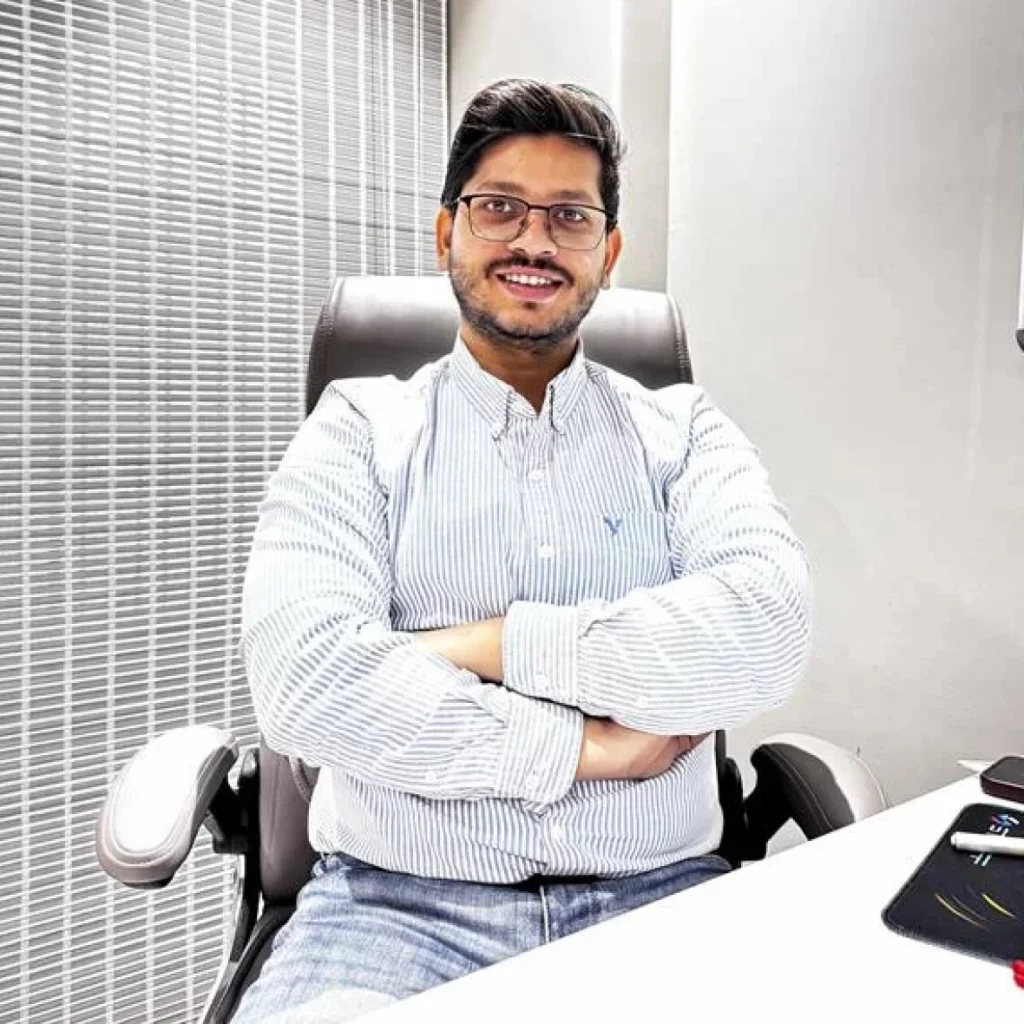
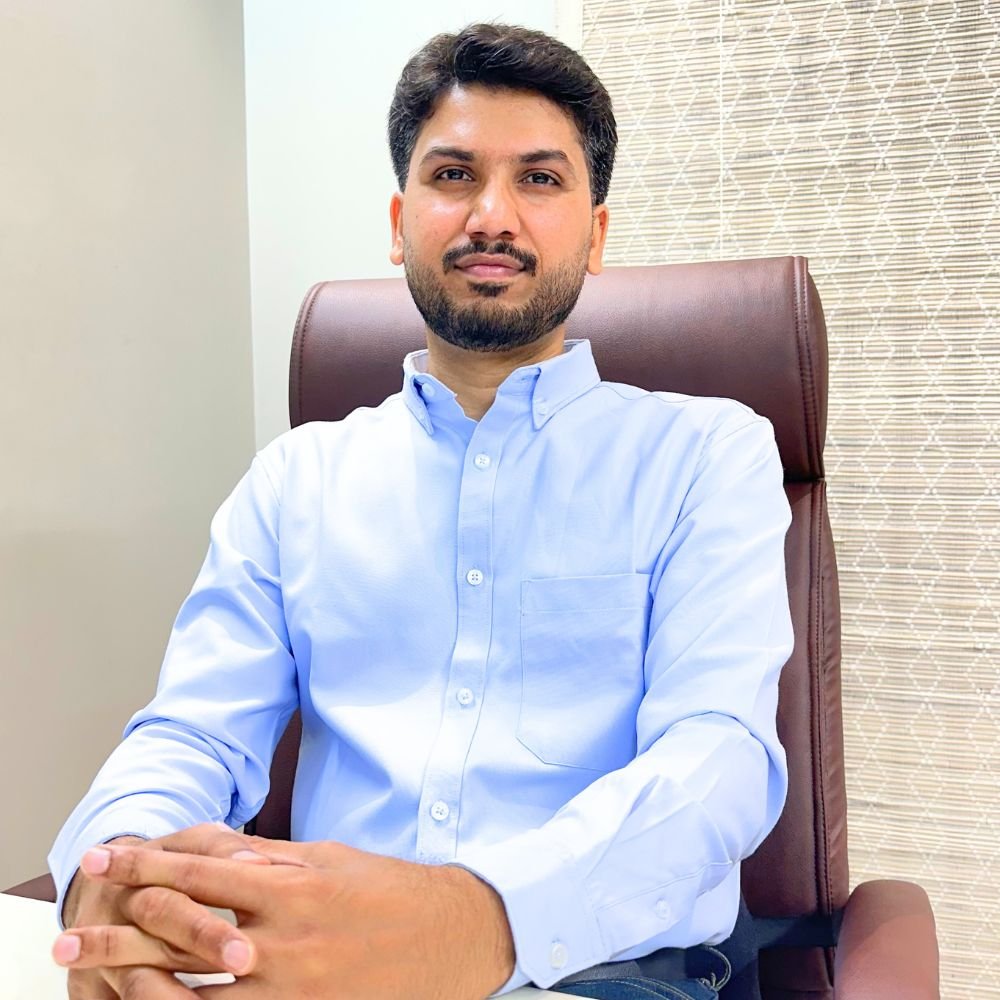
Dr. Divakar Kumar
Sports Rehabilitation, Sports Injury Management, Musculoskeletal Rehabilitation, Performance Enhancement, Strength & Conditioning
Book Appointment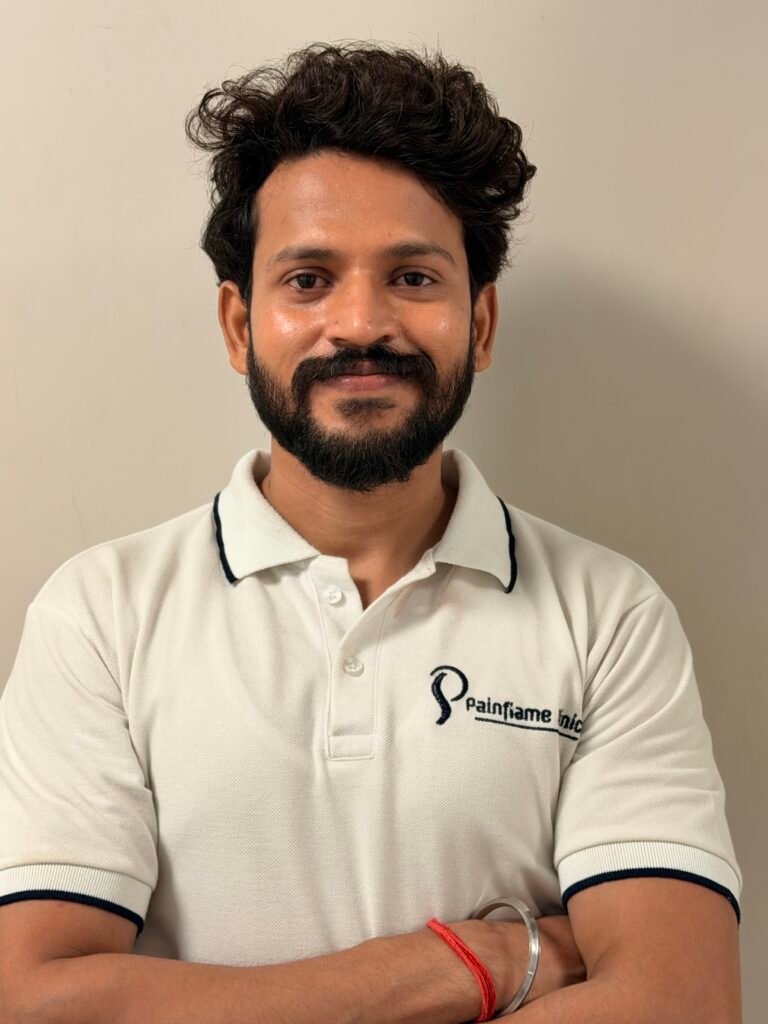
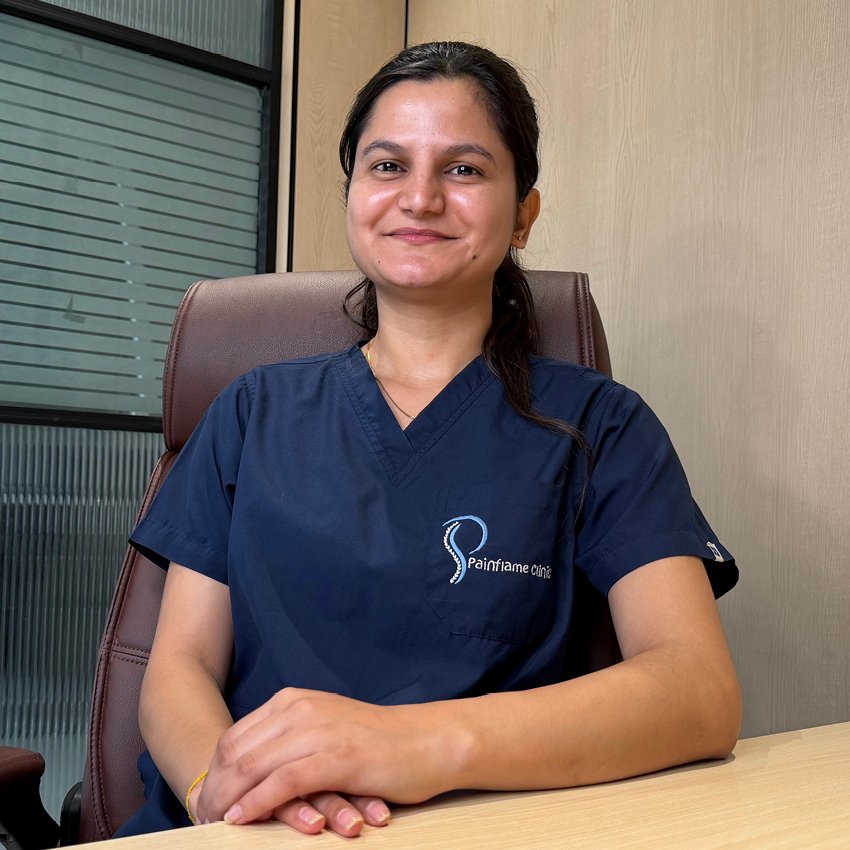
Dr. Jaya Sharma
Pilates Expert | Musculoskeletal Rehabilitation, Sports & Pelvic Floor Specialist
Book Appointment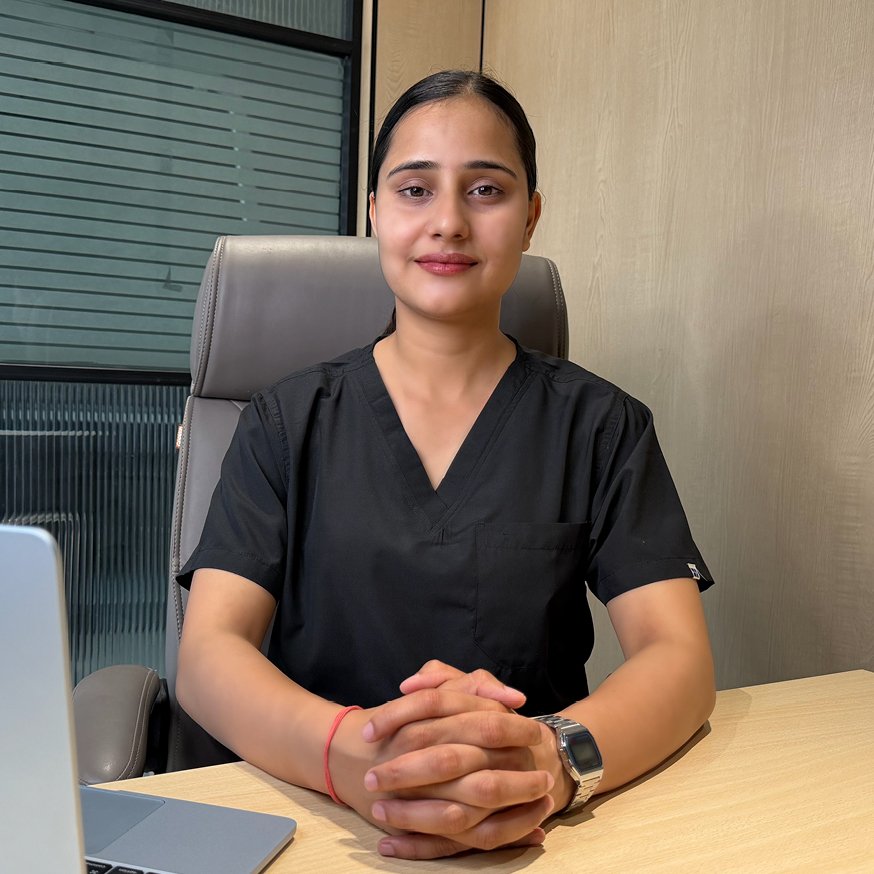
Dr. Priyanka Bhuyan
Tailbone (Coccyx) Treatment, Chiropractic Care, Spine & Joint Rehabilitation
Book Appointment
Dr. Saksham Kapoor
Sports Physiotherapy, Musculoskeletal Rehabilitation, Pain Management, Injury Prevention & Recovery
Book AppointmentLatest Blogs
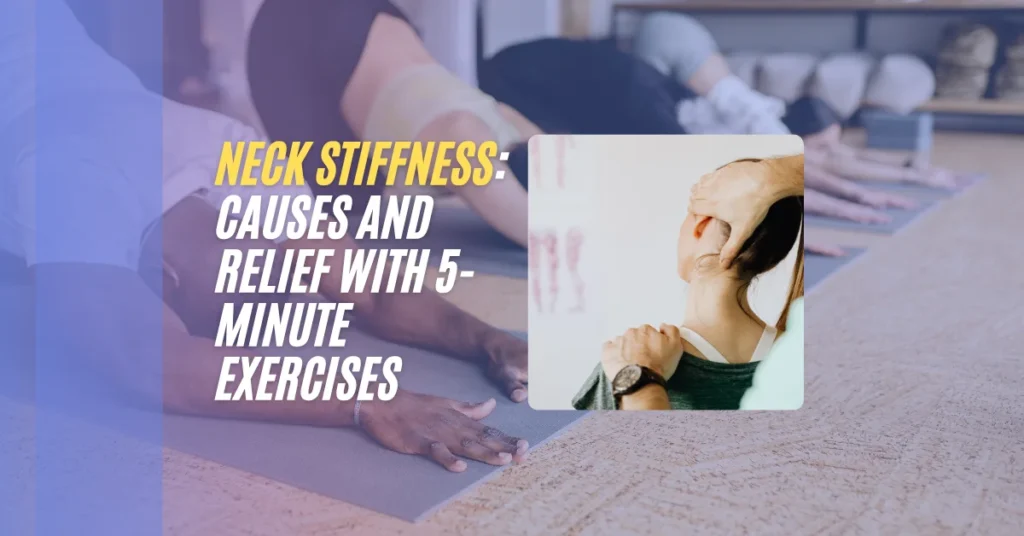
Neck Stiffness: कारण और 5 मिनट की एक्सरसाइज से राहत
गर्दन की अकड़न (Neck Stiffness): कारण और 5 मिनट की एक्सरसाइज से राहत क्या सुबह उठते…
Read More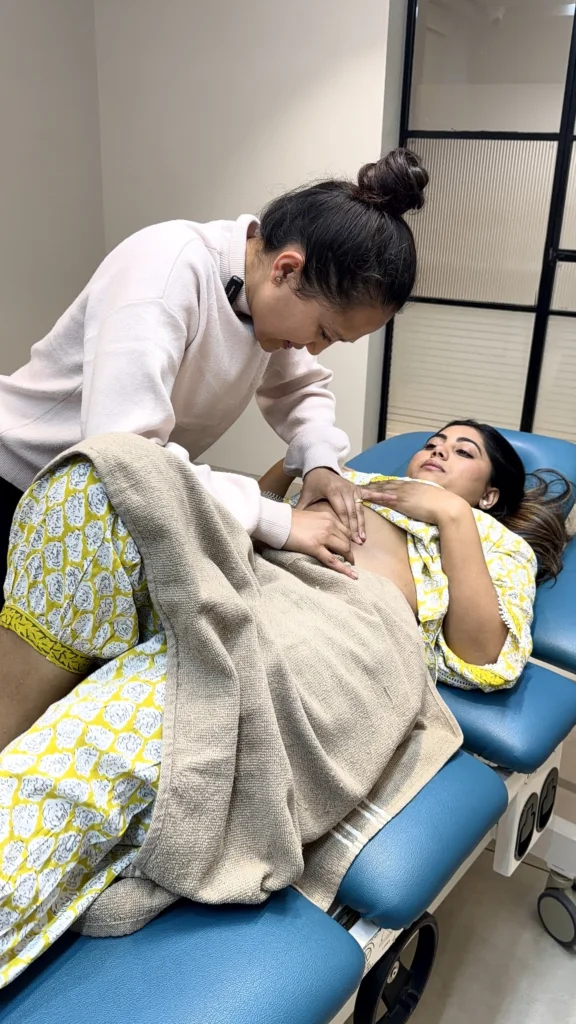
Navel Displacement: लक्षण, पहचान और उपचार
क्या आपको अक्सर पेट में अनजान दर्द रहता है? क्या खाने के बाद ब्लोटिंग, गैस या…
Read MoreCore Strengthening Exercise जो कमर दर्द को जड़ से खत्म करे
क्या लंबे समय बैठने के बाद कमर दर्द होने लगता है? क्या सुबह उठते ही पीठ…
Read More