

Rotator Cuff Injury Treatment
Find expert advice on rotator cuff injuries and therapy with Painflame Clinic. We offer modern physiotherapy and targeted rehabilitation, along with non-surgical pain relief from shoulder experts.
 6,200+ Reviews Trusted by thousands.
Recommended by experts.

Rotator Cuff Injury Treatment
Find advanced non-surgical rotator cuff care at Painflame Clinic. Our expert physiotherapist provides a customised program for shoulder rehabilitation to help ease pain, increase mobility, and strengthen your shoulder naturally.
What is a Rotator Cuff Injury?
The rotator cuff comprises four muscles and their tendons, which wrap around the shoulder joint like a sleeve. The four muscles are the Supraspinatus, Infraspinatus, Teres minor, and Subscapularis –keep your arm bone securely anchored in its socket. They also allow you to move, lift, and turn your arm in any direction you want.
If these tendons become damaged, inflamed or torn, it can cause a rotator cuff tear. Because the shoulder has a greater range of motion than the rest of the joints of the body, injury here can immediately alter your routine. Even simple tasks such as brushing your hair and putting on your jacket, or settling into an ideal sleeping position, can appear difficult. A quick assessment of your condition is essential, since it is possible to ignore the ache and turn the slight strain into long-term rigidity or even the onset of muscle weakness.
Common Causes of Rotator Cuff Injuries
Shoulder pain is typically caused by an accident that happens suddenly or by wear and tear that gradually develops over time. Reasons are:
- Repetitive Strain Injury (RSI): Repeated overhead movements can induce inflammation of tendons and tiny tears.
- Rotator Cuff Tendinitis: Inflammation of the tendons usually acute, from unexpected overload.
- Shoulder Bursitis: Inflammation of the fluid-filled sac (bursa) that cushions the shoulder joint.
- Acute Injuries: Tears that suddenly occur due to a direct fall, typically when you reach out to stop your fall.
- Age-related wear: Age-related changes that reduce blood flow to tendons, making them more susceptible to tears.
- Sports injuries: Heavy stress from repetitive tossing, tennis, swimming, or the lifting of heavy weights.
- Gym injuries: Pinching the cuff due to bad form / posture on overhead lifts, bench presses or lateral raises.
- Poor Posture: The rounded shoulders, which narrow the joint and lead to painful pinching (impingement).
- Workplace Overuse: Work-related activities such as painting, carpentry and construction, which require the use of arms raised.
Symptoms of a Rotator Cuff Injury
Shoulder pain can manifest in different ways according to how severe the pain is. However, keep an eye out for these symptoms:
- Dull, Deep Shoulder Ache: A persistent, deep-seated pain within the joint.
- Difficulty sleeping: Lying on the injured shoulder is very uncomfortable. It wakes you late at night.
- Arm weakness: Severe trouble raising your arms or holding normal objects.
- Reduced Mobility: Trouble reaching behind your back, or lifting your arm over your shoulder.
- Painful movements: The sensation of sudden pain during movement when you are lifting, lowering or turning your arm.
- Catching or Clicking: Feeling or hearing a clicking, catching, snapping or popping sound during movement.
- Tightness: The tight feeling that restricts fluid, effortless motion.
When to See a Shoulder Specialist
Now it is the time to have your shoulder examined if symptoms last more than a couple of weeks, or if they interfere with your daily tasks. Do not wait until you are unable to move your arms.
Get professional assistance immediately when you notice an unexpected, drastic decrease in arm strength, when the pain is constant and interrupts your sleeping pattern, or when your injury occurred during an unintentional fall or injury. Beginning physical therapy earlier can prevent small inflammation from developing into a serious tear or frozen shoulder.
Diagnosis of Rotator Cuff Injuries
Identifying the root of your pain will help you get the right treatment method. At Painflame Clinic we find out what’s wrong by:
- Physical Evaluation: We talk through your medical history, locate areas of pain and look for signs of swelling.
- Movement Analysis & Posture: We look at the way your upper and lower back, neck and shoulder blades interact to detect any imbalances.
- Mobility tests: We gently guide your arm in different directions to pinpoint precisely where you stop your motion.
- Orthopaedic Tests: We perform targeted hands-on resistance tests to identify which tendon is inflamed.
- Imaging Referrals: If we believe that there’s an injury that is significant and/or a tear in the tissue, we could arrange an X-ray scan to check for bone spurs or an MRI for a look at soft tissue.
Rotator Cuff Injury Treatment at Painflame Clinic
We concentrate on practical and non-surgical treatments to relieve the pain, speed up healing and help get your shoulder back to normal.
Physiotherapy for Rotator Cuff Injury
Well-targeted physiotherapy is an essential part of recovery from shoulder injuries. The custom program we create is to reduce inflammation in active areas, strengthen the joint and bring back mobility without aggravating the situation.
Manual Therapy
The therapists at our clinic employ hands-on methods, which include joint mobilisation and working on deep tissues. This assists in easing muscle tension and breaking down scar tissue and increasing the circulation in your local area.
Advanced Electrotherapy
We use the latest techniques such as ultrasound, TENS and laser therapy to alleviate acute pain and speed healing. These tools are non-invasive and modulate the pain from the nerves that are irritated and decrease swelling quickly.
Targeted Rehabilitation Exercises
Once your pain quietens down, we introduce progressive exercises. They focus on strengthening the muscles of the cuff and training the shoulder blade to move effortlessly.
Ergonomic & Posture Correction
We guide you on how you can modify your daily practices, your workspace, and your fitness form. Poor, slouched posture narrows the subacromial space, causing compression and pinching (impingement) on the tendons.
How to Prevent Rotator Cuff Injuries
Maintaining your shoulders in good health and injury-free is as simple as the following smart, everyday practices:
- Pay attention to your posture
- Enhance your upper back
- Do not overdo work
- The Balance of Your Workout
- Pay attention to Aches
Frequently Asked Questions
What's the most effective treatment for a strain in the rotator cuff?
For most strains and partial tears the best treatment is a specific combination of physical therapy, manual therapy and tailored strengthening activities.
Does physiotherapy aid in managing the case of a strain to the rotator cuff?
Yes. Physical therapy can assist to relieve discomfort, reduce swelling, correct incorrect posture and strengthen the muscles that support it to allow for a full range of motion without surgery.
How long does it take to recover from a rotator cuff injury?
The tendonitis and strains that are mild usually heal within four to six weeks. A severe partial tear can require up to six months of consistent treatment.
Does a tear in the rotator cuff require intervention?
Many tears can be partial, and wear-and-tear injuries heal gradually with no surgery. The strengthening of the muscles around it lets the shoulder function normally and pain-free.
What is the cause of rotator cuff discomfort with no specific injury?
Usually it is caused by the wear and tear that comes with age, chronic slouching and repetitive overhead occupations, or bone structures that compress the tendons with time.
Does rotator cuff pain relate to arthritis?
Shoulder arthritis is a frequent condition and there are a number of things to consider. But it can also cause rough-edged bone spurs to grow larger. They can rub and cause inflammation to the muscles of the rotator cuff.
Patient Feedback & Success Stories
Treatments
Our Services
Our doctors
Meet more Painflame specialists
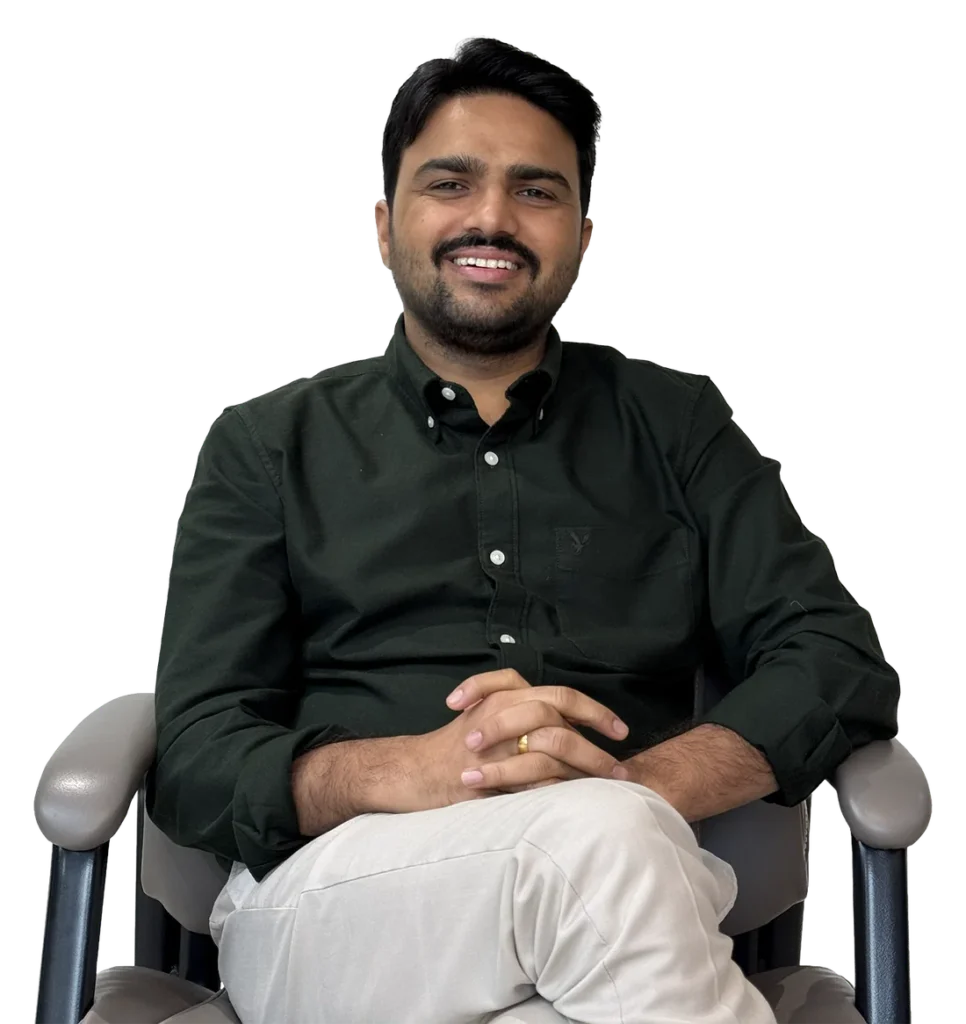



Dr. Divakar Kumar
Sports Rehabilitation, Sports Injury Management, Musculoskeletal Rehabilitation, Performance Enhancement, Strength & Conditioning
Book Appointment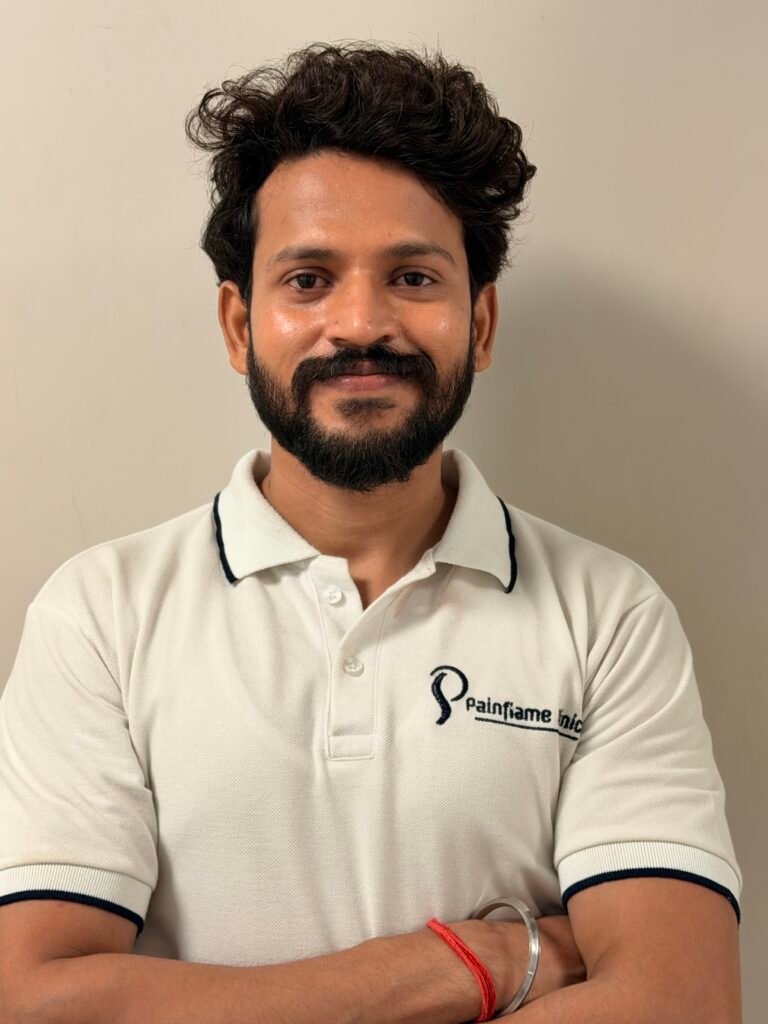
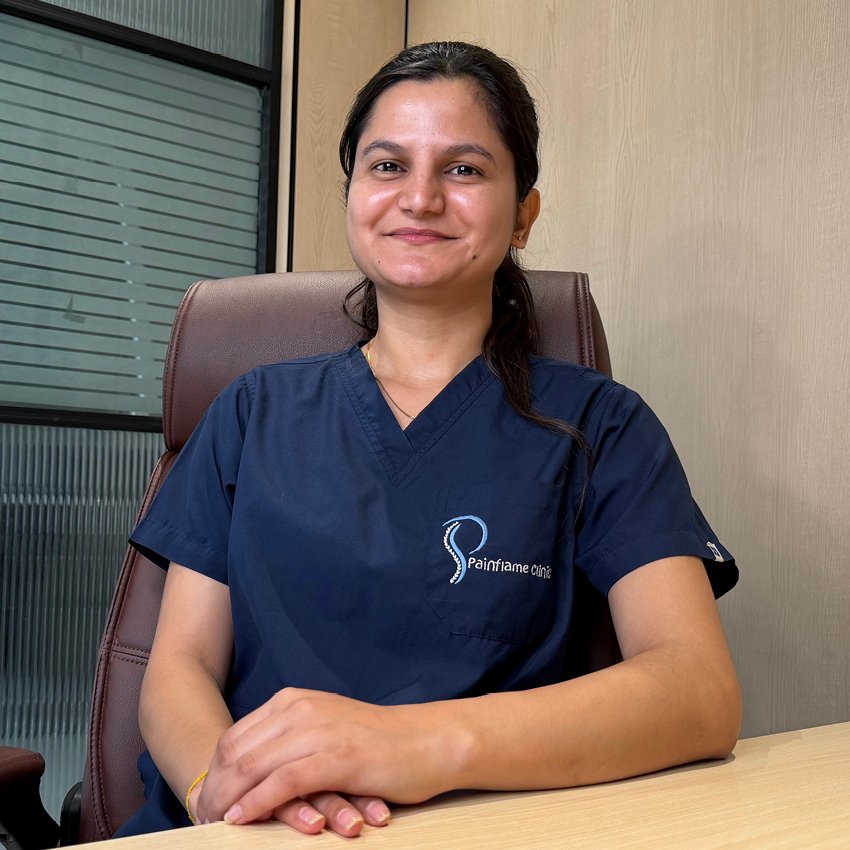
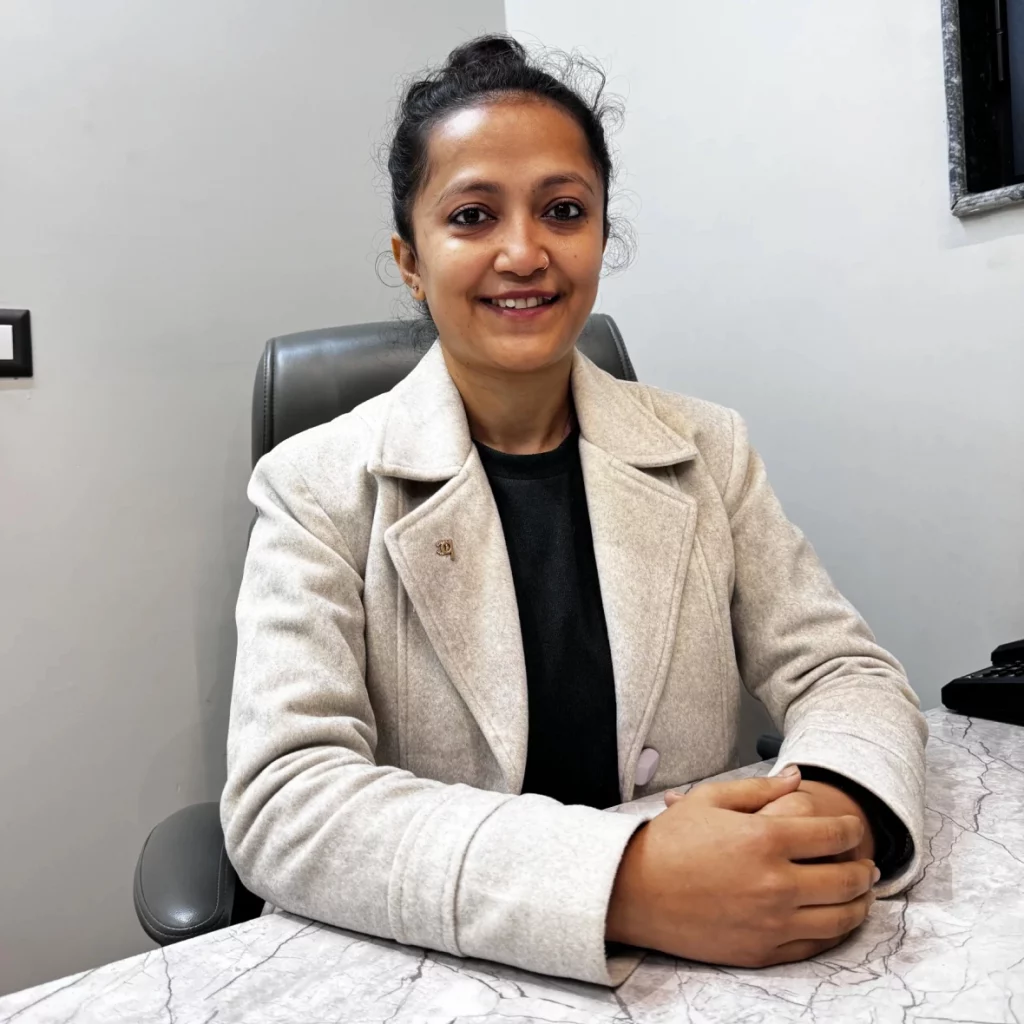
Dr. Jaya Sharma
Pilates Expert | Musculoskeletal Rehabilitation, Sports & Pelvic Floor Specialist
Book Appointment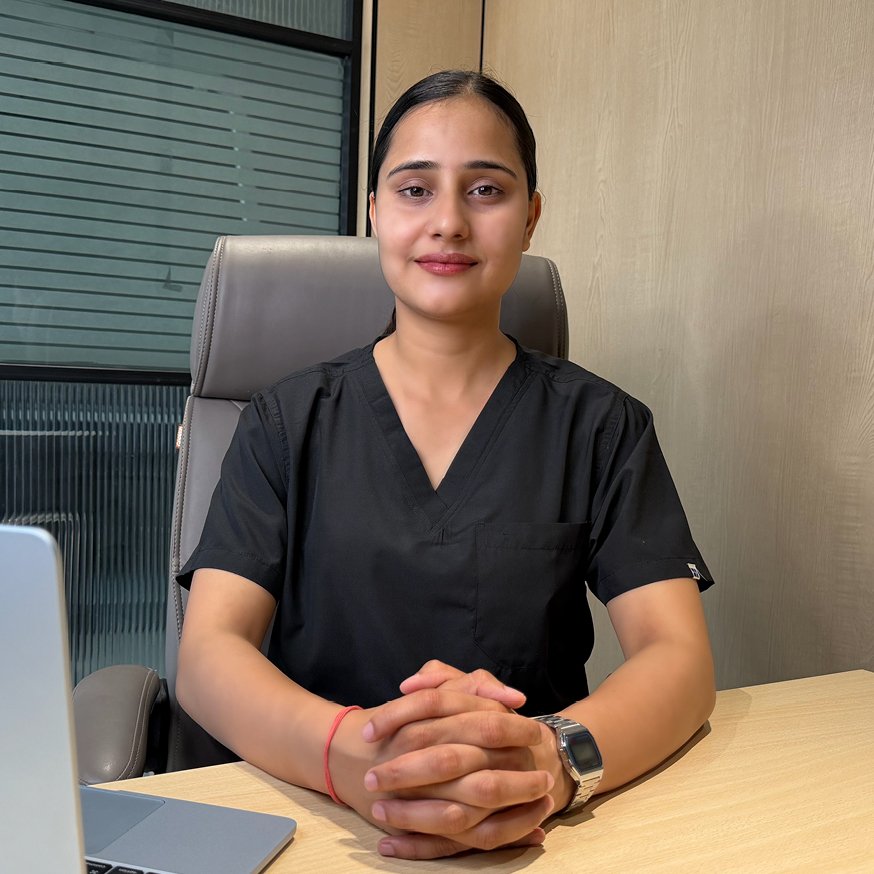
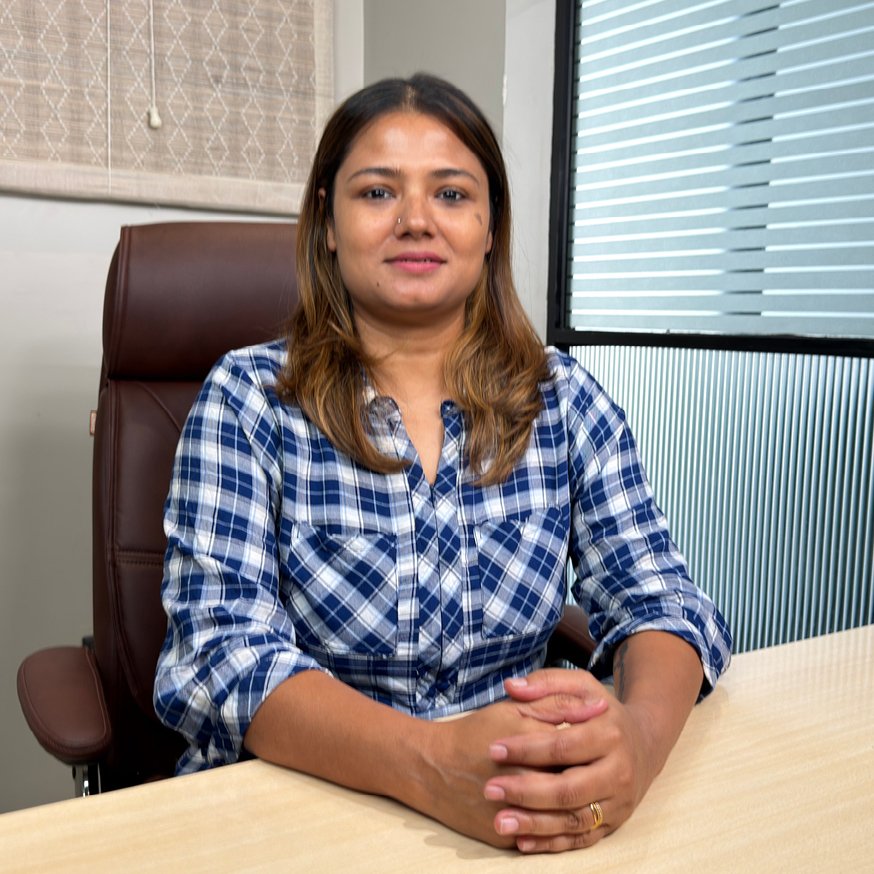
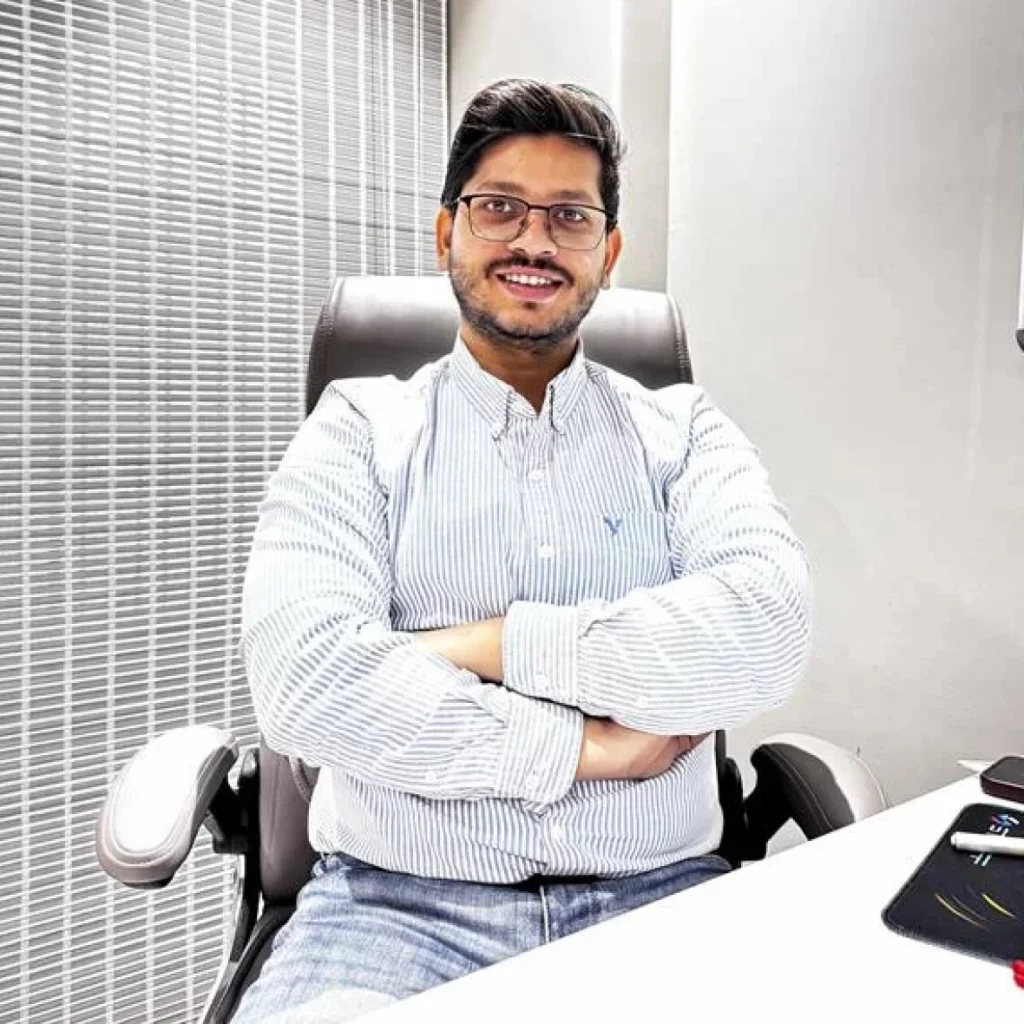
Dr. Priyanka Bhuyan
Tailbone (Coccyx) Treatment, Chiropractic Care, Spine & Joint Rehabilitation
Book Appointment
Dr. Saksham Kapoor
Sports Physiotherapy, Musculoskeletal Rehabilitation, Pain Management, Injury Prevention & Recovery
Book AppointmentLatest Blogs
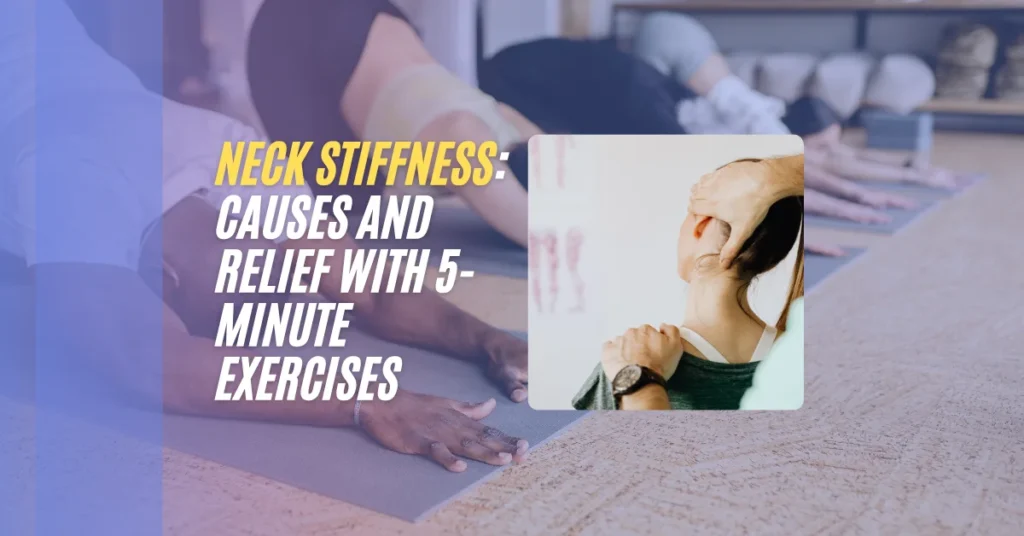
Neck Stiffness: कारण और 5 मिनट की एक्सरसाइज से राहत
गर्दन की अकड़न (Neck Stiffness): कारण और 5 मिनट की एक्सरसाइज से राहत क्या सुबह उठते…
Read More
Navel Displacement: लक्षण, पहचान और उपचार
क्या आपको अक्सर पेट में अनजान दर्द रहता है? क्या खाने के बाद ब्लोटिंग, गैस या…
Read MoreCore Strengthening Exercise जो कमर दर्द को जड़ से खत्म करे
क्या लंबे समय बैठने के बाद कमर दर्द होने लगता है? क्या सुबह उठते ही पीठ…
Read More