

Trigger Point Pain Treatment
Relieve Muscle Knots & Restore Comfort with expert Trigger Point Pain treatment focused on releasing tension, reducing pain, and improving muscle mobility.
 6,200+ Reviews Trusted by thousands.
Recommended by experts.

Trigger Point Pain Treatment at Painflame Clinic

Trigger point pain can cause muscle stiffness, restricted movement, and deep aching pain, often radiating to other areas of the body. These painful knots form when muscle fibers become tight and irritated, usually due to stress, poor posture, overuse, or injury. At Painflame, we offer specialized trigger point pain treatment in Gurugram, using non-surgical and drug-free methods to relieve muscle tension, restore mobility, and prevent future pain.
Trigger points are hyperirritable spots in the muscles that develop due to chronic strain, trauma, or repetitive movements. If left untreated, they can lead to widespread pain, reduced flexibility, and discomfort in areas like the neck, shoulders, lower back, and legs. Early treatment can prevent muscle dysfunction and improve mobility.
Our treatment approach includes manual therapy, dry needling, myofascial release, chiropractic care, and physiotherapy to address the root cause of trigger point pain rather than just masking the symptoms. By improving blood circulation, muscle flexibility, and posture, we help restore normal movement and prevent recurring pain.
If you’re struggling with muscle knots, deep aching pain, or restricted movement, our specialists can create a personalized treatment plan to help you move freely and live pain-free.
Signs You May Need Trigger Point Therapy

Trigger point pain often mimics other conditions, making it difficult to diagnose. While occasional muscle tightness is common, persistent pain and restricted mobility may indicate active trigger points that require professional care.
Common Symptoms of Trigger Point Pain
- Deep, aching muscle pain that worsens with movement
- Pain radiating to nearby areas (e.g., neck pain leading to headaches)
- Muscle stiffness and tightness in the affected region
- Tender knots or hard lumps in muscles
Serious Symptoms That Need Urgent Care
- Severe pain that doesn’t improve with rest or home treatments
- Frequent muscle spasms and twitching in the affected area
- Weakness or limited range of motion in the arms, legs, or back
- Recurring headaches or nerve pain linked to trigger points
Advanced Trigger Point Pain Treatment at Painflame
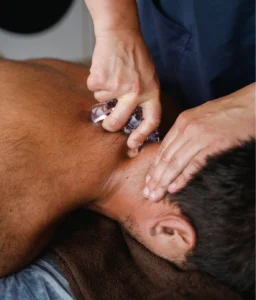
Finding the right trigger point pain treatment is essential for long-term relief. At Painflame, our specialists use evidence-based, hands-on therapies to release tight muscles, restore flexibility, and eliminate trigger point pain without medications or surgery.
Our Trigger Point Therapy Methods
- Manual Therapy & Myofascial Release – Loosens tight muscles and breaks up painful adhesions.
- Dry Needling Therapy – Targets deep-seated trigger points to relieve tension and improve muscle function.
- Chiropractic Adjustments – Corrects spinal misalignment that may be contributing to chronic muscle tension.
- Physiotherapy & Stretching Exercises – Strengthens muscles, improves flexibility, and prevents trigger point reactivation.
- Posture Correction & Ergonomic Guidance – Helps reduce muscle strain and prevent future trigger point pain.
At Painflame, we customize treatment plans based on each patient’s condition, ensuring safe and effective recovery. Book a consultation today to start your journey toward a pain-free life!.
How to Prevent Trigger Point Pain

Preventing trigger point pain requires proper muscle care, posture correction, and stress management. Here are some expert tips to keep your muscles healthy and pain-free.
Tips for Preventing Trigger Point Pain
Maintain Proper Posture
Keep your shoulders relaxed and avoid slouching to reduce muscle strain.
Stay Active & Stretch Regularly
Gentle stretching and mobility exercises prevent muscles from becoming tight.
Manage Stress Effectively
Practice deep breathing, meditation, or yoga to keep muscles relaxed.
Use Proper Lifting Techniques
Bend your knees and engage your core when lifting to avoid muscle strain.
Frequently Asked Questions
What causes trigger point pain?
Trigger point pain is caused by muscle overuse, poor posture, stress, injuries, and repetitive movements. These factors create tight, painful knots in the muscles.
How do I know if I have trigger points?
You may have trigger points if you experience deep muscle pain, stiffness, radiating discomfort, or small, tender lumps in affected muscles.
What are the best treatments for trigger point pain?
Effective treatments include manual therapy, dry needling, myofascial release, chiropractic care, and physiotherapy to relieve muscle tightness and restore movement.
Can trigger point pain go away on its own?
Mild trigger point pain may improve with rest, stretching, and posture correction, but chronic trigger points require professional treatment for long-term relief.
How can I prevent trigger points from coming back?
Maintaining good posture, stretching regularly, staying active, managing stress, and using proper ergonomics can help prevent recurring trigger point pain.
Patient Feedback & Success Stories
Treatments
Our Services
Our doctors
Meet more Painflame specialists






Dr. Divakar Kumar
Sports Rehabilitation, Sports Injury Management, Musculoskeletal Rehabilitation, Performance Enhancement, Strength & Conditioning
Book Appointment

Dr. Jaya Sharma
Pilates Expert | Musculoskeletal Rehabilitation, Sports & Pelvic Floor Specialist
Book Appointment

Dr. Priyanka Bhuyan
Tailbone (Coccyx) Treatment, Chiropractic Care, Spine & Joint Rehabilitation
Book Appointment
Dr. Saksham Kapoor
Sports Physiotherapy, Musculoskeletal Rehabilitation, Pain Management, Injury Prevention & Recovery
Book AppointmentLatest Blogs

Neck Stiffness: कारण और 5 मिनट की एक्सरसाइज से राहत
गर्दन की अकड़न (Neck Stiffness): कारण और 5 मिनट की एक्सरसाइज से राहत क्या सुबह उठते…
Read More
Navel Displacement: लक्षण, पहचान और उपचार
क्या आपको अक्सर पेट में अनजान दर्द रहता है? क्या खाने के बाद ब्लोटिंग, गैस या…
Read MoreCore Strengthening Exercise जो कमर दर्द को जड़ से खत्म करे
क्या लंबे समय बैठने के बाद कमर दर्द होने लगता है? क्या सुबह उठते ही पीठ…
Read More