
If you’re in Gurgaon and dealing with neck stiffness, lower back pain, or recovering from a sports injury or surgery, modern physiotherapy offers a real path to recovery — not just temporary relief. At Painflame Clinic, the approach combines hands-on manual therapy, targeted exercise, and rehabilitation tools aimed at the source of your pain.
Most people in Gurgaon aren’t kind to their bodies. Long hours at a desk, brutal commutes on NH-48, back-to-back meetings — it adds up. And because the discomfort tends to creep in gradually, it’s easy to keep ignoring it until you can’t.
You know the feeling. That neck stiffness after a long call. The lower back ache that reliably kicks in around 6pm. A knee twinge after a weekend run that never quite goes away. Most people push through — until pushing through stops being an option.
Here’s what a lot of people get wrong: physiotherapy isn’t just for post-surgical recovery. It’s a clinical tool for catching problems before they get complicated. A disc issue caught early is a completely different situation from the same issue left unaddressed for a year.
What follows covers the conditions physiotherapy treats, what a proper treatment plan actually looks like, and what to look for when choosing a clinic in Gurgaon.
What Conditions Does Physiotherapy in Gurgaon Treat?
Patients at a physiotherapy clinic here range from 28-year-old software engineers with persistent wrist pain to 60-year-old retirees managing knee osteoarthritis. The conditions differ widely — but the clinical thinking behind how to approach them stays consistent.
Why Desk Work Is a Leading Cause of Physiotherapy Visits in Gurgaon
If your job keeps you at a screen for most of the day, you’re a strong candidate for what clinicians call “desk syndrome” — a cluster of postural and overuse injuries caused by sustained static loading on the spine and upper limbs.
- Neck strain and upper back tightness — hours spent looking slightly downward at a screen build tension in the cervical and thoracic muscles. By mid-afternoon, that tension often locks into the shoulders and doesn’t release without some kind of intervention.
- Repetitive strain injury (RSI) — repeated typing and mouse use compresses tendons and irritates peripheral nerves in the wrist and forearm. It usually starts as mild fatigue before becoming pain during tasks you’d normally do without thinking.
- Postural dysfunction — builds quietly over months of slouching. The lumbar curve flattens, the head drifts forward, the shoulder blades lose their anchor. By the time someone notices it’s affecting how they move, compensation patterns are usually already well established.
Chronic Musculoskeletal Pain Treated by Physiotherapy in Gurgaon
Chronic pain is easy to dismiss early on because it doesn’t arrive all at once. A 2019 WHO report estimated that lower back pain alone affects 568 million people globally — and desk-heavy urban populations show up disproportionately in those numbers.
- Lower back pain — commonly linked to weak deep stabilizers and prolonged hip flexion from sitting for hours.
- Sciatica — irritation or compression of the sciatic nerve produces radiating pain from the lumbar spine down into the leg. Even sitting for 20 minutes can become difficult when it’s acute.
- Knee osteoarthritis — The cartilage breakdown produces stiffness and edema notably after rest or long walks. It usually gets worse if left unmanaged.
- Shoulder impingement — develops when poor posture and undertrained rotator cuff muscles reduce subacromial space, making overhead movement painful. Left alone, it can progress to a partial or full rotator cuff tear.
Sports and Fitness Injuries
Runners on the Aravalli trails, regular gym-goers, weekend cricket and football players — active adults in Gurgaon tend to show up with a fairly predictable set of injuries.
- Ligament sprains — ankle and knee sprains from sudden directional changes leave the joint unstable until the ligament heals and the surrounding muscles are properly retrained.
- Muscle tears — usually the result of explosive effort without enough preparation. A grade 2 hamstring tear can sideline a runner for 6–10 weeks without structured rehab.
- Runner’s knee (patellofemoral pain syndrome) — is one of the most common overuse injuries in recreational runners — a dull ache around the kneecap that worsens on stairs and after longer runs.
Post-Surgical and Injury Rehabilitation
After joint replacement, ligament reconstruction, or spinal surgery, physiotherapy isn’t optional — it’s what determines whether the surgical outcome actually holds up in daily life.
A structured post-surgical rehab plan typically moves through three phases:
- Reduce swelling and restore basic range of motion in the first 2–4 weeks using gentle mobilization and pain-free movement.
- Rebuild strength in muscles that weakened during immobilization — often the quadriceps after knee surgery or the rotator cuff after a shoulder procedure.
- Progress to functional movement so you can return to work, driving, or sport without compensating in ways that create new problems later.
What Modern Physiotherapy in Gurgaon Actually Looks Like
Physiotherapy has changed significantly over the past decade. A credible clinic doesn’t hand you a printout of generic exercises and call it a day. You get a structured clinical process built around how your body is actually presenting — not a one-size-fits-all template applied to everyone with back pain.
Physiotherapy in Gurgaon Starts With a Proper Assessment
Every treatment plan should start with a proper clinical assessment: movement screening, palpation, orthopedic testing, and a clear history of how and when symptoms started.
Skipping this step is where generic physiotherapy tends to fall apart. Treating lumbar pain without first working out whether it’s discogenic, facet-related, or muscular in origin can mean prescribing exercises that actively worsen the underlying problem. A thorough assessment takes out that guesswork before a single treatment session begins.
How Physiotherapy in Gurgaon Combines Manual Therapy With Targeted Exercise
No single technique works across every condition. Clinicians typically combine approaches based on what the assessment reveals:
- Manual therapy — joint mobilization and soft tissue work reduce pain and restore movement in affected joints. Maitland grades I–IV mobilizations, for example, are commonly used for spinal stiffness and adjacent joint dysfunction.
- Exercise prescription — specific loading programs built around the actual diagnosis. A patient with knee osteoarthritis needs a very different protocol from someone with back pain. Treating those programs as interchangeable is a common clinical mistake.
Advanced Rehabilitation Technology Used in Physiotherapy in Gurgaon
Depending on the clinic and the condition, sessions may also include:
- Electrotherapy (TENS or IFT) — electrical stimulation to help manage acute pain and support muscle activation in early rehab phases.
- Low-level laser therapy (LLLT) — photobiomodulation to support tissue healing and reduce localized inflammation, often used for tendinopathies and post-surgical recovery.
- Dry needling — intramuscular stimulation to myofascial trigger points for relief of referred pain and restoration of muscle extensibility.
These tools support the hands-on clinical work. They’re useful adjuncts — but not a replacement for the core treatment.
What Happens Between Sessions
Recovery doesn’t only happen at the clinic. What you do at home between sessions often drives the pace of progress more than anything else.
A well-structured home program includes:
- Specific exercise sets matched to your current rehab phase — not generic stretches, but loading or mobility work calibrated to your exact condition and where you are in recovery.
- Ergonomic corrections for your workstation — monitor height, chair depth, keyboard position. A properly adjusted setup can meaningfully reduce the daily mechanical load that keeps symptoms active between sessions.
- Load management guidance — knowing when to push and when to ease off is something your physiotherapist should teach you clearly, not leave you to figure out through trial and error.
How to Choose the Right Physiotherapy Clinic in Gurgaon for Your Condition
There’s a real difference between clinics delivering genuine clinical care and those running patients through 20-minute sessions and calling it treatment. A few things worth paying attention to:
- Verify the physiotherapist’s specialization. A sports injury and a post-stroke movement disorder require different clinical backgrounds. Ask whether the clinician holds a postgraduate qualification or relevant certification in orthopedics, sports rehab, or neurology — whichever applies to your situation.
- Ask for one-on-one sessions. If a clinic is managing 5–6 patients simultaneously per therapist, you’re getting supervised exercises — not a personalized plan. One-on-one treatment lets your clinician adjust their approach in real time based on how you respond.
- Ask how they measure progress. Credible clinics use objective markers: range of motion measurements, the Visual Analog Scale for pain. If they can’t explain how they track recovery, that’s worth questioning before committing to a plan.
Symptom relief for a few weeks isn’t the same as recovery. Real rehabilitation means the pain doesn’t return when you go back to normal activity.
About Painflame Clinic
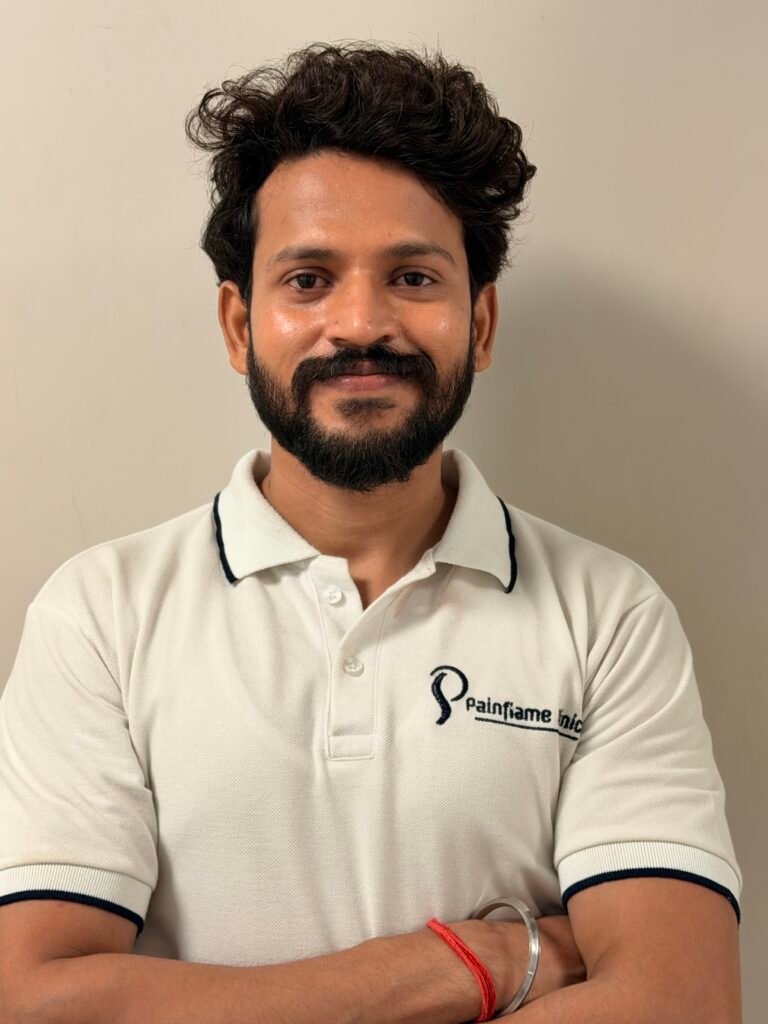
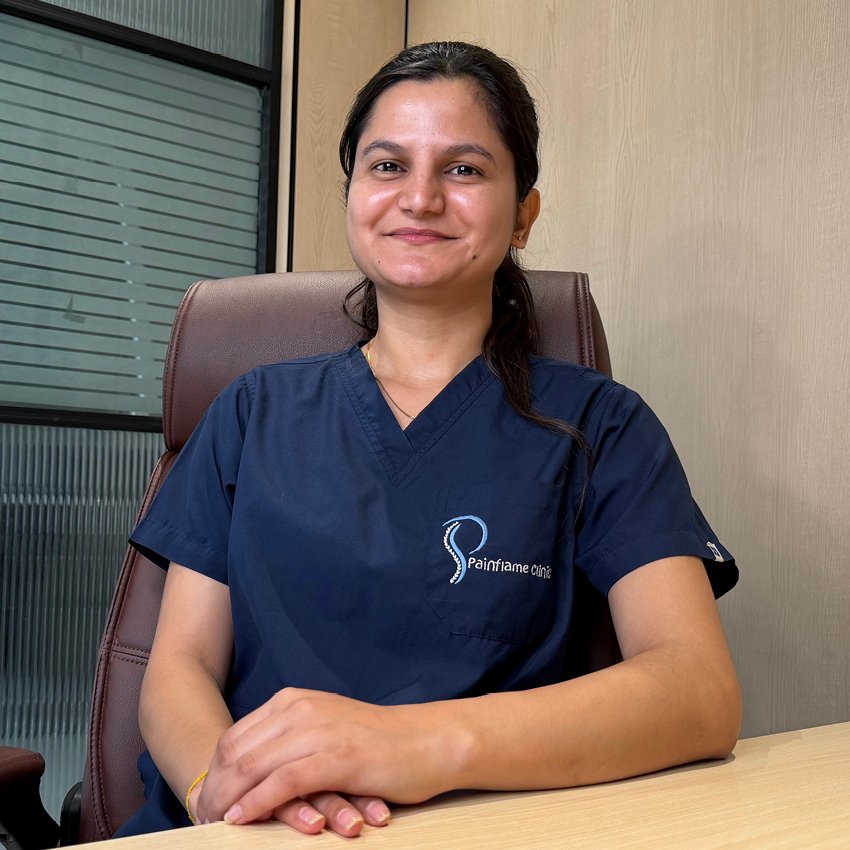
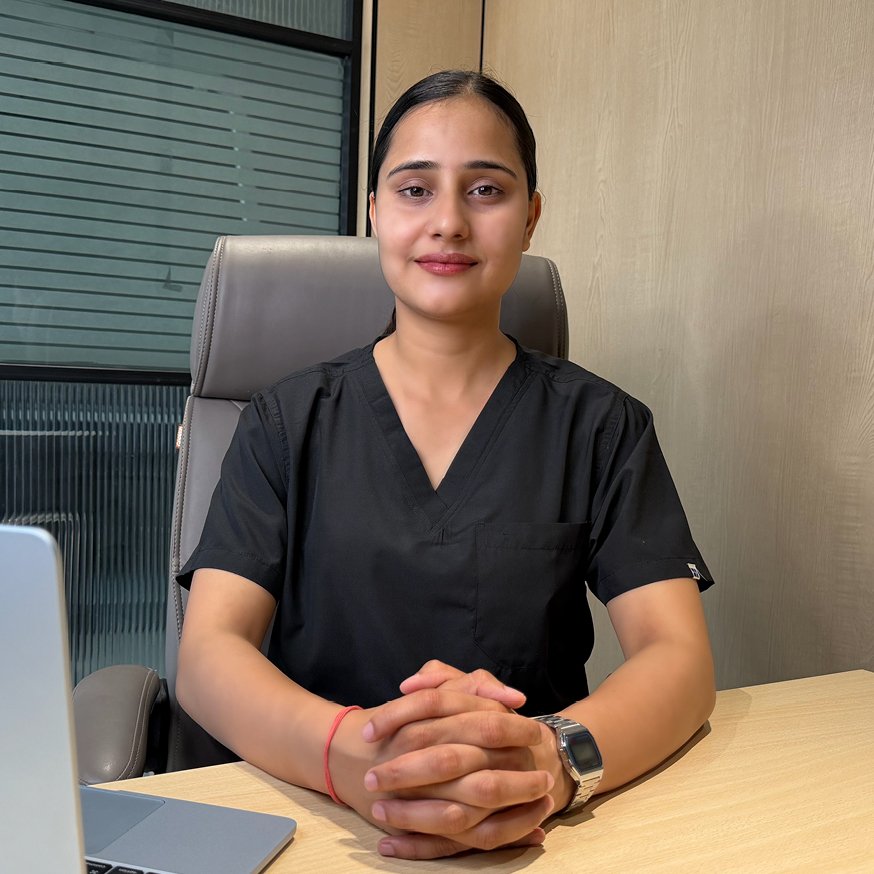
Dr Harish Grover is the founder of the Painflame Clinic alongside a physiotherapy team with focused experience in orthopedic and musculoskeletal care.
Each patient goes through an individualized assessment before treatment begins; your plan is built around your specific diagnosis, activity level, and recovery goals — not a standard protocol applied to everyone with a similar complaint. The clinic handles acute injuries, chronic pain, and post-surgical recovery, with the consistent focus on identifying what’s actually driving the problem rather than just managing the symptom.
You can explore treatment options and book an assessment at www.painflame.com.
When to Act on Pain From a Physiotherapy Perspective
Most people wait too long. A minor disc irritation that responds well to 4–6 weeks of targeted rehab can, if ignored for months, progress to something that requires surgical intervention. Acting early is almost always the better clinical decision — and usually the less expensive one.
If you’ve been managing recurring stiffness or limited range of motion with rest and painkillers, a proper physiotherapy assessment would likely tell you something useful — even if it just confirms that what you’re already doing is moving in the right direction.
Frequently Asked Questions
How much does physiotherapy typically cost in Gurgaon?
Contact Painflame Clinic directly for a quote based on your condition and the number of sessions you’re likely to need.
How long does a treatment plan usually take?
It depends on the condition — postural issues may resolve in 4–6 weeks, while post-surgical rehab can run 3–6 months.
Is physiotherapy only for post-surgical patients?
No — many patients use it for chronic pain or to address ongoing issues before they ever require surgical intervention.
Are there any risks?
Physiotherapy is low-risk when delivered by a qualified clinician, though some temporary soreness after manual therapy or new loading exercises is normal.
What are the alternatives for chronic pain?
Physiotherapy is usually suggested as the first line of treatment before medication, injections or surgery, as it treats the mechanical cause of pain with less risk involved.
Who benefits from physiotherapy?
Anyone dealing with a musculoskeletal or movement-related problem — desk workers with RSI, athletes with overuse injuries, older adults with joint degeneration, or patients rebuilding function after surgery.