
Cervical Pain Treatment
Get lasting relief with non-surgical cervical pain treatment at Painflame Clinic. Expert physiotherapy, chiropractic & spine care in Delhi and Gurgaon.
 6,200+ Reviews Trusted by thousands.
Recommended by experts.

Cervical Pain: Understanding the Spine-Related Side of Neck Pain
Most of the neck pains that people experience tend to be straightforward, showing a bit of stiffness caused by a long day at a desk and easing within one day or at most two. You should be concerned if your discomfort keeps returning and is accompanied by headaches that usually start from the back of the skull. Do you also experience an odd sensation like tingling in the fingers or a wave of dizziness while turning the head? Such symptoms point to a more specific issue lying in the cervical spine. Once you understand the distinction between normal pain and this, the next best step is to find an effective cervical pain treatment in Gurgaon that can address the issue with the help of a targeted approach.
What Cervical Pain Really Means
Though people use the terms “cervical pain” and “neck pain” interchangeably, clinically, these are very different from each other. Cervical pain is more intimately related to the cervical spine itself, i.e., the seven vertebrae, discs, and the joints in the neck, rather than just the surrounding muscles. In the majority of these issues, some structural change in the spine is involved, like a gradual, age-related degeneration of the discs or joints in the neck. This is why a whole different cervical pain treatment approach is required, even though it looks almost the same as muscle pain on the surface.
The Main Causes Behind Cervical Pain
One of the most common causes is Cervical spondylosis, the degeneration of the discs and the facet joints in the neck because of gradual wear-and-tear. As a result, the discs lose their height and hydration, which often leads to the formation of small bone spurs around the joints. In some cases, a disc herniation accompanies this process, which presses the nearby nerve roots. Another major contributor is facet joint arthritis that impacts the small stabilising joints situated between vertebrae. Degenerative changes are often accelerated by neck injuries like whiplash. How early and how significantly the cervical spine can degenerate also depends on the genetics of the individuals.
How Cervical Pain Differs From a Simple Stiff Neck
If there is a simple muscular stiff neck, which is most commonly caused by an awkward night’s sleep, it stays localized and feels more tight, not sharp. In the majority of cases, it resolves within a few days without requiring any treatment. Cervical pain, on the other hand, persists and may last for several weeks, not just days. In addition, it comes with accompanying symptoms, often the ones that have nothing to do with the neck, at first glance, like headaches, dizziness, and a strange heaviness in the arms. It happens because the structures that are involved in cervical spondylosis, along with the facet joints and the nerves exiting the spine, share the neurological pathways with our upper body.
Symptoms That Often Go Unrecognised
There are some other symptoms that one must look for beyond the obvious neck stiffness and common pain. Headaches that originate from the base of the skull, popularly known as cervicogenic headaches, occur because of the irritated facet joints and the tight neck muscles. Some people might experience a subtle sense of unsteadiness or even blurred vision, especially when they turn their heads suddenly.
Numbness, tingling, and weakness that radiate into the arm, shoulder, or hand are a pattern known as cervical radiculopathy, which happens when the degeneration affects the nerve roots directly. Though it is less common but pretty serious when degeneration narrows the space around the spinal cord, which causes clumsiness in people’s hands or some changes in balance as they walk.
Who Is Most Likely to Develop Cervical Pain
Those who are involved in occupations demanding long hours of sitting and watching downward-angled screens are more likely to have it because such a posture for extended periods accelerates the wear on the cervical spine. People with a history of whiplash or other neck trauma may also start showing early disc degeneration as compared to others. Smoking is another major factor, as it limits the blood flow to the spinal tissues. Last but not least, such issues become more common in people as they age, especially those who are past mid-forties.
Some Warning Signs That Must Be Addressed Promptly
In many cases, it has been found that cervical pain that is accompanied by headaches or even occasional tingling responds pretty well to regular physiotherapy treatments without requiring any urgent care. But there is a small number of symptoms that suggest the spinal cord has been affected rather than just a nerve root. If this is the case, one should not delay evaluation and treatment. Some of the most common symptoms of this condition include:
- Difficulty with fine hand movements, such as buttoning a shirt, or increased clumsiness
- A noticeable change in walking balance or gait
- Weakness that has affected both arms or both legs
- Loss of bowel or bladder control
Though these signs are pretty uncommon, one must be able to recognise them in early stages because people can benefit a lot from early evaluation and effective treatments.
The Diagnosis
Here, diagnosis begins with a detailed look into the history that covers everything from neck pain to accompanying symptoms like headaches, dizziness, or even radiating sensations. After this stage, there are physical examinations that assess the range of motion of the neck, reflexes, and nerve function in the arms as well as hands. Since structural change is involved in this process, advanced imaging plays a role to help experts assess joint and disc changes along with the impact of these changes on nerves or the spinal cord.
The Physiotherapy Approach to Cervical Pain
Physiotherapy-based treatment for cervical pain works best because it effectively relieves pressure on affected joints and nerves while also addressing the postural and movement patterns that might accelerate degeneration. When the muscles have become stiff and overworked, manual therapy loosens them. Nerve mobilization techniques work in easing the radiating symptoms if nerve roots are involved. Postural correction plays a very important role here, as it helps people get rid of their poor posture that might place uneven pressure on the degenerating spine. Upper back muscles and deep neck flexors are strengthened with the help of the right exercises.
A Detailed Look at Cervical Pain Treatment at Painflame
We go beyond the surface-level symptoms and assess the condition deeply while addressing everything from headaches, dizziness, arm-related symptoms, and others. All of this is done to get a full picture of the issue rather than relying only on the local discomfort. Once things are clear, the treatment is designed to blend numerous elements. The chiropractic adjustments take care of realigning the cervical spine and also reducing the mechanical stress that is placed on the affected joints. Myofascial release techniques, along with manual therapy, focus on the deep tissue tension that builds around the degenerating joints and enhances local blood flow. This reduces the local muscular guarding that worsens the cervical pain in most cases.
If the problem has advanced further, the cervical spondylosis treatment programme offers an even more structured and condition-specific plan. What makes the treatment so effective is the way we incorporate posture correction and ergonomic guidance throughout the treatment. In case someone faces more issues in visiting the clinic, they don’t need to locate the best cervical pain treatment clinic near me because our home physiotherapy services will take care of their issues right in their homes.
What to Expect During Cervical Pain Recovery
Cervical pain is generally caused by underlying degenerative processes, which is why the treatment focuses on reducing the symptoms to ensure relief and restoring function. As a result of this balanced approach, patients start noticing meaningful improvement in neck mobility, headache frequency, and pain just within four to six weeks of consistent treatment. The cases in which nerve roots are involved take more time to treat. The right plan in such cases is ongoing maintenance, rather than just a fixed endpoint, because the underlying changes are present even when the symptoms come under control.
Preventing Cervical Pain From Recurring
At a fundamental level, cervical pain is closely linked with cumulative postural strain, so prevention must focus on protecting the neck through daily habits. Try to keep the screen at eye level and keep on taking regular breaks during prolonged sitting hours in order to reduce forward-head strain that might accelerate degeneration. Always sleep with proper neck support and don’t cradle the phone between your ear and shoulder. Throughout the day, one should remain active in order to avoid this condition from worsening.
Frequently Asked Questions
Is cervical pain and cervical spondylosis the same thing?
Not accurately. Cervical pain is a broader symptom produced by some structural issue. Cervical spondylosis, on the other hand, is the most common underlying cause of this pain. Just keep in mind that one may experience pain as a result of some other cause as well.
Why is my neck pain mostly accompanied by headache and dizziness?
When there are degenerative changes in the cervical spine, they can easily irritate the nerve pathways that are shared with the head and produce headaches. These changes can also affect balance-related signals, which may cause dizziness.
Will the structural change that causes cervical pain continue no matter what I do?
The degenerative process continues because it is a part of aging. But we offer consistent posture correction to compensate for that and strengthen the required areas significantly so that you can easily manage the symptoms for years to come.
Is it possible for cervical pain to affect my arms?
Yes. When the particular nerve root that extends to your arm is pressed at the exit from the cervical spine, it can cause numbness, tingling, or even weakness in the hand.
How can I prevent cervical pain from returning?
To prevent cervical pain:
Maintain good posture during work and daily activities
Strengthen neck and upper back muscles with regular exercises
Use ergonomic chairs and neck supports
Limit prolonged screen time and take breaks
Sleep in a proper position with a supportive pillow
Patient Feedback & Success Stories
Treatments
Our Services
Our doctors
Meet more Painflame specialists




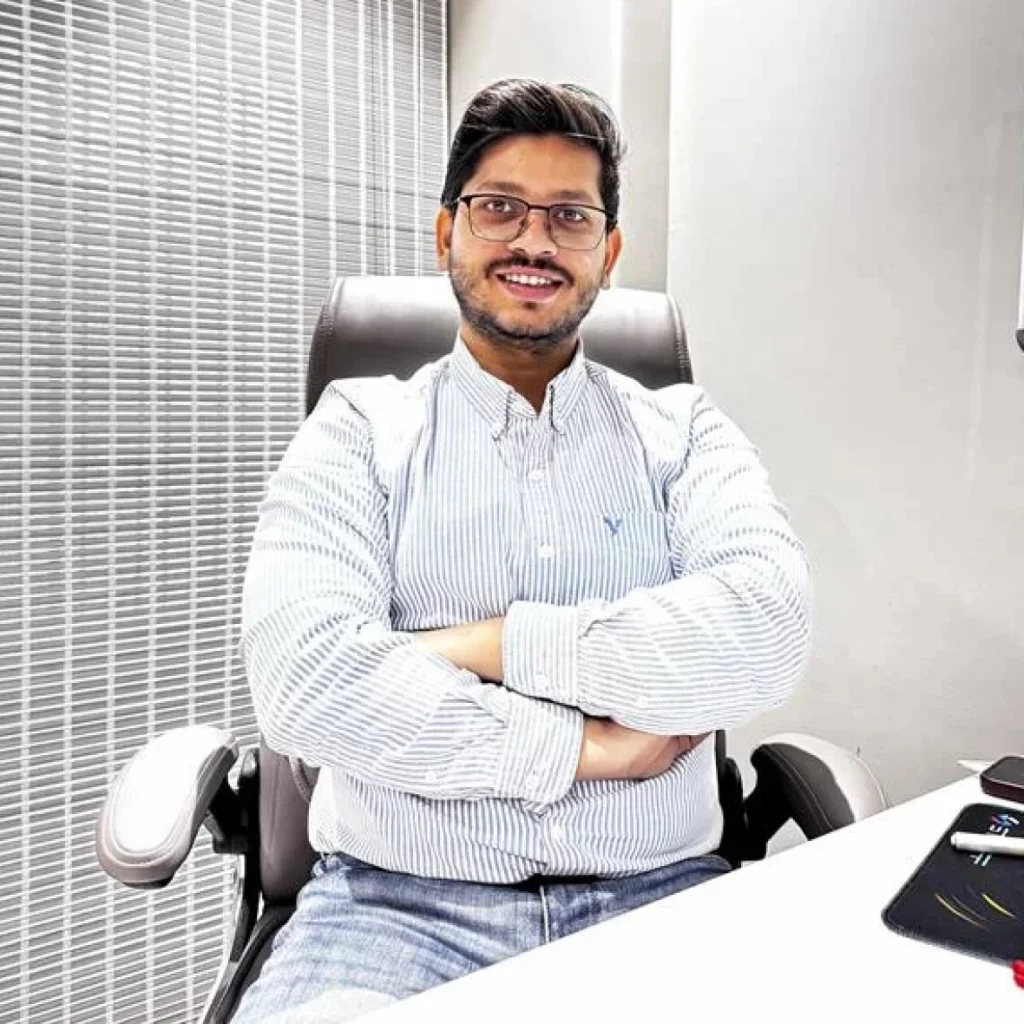

Dr. Divakar Kumar
Sports Rehabilitation, Sports Injury Management, Musculoskeletal Rehabilitation, Performance Enhancement, Strength & Conditioning
Book Appointment

Dr. Jaya Sharma
Pilates Expert | Musculoskeletal Rehabilitation, Sports & Pelvic Floor Specialist
Book Appointment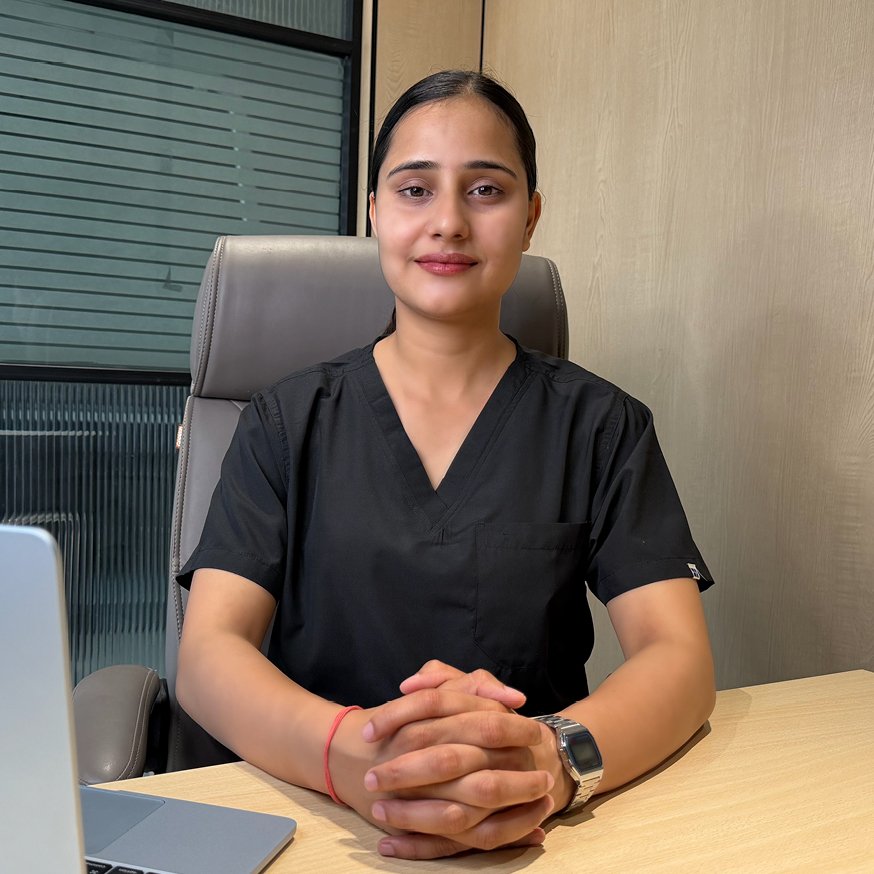
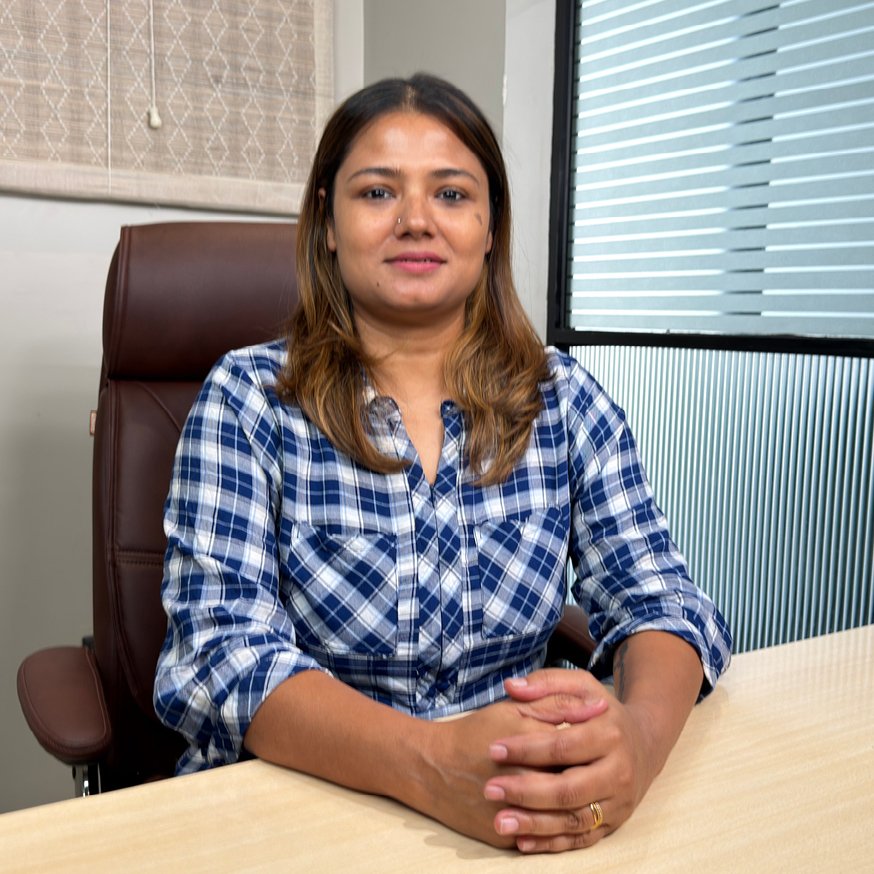
Dr. Priyanka Bhuyan
Tailbone (Coccyx) Treatment, Chiropractic Care, Spine & Joint Rehabilitation
Book Appointment
Dr. Saksham Kapoor
Sports Physiotherapy, Musculoskeletal Rehabilitation, Pain Management, Injury Prevention & Recovery
Book AppointmentLatest Blogs
Neck Stiffness: कारण और 5 मिनट की एक्सरसाइज से राहत
गर्दन की अकड़न (Neck Stiffness): कारण और 5 मिनट की एक्सरसाइज से राहत क्या सुबह उठते…
Read More
Navel Displacement: लक्षण, पहचान और उपचार
क्या आपको अक्सर पेट में अनजान दर्द रहता है? क्या खाने के बाद ब्लोटिंग, गैस या…
Read MoreCore Strengthening Exercise जो कमर दर्द को जड़ से खत्म करे
क्या लंबे समय बैठने के बाद कमर दर्द होने लगता है? क्या सुबह उठते ही पीठ…
Read More