

Herniated Disc Treatment
Advanced herniated disc treatment with Painflame Clinic. Our skilled spinal physiotherapy experts use manual therapy and non-surgical rehabilitation to help relieve discomfort and improve mobility.
 6,200+ Reviews Trusted by thousands.
Recommended by experts.
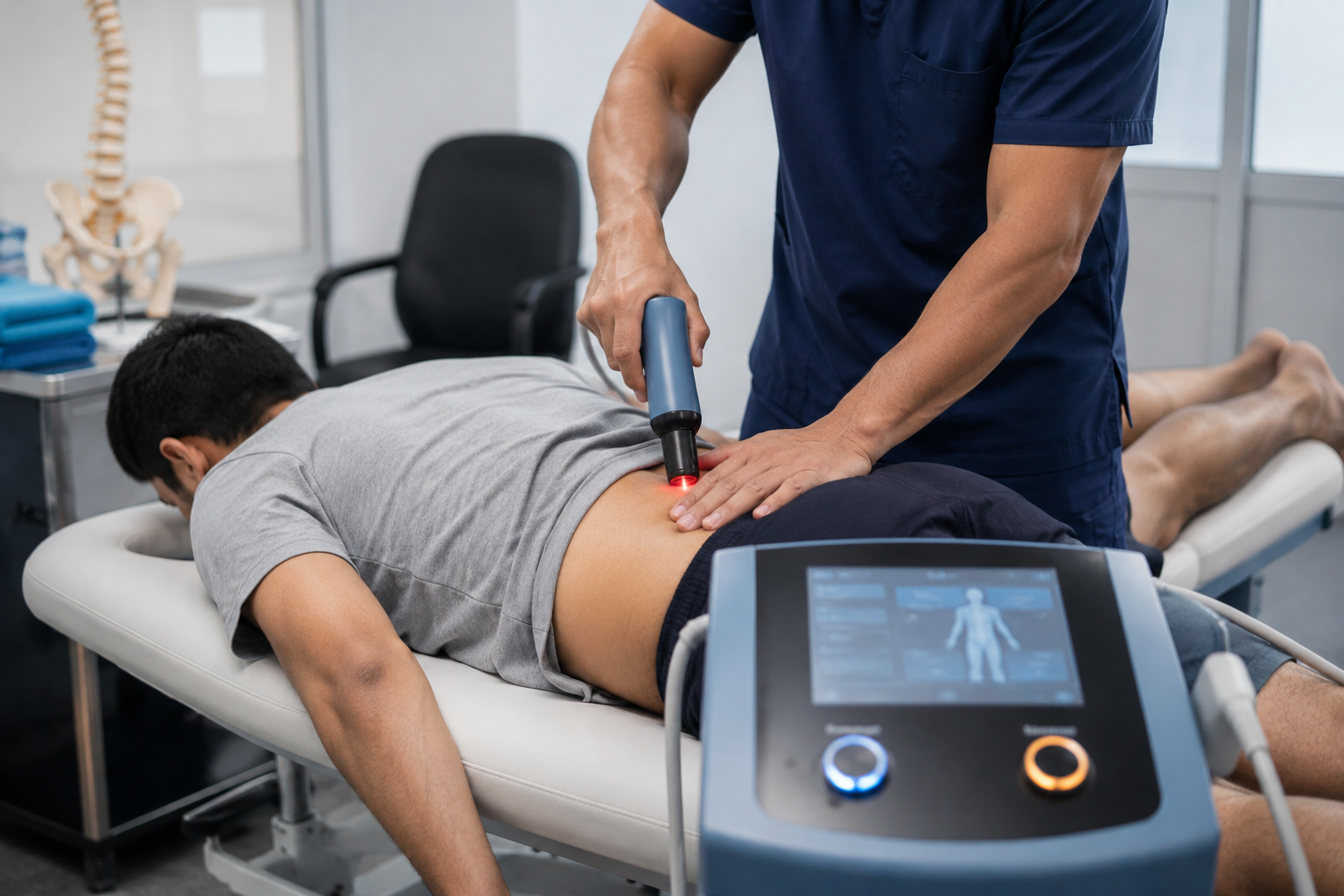
Advanced Herniated Disc Treatment
If you’re struggling with back pain and sciatica, numbness, or tingling, there is no need to immediately undergo surgery. At Painflame Clinic, we provide high-quality, non-surgical herniated disc treatment. Our specialised physiotherapy and spinal rehabilitation programmes are created to alleviate nerve compression, strengthen your core, and help you get back to pain-free living naturally.
What is a Herniated Disc?
The spine is composed of a set of bones (vertebrae) that are on top of one another. They are cushioned by rubber discs called intervertebral discs. They function as natural shock absorbers, permitting the spine to bend, turn, and move comfortably. Each disc features a sturdy outer ring known as the annulus fibrosus and the soft, jelly-like middle known as the nucleus pulposus.
A herniated disc (often called a ruptured or slipped disc) occurs when a tear in the outer ring lets the inner gel (nucleus pulposus) push outward.
If this material leaks into the spinal canal, it will press against the nearby spinal nerves. Pressure causes inflammation and sharp pain, as well as a feeling of numbness or weakness, which may extend down your arms or legs.
Why Early Treatment Matters
Inattention to the symptoms of a herniated disc can cause a worsening of muscular weakness and nerve irritation and chronic mobility issues. Early, targeted physical therapy can relieve the pressure on nerves before injury occurs, dramatically reducing the need for surgical intervention for a spinal problem.
Common Causes of a Herniated Disc
Herniated discs rarely occur overnight. It’s usually the result of wear and tear over time or an unexpected physical stress. Recognising the causes of disc rupture could assist you in making healthier lifestyle decisions and avoiding injury in the future.
- Age-related disc degeneration: As you get older and your discs degenerate, they naturally undergo dehydration and degeneration. These discs become less flexible and more fragile and more prone to tears or fracturing, even in the smallest movement.
- A sedentary lifestyle and poor posture: The hours you spend slouching over at a desk can weaken the glute and core muscles. It also puts all your total body weight directly on the lumbar spine. This increases the likelihood of bulging discs.
- Sudden Trauma, or Sports-related injuries: A hard fall, a car crash, or a sudden and awkward twisting movement during sports that are high-impact could put a sudden, massive force onto the spine and cause discs to tear.
- Obesity: The excess weight of the body, especially in the abdominal region, places continuous structural stress upon the lower back, which accelerates the process of wearing down discs.
Symptoms of a Herniated Disc
Some people may be suffering from a herniated disc, but do not realise it. Many suffer from distinct symptoms based on the location of the damaged disc within the back (typically the neck or lower back).
- Sharp, shooting pain (Sciatica): If the herniation occurs in your lower back, you might feel an intense, burning or electric shock-like pain. It may radiate into your buttocks, down your thigh and over the knee to the calf area or your foot.
- Tingling and Numbness: It is a “pins and needles” sensation that runs along exactly the path of the compressed nerve. It is typically felt in the hands and fingers and the legs and feet.
- Muscle Weakness: Affected nerves control muscle movement. If these nerves get pinched, the muscles they control could weaken. This can cause the person to fall, have difficulty lifting their foot (foot drop) or struggle with holding and lifting things.
- The pain can worsen when you cough, sit or sneeze: The activities that create pressure within your abdomen or spinal column can force the disc material even further towards the nerve and cause an abrupt increase in pain.
- Stiffness and Reduction in Range of Motion: A challenge in bending forward, standing straight and shifting your head side to side.
When Should You Seek Treatment?
It is recommended to consult with a physiotherapist at the Painflame Clinic the moment back or neck pain starts radiating along nerve pathways (dermatomes) or doesn’t improve after a couple of days off.
Red Flag Symptoms (Seek Emergency Medical Care Immediately)
See an emergency room right away if you suffer from:
- The loss of bowel and bladder Control: Difficulty urinating or emptying your bladder or loss of control over your bowels (signs from Cauda Equina Syndrome).
- Saddle Anaesthesia: Progressive loss of sensation or numbness in those areas which meet the saddle (inner legs, groin, behind the legs and buttocks).
- The problem is rapidly getting worse: Inability to raise your feet, walk or even hold things.
Diagnosis of a Herniated Disc
At Painflame Clinic, our focus isn’t on treating the symptoms, we also identify the exact root of the pain. Comprehensive diagnostics ensure that the treatment program is customized specifically to your spinal shape.
- Comprehensive Physical and Neurological Evaluation: We evaluate your level of pain, your reflexes, muscles strength and responses to identify the exact spinal nerve that is in a state of compression.
- The posture and alignment of the spine Analyse: We look at how you sit, stand and move in order to find muscular weaknesses, imbalances or joint stiffness which could contribute to the disc injury.
- Mobility and Orthopaedic Testing of Range of Motion: Tests for specific movements like the Straight Leg Raise (SLR) test, can help us test nerve sensitivity and assess the degree of the herniation.
- Image Review (X-ray and MRI): While X-rays can help identify joint degeneration or bone fractures, we use Magnetic Resonance Imaging (MRI) scans to clearly see the soft tissues while mapping out the exact dimensions, orientation, and extent of disc herniation.
Herniated Disc Treatment at Painflame Clinic
We are specialists in advanced non-surgical treatment for herniated discs that is specifically designed to alleviate discomfort, decrease nerve inflammation and restore normal mobility. Our multidisciplinary approach is focused on immediate relief from pain and longer-term spine health.
Physiotherapy for Herniated Disc
Physical therapy is one of the most important aspects for non-surgical rehabilitation. The physiotherapists at our clinic design custom exercises that allow you to safely let more space into your spine. They take the stress off the compressed nerves. The therapy reduces the muscle guarding, increases circulation of blood to aid in the healing process of your tissues and increases the confidence you have in your movement.
Manual Therapy
Our specialists in clinical practice employ hands-on, specific methods of mobilizing soft tissue and joints. Through gentle manipulation of joints that surround the herniated disc aid in the reduction of the muscle spasms in a specific area, increase the alignment of the spine, and ease tension on the compressed nerve root.
Electrotherapy & Advanced Modalities
For the treatment of severe, acute discomfort and speed up recovery process, we employ modern pain relief techniques, which include:
- TENS (Transcutaneous Electrical Nerve Stimulation): Blocks pain signals the brain.
- Ultrasound Therapy: It uses high-frequency sound waves to create deep tissue heating to loosen tight muscle fibers, and increase the flow of blood to your local area.
- Laser Therapy: It stimulates cell repair, and reduces nerve inflammation.
Progressive Spinal Rehabilitation Exercises
After your pain has been taken care of, we’ll assist you in completing a step-by -step treatment programme. It focuses on
- Core Stabilization: Exercises designed to strengthen the muscles supporting the spine, reducing pressure on the inflamed nerve.
- Flexibility and mobility exercises: Safely stretching tight hip flexors, hamstrings and lower back muscles, in order to decrease the pull forces that are exerted on your spine and pelvis.
- deep core strengthening: Making a stronger “natural corset” around your spine by using your abdominal and back muscles that protects your discs from injury in the future.
Ergonomic & Posture Correction
Rehabilitating your spine involves making changes to the behaviors that led to the injury in the first instance. Our team will analyze your day-to-day routine, and offer practical customized advice regarding desk layouts and driving postures, sleeping position, and proper lifting methods to make sure your spine stays protected and secure.
How to Prevent a Herniated Disc
Keeping your spine healthy requires daily, proactive habits. Utilize these easy, efficient strategies to avoid disc herniation and ensure the long-term health of your spine:
- Always Lift With Your Legs
- Maintain an active posture
- Enhance Your Core and Glutes
- Keep hydrated
- Make sure you sleep on a firm mattress
Frequently Asked Questions
What's the most effective treatment for a disc herniation?
The combination of specially-designed treatment methods such as manual therapy, physiotherapy and core stabilization, is extremely successful. Nearly 90% of patients get a long-lasting recovery from specific physical rehabilitation without having surgery.
Does physiotherapy aid in an injured disc?
Yes. Physical therapy employs specific exercises for decompression such as manual traction, strengthening exercises to relieve the stress on your pinched nerve, lessen swelling, and restore motion that is pain-free.
How long will disc herniation recuperation will it take?
The mild to moderately affected patients typically have significant improvements in the first 4 to 6 weeks of regular physiotherapy. Chronic or acute hernias may take up to 3 months or more to heal completely.
Does a herniated disc heal with surgical intervention?
Yes. The body breaks down and absorbs the damaged disc material with time in a process known as resorption. The physiotherapy process speeds up this healing process by keeping the spine in good shape and in a straight position.
Are herniated discs related to sciatica?
Yes. If a disc ruptures in the lower back area, it often presses on the sciatic nerve. Direct compression causes sharp pains, tingling and numbness in your foot and leg.
Patient Feedback & Success Stories
Treatments
Our Services
Our doctors
Meet more Painflame specialists




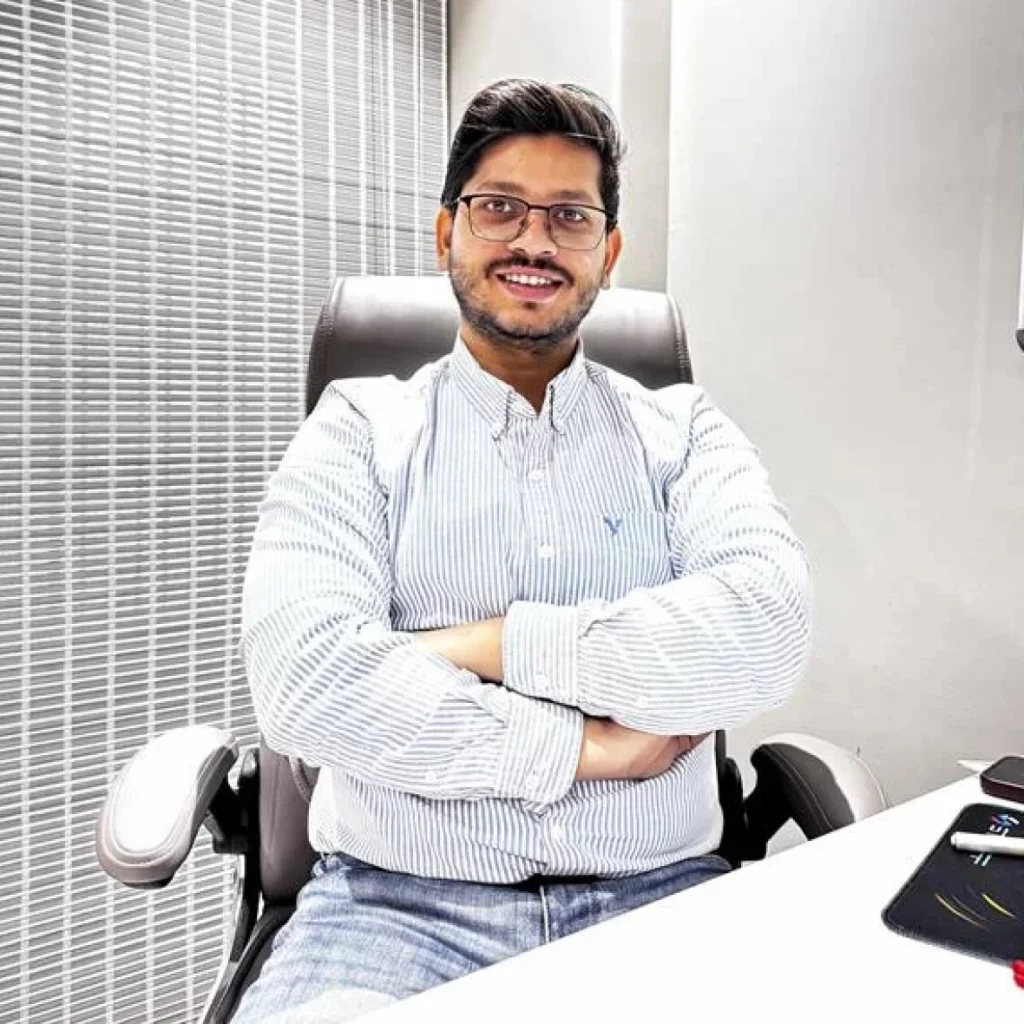

Dr. Divakar Kumar
Sports Rehabilitation, Sports Injury Management, Musculoskeletal Rehabilitation, Performance Enhancement, Strength & Conditioning
Book Appointment
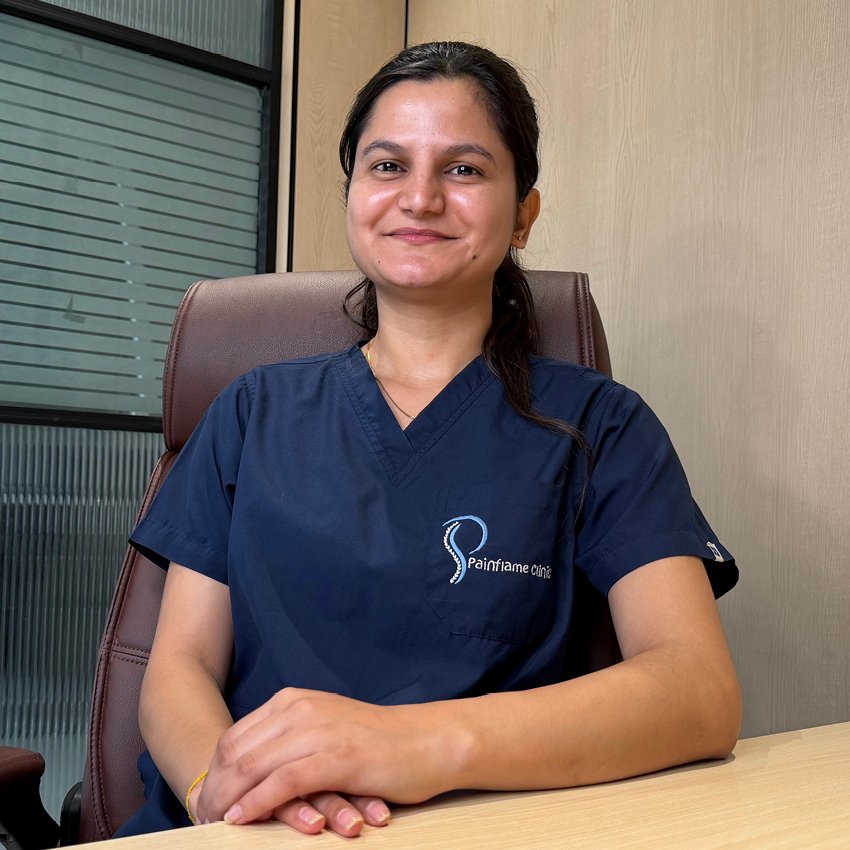
Dr. Jaya Sharma
Pilates Expert | Musculoskeletal Rehabilitation, Sports & Pelvic Floor Specialist
Book Appointment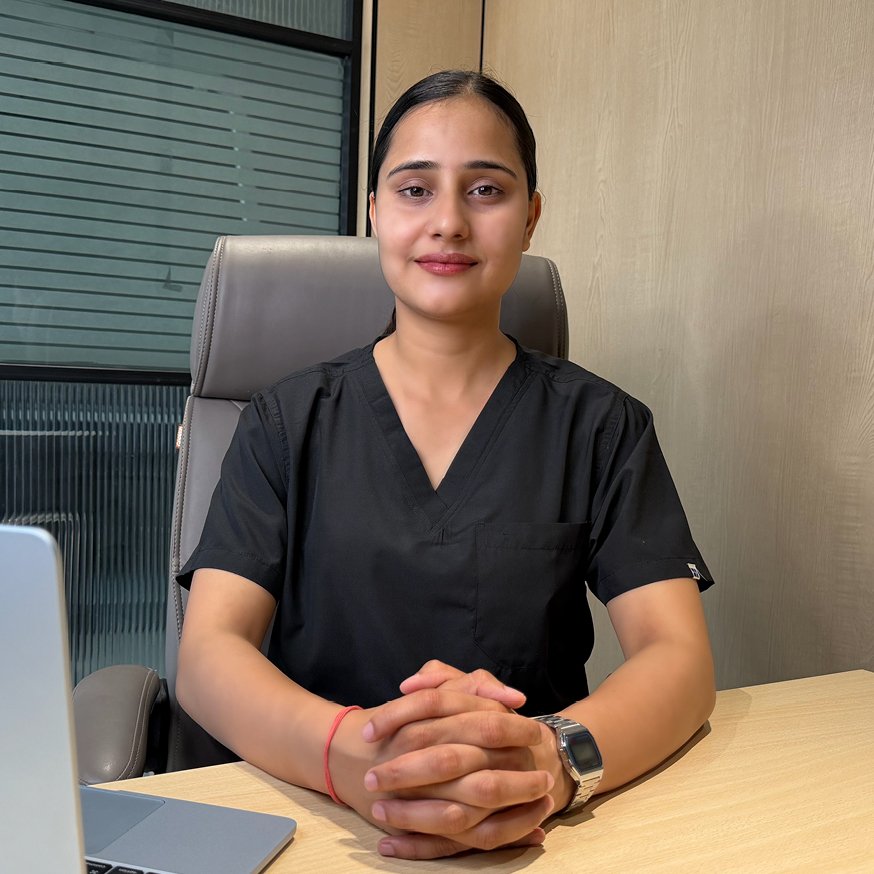
Dr. Priyanka Bhuyan
Tailbone (Coccyx) Treatment, Chiropractic Care, Spine & Joint Rehabilitation
Book Appointment
Dr. Saksham Kapoor
Sports Physiotherapy, Musculoskeletal Rehabilitation, Pain Management, Injury Prevention & Recovery
Book AppointmentLatest Blogs
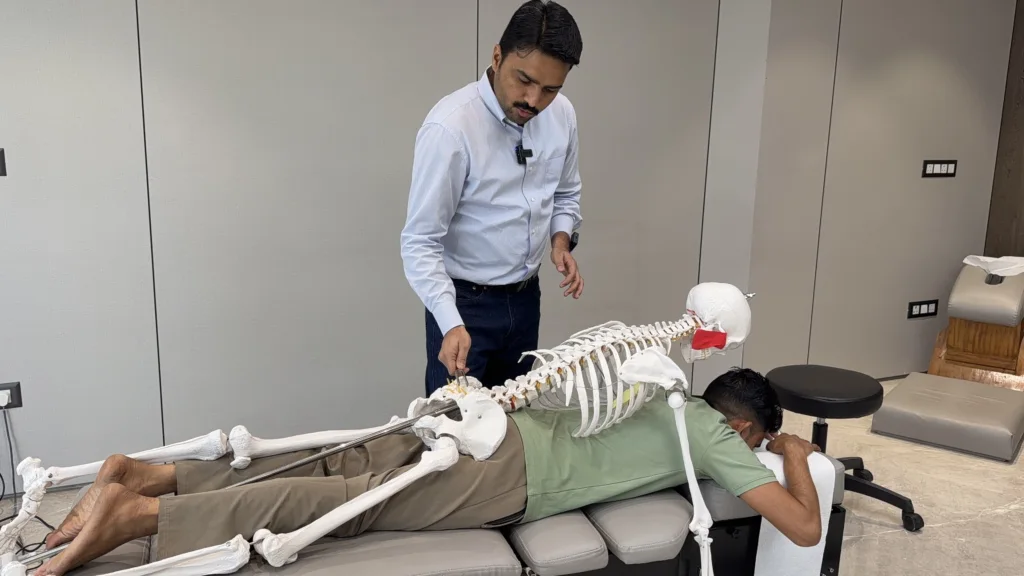
Chronic Pain? What Physiotherapy in Gurgaon Can Actually Do
If you’re in Gurgaon and dealing with neck stiffness, lower back pain, or recovering from a…
Read More
Why Ignoring a ‘Minor’ Sports Injury Today Leads to Chronic Joint Issues Tomorrow
Pain-free doesn’t mean healed. Structural weakness, joint instability, and micro-tears in connective tissue often persist well…
Read More
Tired of Back Pain? Here’s What Your Spine Is Actually Trying to Tell You
Most lower back pain comes down to daily habits — long hours hunched at a desk,…
Read More