
Lordosis Treatment
Get expert Lordosis treatment at Painflame Clinic: the most advanced physiotherapy and spine rehabilitation, and non-surgical postural alignment and mobility.
 6,200+ Reviews Trusted by thousands.
Recommended by experts.
Lordosis Treatment
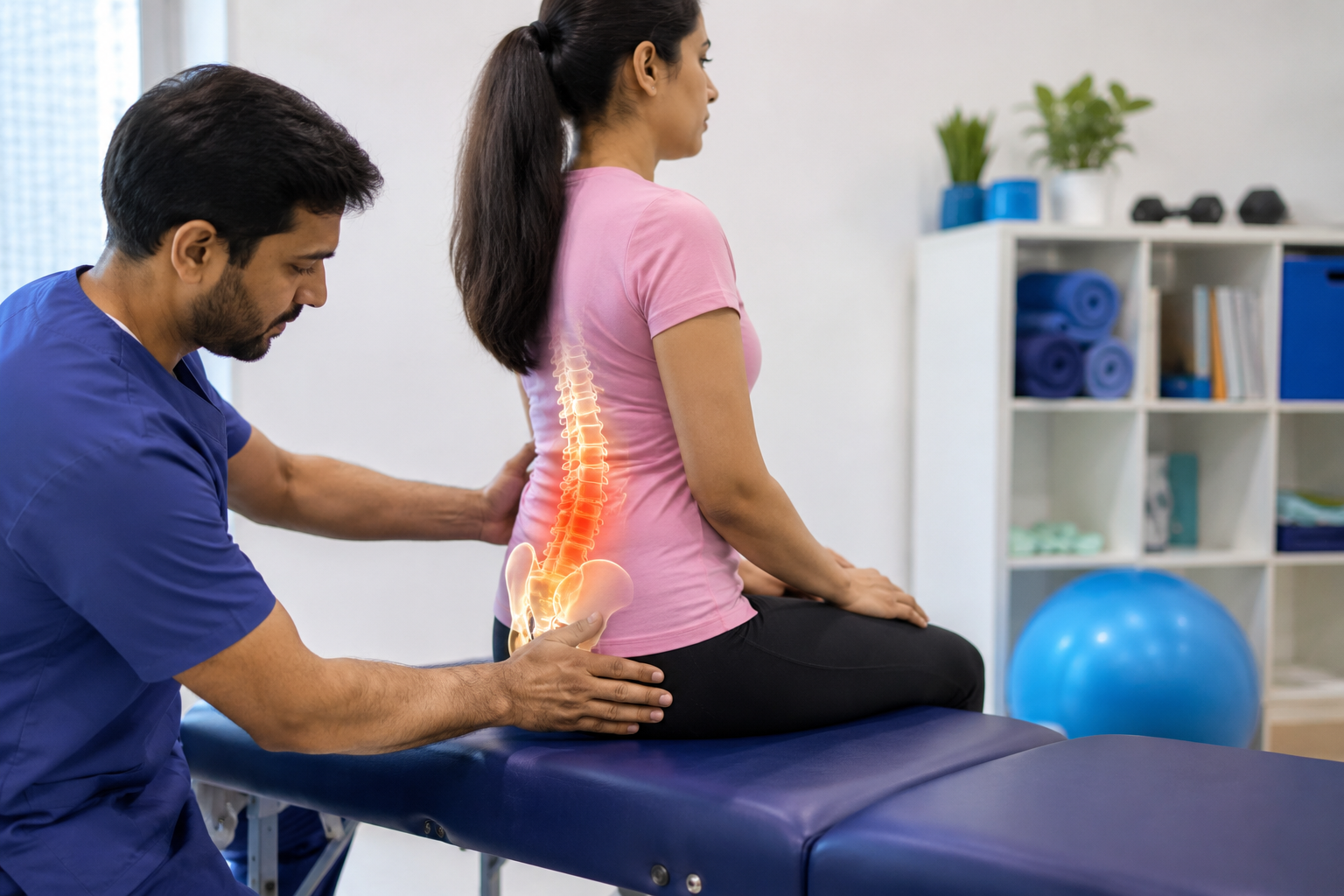
You can get advanced, non-surgical treatments for lordosis at Painflame Clinic. The expert physiotherapy we provide and our specific programs help you recover from spinal injuries, reduce back strain, address alignment issues, and help improve the health of your spine naturally.
What is Lordosis?
Your spine curves naturally to help absorb tension, stabilise your head and keep your body balanced. Lordosis occurs when your spine has an exaggerated inward curve, typically at the back of your lower back (lumbar lordosis), or it can even affect the cervical region (cervical lordosis). A gentle curve can be good for health; an extreme and exaggerated curve can be known as “swayback.”
If this curve becomes excessively deep, it can tilt the pelvis forward and cause the abdomen to protrude even when you’re healthy and fit. The imbalance causes uneven pressure on your spine, discs, ligaments, and muscles of the back. As time passes, letting the issue go unaddressed can lead to muscular stiffness, muscle fatigue and discomfort when doing everyday activities like working at a desk or prolonged standing. Finding help in the early stages with physical therapy is essential to avoid long-term wear of the disc and nerve compression.
Common Causes of Lordosis
An exaggerated spine curve seldom occurs out of thin air. Most commonly it is caused by muscular imbalances, structural changes and how you spend your day. Most often the causes are:
- Poor Posture: Working for long periods of time with a sagging lower back can weaken your hips and core as they pull your pelvis out of its alignment.
- Obesity: The extra weight you carry around your stomach pulls the lumbar spine forward, forcing your lower back to arch your back deeply in order so that you stay balanced.
- Spondylolisthesis: An injury to the spinal column in which one vertebra slides forward over one that is below it, thereby altering the form of the lower part of your spine.
- Osteoporosis: The weakening of bones could result in the vertebrae compressing and altering the structure of the spinal column.
- Muscle imbalances: Hip flexors that are tight with glutes and abs that are weak cause the anterior tilt of the pelvis that forces the lower body into a swayback.
- Living a Sedentary Style: A lack of regular physical activity can weaken the deep muscles that support your spine and make it difficult to keep your body in the correct posture.
Symptoms of Lordosis
Symptoms of Lordosis depend on the severity of the curve. For some people, it’s only a change of appearance; for others, it’s bodily discomfort. The most prevalent symptoms are:
- The Visible Postural Gap: There is a noticeable gap between your surface and your lower back when you lie entirely flat on a firm floor.
- Prominent stomach and buttocks: The upward tilt of your pelvis pushes your stomach forward and causes your buttocks to appear more prominent.
- Lower back pain and stiffness: A constant stiffness and ache in the lower back area due to straining the muscles.
- Reduced Mobility: Feeling stiff or limited when you bend forwards, twist, or simply go through your routine.
- Muscle Fatigue: The muscles in your back have to put in twice as many hours in order to maintain your balance, which causes them to wear out faster when you stand or walk.
- Radiating Pain or Numbness: In severe cases, the tight curve can pinch close to nerves, causing painful shooting or tingling sensations in the buttocks and thighs.
When Should You Seek Treatment?
Not every curve needs immediate medical attention. However, your spine may be asking for medical attention when you see any of these symptoms:
- The curve of your lower back is firm and isn’t flexible as you bend forward and reach your toes.
- There is a constant, painful back pain that doesn’t ease by resting or stretching gently.
- There is a feeling of numbness, tingling or “pins and needles” sensation running across your legs.
- The muscle stiffness can impede walking, exercise, or your daily tasks.
- It is possible to see your posture improving, leading to discomfort in your neck or in your mid-back.
Diagnosis of Lordosis at Painflame Clinic
To fix the issue in the first place, it’s important to be able to pinpoint the exact cause of the issue. We at Painflame Clinic, we use an easy and thorough evaluation method:
- Physical assessment: We check more closely at the shape of your spine, balance and how your body moves as you walk and stand.
- Posture Analysis: Check for anterior pelvic tilt, weak points, and how your body adjusts to the curvature.
- Tests for Flexibility and Mobility: We measure the flexibility of your spine and look for tight hamstrings as well as hip flexors.
- Orthopaedic and Neurological tests: We check your neuromuscular reflexes, nerve function and strength of muscles to make sure that your nerves are in good health.
- Digital X-rays: This allows us to get the ability to see clearly through bones, allowing us to gauge precisely the angles of the curve, and to rule out structural issues.
- MRI scan: We use these when we believe that an injured nerve, disc problem, or soft tissue damaged that is creating the discomfort.
Lordosis Treatment at Painflame Clinic
We concentrate on non-surgical and known treatments to rebalance your spine, reduce muscle tension and create energised, well-balanced muscles.
Physiotherapy for Lordosis
The physiotherapy component is at the heart of our therapy. The therapists at our clinic create customised plans to pinpoint the exact muscles that are causing the back sway, assisting you in getting a long-lasting correction instead of an immediate solution.
Manual Therapy
Our experts employ hands-on methods, including joint mobilisation as well as deep massaging techniques. It helps to loosen stiff spinal joints, loosen the muscles of your lower back that are tight, and allow for a more fluid movement of the pelvis.
Electrotherapy
For pain relief in the local area, we employ advanced techniques such as ultrasound therapy, TENS and laser therapy. The treatments help ease muscle spasms and inflammation, ease tension and aid in helping you heal your tissues faster.
Rehabilitation Exercises
A stable spine requires strong, balanced muscles. Our instructors will guide you through specific stabilisers for your core, glute strength, as well as hip flexor stretch to assist in pulling your pelvis back to its normal, neutral posture.
Ergonomic & Posture Correction
It is not over when you leave our clinic. We will review your everyday routine and offer useful advice regarding office ergonomics and better sitting positions, as well as proper lifting techniques for your spine to keep it protected throughout the day.
How to Prevent Lordosis
- Maintain a healthy weight
- Sit in a Supportive Position
- Make sure you take breaks for movement
- Strengthen your core and glutes
- Stretch regularly
- Find the appropriate footwear
Frequently Asked Questions
What's the best way to treat the condition known as Lordosis?
The most effective treatment is to combine focused physiotherapy, core exercises, manual therapy, and the practice of posture. This mix helps to correct the cause of tension in joints and muscles for a natural spine alignment.
Do physiotherapy and Lordosis treatments help?
Yes, physiotherapy can be efficient. Physical therapists will teach you exercises you can do to release muscles that are tight (like the hip flexors) and build up weak muscles (like the glutes and your abdominal muscles) to get your pelvis back to its proper alignment.
What is the time frame for Lordosis healing?
The severity of the curve is determined by how long the incline is and also how long you've been suffering from the problem. The majority of people notice improvements in their flexibility, posture, and pain levels after between 6 and 12 weeks of regular physical therapy.
What is the cause of lordosis in the absence of an accident?
If there's no trauma, the Lordosis usually results from long hours of sitting, a slow-moving lifestyle, rapid weight increase and weak abdominal muscles or the tightness of hip muscles.
Are Lordosis and arthritis related?
The condition can develop over time. Although lordosis is initially an issue with posture, the uneven stress it causes on your spine can cause more wear and tear on the joints. This could raise the chance of developing osteoarthritis in the future.
Patient Feedback & Success Stories
Treatments
Our Services
Our doctors
Meet more Painflame specialists
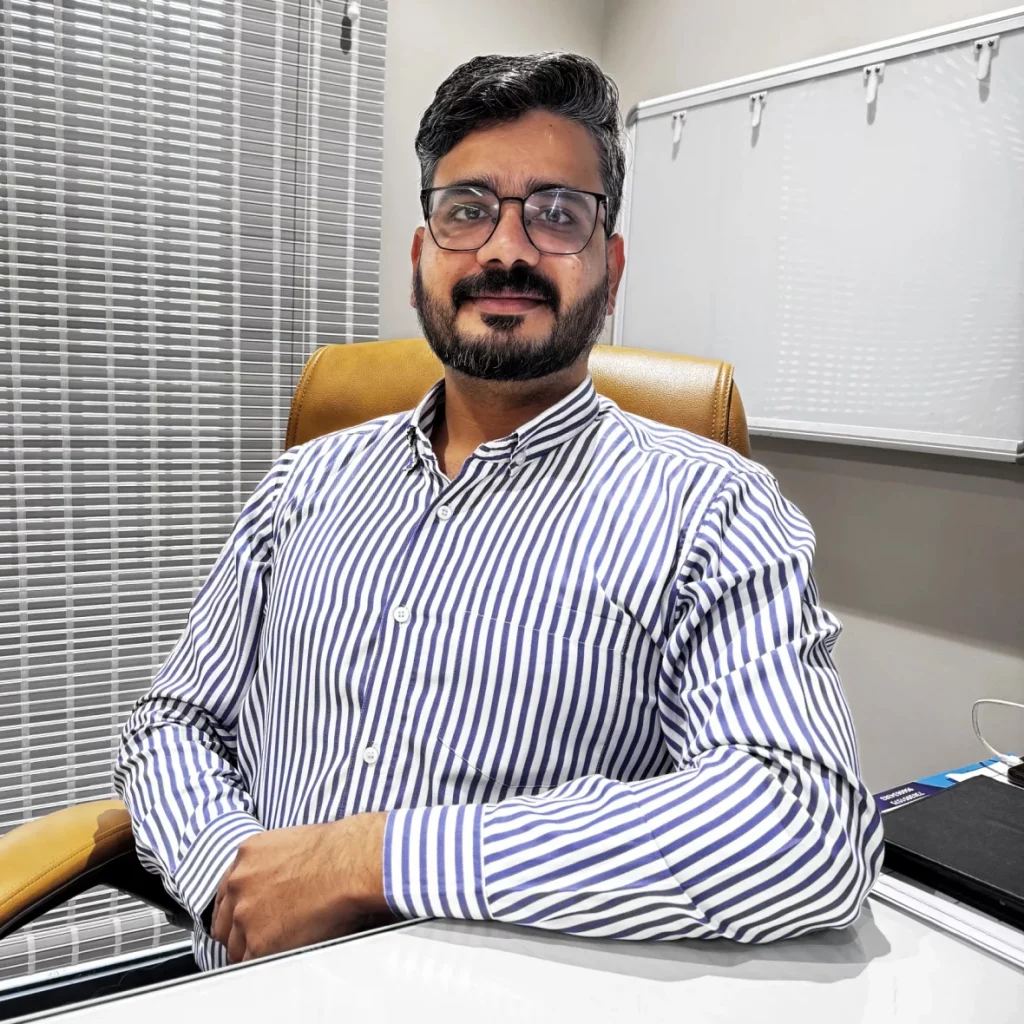

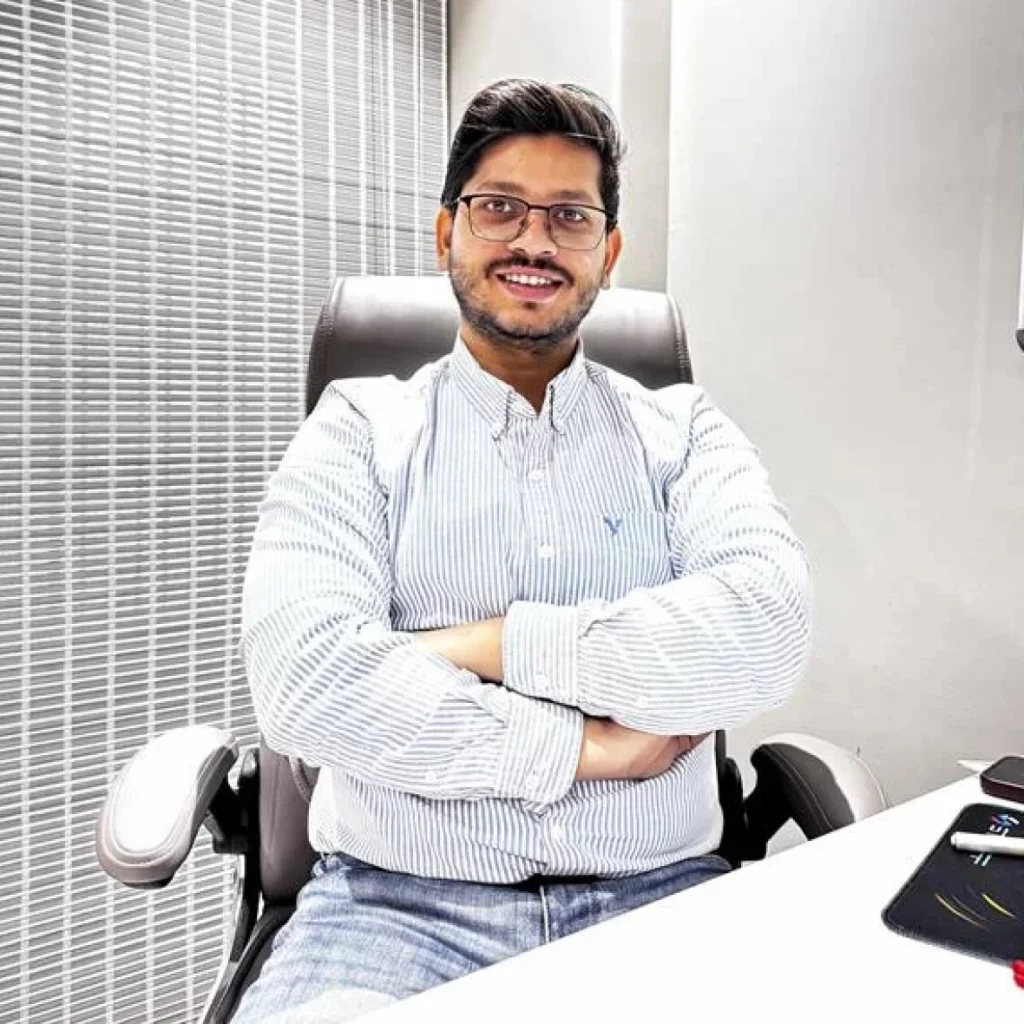

Dr. Divakar Kumar
Sports Rehabilitation, Sports Injury Management, Musculoskeletal Rehabilitation, Performance Enhancement, Strength & Conditioning
Book Appointment
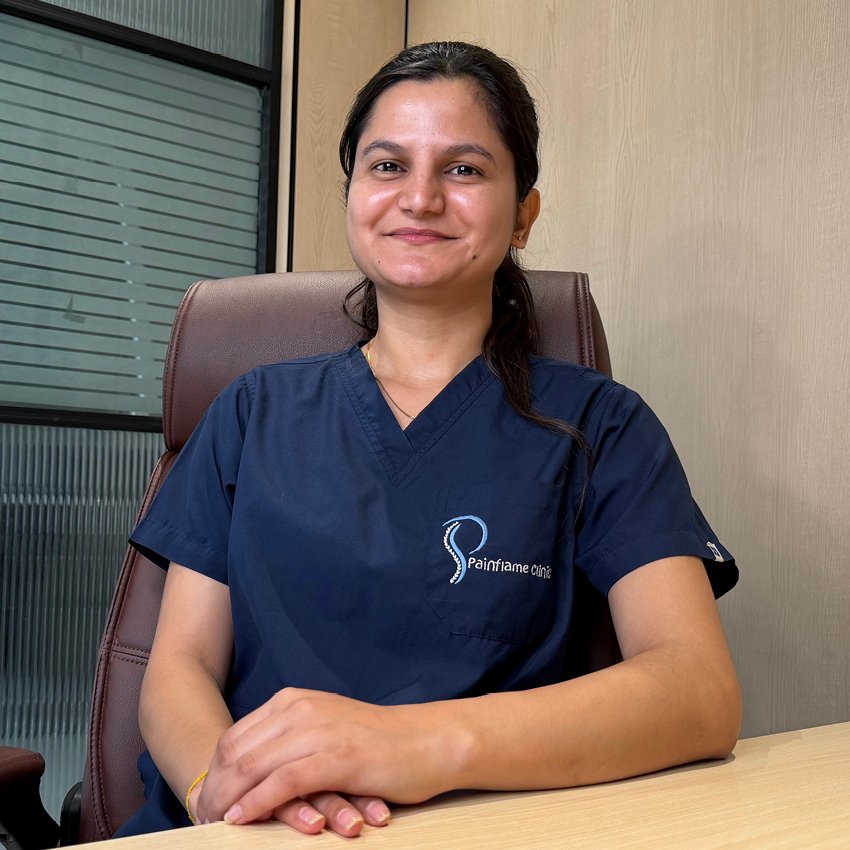
Dr. Jaya Sharma
Pilates Expert | Musculoskeletal Rehabilitation, Sports & Pelvic Floor Specialist
Book Appointment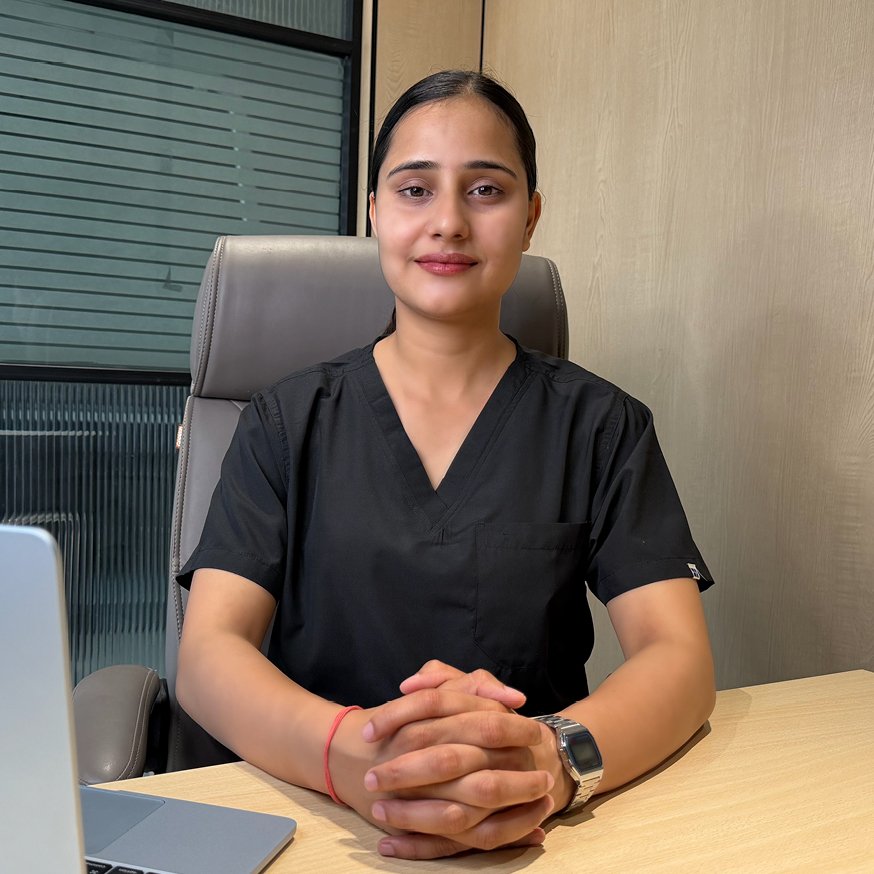
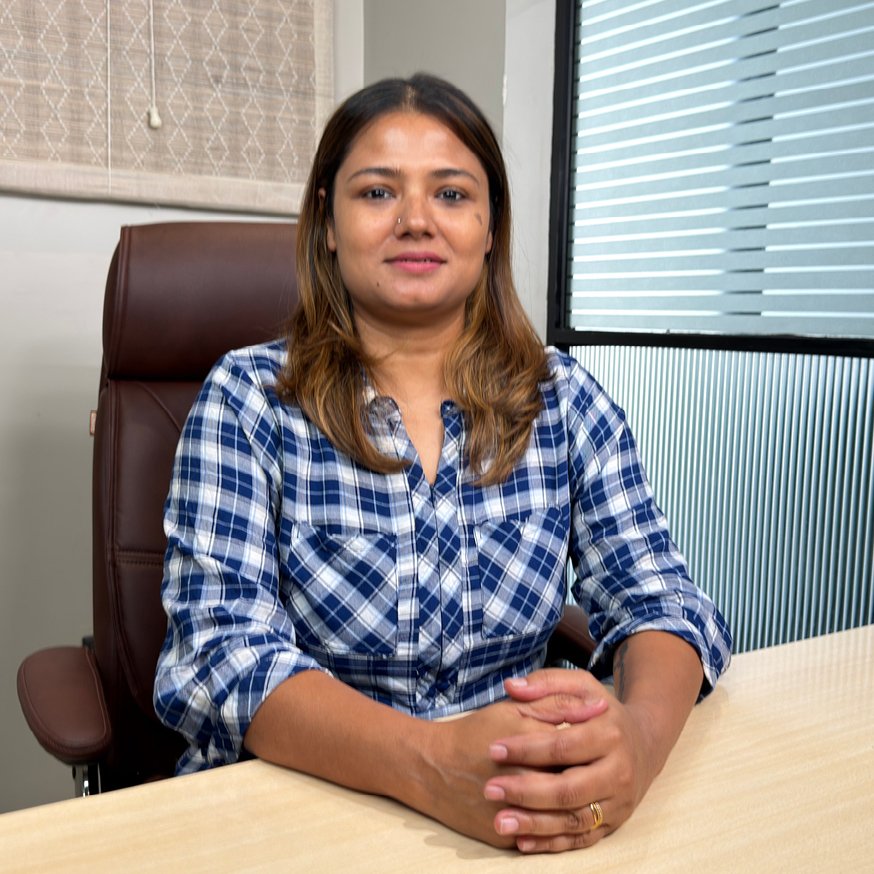
Dr. Priyanka Bhuyan
Tailbone (Coccyx) Treatment, Chiropractic Care, Spine & Joint Rehabilitation
Book Appointment
Dr. Saksham Kapoor
Sports Physiotherapy, Musculoskeletal Rehabilitation, Pain Management, Injury Prevention & Recovery
Book AppointmentLatest Blogs
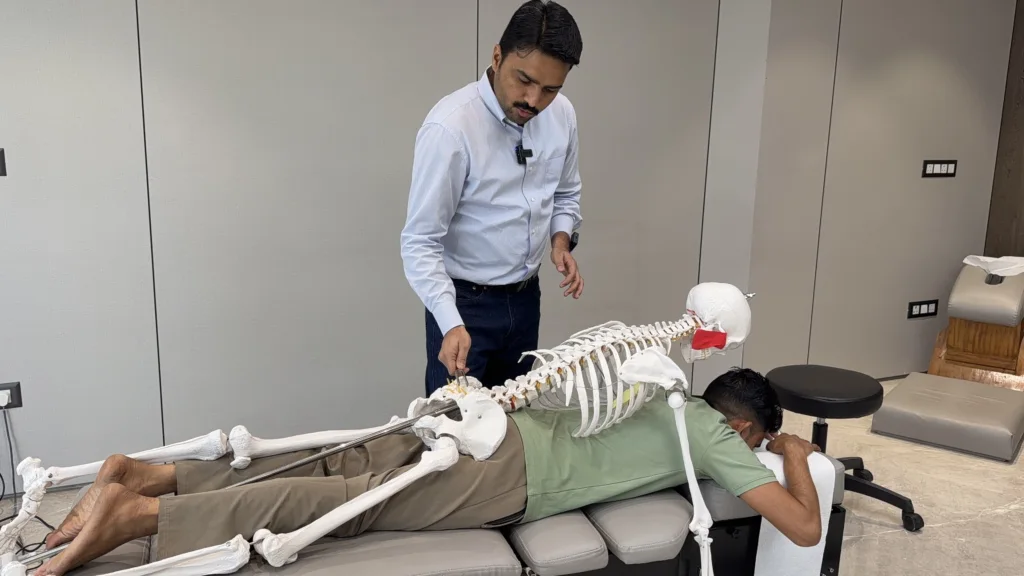
Chronic Pain? What Physiotherapy in Gurgaon Can Actually Do
If you’re in Gurgaon and dealing with neck stiffness, lower back pain, or recovering from a…
Read More
Why Ignoring a ‘Minor’ Sports Injury Today Leads to Chronic Joint Issues Tomorrow
Pain-free doesn’t mean healed. Structural weakness, joint instability, and micro-tears in connective tissue often persist well…
Read More
Tired of Back Pain? Here’s What Your Spine Is Actually Trying to Tell You
Most lower back pain comes down to daily habits — long hours hunched at a desk,…
Read More