

TMJ Pain Treatment
Relieve Jaw Pain & Restore Comfortable Movement with expert TMJ Pain treatment focused on reducing stiffness, improving jaw function, and easing everyday discomfort.
 6,200+ Reviews Trusted by thousands.
Recommended by experts.

TMJ Pain Treatment By Figuring Out What The Jaw Click Is Trying to Tell
Have you experienced a dull ache near the ears while chewing your favourite sandwich? You might hear a click inside your jaw while yawning in bed in the morning, but you never pay much attention to it, and most people do the same, thinking of it as a temporary inconvenience. If it’s a one-time phenomenon, then there is no issue, but it might be TMJ pain when the discomfort starts to interfere with daily activities like laughing, speaking, eating, or even during sleep.
What becomes even more frustrating is the way pain spreads towards the temples, cheeks, ear, or even the neck in some rare cases. This nature of the pain often confuses many people who start to think of an ear infection, dental problem, or persistent headache. Relying on an effective TMJ pain treatment can help experts go beyond just easing discomfort and restore the normal functions of the jaw.
What Is TMJ Pain?
Popularly known as TMJ, the temporomandibular joint connects the lower jaw with the skull, and it is just in front of the ear. Though people think about knees, elbows, and others when they hear the word joint, this one is one of the most complicated joints of the human body. Every time a person chews, speaks, or yawns, the jaw appears to just open and close, but internally, this TMJ slides forward, backward, and also slightly sideways depending on the action.
There are cushioning discs that make such movements possible and keep them smooth by effectively absorbing the pressure generated while chewing. The problem starts when ligaments, muscles, cushioning discs, or joint surfaces stop working together in the way they should. As a result, friction is generated along with muscle tension or abnormal movement patterns. This is exactly what results in pain, frequent clicking sounds, stiffness, and even difficulty while opening the mouth. TMJ pain treatment is the most effective option these days if the symptoms interrupt daily life.
Why Does TMJ Pain Happen?
TMJ disorder has a gradual way to develop, as found in most cases, and it happens as a combined effect of multiple contributing factors. Understanding the Hidden factors behind TMJ pain can give a clear picture of it.
Joint Mechanics: The joint is supposed to coordinate with other parts as the mouth opens or closes every time. Stress accumulates in the joint very often when there is injury, arthritis, displacement of the cushioning disc, or inflammation, which makes the movement uneven.
Muscle Overactivity: The muscles we use for chewing are among the strongest in our body, as compared to their size. If these muscles remain continuously tight, they tend to pull the jaw joint with excessive force. Some habitual actions, like clenching teeth while working on something, complicate the issue further.
Neck Posture: The jaw works in close coordination with the muscles of the neck and upper cervical spine. This coordination is disrupted by sustained poor posture, especially the forward head posture.
Common Symptoms
People notice varying symptoms, and some of the most commonly reported ones include:
- Difficulty while chewing food
- Pain spreading towards the temples, cheeks, ears, or neck
- Unable to open mouth fully
- Headaches that seem to originate from the temples
- A popping, grinding, or clicking sound while opening the mouth
- Pain around one or even both joints
- Jaw stiffness after waking up
Who Is More Likely to Experience TMJ Pain?
Almost anyone can be affected by this issue, but there are certain individuals who are at more risk. Those who have a habit of grinding or clenching their teeth, those working for long hours on computers in a forward neck position, individuals who prefer chewing gum frequently, or persons with arthritis that affects their joints are at a significantly higher risk of experiencing it. In addition, it can happen in some cases when one is recovering from a jaw injury. It has been found that a prolonged habit of chewing food mostly from only one side can also result in this condition.
When Should You Seek Professional Help?
In the majority of cases, the occasional discomfort, even when it is elevated, does not require urgent care, but there are some persistent symptoms that must not be ignored, as they demand prompt attention. You should not wait after facing symptoms like:
- Jaw pain that lasts for weeks and does not tend to improve
- Repeated locking of the jaw
- Experiencing pain while eating considerably soft foods
- Clicking is associated with restricted movement or pain
- Jaw tenderness with headaches
- Continued neck pain that occurs alongside the jaw symptoms
Timely management is a must in these cases because they point to serious underlying issues, and early intervention prevents the issue from worsening.
How Is TMJ Pain Diagnosed?
This assessment starts by properly understanding the activities that aggravate pain, when the symptoms began, and the role of habits like nail biting, prolonged gum chewing, or grinding.
Experts also take a close look at how widely the mouth is able to open, possible deviation of the jaw on one side during its movement, and overall movement coordination of the joint with the adjacent muscles. Advanced imaging is rarely needed; it works in cases when there has been injury, and the symptoms are not responding well to conservative treatments.
How Physiotherapy Helps Those With TMJ Pain
Physiotherapy for TMJ pain works so well because it aims to reduce muscle tension that irritates the joint. Manual therapy is the most trusted method for relaxing the tight muscles around the jaw, upper shoulder region, neck, and face. Then come guided jaw mobility exercises that improve coordination and lead to smooth mouth closing and opening.
Once the prominent symptoms that cause pain have settled, experts use controlled movement and strengthening exercises to help the muscles manage daily activities with ease. Posture correction techniques ensure that all those habits and movements are corrected that might put extra stress on these muscles.
TMJ Pain Treatment at Painflame
Painflame Clinic initiates TMJ pain treatment based on the findings of a thorough assessment of movement patterns, jaw, adjacent muscles, and actively contributing postural factors. We always ensure a lasting solution because the goal is not to suppress symptoms but to understand and correct what is maintaining the pain. We combine physiotherapy, chiropractic care, manual therapy, and posture correction based on the specific conditions of the patients. Other therapies are also available for cases when additional pain-management support is needed.
What Recovery Looks Like
The cause, duration, and severity determine the recovery from TMJ pain. Getting meaningful improvement becomes easy for those with relatively recent symptoms, and they are able to see the results just within a few weeks. But when someone with long-standing problems visits the clinic where joint dysfunction, postural issues, or persistent clenching are involved, a considerably longer rehabilitation period is needed.
Reduced pain and stiffness are often the first signs of improvement. With the continuation of the treatment, speaking and opening and closing the mouth become easier than before. Clicking might not disappear completely if it occurs without any pain.
Keeping the Issue From Returning
You can very easily prevent another episode of TMJ pain by controlling the habits that may overload the jaw. Be conscious of daytime clenching and always ensure that the jaw is in a relaxed position when not in use to reduce unnecessary muscle activity. Another major element is keeping the head and neck properly aligned and taking regular breaks if your job requires prolonged sitting.
Frequently Asked Questions
Should I be concerned if my jaw clicks without any pain?
When the clicking sound comes without any pain, it can’t be a cause of concern. Occasional clicks don’t usually cause any issue in most cases, and the jaw continues to function normally. You should be concerned only when clicking is accompanied by pain or when it restricts mouth opening.
Can TMJ pain become a reason behind headaches or ear pain?
Since the temporomandibular joint is situated very close to the ear, it also shares muscles with the neck and head. Hence, it can often cause pain in the ear and head.
Is there any impact of poor posture on my jaw?
Definitely. Forward head posture impacts the way muscles of the jaw and neck work together. If a person continues with such a posture for long enough, it can very easily cause additional strain and TMJ pain, restricted movement of the jaw, and muscle tightness.
Can I continue with my habit of chewing gum even if I experience TMJ pain?
No. You should avoid chewing gum throughout the recovery phase. Continuous chewing places extra pressure on the jaw muscles and joint, which always aggravates symptoms. Irritated tissues can get enough time to settle only if unnecessary jaw activity is avoided.
Is surgery necessary for TMJ pain?
It is required in some rare cases, as the majority of them work well with conservative treatments. Posture correction, activity modification, physiotherapy, and manual therapy are very effective in treating the issue.
Patient Feedback & Success Stories
Treatments
Our Services
Our doctors
Meet more Painflame specialists




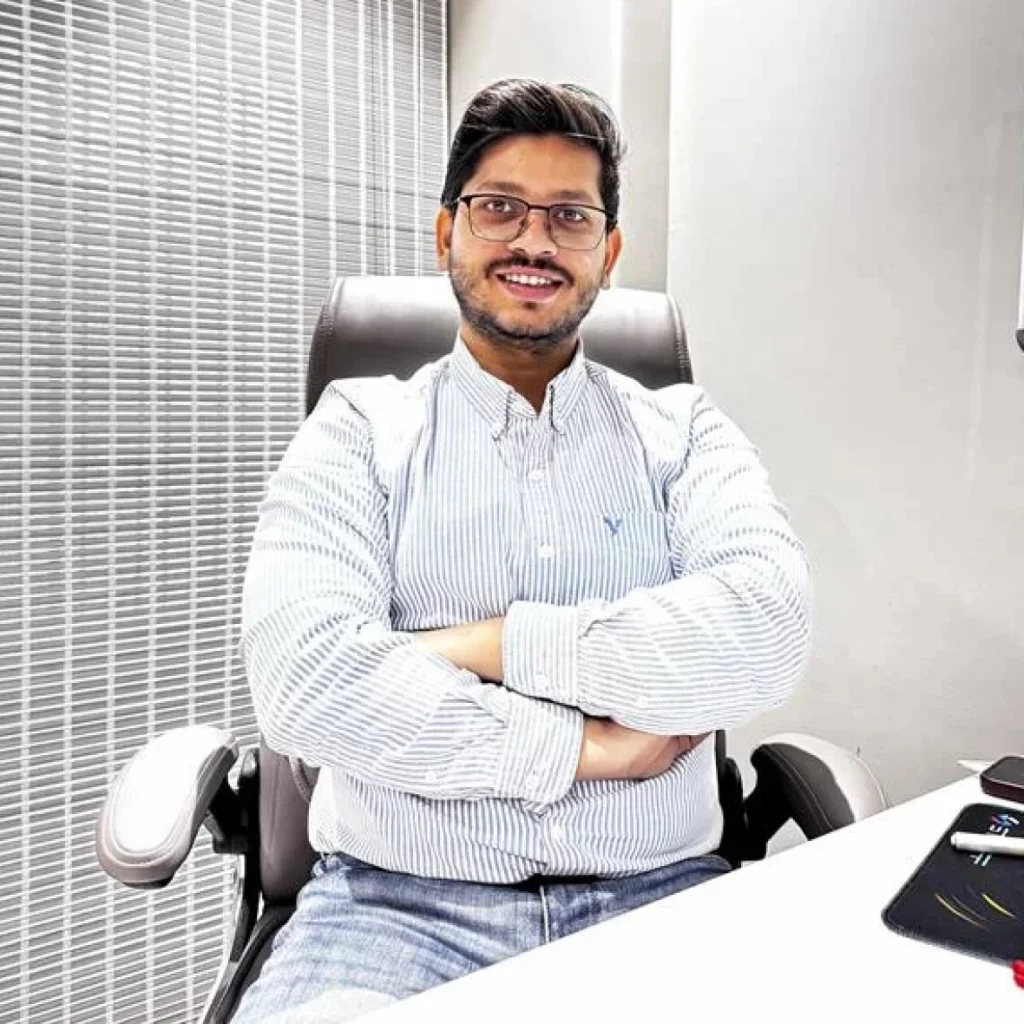

Dr. Divakar Kumar
Sports Rehabilitation, Sports Injury Management, Musculoskeletal Rehabilitation, Performance Enhancement, Strength & Conditioning
Book Appointment
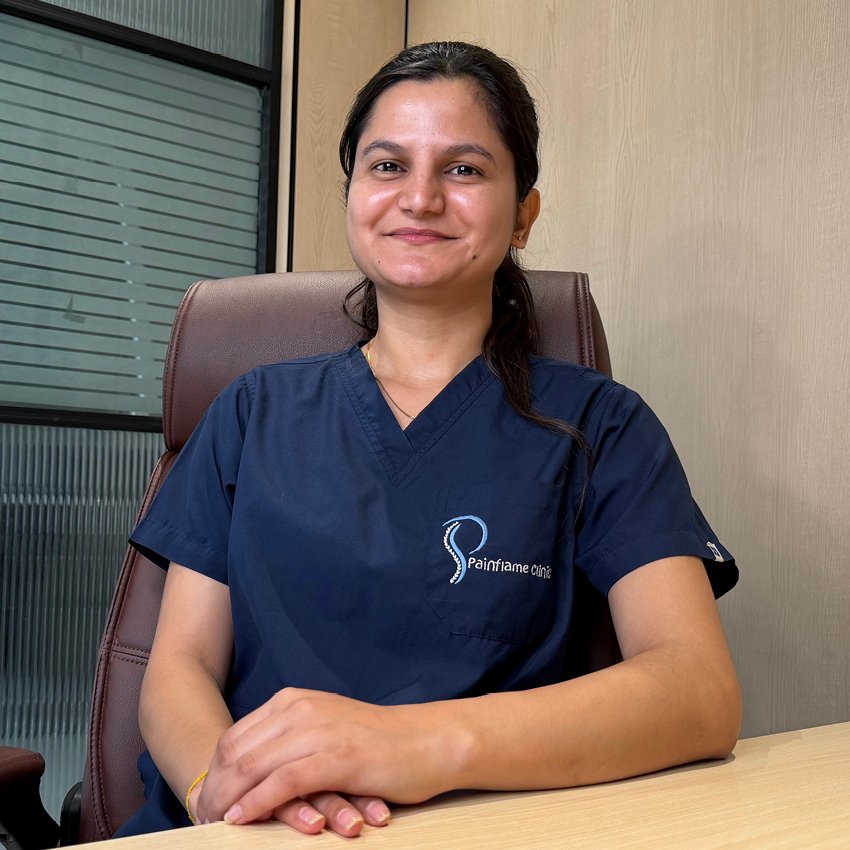
Dr. Jaya Sharma
Pilates Expert | Musculoskeletal Rehabilitation, Sports & Pelvic Floor Specialist
Book Appointment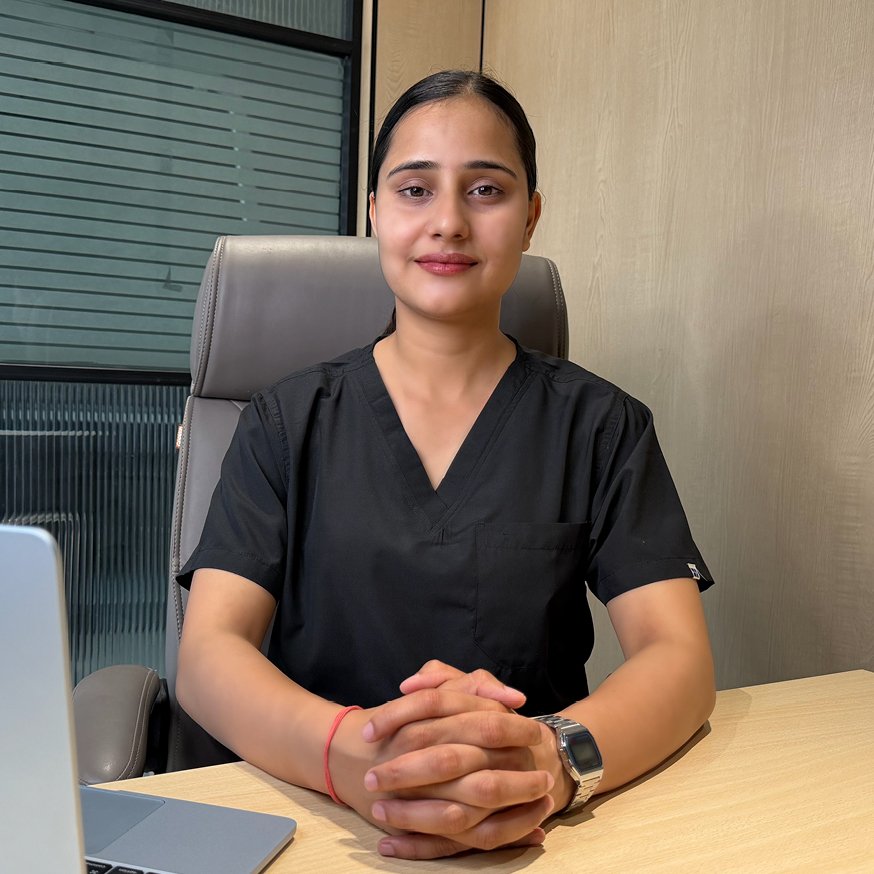

Dr. Priyanka Bhuyan
Tailbone (Coccyx) Treatment, Chiropractic Care, Spine & Joint Rehabilitation
Book Appointment
Dr. Saksham Kapoor
Sports Physiotherapy, Musculoskeletal Rehabilitation, Pain Management, Injury Prevention & Recovery
Book AppointmentLatest Blogs
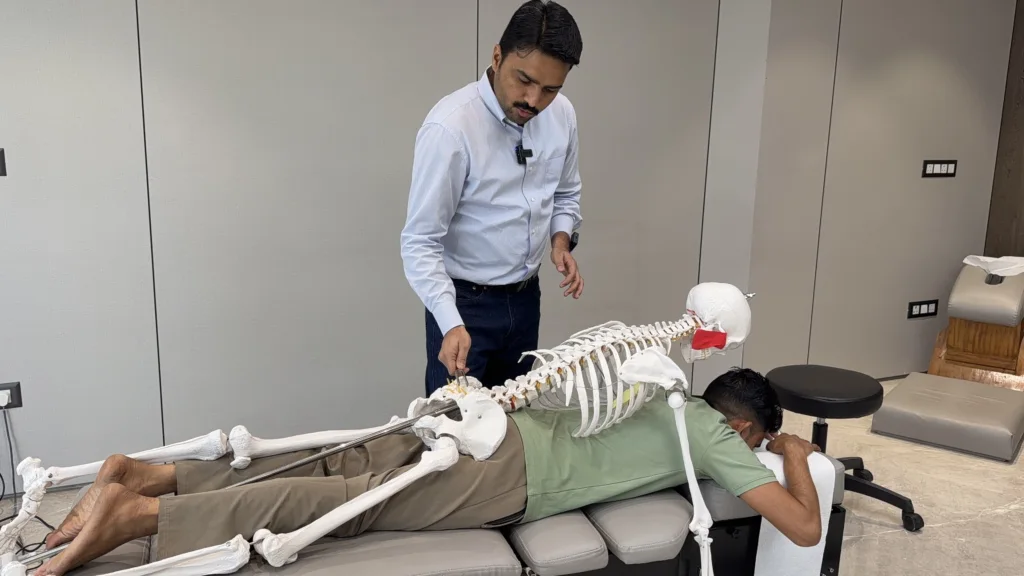
Chronic Pain? What Physiotherapy in Gurgaon Can Actually Do
If you’re in Gurgaon and dealing with neck stiffness, lower back pain, or recovering from a…
Read More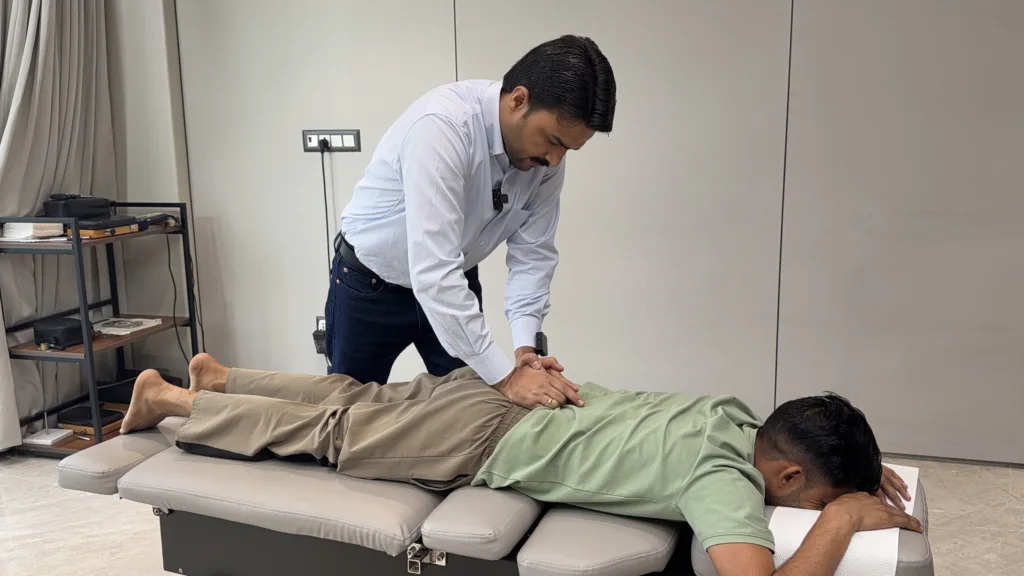
Why Ignoring a ‘Minor’ Sports Injury Today Leads to Chronic Joint Issues Tomorrow
Pain-free doesn’t mean healed. Structural weakness, joint instability, and micro-tears in connective tissue often persist well…
Read More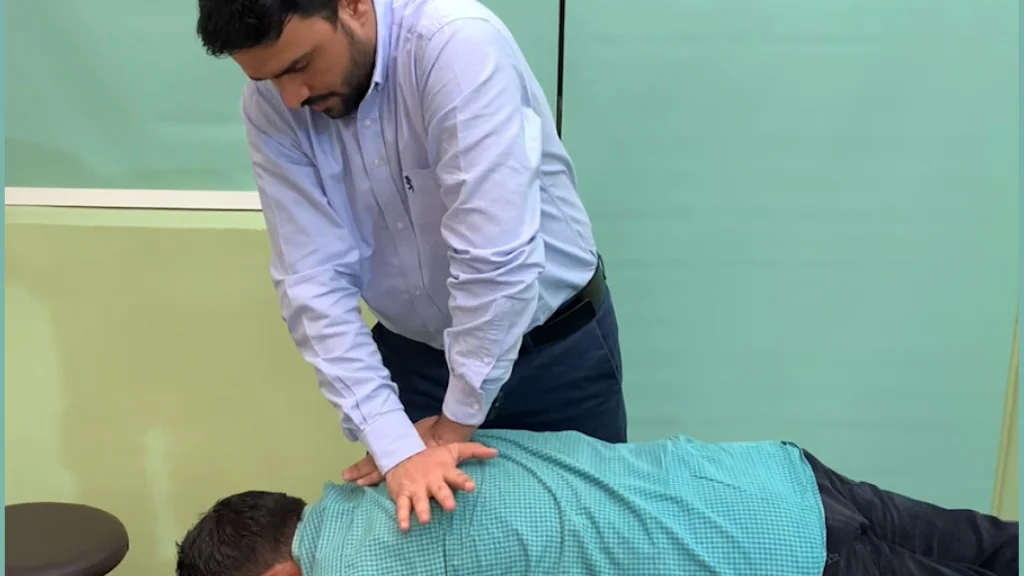
Tired of Back Pain? Here’s What Your Spine Is Actually Trying to Tell You
Most lower back pain comes down to daily habits — long hours hunched at a desk,…
Read More