

SI Joint Dysfunction Treatment
Struggling with SI joint pain? Painflame Clinic offers advanced physiotherapy and chiropractic treatment in Delhi & Gurgaon to reduce pain, improve stability and restore mobility.
 6,200+ Reviews Trusted by thousands.
Recommended by experts.
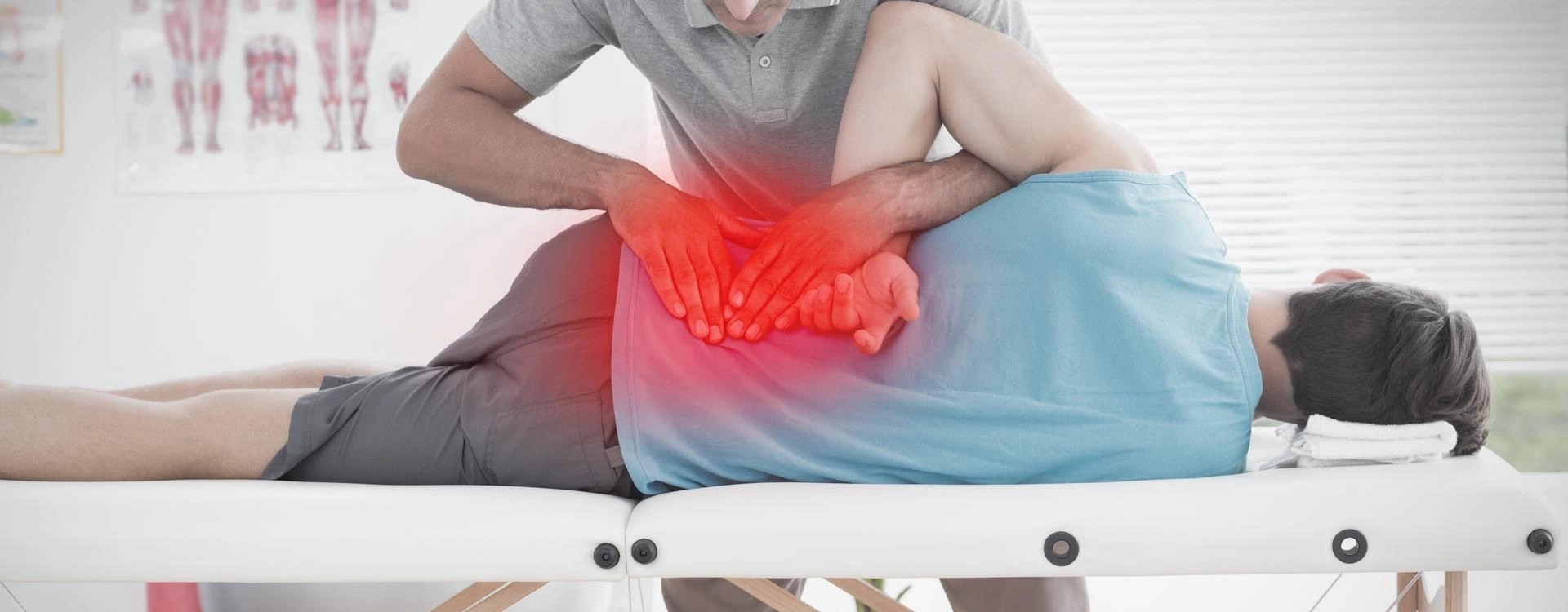
SI Joint Dysfunction Treatment: Getting to the Bottom of an Often-Missed Diagnosis
If you ask someone who has a herniated disc where it mainly hurts, they will gesture along the whole leg. But if the same question is asked to someone with SI joint dysfunction, the answer will be different; they will point their single finger to just one spot, right below and to the side of the small dimples at the base of the spine. Normally, people might not give this symptom importance, but the same is used as a diagnostic clue by the experts. In case your buttock or lower back pain feels strangely localized and does not spread out, and the standard back pain treatments are unable to fully resolve it, the problem might be with the sacroiliac joint. A careful and effective SI joint dysfunction treatment in Gurgaon works pretty well in these cases because the treatment recognizes the pattern rather than opting for a generic back pain treatment plan.
Understanding the Sacroiliac Joint’s Role
The sacroiliac or SI joints are situated on each side of the lower spine and connect the triangular sacrum bone to the iliac bones of the pelvis. These joints have been built for stability, not mobility, like the discs and facet joints up the spine. Their core job is to effectively transfer the load between the upper body and the legs while being able to offer a small span of natural movement.
It is this limited mobility that often makes so many people overlook this joint. As a result, the dysfunctions that happen here are also confused with some lumbar spine issues.
What Leads to SI Joint Dysfunction
A particular trigger event is mostly identifiable because it is a bit unusual compared to conditions like general disc degeneration that builds quietly and gradually. The joint can be easily jolted out of the normal stable pattern by falls, road accidents, or even sudden twisting injuries. Pregnancy is a pretty well-established cause because hormonal changes loosen the ligaments that support the pelvis during preparation for childbirth.
If one is engaged in repetitive activities that involve asymmetric loading, like carrying a bag on one shoulder every day or choosing the same leg for support while standing every time, the habit ends up irritating the joint over time. Many people with a history of spinal fusion surgery are also at risk of getting this condition.
Why This Condition Is So Tricky to Diagnose
This is quite a tricky situation where even the most advanced imaging techniques are not of much help. Most of the MRIs and X-rays performed look pretty unremarkable because the condition is about the way the joint moves and loads rather than some visible structural abnormality. That’s why the diagnosis depends so much on a bunch of hands-on physical tests, movements like distraction and compression, in order to reproduce the patient’s pain through the specific joint loading positions. Given this complexity, no single test can be very reliable, but when more than one test reproduces the same type of pain, it strongly indicates the SI joint as the source.
Symptoms That Point to the SI Joint
The most commonly experienced symptom is pain concentrated just below the dimples at the back of the pelvis, which is usually on one side but sometimes affects both sides. In some cases, the pain may reach the buttocks or even the back of the thigh. The pain is aggravated by standing on one leg, sitting for extended periods, climbing stairs, or even rolling over in bed at night. Many people report that the pain flares during transitional movements like going from sitting to standing or getting in and out of the car. This is what differentiates it from general back pain that worsens due to sustained postures.
Who’s More Likely to Experience This
It is more common in women than in men because of pregnancy-related ligament laxity and differences in pelvic structure. Those who are recovering from injuries caused by a fall, car accident, or other direct trauma are also at a clear risk. The risk is quite significant in those who have previously undergone lumbar spinal fusion. Runners and athletes are usually involved in demanding repetitive, asymmetric movements that develop this condition gradually. In case one is into a sedentary lifestyle along with poor core strength, the joint is left with less muscular support, which may increase the risk.
When Symptoms Need A Medical Review
Though most of the SI dysfunction is certainly uncomfortable and frustraiting which is, mainly because of delayed treatment, the condition is not so dangerous. But there are a few symptoms which must not be ignored, including:
- Severe pain in that region after an accident or fall, which directly points to a pelvic injury
- Tingling, numbness, or weakness that spreads into the leg
- Pain with fever, unexplained weight loss, or a history of inflammatory arthritis
- Loss of bowel or bladder control
Confirming the Diagnosis
Diagnosis always inclines towards a deep dive into history to note the major triggering events. Then multiple provocation tests are performed that we have talked about in the earlier section. In addition to them, an expert physiotherapist will also minutely assess the pelvic alignment along with the muscle strength around the core, hip, and the movement pattern during everyday tasks like climbing stairs and walking. If the clinical picture still remains uncertain, a diagnostic injection of local anaesthetic is performed into the joint to confirm whether the SI joint is the true source of pain.
The Physiotherapy Approach to Stabilising the Joint
Physiotherapy-based treatment for the SI joint is centered on restoring the stability to a joint that has become stiff or too lax. Pelvic girdle stabilization exercises start with a gentle activation of the deep core and the pelvic floor muscles before the treatment progresses towards functional movements. Joint stiffness is relieved effectively with the help of manual therapy techniques. In case of postpartum patients, a supportive belt is used with the exercise to ensure external stability as the ligaments regain their pre-pregnancy tension. During these treatments, people are also educated regarding certain movement patterns that might provoke the joint.
SI Joint Dysfunction Treatment in Gurgaon & Paschim Vihar Delhi at Painflame Clinic
The SI joint dysfunction treatment at Painflame starts with a thorough, hands-on assessment of the condition. We combine targeted manual therapy with a progressive pelvic stabilization program to address joint alignment precisely. Chiropractic techniques are also used in addition to others to ensure further relief.
Since a large number of cases arise from certain injuries or postural compensation after back-related issues, treatment coordinates a wide approach to back pain. The structured stabilization program that we deliver works best for anyone searching for the best SI joint dysfunction treatment in Gurgaon & Paschim Vihar, Delhi.
How Long Does Recovery Usually Take
Most patients visiting our clinic start seeing improvement in their condition within four to six weeks of consistent care. For pregnancy-related SI joint dysfunction, the treatment plan is a bit different. In such cases, physiotherapy eases discomfort and supports recovery as the ligament tension comes to its normal state gradually. In case the issue is linked with prior spinal fusion surgery, the treatment may take a bit longer to show results, and a gradual strengthening program works best.
Keeping the SI Joint Stable In the Long Run
These joints are surrounded by muscles for stability; preventing the issue from returning is mostly about maintaining the muscle support system. Continue with core and pelvic stabilization exercises after the completion of formal treatment. Keep a watch on your repetitive asymmetric habits, like carrying bags on one shoulder, to reduce the cumulative and uneven strain. Maintain better core strength with the help of the right diet and low-impact activities, which prevent the joint from repeated irritation.
Frequently Asked Questions
Will I need to wear a pelvic belt permanently if I have this issue?
Not usually. The supportive belt is mostly a temporary aid, and its work is to ensure proper relief during the unstable phase of recovery. And it is not the only solution because the belt is used alongside other exercises that build the natural support of the joint.
Does SI joint dysfunction create symptoms like sciatica?
It happens in some cases, and this is mainly because both these issues cause pain in the buttocks and thighs. But you can easily differentiate these as the SI joint pain stays pretty much localized, and it rarely travels below the knee. Sciatica, on the other hand, travels below the knee in many cases.
How effective is chiropractic adjustment for this condition?
Chiropractic adjustment performed by experts is based on a thorough assessment, and it works pretty effectively during SI joint dysfunction treatment. It may be performed either alongside or instead of stabilization exercises based on the specific condition of the patient.
Can this dysfunction happen on both sides at once?
It is possible in some rare cases, but it is less common than one-sided involvement. When there are bilateral symptoms, they point to some inflammatory condition rather than only a mechanical cause.
How can I prevent SI joint pain from returning?
Maintain good posture, stay active, strengthen core muscles, avoid prolonged sitting, and use ergonomic support to keep the SI joint stable and pain-free.
Patient Feedback & Success Stories
Treatments
Our Services
Our doctors
Meet more Painflame specialists




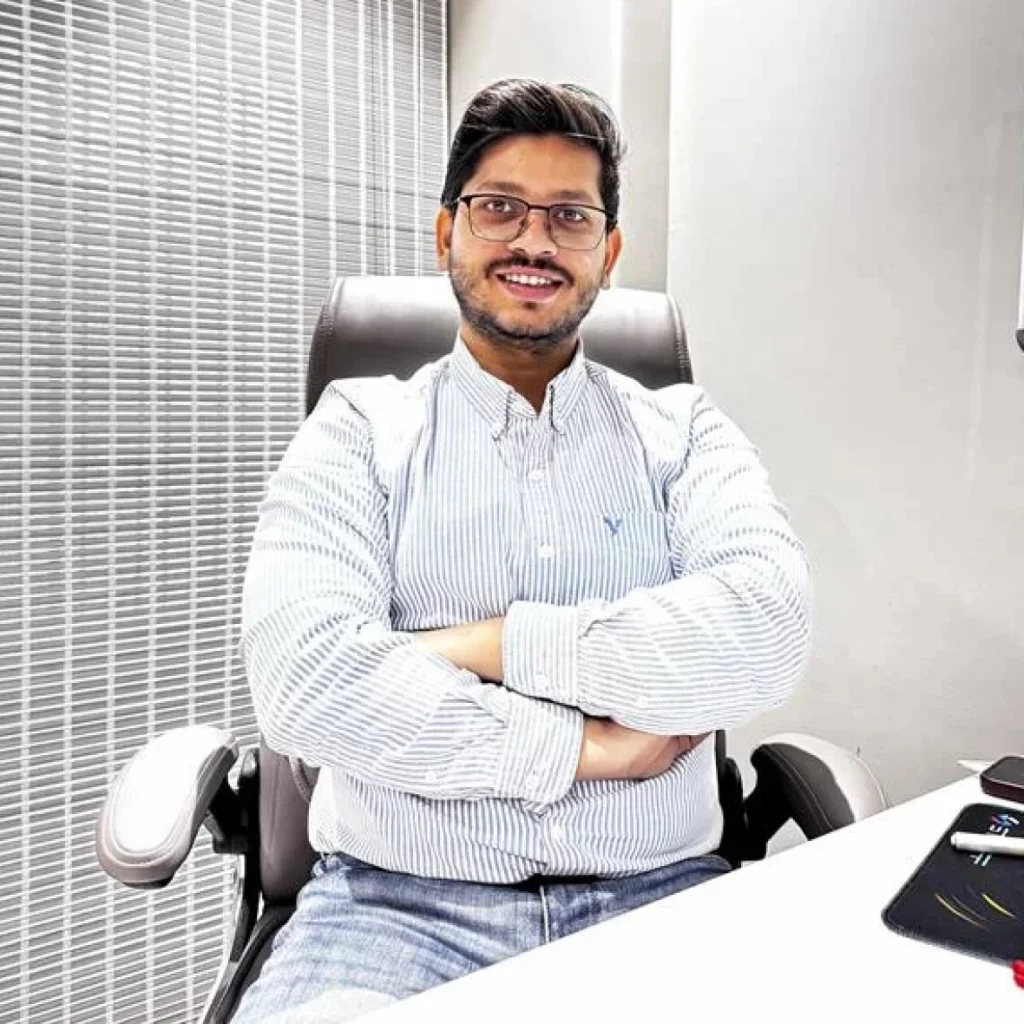

Dr. Divakar Kumar
Sports Rehabilitation, Sports Injury Management, Musculoskeletal Rehabilitation, Performance Enhancement, Strength & Conditioning
Book Appointment
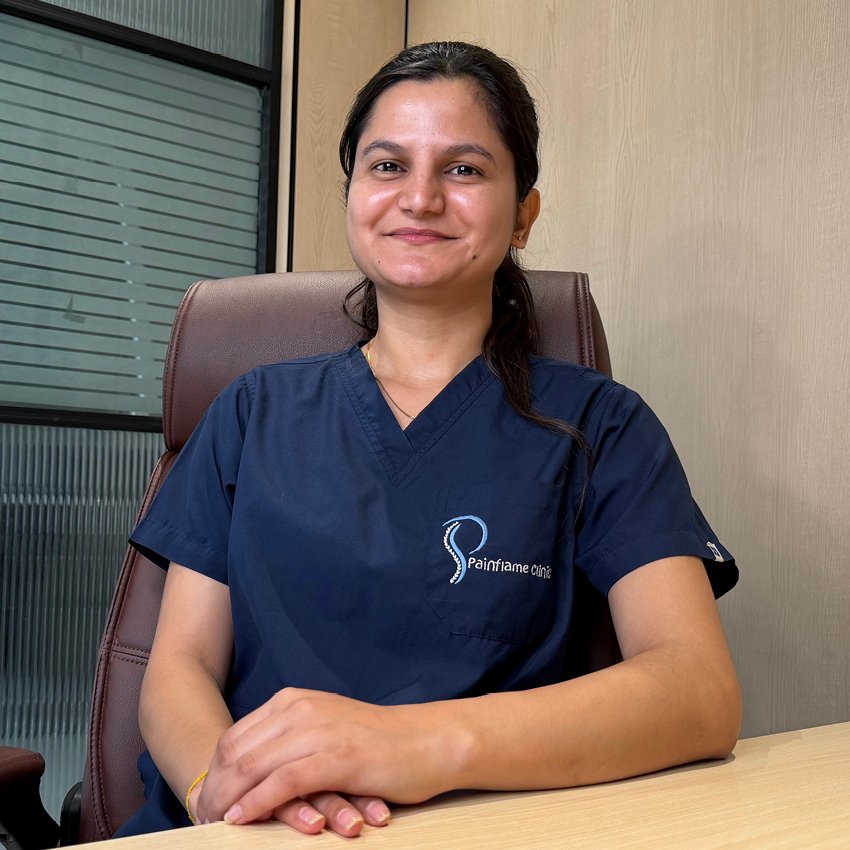
Dr. Jaya Sharma
Pilates Expert | Musculoskeletal Rehabilitation, Sports & Pelvic Floor Specialist
Book Appointment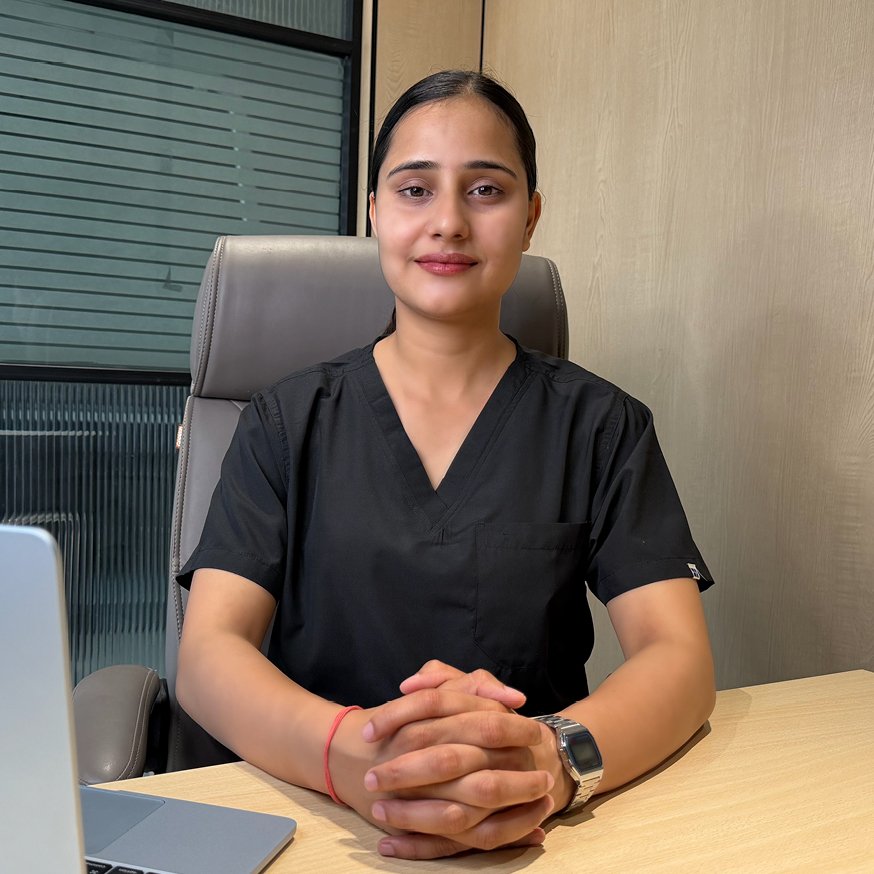
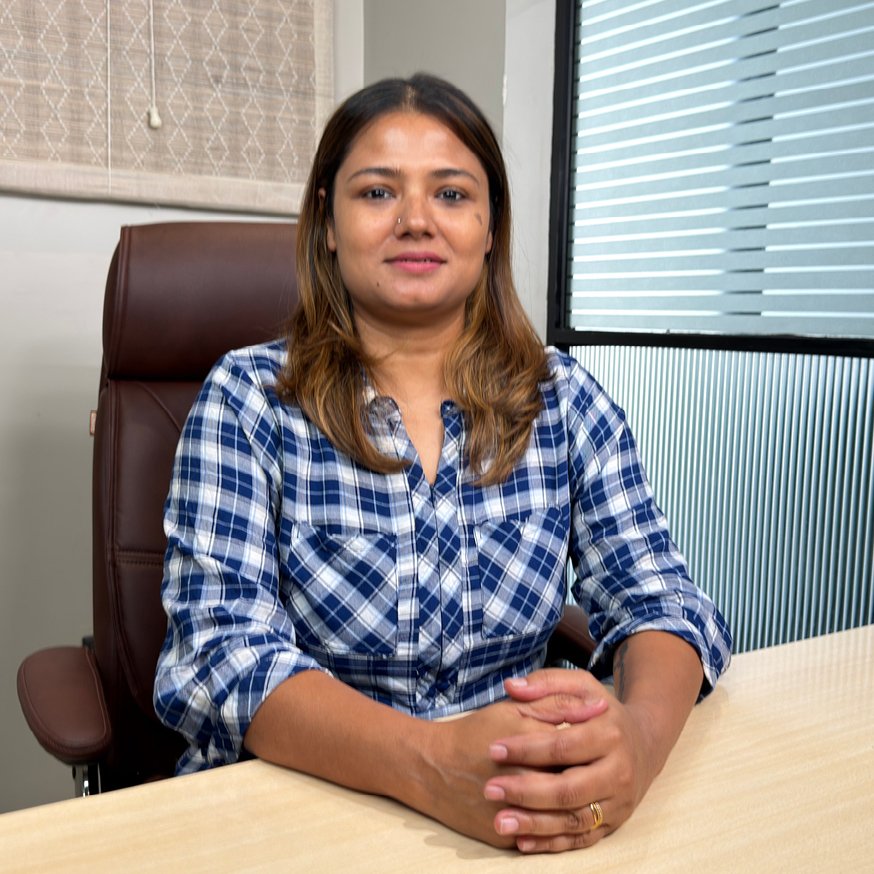
Dr. Priyanka Bhuyan
Tailbone (Coccyx) Treatment, Chiropractic Care, Spine & Joint Rehabilitation
Book Appointment
Dr. Saksham Kapoor
Sports Physiotherapy, Musculoskeletal Rehabilitation, Pain Management, Injury Prevention & Recovery
Book AppointmentLatest Blogs
Neck Stiffness: कारण और 5 मिनट की एक्सरसाइज से राहत
गर्दन की अकड़न (Neck Stiffness): कारण और 5 मिनट की एक्सरसाइज से राहत क्या सुबह उठते…
Read More
Navel Displacement: लक्षण, पहचान और उपचार
क्या आपको अक्सर पेट में अनजान दर्द रहता है? क्या खाने के बाद ब्लोटिंग, गैस या…
Read MoreCore Strengthening Exercise जो कमर दर्द को जड़ से खत्म करे
क्या लंबे समय बैठने के बाद कमर दर्द होने लगता है? क्या सुबह उठते ही पीठ…
Read More