

Hip Pain Treatment
Struggling to walk, sit, or sleep due to hip pain? Get lasting relief with Painflame's expert care. Get Hip Pain treatment focused on pain relief, joint mobility, muscle strengthening, and improved everyday movement.
 6,200+ Reviews Trusted by thousands.
Recommended by experts.
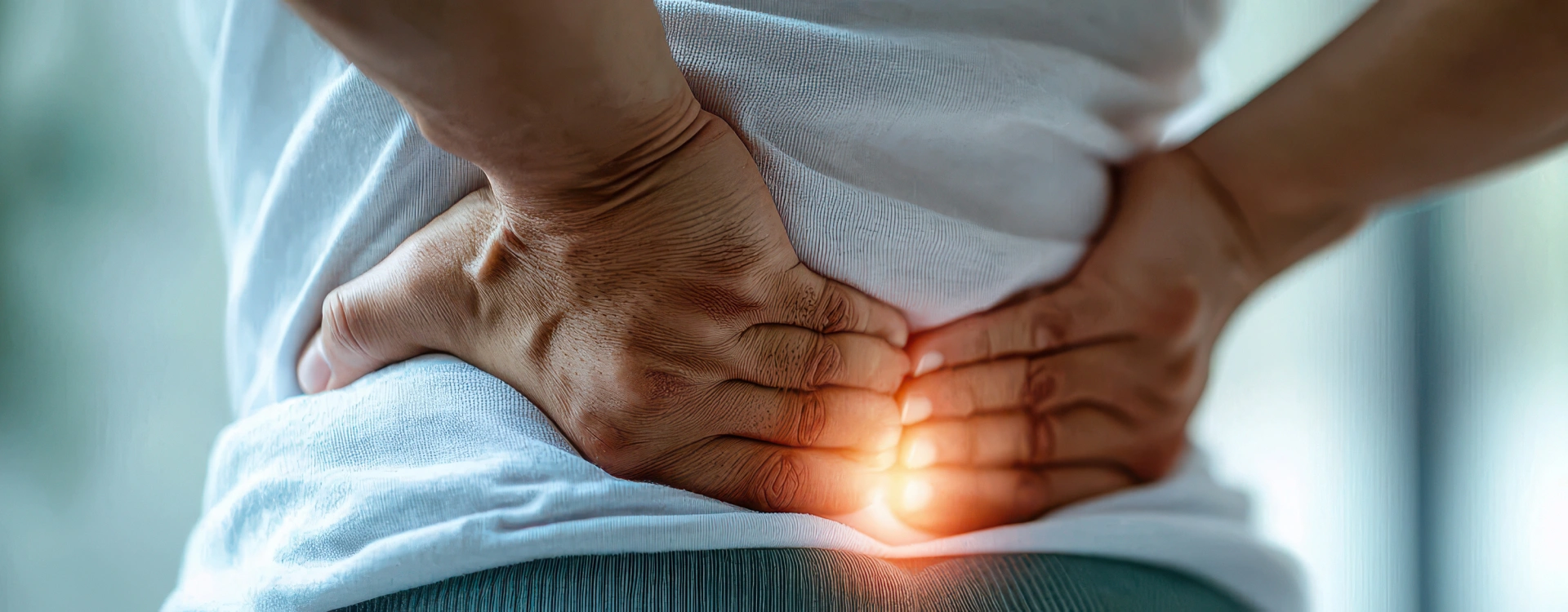
Hip Pain: From the First Ache to Recovery
Maybe it’s a dull ache showing up halfway through the walk that you’d normally complete without thinking, or a twinge while getting out of the car. A bit of stiffness is easy to ignore, especially after a long day. But problems arise when such symptoms persist week after week, and that is the time to pay attention rather than working around the pain. The pain itself can be confusing; it sometimes feels deep in the groin, other times, it might be toward the outer hip. Hip pain is not one problem with a single fix, as it can come from the surrounding muscles, tendons, nerves, or the joint, which require prompt assessment.
Understanding Hip Pain
Numerous structures surround the hip, including tendons, muscles, bursae, ligaments, and nerves. Pain can be caused by any of these in addition to the joint itself. As a result, the location of hip pain varies considerably from one person to another. But a thorough assessment can give a clear picture in this regard.
If the pain lies deep in the groin or front hip, the origin might be structures within the hip joint. Problems related to tendons, muscles, or bursae may appear as pain in the outer hip or buttocks.
But knowing the location of the pain is not enough. Professional treatment becomes essential as it goes into further details like how the pain started, the movements affecting it, stiffness in the region, and history of trauma.
Why Does It Happen
Hip pain is caused when the joint or the tissues that support the joint can’t tolerate the load, which can be from some everyday activity, sports, or something else.
In the case of hip osteoarthritis, the cartilage can deteriorate, and the underlying joint linings, bone, surrounding tissues, and capsule may also undergo structural change. These factors combine to cause pain, swelling, stiffness, and reduced movement.
When tendons repeatedly experience more load than their ability to adapt and recover, it leads to tendinopathy. This change in structure causes discomfort during different activities like running, climbing stairs, or even walking.
Bursae are the fluid-filled structures that reduce friction between tissues. Irritation or inflammation in the bursa can cause pain around the outside of the hip, and this particularly appears when the person puts pressure on the outer hip, such as lying on the affected side.
A ring of cartilage called the labrum deepens and stabilizes the hip socket. Sometimes, a labral tear can produce symptoms like catching, clicking, and groin pain, depending on the severity and location of the tear.
Given the way multiple tissues produce symptoms in this area, properly identifying the source is important.
Common Symptoms
Hip problems can cause numerous overlapping symptoms. Paying close attention to the symptoms provides useful information about the underlying condition. Most common symptoms include:
- Pain while lying on the affected side
- Stiffness after resting or sitting
- Discomfort while walking or climbing stairs
- Noticeable pain in the hip area while putting on shoes or socks
- Pain extending towards the thigh or knee
- Reduced hip movement
- Pain in the outer hips, buttocks, front of the hip, or in the groin
- Difficulty while getting into or out of the car
Who Is More Likely to Develop Hip Pain
Hip pain affects people of any age, but its occurrence depends on activity levels, previous injuries, health factors, and age. Seniors can have higher chances of developing hip osteoarthritis, but osteoarthritis is not an inevitable element of ageing.
People who run, dance, jump, or participate in competitive sports are susceptible to some tendon and muscle problems because they repeatedly load the hip. Excess body weight is another recognised risk factor because it increases the mechanical loading and also impacts the metabolic factors that affect the health of the joint.
When Should You Seek Help
In the majority of cases, people reduce activity levels when they experience discomfort as they relate it to some unusual tasks. This might be the case, but the approach is not right for every discomfort. If you experience hip pain that gets worse or simply persists, you must opt for a professional assessment of the condition rather than relying on rest alone. If you face
- Persistent pain that doesn’t show any sign of easing
- Difficulty while walking
- Noticeably restricted hip movement
- Hip pain that gets worse at night
- Frequent hip locks, clicks, or catches
- Progressive weakness
- Pain during activities that are less demanding
- Sudden pain after a fall or trauma
How Is Hip Pain Diagnosed
A patient’s history is the starting point of diagnosis. Doctors aim to establish the way pain started (gradually or following some injury), its precise location, and the activities that impact the pain. Presence of stiffness, weakness, clicking, or neurological changes is also checked. Physical examination is to assess:
- Balance and walking pattern
- Tenderness around the hip
- Functional movements like standing or squatting
- Lumbar spine and nearby joints in case referred pain is suspected
- Muscle strength
- Range of motion of the hip
- Pain experienced during specific hip movements
X-rays help in properly identifying the structural changes and fractures, while MRI scans give a close look into soft tissues, but these are not required in every case.
How Physiotherapy Helps With Hip Pain
Physiotherapy helps in hip recovery by improving the way tissues manage everyday load. As pain makes people less active, the muscles surrounding the hips can lose their strength and endurance. Suitable physiotherapy treatments improve the condition progressively. Strengthening programmes, in particular, have an effective approach where the load during exercise is increased gradually, as per the ability of the muscles or tendons to handle. As a result, muscles and tendons regain strength. When the right muscles gain strength, it reduces the strain placed on the hip during everyday activities. Such changes ensure the stability, control, and mobility that the hip needs on a daily basis.
Hip Pain Treatment at Painflame
The hip pain treatment at Painflame Clinic starts with an assessment of hip movement, symptoms, muscle strength, and other factors that may contribute to the issue. The right treatment approach is selected based on the inputs from assessment, functional limitations, and the patient’s goals.
The treatment plan is adapted to the findings, which may
- Focus on gradually rebuilding the tendon’s ability to tolerate load if the reduced capacity of the tendon is the cause
- Work on improving the available range with the help of manual therapy and mobility exercises when stiffness has restricted the movement
- Apply movement retraining and targeted strengthening techniques when movement patterns have been altered
- Aim to restore strength and basic movement through sports injury rehabilitation if the hip pain follows a sporting injury.
While treating hip pain, the goal is to restore mobility, strength, and functional capacity rather than just short-term relief.
What Recovery Usually Looks Like
The recovery timeline varies substantially because hip pain can result from different conditions. A few weeks are enough to improve a mild muscular or overuse problem by modifying the activities appropriately. When there are tendon disorders, they require a longer period of progressive loading. If hip osteoarthritis is the underlying cause, it can be managed in the long term.
With the right treatment, patients are able to see results that appear as reduced pain initially, and it is followed by enhanced hip mobility, and then the overall strength and tolerance increase. Rather than expecting a completely pain-free hip, recovery needs to be measured by the improved ability to perform everyday activities.
Keeping the Issue From Returning
Recurrent hip pain can be prevented by maintaining the mobility and strength that is developed during rehabilitation. Make sure to increase the workload gradually when you get back to your demanding physical activities and try to maintain a healthy weight along with an active lifestyle.
Frequently Asked Questions
Is it good to walk if I have hip pain?
It depends on the cause and severity of your pain. Properly dosed physical activities improve function and manage symptoms for many people, like those with osteoarthritis. However, if the pain is severe or it is because of an injury, the condition demands assessment before increasing activity.
What can be the cause if my hip hurts after I complete my exercise, but I don’t experience pain while exercising?
There are some symptoms that are noticeable after the activity. It might be happening because the amount of loading is more than what the muscles and tendons can tolerate. A sudden increase in sports activity, weight training, or running distance can also trigger such symptoms. Try modifying the activity until the hip builds its capacity.
Should I be worried if my hip pain did not result from an injury?
It depends on the severity of the symptoms. The most important thing worth knowing is the fact that the absence of injury does not mean that the issue is not severe enough. Several conditions like osteoarthritis, tendinopathy, and referred pain, develop gradually, and they need a thorough assessment rather than waiting.
Can hip pain be treated without medication?
Yes, targeted exercises, joint mobilization, soft tissue therapy, and ergonomic corrections can effectively manage hip pain, reduce inflammation, and improve joint function naturally.
How can I prevent hip pain from returning?
Maintain strong hip muscles, improve flexibility, correct posture, avoid prolonged sitting, and use proper movement techniques to reduce stress on the hip joint and prevent recurring pain.
Patient Feedback & Success Stories
Treatments
Our Services
Our doctors
Meet more Painflame specialists






Dr. Divakar Kumar
Sports Rehabilitation, Sports Injury Management, Musculoskeletal Rehabilitation, Performance Enhancement, Strength & Conditioning
Book Appointment

Dr. Jaya Sharma
Pilates Expert | Musculoskeletal Rehabilitation, Sports & Pelvic Floor Specialist
Book Appointment

Dr. Priyanka Bhuyan
Tailbone (Coccyx) Treatment, Chiropractic Care, Spine & Joint Rehabilitation
Book Appointment
Dr. Saksham Kapoor
Sports Physiotherapy, Musculoskeletal Rehabilitation, Pain Management, Injury Prevention & Recovery
Book AppointmentLatest Blogs
Neck Stiffness: कारण और 5 मिनट की एक्सरसाइज से राहत
गर्दन की अकड़न (Neck Stiffness): कारण और 5 मिनट की एक्सरसाइज से राहत क्या सुबह उठते…
Read More
Navel Displacement: लक्षण, पहचान और उपचार
क्या आपको अक्सर पेट में अनजान दर्द रहता है? क्या खाने के बाद ब्लोटिंग, गैस या…
Read MoreCore Strengthening Exercise जो कमर दर्द को जड़ से खत्म करे
क्या लंबे समय बैठने के बाद कमर दर्द होने लगता है? क्या सुबह उठते ही पीठ…
Read More