

Sciatica Treatment
Looking for the best sciatica treatment? Our expert physiotherapists and spine specialists provide personalised, non-surgical care to relieve sciatic nerve pain and help you move pain-free again.
 6,200+ Reviews Trusted by thousands.
Recommended by experts.
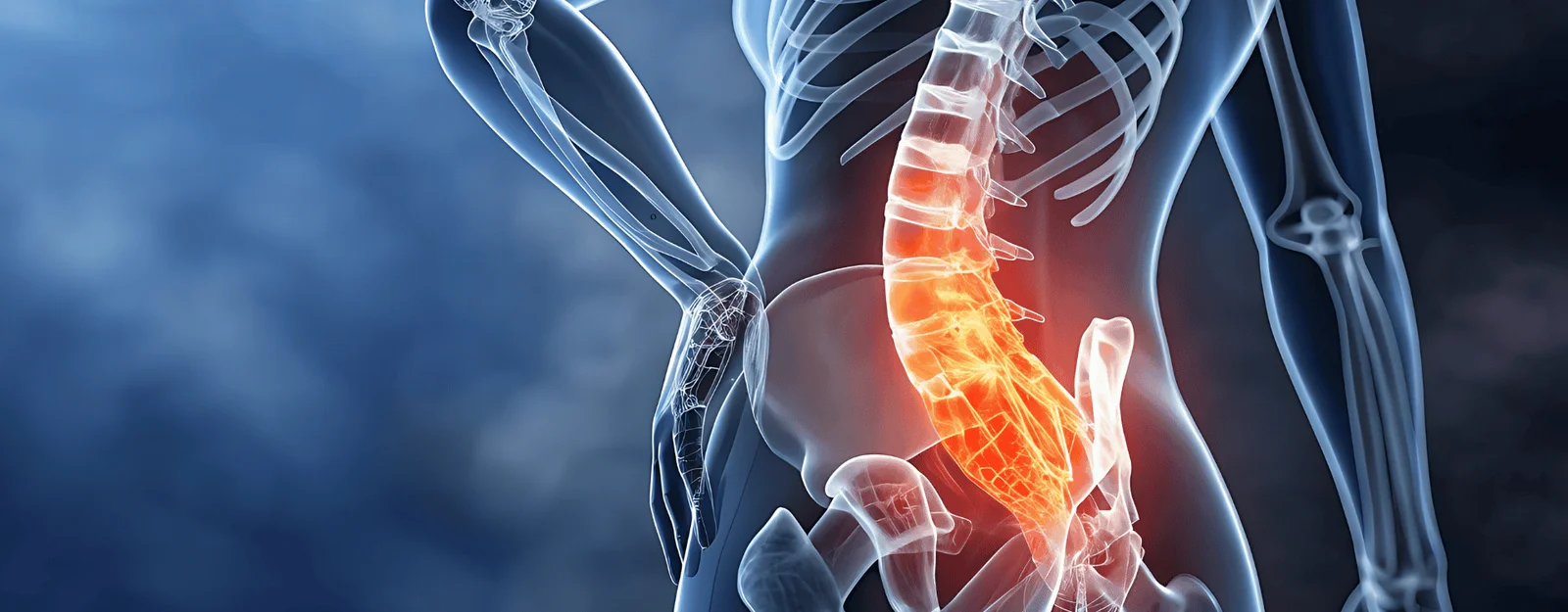
Expert Sciatica Treatment & Sciatic Nerve Pain Relief
Just like other discomforts, it mostly starts small in the form of a dull ache in the lower back region that people think will fade after some time. Sometimes, it comes without much warning and turns into a much sharper, burning, or shooting sensation that travels from the lower back, through the buttocks, down to the back of one leg, often reaching to the foot. Sitting makes it even worse. Standing after a long car ride might feel like a small ordeal. Those with similar experiences often relate it to ordinary back pain, but these symptoms point to sciatica. And the good news is that effective sciatica treatments are able to treat the condition very easily without any surgery.
Sciatica, Explained
Sciatica is not some condition in itself, but more like a symptom pattern that is caused by irritation or even compression of the sciatic nerve, which is the longest and widest in the body. If something presses or irritates this nerve, which happens mostly near where it exits the spine, the pain resulting from it is not localized like a muscle strain. Rather, it starts to radiate along the nerve’s path. This is the main reason why sciatica shows up as leg pain, rather than back pain, regardless of the fact that the root cause sits in the lower spine. As the irritation originates at one specific nerve root, sciatica ends up affecting one side of the body at a time.
Sciatica vs Everyday Back Pain
People easily lump sciatica in with general pains like back pain, but it behaves very differently. What is worth paying attention to is that sciatica responds best to different treatment approaches. Ordinary pains usually stay contained to a specific area and worsen with some movement, but they also ease with a change in position or rest. Sciatica, on the other hand, is characterised by its radiating nature, tingling, or numbness that travels beyond the source by following the specific path of the sciatic nerve.
So, a person with lower back pain may feel sore and stiff across this region, but one with sciatica may barely notice the back; rather, they will be more bothered by a burning sensation running down one thigh. The ability to differentiate between these conditions matters a lot initially so that one can accurately decide whether to wait or rush to an expert.
What Triggers Sciatic Nerve Irritation
A herniated or bulging disc in the lower spine that presses against a nearby nerve root is one of the most common causes of sciatica. Narrowing of the spaces within the spine that develops with age, also called spinal stenosis, is also among the common reasons. Then there is Piriformis syndrome, in which a small muscle situated deep in the buttock irritates sciatic nerves and produces a very similar pattern of pain, though it does not involve the spine so directly like the above-mentioned causes.
Recognising the Pattern
In addition to radiating pain, it brings a range of related symptoms. Some people report experiencing a burning or electric-shock-like sensation traveling down their leg; it is sometimes accompanied by a persistent tingling or numbness in the foot or toes. This pain becomes noticeably worse with prolonged sitting, coughing, or sneezing. Others report mild weakness in the leg or foot, which sometimes makes it difficult to lift the front of the foot while walking.
Who’s More Prone to Sciatica
Age is a common factor, as disc degeneration and spinal narrowing become pretty common when people age. Professions that demand prolonged sitting, like desk jobs, long commutes, and those that require frequent heavy lifting, increase the risk. But there are different reasons behind these cases: in the former, a sedentary lifestyle makes the muscles weaker that support the lower back, while in later excess weight adds more load to the spine and its discs.
In some rare cases, diabetes has also been linked with an increased risk of nerve-related complications, which include sciatica, because diabetes impacts nerve health in the long run.
Red Flags That Need Immediate Attention
It has been found that the majority of the cases related to sciatica respond pretty well to physiotherapeutic treatments without requiring any emergency care. But there remain a fairly small number of symptoms that you should never ignore or self-manage. Seeking urgent medical attention is a must if there is:
- A sudden loss of control over the bowel or bladder
- Numbness in the inner thighs, the groin, or the genital area.
- Progressive weakness in both legs, rather than just one
- Severe pain that worsens and does not improve with changing positions or taking rest.
The occurrence of any of these symptoms demands a thorough evaluation before trying a sciatica treatment.
Confirming the Diagnosis
Diagnosis starts by studying the history of pain in detail, which takes into account things like when the pain started, where exactly it travels, and how movements impact it. Then, experts take the next step and go into the specifics of reflexes, muscle strength, and movements that reproduce the sciatic irritation. Advanced scans can also be an option for more severe and complicated symptoms.
Why Physiotherapy Works So Well for Sciatic
Physiotherapy-based sciatica treatments work so well because it focuses on relieving the pressure on the affected nerve root and also address the mechanical issue behind that effect. Certain stretches and nerve mobilization techniques help a lot in getting rid of irritation, and they also improve the tolerance of movement of the nerve. Lower back and core strengthening exercises are the best for reducing load on the spine. Manual therapy has its benefits as it releases tightness in the surrounding muscles. Now that people can’t give up on desk-based or other work where prolonged sitting is required, postural guidance aims to correct the daily habits that can contribute to such issues. Spinal decompression therapies, in particular, are used alongside the abovementioned techniques for the best results.
Sciatica Care at Painflame
Painflame has a proven way to deliver effective results for those struggling with sciatica. Initial assessment does its part in confirming the underlying causes so that a specific plan can be made based on the condition. Once we get a clear idea about the severity and complexity of the issue, a tailored treatment plan is made that combines techniques like manual therapy, nerve mobilization, and many others. What makes the treatment highly convenient is our ability to precisely adjust the pace as per the nature of the symptom. A wide range of treatment options is available here, like back pain physiotherapy that suits those who have symptoms overlapping with lower back problems.
Typical Recovery Timeline
Meaningful improvement is noticed by most people in four to six weeks of sciatica treatment in Gurgaon. In case the symptoms have been there for longer than usual, and the underlying cause is complicated, the time increases. Muscle-related mild cases tend to improve faster, often within two to three weeks. If there is disc-related sciatica that has been present for months, the treatment may take at least three months or even longer with consistent care.
Reducing the Risk of Sciatica Returning
Fundamentally, sciatica is linked with spinal mechanics and disc health. Hence, its prevention surrounds protecting the lower back through daily activities. Focusing on maintaining good posture while sitting, taking regular movement breaks to avoid stiffness, and continuing with core-strengthening exercises helps a lot in minimising strain on the discs. Using proper lifting techniques, protecting the body from sudden disc-related injury, and maintaining a healthy body weight also reduces the chances of sciatica coming back
Frequently Asked Questions
How does sciatica differ from a general slipped disc?
A slipped or herniated disc is one of the causes of sciatica, but not every disc issue leads to nerve irritation, and each case of sciatica does not involve a disc problem. Accurate diagnosis ensures that the real cause is identified.
Do I need surgery if I have sciatica?
Not necessarily. In the majority of cases, people see improvement with the help of physiotherapy treatments. When such treatment approaches fail because of some worsening neurological involvement or other serious issues like progressive weakness, surgery might be considered.
Can both my legs be affected at the same time due to sciatica?
It is pretty uncommon. Sciatica, in most cases, starts from irritation at one nerve root, on one side. If there is pain in both legs along with other symptoms of sciatica, you should seek prompt medical evaluation.
Is it possible for sciatica to go away without any treatment?
Mild cases may ease on their own within a few weeks. If the issue persists, you must get it evaluated because the longer it is left untreated, the worse it gets.
How can I prevent sciatica from coming back?
Maintaining good posture, exercising regularly, avoiding prolonged sitting, and practicing proper lifting techniques can help prevent sciatica flare-ups and keep your spine healthy.
Patient Feedback & Success Stories
Treatments
Our Services
Our doctors
Meet more Painflame specialists






Dr. Divakar Kumar
Sports Rehabilitation, Sports Injury Management, Musculoskeletal Rehabilitation, Performance Enhancement, Strength & Conditioning
Book Appointment

Dr. Jaya Sharma
Pilates Expert | Musculoskeletal Rehabilitation, Sports & Pelvic Floor Specialist
Book Appointment

Dr. Priyanka Bhuyan
Tailbone (Coccyx) Treatment, Chiropractic Care, Spine & Joint Rehabilitation
Book Appointment
Dr. Saksham Kapoor
Sports Physiotherapy, Musculoskeletal Rehabilitation, Pain Management, Injury Prevention & Recovery
Book AppointmentLatest Blogs

Neck Stiffness: कारण और 5 मिनट की एक्सरसाइज से राहत
गर्दन की अकड़न (Neck Stiffness): कारण और 5 मिनट की एक्सरसाइज से राहत क्या सुबह उठते…
Read More
Navel Displacement: लक्षण, पहचान और उपचार
क्या आपको अक्सर पेट में अनजान दर्द रहता है? क्या खाने के बाद ब्लोटिंग, गैस या…
Read MoreCore Strengthening Exercise जो कमर दर्द को जड़ से खत्म करे
क्या लंबे समय बैठने के बाद कमर दर्द होने लगता है? क्या सुबह उठते ही पीठ…
Read More