
Painflame Clinic | Now also open in Paschim Vihar, Delhi — To book your appointment, call us: +91-8796301110      |      Home Physiotherapy in Gurgaon is LIVE! — Book a home visit +91-9870379001
Expert Care. Lasting Relief.

Osteoarthritis Treatment

Move with Less Pain & More Confidence with expert Osteoarthritis treatment focused on joint mobility, stiffness reduction, strength, and active living.

3.5Lac+ Patients Treated
11M+ Community Members
5B+ Educational Video Views
1.5 Lac+ Surgeries Prevented
Non-Surgical Pain Management
Personalised Rehab Programs
Google 4.8 6,200+ Reviews Trusted by thousands.
Recommended by experts.
Non-Surgical Approach Evidence-Based Treatment Personalised Care Plans Long-Term Relief

Osteoarthritis Treatment: Rethinking What “Wear and Tear” Really Means

Have you been experiencing your knees aching more while you go downstairs than upstairs, or a hip that feels stiff for a few minutes after you get out of a chair? Some people may fail to grip a jar like they used to. These signs are often ignored as inevitable signs of getting older or the overuse of joints on a daily basis. This belief, no matter how popular, is not something that doctors agree with, and they say that such symptoms might be linked with a condition called osteoarthritis. Understanding this condition matters because it genuinely shapes the upcoming decisions regarding how to manage the condition well and what to expect from an osteoarthritis treatment. 

What is Osteoarthritis

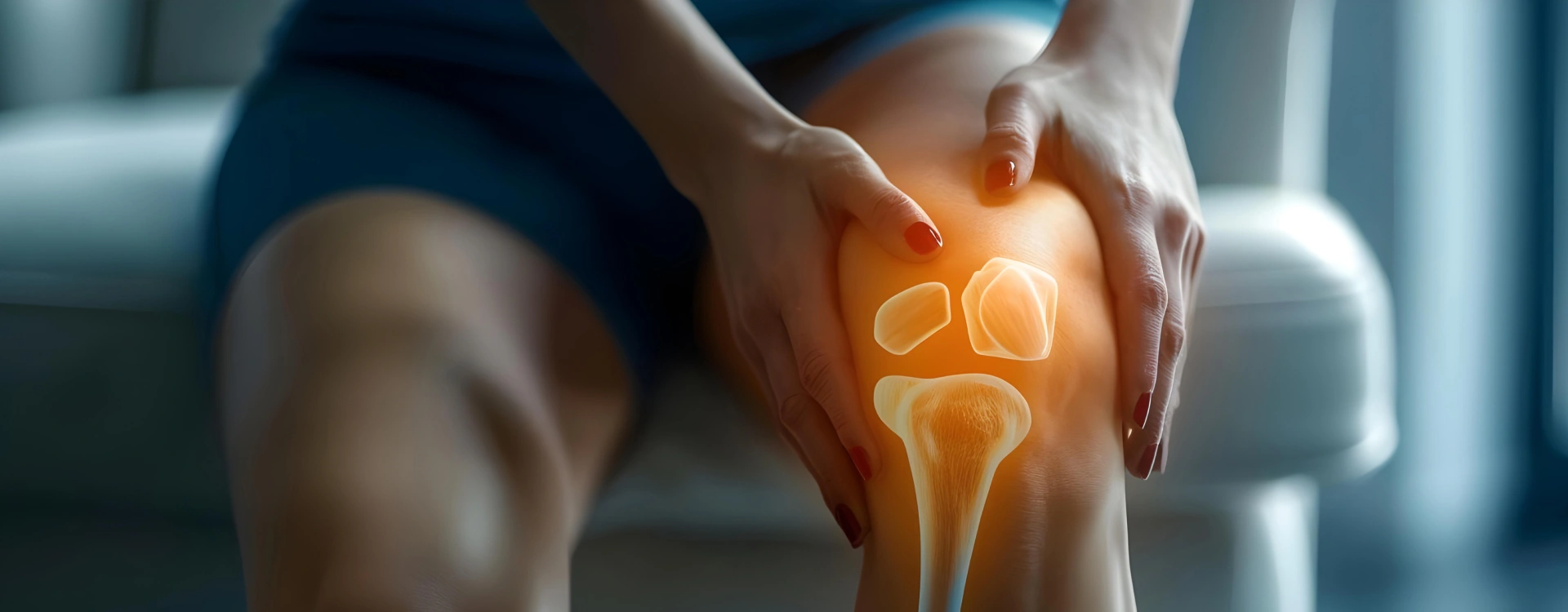
It has often been defined as a mechanical problem because of cartilage wearing down until it becomes inadequate to cushion the joint. But the current findings paint a clearer picture of the underlying situation. Osteoarthritis is now understood as a condition that affects the complete joint rather than being limited to the cartilage (an outdated theory). In addition, it also involves the joint lining, underlying bone, and inflammation. 

Why It Happens

Cartilage deterioration is a characteristic change seen in the case of Osteoarthritis. This change doesn’t occur on its own. A few changes can alter the way the joint manages everyday loads, which include:

  • Low-grade inflammation developing in the lining of the joint
  • Bones underlying cartilage becoming thickened
  • Change in the process that maintains and repairs the tissues

In order to ensure smooth movements, the joints have an ongoing process that effectively removes the damaged tissue and repairs it. In osteoarthritis, this process becomes less effective and fails to maintain the joint structure as efficiently as before. Although this condition doesn’t have a single cause, factors like repeated mechanical stress, excess load, and previous injury may contribute to this gradual change. 

Common Symptoms

Joint pain that worsens with movement and eases with rest is among the most common symptoms. Stiffness after maintaining stationary positions like sitting for a while or waking up is also common, but it may ease within  30 minutes in most cases. The typical picture of Osteoarthritis is rounded out with a few other symptoms like a grinding or cracking sensation while moving, joint swelling, and a gradual reduction in range of motion. 

Who’s More Likely to Develop It

Age is considered one of the strongest risk factors. It happens because the ability of tissues in the joint to repair themselves decreases over decades. A prior joint injury, even one that seemed to heal entirely, may increase the risk of getting this condition considerably. Another major factor is excess body weight, which contributes to this condition through added mechanical load along with broader effects on inflammation in the body. Genetics may play a role too because osteoarthritis seems to run in families. Repetitive joint strain due to certain professions or sports may contribute to this condition as well. 

When to Seek Prompt Medical Attention

This condition develops and changes gradually. However, there are some symptoms that demand a prompt medical evaluation in case they appear: 

  • Significant and sudden joint swelling along with redness and warmth. It may indicate infection or a different type of joint problem. 
  • A joint that either gives way or locks suddenly
  • Inability to bear weight on the joint or a significant loss of function
  • Joint pain accompanied by fever
  • Prolonged morning stiffness lasting well over an hour or widespread joint pain. 

The Diagnosis

Diagnosis involves a physical exam and a detailed look into clinical history, where doctors check tenderness in joints along with other symptoms like swelling and range of motion. X-rays may be used to check characteristic changes and joint space narrowing. But the findings of X-rays don’t always match with the pain or disability that a person experiences. People with significant changes may experience milder symptoms, while those with mild imaging may experience considerable pain. So, the treatment is guided by symptoms and function more than the findings of the imaging techniques alone. 

How Physiotherapy Helps

Physiotherapy helps in the required way by understanding Osteoarthritis as a whole-joint condition rather than just a wear-and-tear issue. There is a very common fear among people that moving such joints might wear away the remaining cartilage even faster. Current evidence points to the fact that cartilage lacks its own blood supply. So, it is dependent on surrounding tissues and joint fluid for drawing nutrients through diffusion. That is why appropriate loading through movement and dosed exercise supports cartilage health rather than speeding its breakdown. And prolonged inactivity may do just the opposite of what people think, i.e., contribute to further joint stiffness and muscle weakness without protecting the joint the way people assume. 

Strengthening the muscles around the arthritic joint plays a crucial role too. Stronger muscles absorb and redistribute the load, which improves how a person controls and tolerates everyday movements. This way, the overall stress on the joint is reduced. In addition, regular movement may have a broader effect on the low-grade inflammation that may be involved in osteoarthritis, but one should not consider exercise as a treatment for the joint inflammation. 

Osteoarthritis Treatment at Painflame

At Painflame Clinic, the treatment starts by properly assessing the affected joints, movement limitations, and current strength, along with the way this condition impacts the daily life and goals of the individual. Based on these inputs, we make a graded strengthening and movement programme that is paced as per the existing symptoms and aims to evolve gradually rather than pushing too hard and too soon. Balance is a key element because extreme inactivity and overexertion may work against the good outcomes. 

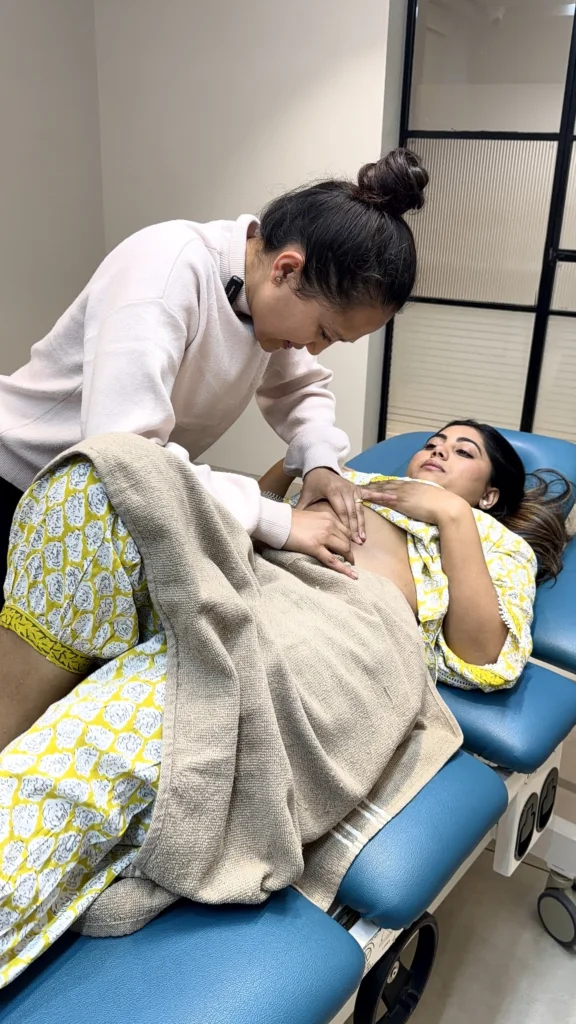
Manual therapy may help in reducing stiffness and improving comfort in the affected joints. Our guidance also includes activity pacing and discussion regarding the role of weight management as part of consistent care in cases when osteoarthritis affects the weight-bearing joints. 

What to Expect Over Time

It is a chronic condition, and some degree of joint changes may continue over time in many people. Consistent and well-paced physiotherapy may offer meaningful pain reduction, better functional ability and strength while supporting everyday activities. People may experience enhanced comfort and function within a few weeks of consistent treatment. However, building strength and confidence in the joint that has been under-used for a while may take several months. 

Can Osteoarthritis Be Prevented

Some of the risk factors behind this condition can’t be changed, like age and genetics. This means complete prevention is not realistic, at least for everyone. But some modifiable factors can make a real difference, like maintaining a healthy weight, building and maintaining strong muscle strength around major joints, and avoiding or getting proper treatment for joint injuries. Properly addressing the modifiable factors can slow down the progression for those who have osteoarthritis.

Frequently Asked Questions

Will exercising wear away more cartilage from my joint if I have osteoarthritis?

This is a very common concern, but it is not true. On the contrary, properly dosed exercises may help improve joint function, muscle strength, pain, and physical capacity. Those exercises need to be modified/avoided which cause flare-ups.

Can physiotherapy reverse osteoarthritis?

No. A complete reversal of the joint’s original state is normally not possible. But a consistent and appropriately paced treatment can reduce pain and improve function and strength.

If I hear a clicking or cracking sound in the joint, does it mean that osteoarthritis is getting worse?

Not necessarily. Such sounds occur in the joint when you have this condition, but the sound alone can’t tell much about how severe it is. The severity of the condition is measured based on other symptoms like swelling, reduced movement, pain, and the changed functional ability.

Reviewed by: Dr. Harish Grover Published: 10 March 2025 Last Updated: 5 September 2026
Evidence Level: Evidence-Based Clinical Guidance

Patient Feedback & Success Stories

Our doctors

Meet more Painflame specialists

Latest Blogs

Book an Appointment