

Back Pain Treatment
Back Pain Treatment by Spine Rehabilitation Experts ✔ Physiotherapy ✔ Chiropractic ✔ Manual Therapy ✔ Personalised Rehabilitation ✔ Non-Surgical Care ⭐ Trusted by 3.5 Lakh+ Patients
 6,200+ Reviews Trusted by thousands.
Recommended by experts.

Expert Back Pain Treatment Without Surgery
Do you find it difficult to get up in the morning because of a dull ache settling in the lower back? Have long hours at the desk not been like before, as you are forced to shift in your chair trying to find the right position? Or just one awkward lift leaves you wincing every time you bend forward. In case any of these issues sound familiar, you are not alone, as back pain has become one of the most common conditions for which people are seeking the right treatment. The good news is that back pain treatments now exist, capable of effectively addressing these issues while avoiding surgery or long-term medication.
Understanding Back Pain
It is a broad term covering discomfort along the spine, right from the base of the neck to the lower back and hips. In some cases, the pain is sharp and sudden, while in others it persists and builds gradually over weeks or months. Experts group these into two broad categories, i.e., acute back pain that may last from a few days to a few weeks, and basic care is enough to resolve it. The second category is chronic back pain, which extends beyond twelve weeks and needs a more structured plan for recovery.
What’s Really Causing Your Pain
There is hardly a simple, single cause behind it. In some people, it results from mechanical issues like strained muscles or ligaments, often from lifting something in the wrong posture, twisting suddenly, or sitting in an improper position for longer durations. Another common contributor is disc-related problems, when the soft cushioning discs situated between the vertebrae herniate or bulge and press against the nearby nerves. This pain sometimes travels down to the leg. Then there are age-related changes caused by the natural wear of the spine over the decades, resulting in narrower spaces through which nerves pass. Though not so common, back pain may also stem from inflammatory conditions, infections, or spinal fractures. Given these complications, precise evaluation is needed in order to design the right treatment plan.
Signs You Shouldn’t Ignore
The way back pain shows up varies based on the cause behind it, and there are a few patterns to notice. If the pain is localized and always worsens with movement or certain postures, it is more likely due to a muscular or mechanical cause. When pain radiates down one leg with rare numbness or tingling, it points towards nerve compression. If you experience stiffness that is at its worst in the morning but eases gradually through the day, it may be due to inflammatory involvement. Reduced range of motion or a type of pain that disrupts sleep are underestimated, but they deserve attention.
Who’s More Likely to Get Back Pain
There are some factors that increase the chances of developing back pain. People who are involved in repeated lifting, twisting, or bending, and those with sedentary jobs that involve long hours at a desk, fall in the higher-risk categories. The spine experiences sustained pressure over time when one sits in poor posture, either behind the wheel or at a desk. Elders are more likely to face the issue as the discs and joints of the body lose flexibility and cushioning. Those with excess body weight put extra load on the lower back muscles that would otherwise support the spine. Another well-recognised contributor is pregnancy, which brings in weight distribution changes and ligament loosening.
When It’s Time to See a Specialist
In some cases, back pain improves within a few weeks with the help of rest, gentle movements, and appropriate care. But there are cases when it is not wise to wait. When the pain is caused by a fall, accident, or injury, prompt assessment is highly important rather than trying to manage it at home. Certain uncommon symptoms require urgent medical attention, such as numbness in the groin, genital area, or inner thighs that does not go away, progressive leg weakness, back pain with fever, or unexpected weight loss. These are signs that might be occasional, but they reflect serious underlying issues, and immediate evaluation can make things better for the person.
For the large number of people whose back pain does not involve these symptoms, a structured back pain treatment in Gurgaon would deliver quick results.
How We Identify the Cause
An accurate diagnosis is the key to any effective treatment plan. Here, we start with a detailed conversation that covers everything from when the pain began, factors that make it worse or better, whether it radiates, etc. After this stage, there is a physical examination that checks the posture, muscle strength, range of movement, and nerve function. Clinical assessment is enough to help the experts identify the root cause. X-rays and other scans are reserved for cases when symptoms persist even after initial care. We ensure a progressive approach to identifying issues rather than relying on scans right from the beginning.
The Way Physiotherapy Helps
Easing discomfort is definitely a priority, but that is not the only solution, which is why physiotherapy addresses the source of the issue by combining:
Targeted exercises: Work best in rebuilding strength in the core and back muscles to provide better support to the spine and reduce excess load on any one structure. It keeps the pain from returning in the future.
Manual therapy techniques: They help in releasing overworked and tight muscles to restore natural movement and bring noticeable relief.
Posture correction: Considers the most underrated aspect, i.e., daily habits like sitting, standing, and lifting things in the wrong posture that lead to excessive pressure on certain muscles.
Specific mobilisation techniques: These are for people who experience pain involving nerve irritation, and they relieve pressure while easing radiating symptoms.
Your Treatment Journey at Painflame
Assessment lets us recognise the issue and also get a clear picture of the cause behind it because, mostly, there are multiple causes. The result from this assessment helps the team design a specific approach that is tailored to the individual. The treatment plan may include targeted exercise, posture guidance, manual therapy, or a combination of these. This way, it remains accurately suited to the severity of the situation and cause of the pain.
Sessions are highly structured here and aim to build progressively, i.e., starting with pain relief and gentle mobility work, then moving towards strengthening to promote functional movements. We make sure that the focus lies on measurable and practical progress, and patients clearly understand not only what is being done but also how each session fits in their overall recovery.
What to Expect on the Road to Recovery
The timeline of recovery depends on the cause and severity of pain. Those who have muscular or mechanical pain start noticing improvement within two to four weeks of initiating the treatment. This time may extend further in case disc-related nerve irritation is involved. Restoring natural movements and reducing pain are the priorities during early sessions. Once individuals start seeing the benefits, later stages come into play that strengthen muscles to prevent recurrence. The thing worth keeping in mind is to stay consistent with the program even after the pain has eased because completing the treatment is the only way to ensure lasting recovery.
In addition, the treatment progresses to the next stage only after making sure that the patient and expert are on the same page regarding the current status.
How to Effectively Prevent Back Pain From Returning
When it comes to preventing back pain, it depends on two factors: the accuracy of the back pain treatment in addressing the issue and sustaining the habits that were built during treatment. Unnecessary stress can be easily avoided by maintaining good posture while sitting or standing for long periods. Taking brief breaks from sitting throughout the day helps in preventing stiffness that can build from extended inactivity.
Maintaining proper body weight is highly recommended as it saves the lower back muscles from excessive load. Doing the strengthening exercises for core muscles is highly beneficial even after the formal sessions have ended. They keep the muscles resilient. Also, be mindful while lifting weights and make sure to bend the knees rather than the waist while lifting. It prevents muscle strain.
Regardless of the complexity, expert care can always make a difference in ensuring peace of mind and long-term health. Painflame stands as a prominent centre for those who want relief from back pain through convenient and non-invasive methods.
Frequently Asked Questions
When will I see the results after starting the treatment?
This duration depends on your specific case. You may notice improvements within two to four weeks of regular sessions in case of a muscle-related issue. But it may extend if the underlying cause is more complicated.
Can’t I rely on adequate bed rest when back pain starts?
Not usually. No doubt, short periods of rest may help initially, but staying inactive for a longer period slows down recovery. Gentle movement is more beneficial, but it can be ensured only if you are under an expert treatment plan.
Is it compulsory to go through MRI or X-rays for back pain?
Not always. These scans are for cases when symptoms persist, and there are some signs of nerve involvement where initial assessment can’t accurately specify the cause.
Can my back pain be treated without any medication?
Physiotherapy-based treatments address the underlying cause precisely, and these are effective without relying on long-term medication.
Should I be worried if my back pain goes on its own?
It is quite common in many people. But you should be concerned, as recurring episodes also reflect that weak core muscles or poor posture are not being addressed properly. Proper evaluation will be of great help in stopping the problem from progressing further.
Should I continue exercising with back pain?
It depends. If your exercise is safe for your condition and the expert agrees on it, you may continue. In case you are talking about high-impact or spine-loading activities, they need to be modified based on the assessment.
Patient Feedback & Success Stories
Treatments
Our Services
Our doctors
Meet more Painflame specialists

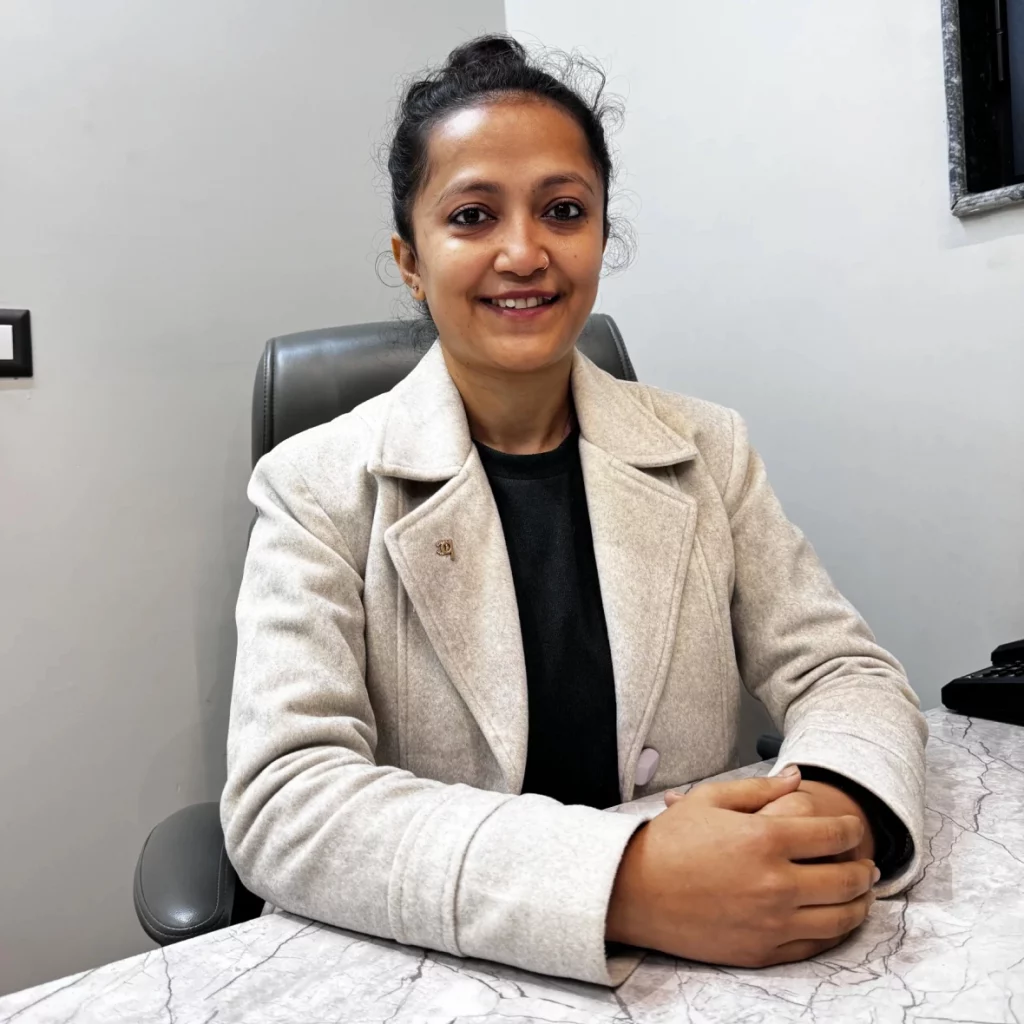
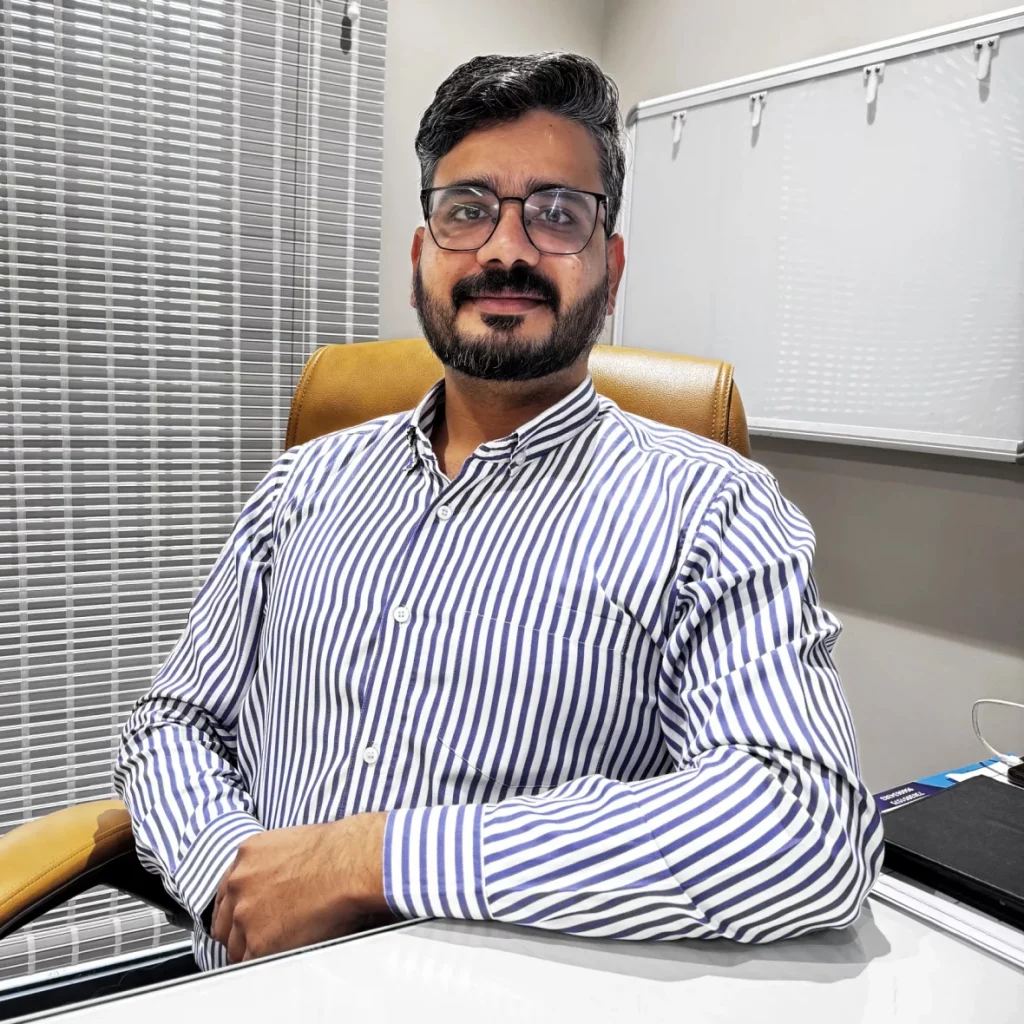

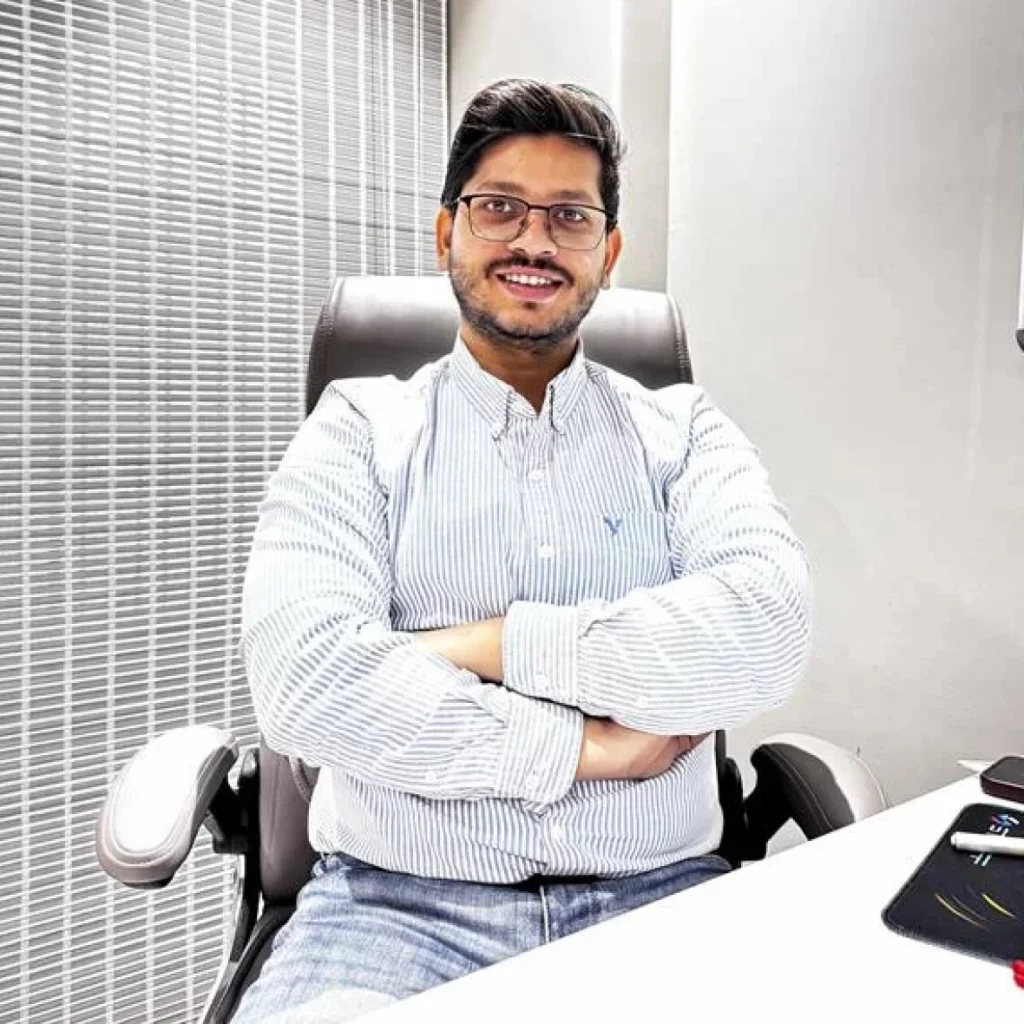

Dr. Divakar Kumar
Sports Rehabilitation, Sports Injury Management, Musculoskeletal Rehabilitation, Performance Enhancement, Strength & Conditioning
Book Appointment

Dr. Jaya Sharma
Pilates Expert | Musculoskeletal Rehabilitation, Sports & Pelvic Floor Specialist
Book Appointment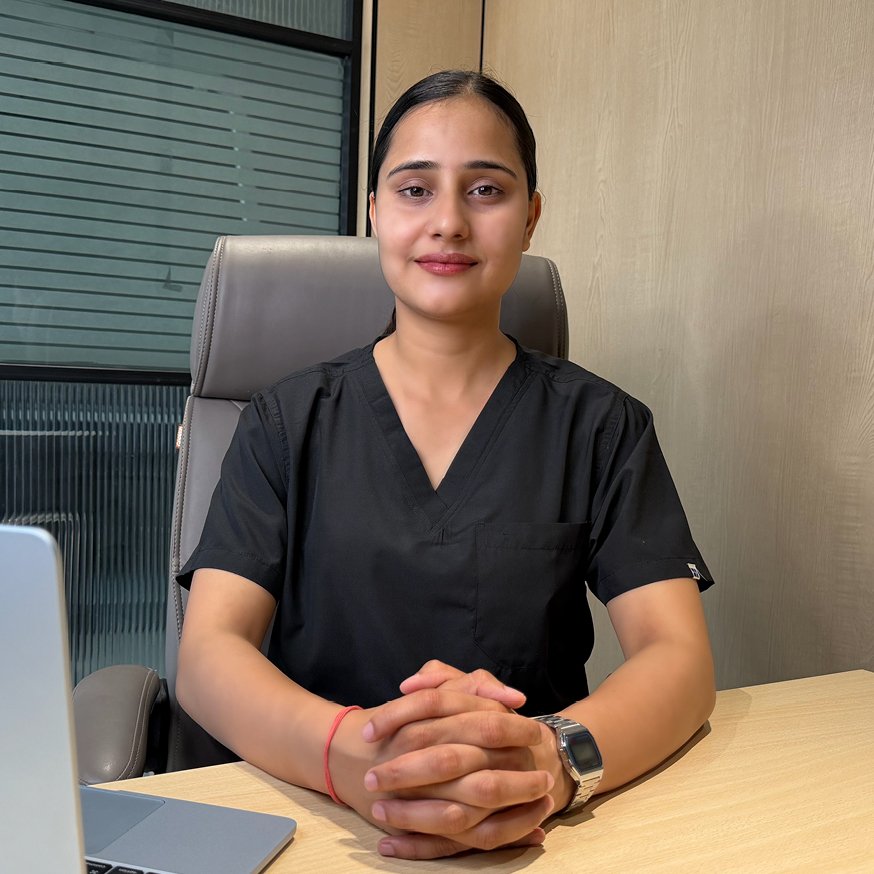
Dr. Priyanka Bhuyan
Tailbone (Coccyx) Treatment, Chiropractic Care, Spine & Joint Rehabilitation
Book Appointment
Dr. Saksham Kapoor
Sports Physiotherapy, Musculoskeletal Rehabilitation, Pain Management, Injury Prevention & Recovery
Book AppointmentLatest Blogs

Neck Stiffness: कारण और 5 मिनट की एक्सरसाइज से राहत
गर्दन की अकड़न (Neck Stiffness): कारण और 5 मिनट की एक्सरसाइज से राहत क्या सुबह उठते…
Read More
Navel Displacement: लक्षण, पहचान और उपचार
क्या आपको अक्सर पेट में अनजान दर्द रहता है? क्या खाने के बाद ब्लोटिंग, गैस या…
Read MoreCore Strengthening Exercise जो कमर दर्द को जड़ से खत्म करे
क्या लंबे समय बैठने के बाद कमर दर्द होने लगता है? क्या सुबह उठते ही पीठ…
Read More