

Sports Physiotherapy
Non-surgical care with personalised rehabilitation and specialist-led treatment at Painflame Clinic.
 6,200+ Reviews Trusted by thousands.
Recommended by experts.

Sports Physiotherapy: Getting Athletes Back to Their Sport, Not Just Back on Their Feet
Are you an athlete dealing with a sport-related injury and wondering not only about when the pain will settle but also about when you will be ready to perform like before? General advice can address the ways to make everyday movements comfortable, but sports physiotherapy works by thoroughly considering the specific demands of athletes. The demands associated with returning to a sport are way more than what is needed during normal activities. A proper rehabilitation approach has to account for strength, movement control, power, endurance, and the overall ability to tolerate specific demands in addition to pain and basic functions.
What Is Sports Physiotherapy
Sports physiotherapy is a specific branch of physiotherapy that focuses on assessment, rehabilitation, and prevention of injuries that are related to sports-related physical activities. In addition to addressing discomfort, it also supports overall physical performance and prepares the body for particular sports. This approach emphasizes the demands of a specific activity that the athlete wants to return to, which may be endurance, speed, power, and the ability to tolerate loads involved on a regular basis. Each of these abilities is more demanding than what is required during everyday activities where general physiotherapy is applied.
Why Sports Injuries Happen
Broadly, sports-related injuries are described as acute injuries or those that develop gradually due to repeated loading. If the tissue is asked for more than what it can currently handle, it may get overstretched. Such injuries may occur during a sudden twist, a hard tackle, an awkward landing, or a collision. Overuse injuries, on the other hand, develop a bit differently. They result from repeated overuse of the muscles. If the training volume increases quicker than the capacity of the muscles to tolerate it, overuse injuries can become more likely. But there are several other factors that can contribute to overuse injuries, like fatigue, returning to intense activities after a period of rest or reduced activity, and improper movement or loading patterns.
Common Problems Sports Physiotherapy Helps With
It can help with a wide range of issues that affect strength, movement, and the overall ability of the person to perform during sports. Some of the common examples include ligament sprains, muscle strains, muscle tears, injuries associated with tendons and tendinopathies, joint-related injuries, and bone stress injuries.
In addition to injuries, athletes may seek sports physiotherapy when certain pain appears during specific movements, or they feel a noticeable reduction in performance or confidence after injury, or when they face issues like joint instability that can impact overall movement. In some cases, minor difficulties make athletes hesitant to load or move the affected area because they fear reinjury. This can affect the way they perform certain movements. Sports physiotherapy addresses these issues because such changes might continue even after treatment if not addressed.
Who Benefits from Sports Physiotherapy
This rehabilitation approach can help people who participate in sport at different levels, starting from those who are regularly involved in recreational activities to those in competitive and professional sports. Structured rehabilitation also helps those who are recovering from procedures like ACL reconstruction or similar surgeries. In addition to these, people who are returning to their sports after a break, facing recurring sports-related problems, or seeking to address certain limitations can also benefit.
When to Seek Medical Attention
This rehabilitation manages many of the sports injuries. But there can be some other symptoms that need prompt medical attention instead of pushing through the discomfort or assuming them to be minor symptoms:
- A suspected dislocation or fracture that shows up as a visible deformity, especially when it occurs with pain and considerable loss of function.
- New numbness, redness, or warmth near the injury, or considerable loss of sensation.
- Worsening symptoms that are not responding as expected during initial care
How a Sports Physiotherapy Assessment Works
The assessment takes into account the history of injury along with the demands of the athletes. A physical examination considers strength, range of motion, function, and movement. Based on the sport one is involved in and the stage of rehabilitation, it may include sport-specific testing like jumping, changes in direction, running, along with other relevant movements.
There are certain limitations that are not visible during everyday activities, so the athlete might be able to perform everyday activities without many issues because the limitation appears in terms of strength, speed, and endurance during intense activities. The assessment accounts for all these issues. The sports-specific lens makes this assessment different from a general approach.
How Sports Physiotherapy Helps
Sports physiotherapy helps athletes regain their ability to meet the physical demands of their sport. Previously routine activities become difficult to perform as injury impacts strength, mobility, coordination, endurance, and confidence. Rehabilitation addresses all such limitations progressively by considering the demands of that person.
With the improvement in physical capacity of the body, the demands placed on it are gradually increased, and the focus of rehabilitation shifts from comfortable everyday movements to more demanding activities that need enhanced strength, balance, speed, endurance, and coordination.
Changes in symptoms are used to monitor progress, physical capacity, movement, and functional performance.
Sports Physiotherapy at Painflame
Sports physiotherapy at Painflame Clinic starts by properly assessing the injury as we go into the details of how it occurred. A clear picture of the current stage of recovery is formed based on the symptoms and history of the injury. After that, the specific demands of the individual are discussed. Then we use all these inputs to build a structured and tailored programme that combines elements like protecting the injury, working on restoring movement, rebuilding strength, speed, and other demands progressively.
Our sports injury rehabilitation programme is progressive and relies on objective testing, not a fixed line. This way, the athletes are able to return to their intense activities when they are ready for it.
Recovery Timeline
When it comes to returning to sports, it is not a single event but a gradual process. This return is described in three stages, i.e., returning to participation, returning to sport, and returning to performance. Return to participation means being able to take part in training or even the sport activity, but at a level below the intended goal. The next stage is return to sport, in which the athlete is able to play again but not at the pre-injury level. The last stage is return to performance, when the athlete is able to match or exceed the previous performance level, and this is a marker of complete recovery. The overall time required for recovery varies based on the severity of injury and other factors.
Prevention
The risk of injury during sports can be reduced by focusing on maintaining strength, balance, movement, and technique. One of the most common mistakes that people make is increasing the training load quickly, which does not give muscles enough time to adapt and may increase the chances of injury. So, training volume and intensity of activities should be increased gradually. In addition, continuing with the sport-specific strength and conditioning work after completing the formal treatment can also reduce the chances of repeat and first-time injuries.
Frequently Asked Questions
How is return to participation different from return to sport?
Return to participation means playing or training at a reduced level. Return to sport is about playing again but not exactly at your previous best. Then there is return to performance as well, which means you are matching or exceeding the way you used to perform before the injury.
Do I need sports physiotherapy in case I am not currently injured?
You can use it proactively to address movement patterns, strength imbalances, and the conditioning gaps that may increase the risk of injury during the sports activities.
Why am I anxious about reinjuring myself during sports even though I returned to the sports after my injury was healed completely?
This is a commonly recognised feeling among those who return from injury. It shows the importance of psychological readiness during rehabilitation. As a progressive plan keeps on improving symptoms, the athlete gains confidence in the movements. And when they feel a genuine readiness, it is the time to get back to their sport.
Is it true that returning to sports too early during the treatment can increase the risk of injury?
Yes, and this is backed by research rather than some general advice. Even if the pain has settled, you have to return to intense activities only after the muscle has gained its objective strength and functional benchmarks.
Patient Feedback & Success Stories
Treatments
Our Services
Our doctors
Meet more Painflame specialists




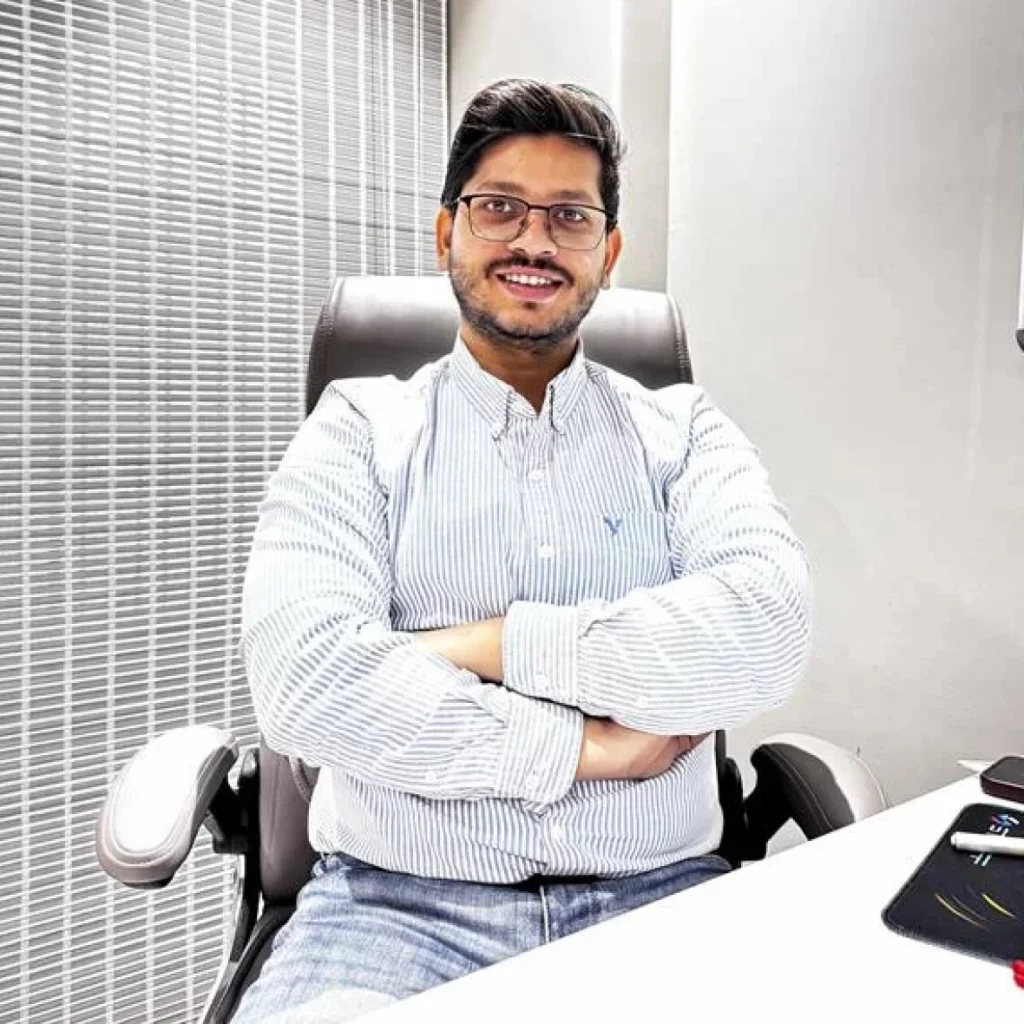

Dr. Divakar Kumar
Sports Rehabilitation, Sports Injury Management, Musculoskeletal Rehabilitation, Performance Enhancement, Strength & Conditioning
Book Appointment

Dr. Jaya Sharma
Pilates Expert | Musculoskeletal Rehabilitation, Sports & Pelvic Floor Specialist
Book Appointment

Dr. Priyanka Bhuyan
Tailbone (Coccyx) Treatment, Chiropractic Care, Spine & Joint Rehabilitation
Book Appointment
Dr. Saksham Kapoor
Sports Physiotherapy, Musculoskeletal Rehabilitation, Pain Management, Injury Prevention & Recovery
Book AppointmentLatest Blogs
Neck Stiffness: कारण और 5 मिनट की एक्सरसाइज से राहत
गर्दन की अकड़न (Neck Stiffness): कारण और 5 मिनट की एक्सरसाइज से राहत क्या सुबह उठते…
Read More
Navel Displacement: लक्षण, पहचान और उपचार
क्या आपको अक्सर पेट में अनजान दर्द रहता है? क्या खाने के बाद ब्लोटिंग, गैस या…
Read MoreCore Strengthening Exercise जो कमर दर्द को जड़ से खत्म करे
क्या लंबे समय बैठने के बाद कमर दर्द होने लगता है? क्या सुबह उठते ही पीठ…
Read More