

Post-TKR & THR Rehab Physiotherapy
Recover Mobility & Return to Daily Life with expert Post-TKR & THR rehabilitation focused on strength, balance, flexibility, and confident movement after surgery.
 6,200+ Reviews Trusted by thousands.
Recommended by experts.
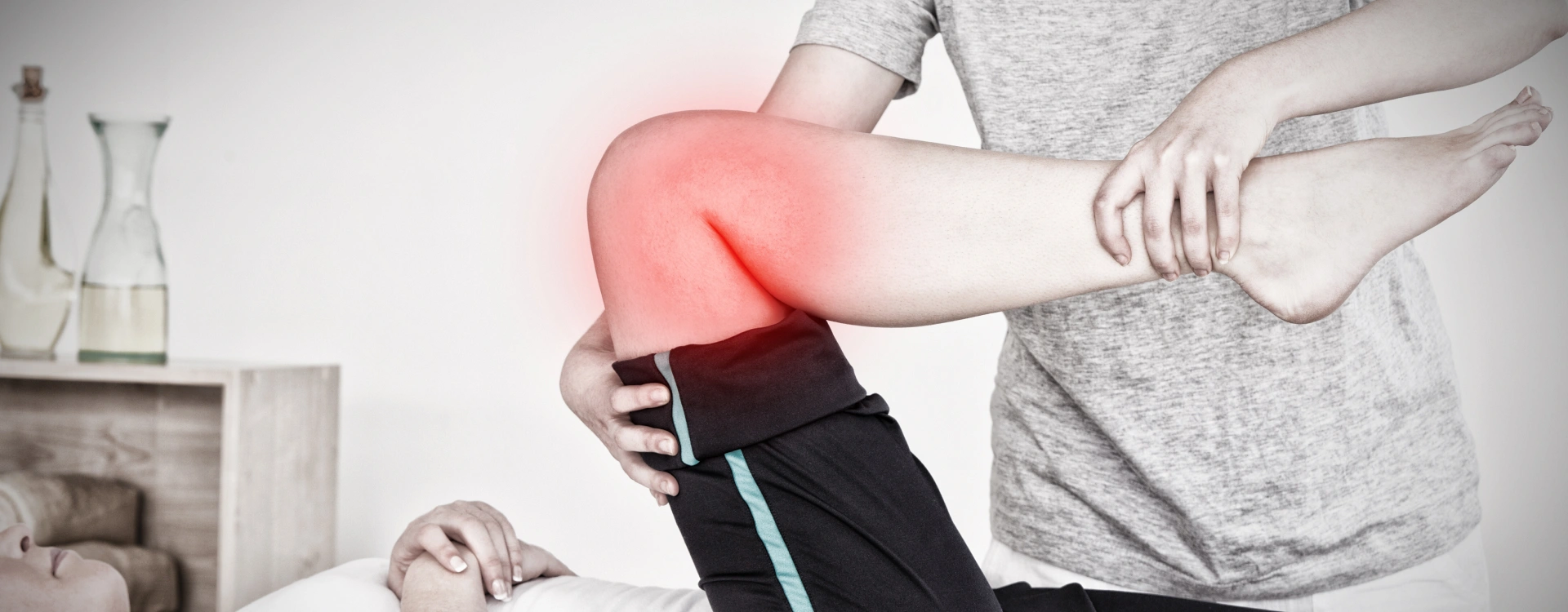
Post-TKR & THR Rehab Physiotherapy: Getting the Most Out of Your Joint
You’ve been through a knee or hip surgery and, like most people, you may think that when surgery is over, you are past the most worrying step. But the reality tends to be the opposite because after a successful surgery comes the part that determines how well you will be able to use your knee or hip for years to come. We are talking about rehabilitation. Structured post-TKR & THR rehab physiotherapy can play a crucial role in turning a surgery into a reliable knee or hip that you can start to trust again.
What TKR and THR Involve
Total knee replacement (TKR) and total hip replacement (THR) involve the removal of damaged joint surfaces with artificial components that have been specially designed to restore smooth, pain-free movement. Though these two are often discussed together, they are genuinely different in terms of the recovery process. This article covers both of these because we think that understanding the difference is important before one dives into general advice.
Why TKR and THR Rehab Aren’t the Same Journey
This distinction shapes much of how each recovery should be approached. After a successful knee replacement, the most prominent challenge is regaining range of motion because scar tissue forms around the new joint and restricts how far the knee bends. In the case of TKR, it has been found that a knee that bends only a little more than it did right after surgery can easily support a huge improvement in daily life. This is because the flexion of the knee improves only modestly while its functional ability, like walking, getting up from a chair, and climbing stairs, improves dramatically over the same period. Hence, rehab needs to focus as much on chasing specific bend angle as on functional tasks.
In case of a hip replacement, stiffness is less of an issue after the surgery. The bigger priority here is to protect the joint from dislocation as the surrounding tissues are healing. Hence, a proper THR rehab involves specific movement precautions, avoiding combined positions, like bending the hip while turning the leg inwards, that may place more stress on the new joint. As the tissues surrounding the joint heal, these precautions ease over the following weeks. But being careful about such precautions is considerably more important for hip replacement as compared to a knee replacement.
Signs Your Recovery Needs More Structured Support
Discomfort, stiffness, and weakness of some degree are expected after both these surgeries. However, there are a few patterns that suggest rehab should be prioritised or intensified rather than leaving it to resolve on its own:
- Reliance on a walker or other significant support beyond what the surgical team expected at this stage
- Persistent swelling around the joint that does not ease with rest or elevation
- Hesitation around using the joint normally, in addition to the physical limitation
- Difficulty in straightening or bending the knee or a noticeable hip stiffness that is not improving gradually
- Weakness in your operated leg that is creating difficulties in walking stairs, standing from a chair, and other daily activities
Who’s More Likely to Have a Harder or Slower Recovery
Now that everyone reading this article has already had a TKR or THR, the important question isn’t who gets the surgery, but it’s who might need extra time and support during recovery. Since tissue healing and muscle strength rebuilding take longer in later life, old age is a prominent factor. Obesity and diabetes are also linked to slower healing and an increased chance of complications partly because of the way they affect circulation and wound healing.
If one has lived with pre-existing weakness or stiffness in the joint, going into surgery means there will be more ground to make up afterward. Recovery is more likely to be longer and more complicated for a person with a sedentary lifestyle and smoking. These factors don’t necessarily make the recovery difficult for someone, but prior knowledge is important in setting realistic expectations.
When You Need Urgent Medical Attention
Recovery may not always follow a smooth path. Sometimes, specific signs appear beyond normal, expected discomfort of recovery that need prompt medical evaluation rather than waiting for the next appointment:
- Redness, calf swelling, warmth, or pain, especially in one leg, might indicate a blood clot
- Sudden chest pain or shortness of breath
- Fever or surgical wound that looks increasingly warm, red, or is draining fluid
- In case of THR, a sudden severe pain, complete inability to bear weight, or a leg that looks shorter or turned outward may be because of hip dislocation
- A rapidly increasing pain that is not responding to prescribed pain management.
One of the most recognised complications is blood clots in the case of TKR and THR. This is the reason why early movements like simple ankle pumps and short walks are encouraged in the first day or two rather than opting for an extended bed rest.
How Your Recovery Is Assessed
A physiotherapy assessment starts within a few days after surgery and focuses on how safely the person can move, transfer, and bear weight. It also remains alert to early signs of complications like the ones mentioned above so that they can be reported to the medical teams in time. With the progress of recovery, the assessment shifts towards range of motion, strength, and functional tasks like walking distance and getting out of a chair, in order to get a clear picture of progress rather than monitoring the pain levels alone.
Why Physiotherapy Matters During Post-TKR & THR Rehab
A structured post-TKR & THR rehab is not only about enhanced mobility. Movement supports healing and helps in avoiding problems that might be caused by prolonged immobility. With gentle and guided activities, circulation is improved, and it also helps in reducing the risk of blood clot formation in the legs, which is one of the most serious complications after a joint replacement surgery. In addition, movement also helps in managing swelling and stiffness that naturally follow surgery. Staying still for too long may allow stiffness and swelling to build up rather than settle.
The retraining of physiotherapy goes beyond the joint itself and addresses the surrounding muscles that weaken considerably before and after surgery, especially the hip abductors after hip replacement and quadriceps after knee replacement. Rebuilding the strength of these muscles can contribute to the confidence of individuals.
Timing is an important factor as well. Starting proper rehabilitation earlier with appropriate intensity and cautious pace tends to produce better functional outcomes for most patients. This is one of the reasons why physiotherapy paces the programme deliberately.
Post-TKR & THR at Painflame
At Painflame Clinic, rehabilitation starts by properly understanding which procedure was performed, how the surgery went, and what a day looks like for that person because a return-to-desk-job goal differs a lot from a return-to-active-sport. Our early focus is on helping the person regain range of motion with the help of guided mobilisation along with quadriceps activation in case of knee replacement. This is done because strong early quad function is needed for better long-term outcomes.
For hip replacement patients, rehab is built around movement precautions during the early weeks while progressively strengthening the hip abductors and the core to support stable and confident walking. Balance work and gait training are also key pathways that can correct compensatory walking patterns that some patients develop before surgery and continue afterwards. When someone finds it difficult to travel to the clinic during the early recovery period, our home physiotherapy visits ensure proper support without an added strain of a clinical visit.
What Recovery Usually Looks Like
Post-TKR & THR rehab physiotherapy varies based on many factors like age, general health, type of procedure, and pre-surgery conditions. Usually, during the first few weeks, focus lies on protecting the joint, managing swelling along with pain, and achieving basic functional milestones like walking short distances and managing stairs safely. From around two to six weeks, the work on strength and range of motion is intensified when the swelling starts settling, and the tissue healing progresses further. Most people transition away from walking aids during this stage. Between six and twelve weeks, patients may start walking without support and return to their daily activities. But building complete strength and confidence for more demanding activities continues for several months ahead. The full recovery in terms of strength, endurance, and complete confidence in the joint is measured roughly in the range of six months to a year.
Getting the Most Out of Your Recovery
There are a few things that genuinely make a difference during TKR & THR treatment in terms of how well the recovery goes. Building strength before surgery, which is sometimes called prehabilitation, may support better post-surgical outcomes. So, this is worth discussing with your surgical or physiotherapy team in advance if surgery has not happened yet. Precisely following the prescribed precautions during the early weeks after surgery, especially in case of hip replacement, protects the joint while it is most vulnerable. Consistency with the home exercise programme between formal sessions is very important because strength and mobility gains depend on regular, ongoing practice rather than periodic bursts of effort. Ongoing load on the new joint can be reduced by maintaining a healthy body weight.
Frequently Asked Questions
Why do we need to follow hip precautions after THR but not after TKR?
Hip precautions exist in order to protect the new hip joint from dislocating when the surrounding tissues are healing. This type of risk does not apply in the same way to a knee replacement. Hence, these two recoveries are guided by varying priorities during early weeks.
Is rehab important in case the surgery was successful?
Yes. A well-performed surgery creates an opportunity for a good outcome, but movement and strength patterns along with confidence are needed to use the new joint efficiently during daily life. And these are built with the help of structured rehabilitation, not by the surgery alone.
Why does my knee feel stiff months after knee replacement?
To some degree, it is normal, especially in the first few months. But it should gradually improve with consistent rehab. The functional improvements like walking and climbing stairs outpace how much the knee actually bends after the surgery. So, stiffness alone can’t reflect how well the recovery is progressing.
Patient Feedback & Success Stories
Treatments
Our Services
Our doctors
Meet more Painflame specialists






Dr. Divakar Kumar
Sports Rehabilitation, Sports Injury Management, Musculoskeletal Rehabilitation, Performance Enhancement, Strength & Conditioning
Book Appointment

Dr. Jaya Sharma
Pilates Expert | Musculoskeletal Rehabilitation, Sports & Pelvic Floor Specialist
Book Appointment

Dr. Priyanka Bhuyan
Tailbone (Coccyx) Treatment, Chiropractic Care, Spine & Joint Rehabilitation
Book Appointment
Dr. Saksham Kapoor
Sports Physiotherapy, Musculoskeletal Rehabilitation, Pain Management, Injury Prevention & Recovery
Book AppointmentLatest Blogs
Tired of Back Pain? Here’s What Your Spine Is Actually Trying to Tell You
Most lower back pain comes down to daily habits — long hours hunched at a desk,…
Read More
Don’t Ignore Neck Pain: 4 Signs It’s More Than Muscle Strain
Most neck pain comes from poor posture, stress, or a bad pillow, and eases within a…
Read More
Why Thousands in Gurgaon Are Skipping the Clinic for Home Physiotherapy?
If you’re managing back pain, recovering from surgery, or dealing with chronic joint stiffness in Gurgaon,…
Read More