

ACL TEAR Treatment
Torn ACL? Rebuild Strength and Stability — The Non-Surgical Way First. Expert ACL tear treatment at Painflame Clinic in Gurgaon & Paschim Vihar, Delhi — physiotherapy-led rehab focused on strength, stability, and safe return to sport.
 6,200+ Reviews Trusted by thousands.
Recommended by experts.
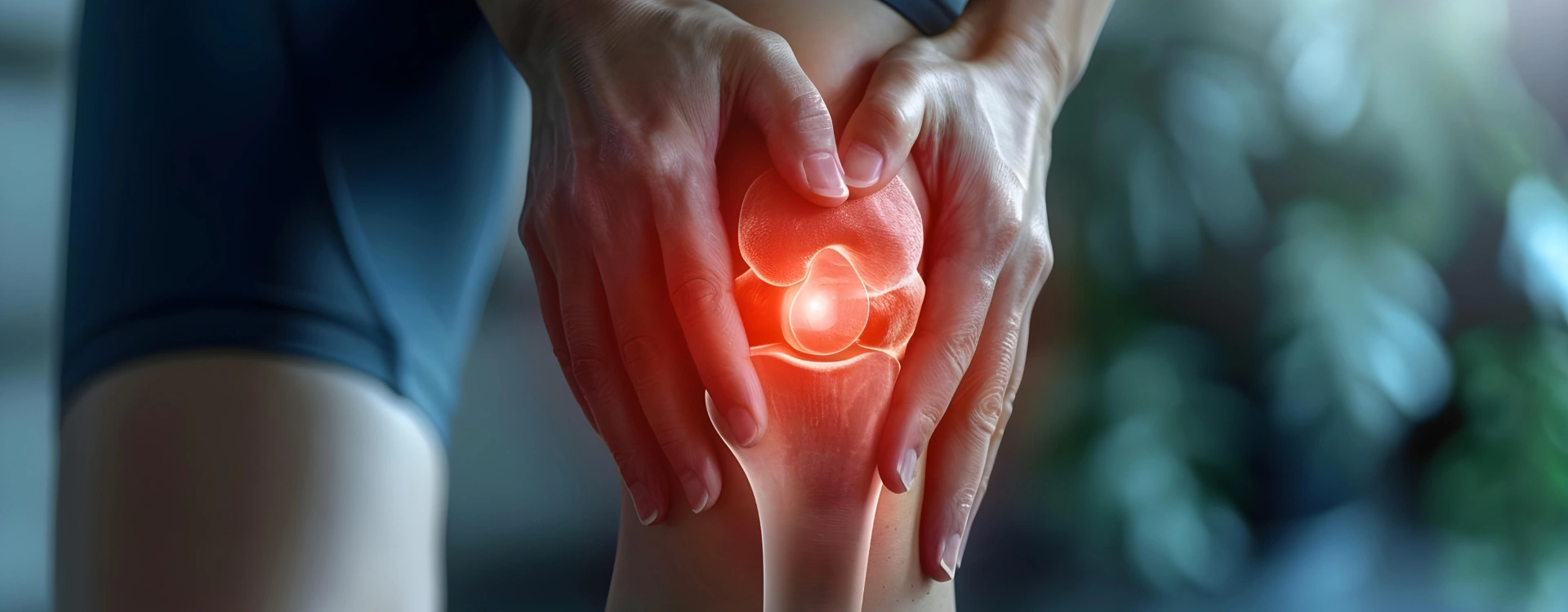
ACL Tear Treatment: Rebuilding a Knee You Can Trust Again
You plant your foot to change direction or simply land a bit awkwardly from a jump, and the knee gives way with a sound that you hear as much as you feel it. The joint then swells within hours or sometimes even quicker and won’t be able to hold your weight like a few moments back. This instant becomes particularly important for people as it draws a clear line between the knee one knew and the one they are trying to understand. Such a case may lead to an ACL tear; one of the most common knee injuries. No doubt, it is a setback. The good news is, the right ACL tear treatment restores the full function of the knee without relying on surgery in many cases.
Understanding the ACL Tear
Deep inside the knee sits the anterior cruciate ligament. It crosses diagonally between the shin bone and thigh bone. Its main job is to prevent the shin bone from sliding too far forward and also control how much the knee twists during movement. The structure is small for sure but has an outsized job. Each pivot, landing from a jump, demands the ACL to quietly work and keep the knee joint properly aligned.
Sometimes, the ligament is stretched beyond its normal range, which usually does not occur from a direct hit to the knee but mostly when the knee either twists or buckles under the momentum of the body. The injury is described on a scale from mild to complete tear based on how much the ligament has stretched. A thorough assessment precisely identifies the level of tear because it shapes all the decisions that follow, including the need for surgery.
Why It Happens
The ACL tear occurs as a non-contact injury in most cases. Suppose while playing football, you plant your foot to slow down your speed or simply land from a jump with the knee in a slightly inward position. In that split second, the combination of force and inward knee movement puts more pressure on the ligament than it can absorb, and the fibres give way. Any movement, even outside the sports activity that combines a sudden force on the knee with an inward twist, may lead to this injury.
Strong hamstrings do some part of the job of the ACL. In case one has weak hamstrings, the chances of an ACL tear increase.
Common Symptoms
One of the most reported signs is a popping sound or sensation at the time of injury, but it is not experienced by everyone facing an ACL tear. Swelling develops pretty rapidly, usually within the first hour or two. During the days following the injury, people sense the knee being unstable or ready to buckle, especially when they try to change direction or descend stairs. Other major symptoms include pain and tenderness around the joint and a restricted range of motion, along with difficulty fully straightening the knee.
Who’s More Likely to Develop It
Athletes who play sports where sudden stops, direction changes, and jumps are involved, like football, basketball, badminton, and skiing, face an elevated risk because of the way their knees are required to absorb force. Female athletes have been found to get this injury more than men if they take part in similar activities. Researchers have pointed out that it happens because of factors like hip and knee alignment, the influence of hormones on ligament laxity, and the differences in landing mechanics. The ones who have torn their ACL in the past have a meaningfully higher risk of a future tear, as the surrounding muscles and the neuromuscular control don’t return to pre-injury level without dedicated rehabilitation. Poor landing techniques and weaker hamstrings as compared to quadriceps add to the risk of tear as well.
When to Seek Help
ACL injuries, in general, don’t require an emergency room visit. However, there are some signs that call for an immediate and thorough medical examination rather than opting for home care alone:
– Being unable to bear any weight on the leg
– An unusually positioned or visibly deformed knee
– Significant and rapid swelling that makes the knee feel tight and hot
– Numbness in the lower leg with noticeable change in colour
– Knee that is locked and does not bend or straighten completely
How the Diagnosis Is Made
The story of the injury is the starting point of diagnosis, and doctors gather information about how it all happened. Whether it resulted from a direct hit or the knee twisted on its own, whether the pop was felt and how quickly the swelling appeared are some of the most important points. Lachman test remains the most useful hands-on test to check how far the shin bone shifts forward relative to the thigh bone when the knee is bent gently. Many studies have shown this test to be more accurate than the anterior drawer test when it comes to detecting the ACL tear.
If the clinical picture suggests a tear, an MRI is used to confirm the tear and accurately check for accompanying damage to the adjacent ligaments or meniscus because these have been found to occur alongside an ACL tear.
How Physiotherapy Helps
Physiotherapy works well in closing the gaps that don’t close on their own. It works first on building strength where it is needed, i.e., rebuilding hamstring strength. This strength gives the knee some natural protection, which the ligament used to provide. The targeted ability of physiotherapy lets experts pinpoint the areas that need more care. By properly working on dynamic control, it helps the knee regain the ability to be properly aligned during fast and unpredictable movements. Rebuilding this control is essential because a knee can look strong in a straightforward leg press but can still collapse inward when the person changes direction quickly or lands from a jump.
In addition, physiotherapy works on rebuilding the confidence of individuals once the knee is healed properly. After an ACL tear, people alter the way they move to avoid discomfort, like shifting weight from the injured leg or avoiding some angles while walking. Such habits may unconsciously continue even after the knee has regained its abilities. If left unaddressed, these compensations can limit performance and may also increase strain somewhere else in the body. The right physiotherapy approach ensures that natural movements are reintroduced so that one can trust the knee again.
ACL Tear Treatment at Painflame
Painflame Clinic starts the treatment by thoroughly understanding the tear along with regular demands of the person from the knee and how good the condition is for a non-surgical recovery path. When the issue is found to be suitable for a non-surgical treatment, the rehabilitation focuses on reducing swelling initially and then works on restoring basic movements while reducing the pain. After the patient becomes comfortable enough, the strengthening exercises target the hamstrings and quadriceps to rebuild the ability. Athletes who need to return to their competitions or specific sports benefit from our sports injury rehabilitation programme. The goal is to help people return to their regular activities when they are ready rather than by some fixed calendar date.
What Recovery Usually Looks Like
The timeline of recovery depends on the level of tear and the activity goals of the patient. If there is a mild, partial tear, meaningful improvement is seen within six to eight weeks of consistent care. In case one wants to rebuild the strength and control needed for their high-demand activities, it may take months longer. Regardless of the treatment approach one needs, the focus lies on ensuring genuine readiness rather than just alleviating the pain. Even when the treatment period is longer, the improvements are visible in multiple stages when pain and swelling ease, range of motion and strength are improved, and then the confidence and control are regained for unrestricted movement.
Reducing the Risk of a Future Tear
Preventing an ACL tear requires attention rather than afterthought, especially for those who’ve had this injury before. Continuing with the habits learnt during rehabilitation programmes reduces the chances of getting this risk significantly. Properly maintain the hamstring-focused strengthening beyond the point where the knee starts to feel normal again. It helps in maintaining a protective balance between the front and back of the thigh. While getting back to intense activities, make sure to proceed gradually so that the strength and control of the knee catch up.
Frequently Asked Questions
How to know if an ACL injury is more serious as compared to a simple sprain?
Look out for a distinct popping sensation during injury, or rapid swelling right within the first hour, or a feeling of the knee giving way. These are some of the clearest early signs that demand a quick assessment.
Can an ACL tear be healed without surgery?
Yes. Many people recover well with the help of structured physiotherapy. The need for surgery becomes a priority in case of a severe tear and the demands of the individual.
Why does my knee feel unstable even after the pain has gone?
If the pain has eased, it does not mean that the required strength and control have completely returned. Deliberate strengthening and retraining are needed to give your knee the level of stability it needs during everyday movements.
How do I know if I have a serious ACL injury?
If you heard a popping sound, experience severe knee swelling, instability, or pain when moving, it’s crucial to seek medical care to prevent long-term joint damage.
What is the best non-surgical treatment for an ACL tear?
At Painflame, we offer physiotherapy, manual therapy, knee bracing, and posture correction to help heal ACL tears naturally, improve joint function, and prevent future injuries.
Patient Feedback & Success Stories
Treatments
Our Services
Our doctors
Meet more Painflame specialists




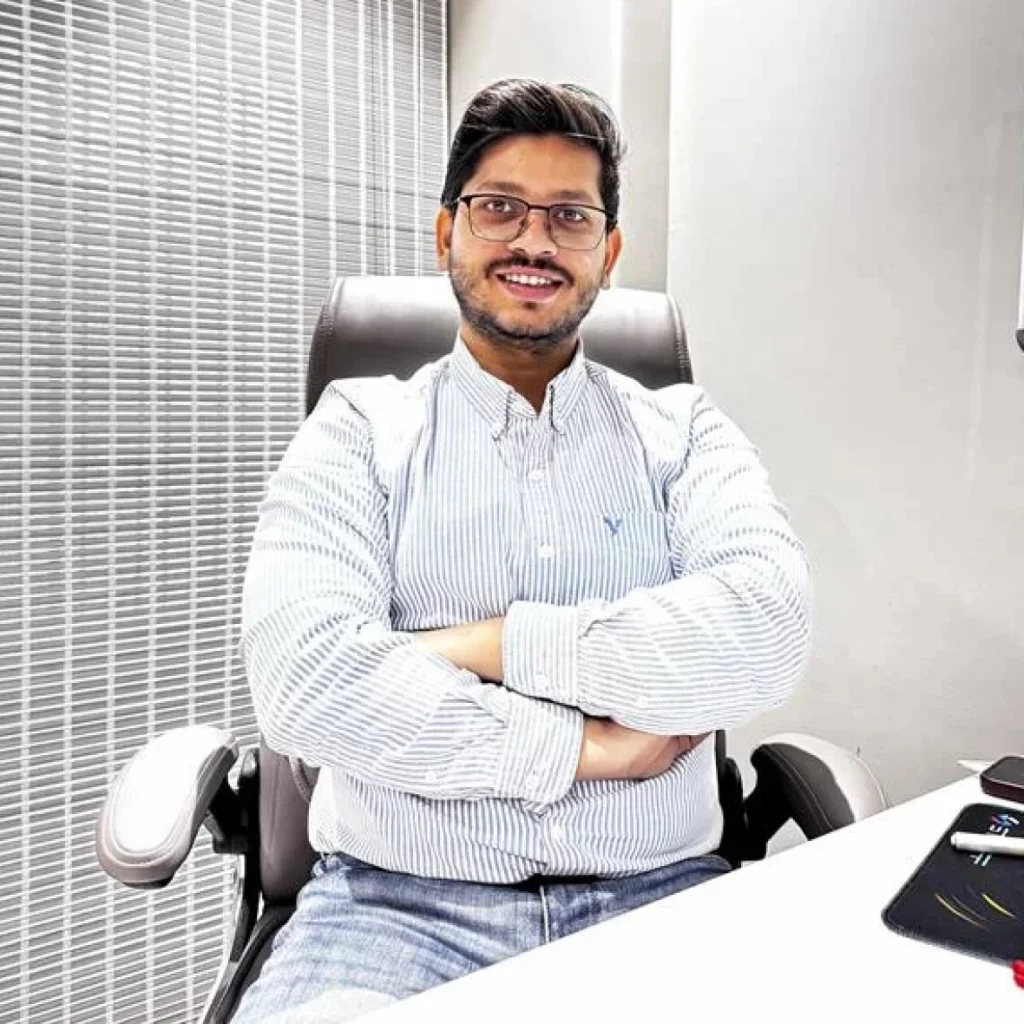

Dr. Divakar Kumar
Sports Rehabilitation, Sports Injury Management, Musculoskeletal Rehabilitation, Performance Enhancement, Strength & Conditioning
Book Appointment
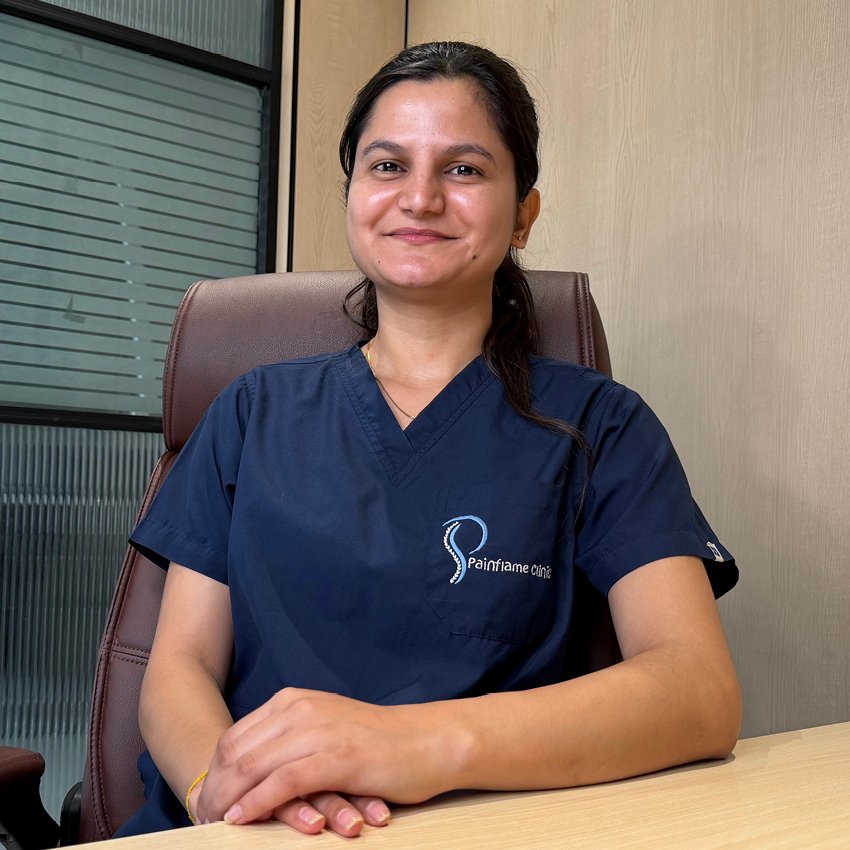
Dr. Jaya Sharma
Pilates Expert | Musculoskeletal Rehabilitation, Sports & Pelvic Floor Specialist
Book Appointment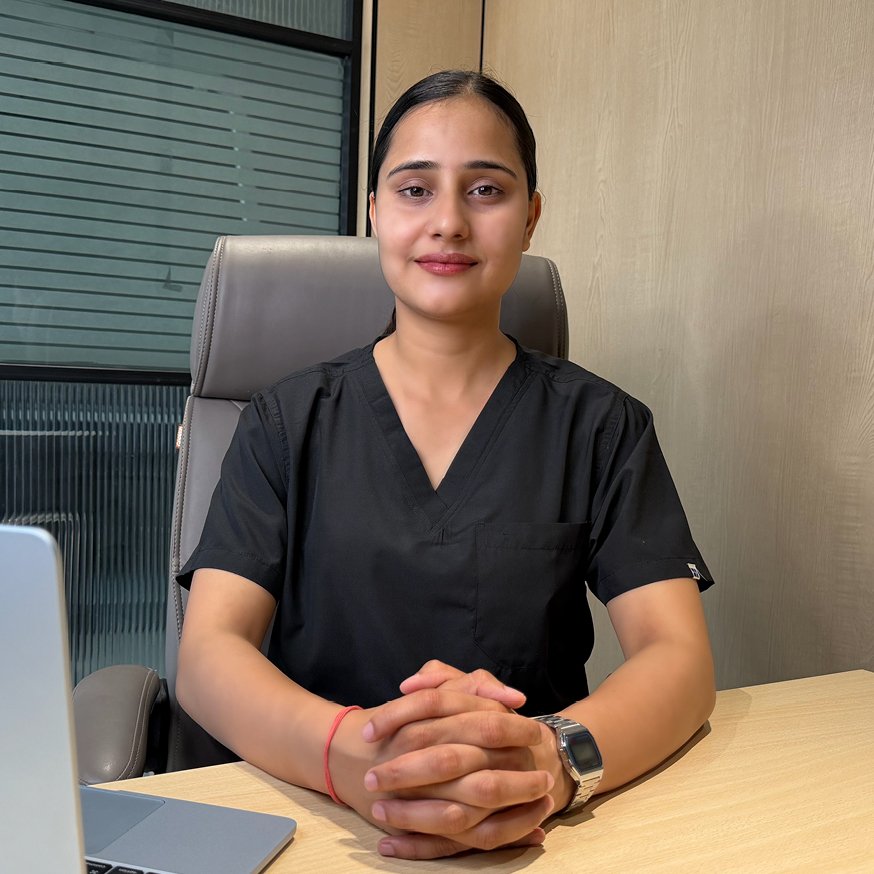
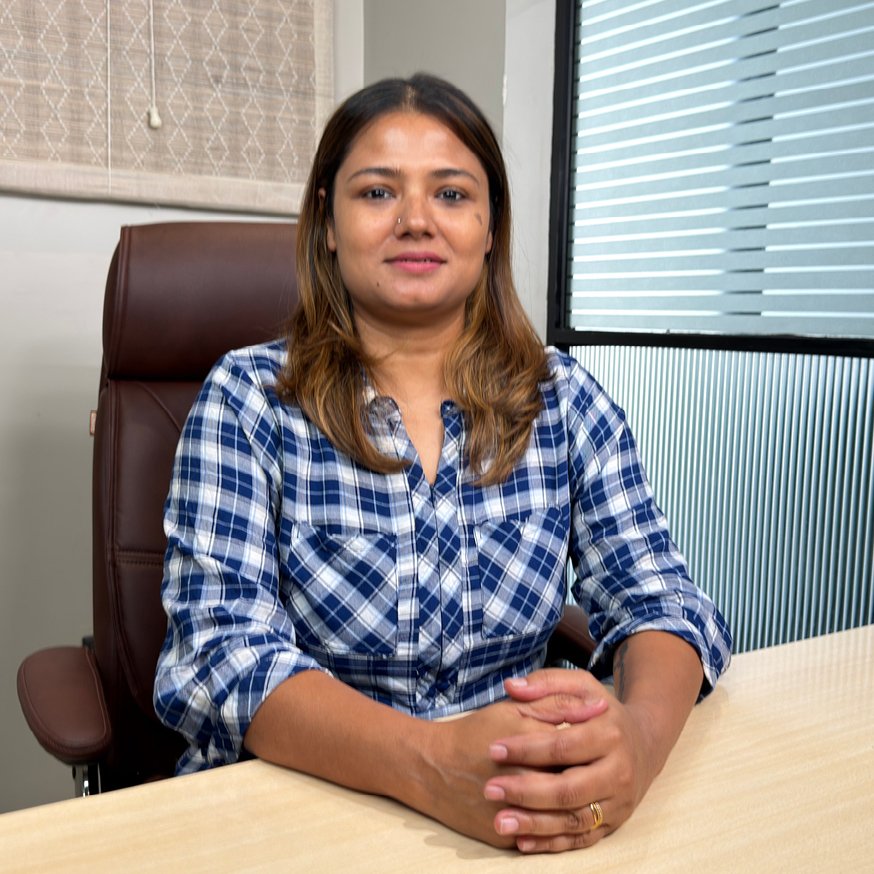
Dr. Priyanka Bhuyan
Tailbone (Coccyx) Treatment, Chiropractic Care, Spine & Joint Rehabilitation
Book Appointment
Dr. Saksham Kapoor
Sports Physiotherapy, Musculoskeletal Rehabilitation, Pain Management, Injury Prevention & Recovery
Book AppointmentLatest Blogs
Neck Stiffness: कारण और 5 मिनट की एक्सरसाइज से राहत
गर्दन की अकड़न (Neck Stiffness): कारण और 5 मिनट की एक्सरसाइज से राहत क्या सुबह उठते…
Read More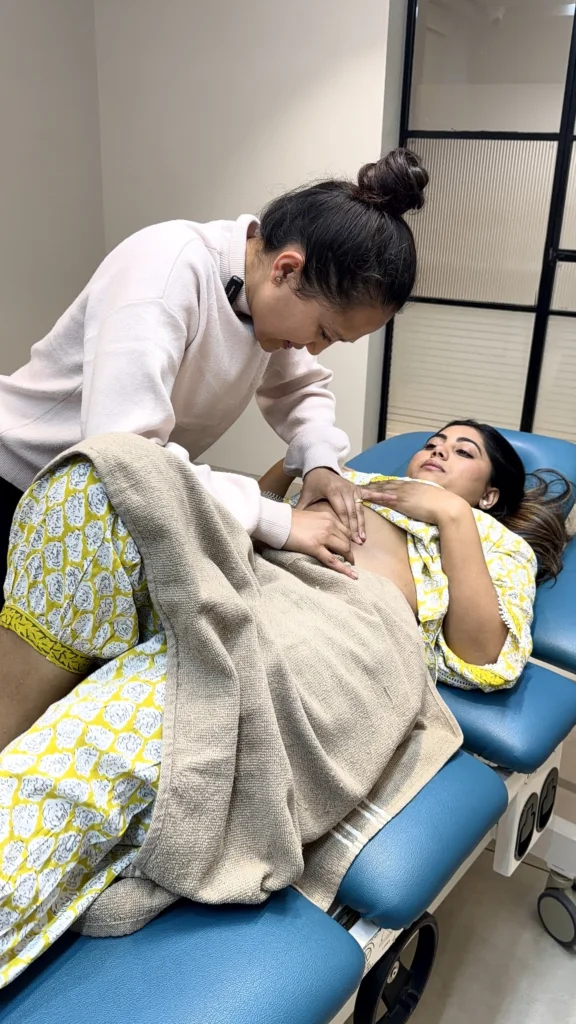
Navel Displacement: लक्षण, पहचान और उपचार
क्या आपको अक्सर पेट में अनजान दर्द रहता है? क्या खाने के बाद ब्लोटिंग, गैस या…
Read MoreCore Strengthening Exercise जो कमर दर्द को जड़ से खत्म करे
क्या लंबे समय बैठने के बाद कमर दर्द होने लगता है? क्या सुबह उठते ही पीठ…
Read More