
Most lower back pain comes down to daily habits — long hours hunched at a desk, lifting things wrong, a core that’s barely working, or a mattress you’ve put off replacing for too long. If you’re waking up stiff every morning or feeling a sharp pain shoot down one leg, your body’s asking for proper attention. Painflame Clinic offers non-surgical options — physical therapy, spinal decompression, and treatment plans built around what’s actually causing your pain.
Crores of Indians deal with chronic back pain every day. Most try yoga for a week, rest for a few days, maybe apply a hot water bottle — and when nothing sticks, they quietly accept the pain as permanent. It usually isn’t. But working out why it’s there takes more than guesswork and home remedies.
Here’s a plain look at the daily habits that make back pain worse, the warning signs worth paying attention to, and the non-surgical treatments that have helped over 3.5 lakh patients by Dr Harish Grover at Painflame Clinic avoid surgery altogether.
The Hidden Triggers Behind Your Back Pain
Back pain rarely starts with one dramatic moment — a fall, a heavy lift, a sudden twist. More often it’s not one big thing but little mechanical strains that build up over months or years until one day your back just refuses to cooperate.
Here are the most common causes hiding in plain sight:
- Poor posture during desk work. Sitting hunched over a laptop for 8–10 hours puts constant pressure on your lower spine. Your muscles try to compensate — and when that becomes your all-day, every-day position, the compensation itself becomes the pain.
- Incorrect lifting mechanics. Bending at the waist to pick up a heavy bag of groceries dumps the full load onto your lumbar discs instead of letting your legs take it. One bad lift on a disc that’s already been under pressure for months can tip things over the edge.
- Core muscle weakness. The deep muscles around your spine are supposed to act as a natural support system. When they’re weak — which is extremely common if you sit for most of the day — your lower back ends up doing work it was never meant to handle alone.
- A worn-out mattress or poor sleep posture. An unsupportive mattress holds your spine in a bad position for six to eight hours every night. You’re stiff before your morning chai is even ready — and that stiffness compounds over time.
Sound familiar? These patterns show up in a large proportion of chronic back pain cases seen in Indian clinics. Most people don’t connect the daily habit to the pain until it’s been dragging on for years.
Listening to Your Spine: What Type of Pain Are You Feeling?
The character and location of your pain are more than just descriptors — they’re clues. Knowing what you’re actually experiencing helps determine how soon you need to act.
What does a dull, persistent ache usually mean?
A heavy, dull ache that follows you through the day is typically muscle strain or postural fatigue. It tends to build gradually, gets worse after long periods of sitting or standing, and usually softens a bit when you move around. Don’t mistake feeling slightly better with movement for the problem going away on its own.
What does sharp, shooting pain down the leg indicate?
Pain that travels from your lower back down one leg — often with a burning or electric quality — is a classic sign of sciatica or nerve compression. A bulging disc at L4-L5 or L5-S1 is a common structural cause. Home remedies won’t decompress a nerve root. You need a proper clinical evaluation.
Why do I feel stiff every morning?
Morning stiffness that takes 20–30 minutes to ease usually points to joint inflammation or early disc issues. If it’s happening every single day without getting better, waiting it out isn’t a strategy — you’re just giving the condition more time to progress.
When should I see a specialist immediately?
Some symptoms call for urgent attention rather than watchful waiting:
- Numbness or tingling spreading into the legs or feet
- Any loss of bladder or bowel control — this is a medical emergency
- Back pain that started after a fall or direct trauma
- Pain that isn’t improving with rest after several weeks, especially if it’s worsening
- Unexplained weight loss alongside spinal pain
If any of these apply to you, don’t sit on it. These signs can point to something more serious that needs to be evaluated quickly.
4 Non-Surgical Solutions for Lasting Relief
Surgery is rarely the first clinical response to chronic back pain – and in the vast majority of instances, it doesn’t need to be. The long-term thing that works is to find the root source of the problem and attack it directly.
1. Targeted physical therapy and core rebuilding
A condition-specific physical therapy program builds up the muscles that support your spine, taking load off the structures under stress. Core rebuilding isn’t just doing crunches. Depending on the diagnosis, it might involve deep stabilizer activation using rehabilitation techniques— specific work for specific problems.
2. Ergonomic corrections at work and home
Chair height, monitor position, keyboard placement, mattress firmness — all of it affects how much load your spine carries through the day. Adjusting your seat so your hips sit at 90–100 degrees, or positioning your monitor at eye level, can meaningfully reduce the compressive forces your spine absorbs daily. No medication required.
3. Non-invasive clinical therapies
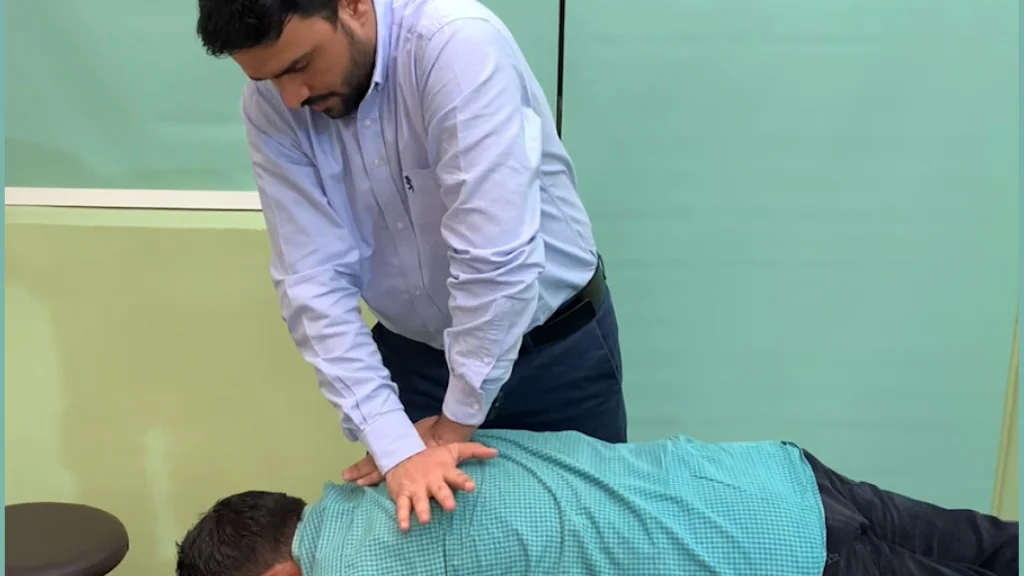
Spinal decompression therapy reduces intradiscal pressure, which can allow bulging disc material to retract and take pressure off a compressed nerve. Laser therapy targets localized inflammation at the tissue level. At Painflame Clinic, these aren’t offered as standalone treatments — they’re integrated with hands-on rehabilitation, because treating a structural problem without rebuilding the functional deficit rarely holds up over time.
4. Active recovery and stress management
Gentle mobility work between sessions, combined with structured heat and cold protocols, helps manage inflammation and maintain clinical progress. Chronic stress also plays a bigger role in back pain than most people realize — cortisol increases muscle tension around the spine, and that tension compounds whatever mechanical issue is already there.
Why Personalized Pain Management Matters
Generic back pain advice assumes a uniformity that simply doesn’t exist. Two people with textbook sciatica symptoms might have completely different causes — one a disc herniation, one piriformis syndrome. The treatment path for each is different.
A standard painkiller or a generic exercise routine might quiet the discomfort for a while. But figuring out where the pain is actually coming from requires a proper structural and functional assessment — not a template that’s the same for everyone.
How Painflame Clinic approaches back pain
Every patient at Painflame Clinic starts with a precise diagnostic evaluation before any treatment is recommended. The plans are designed around the person’s condition, daily routine and physical ability.
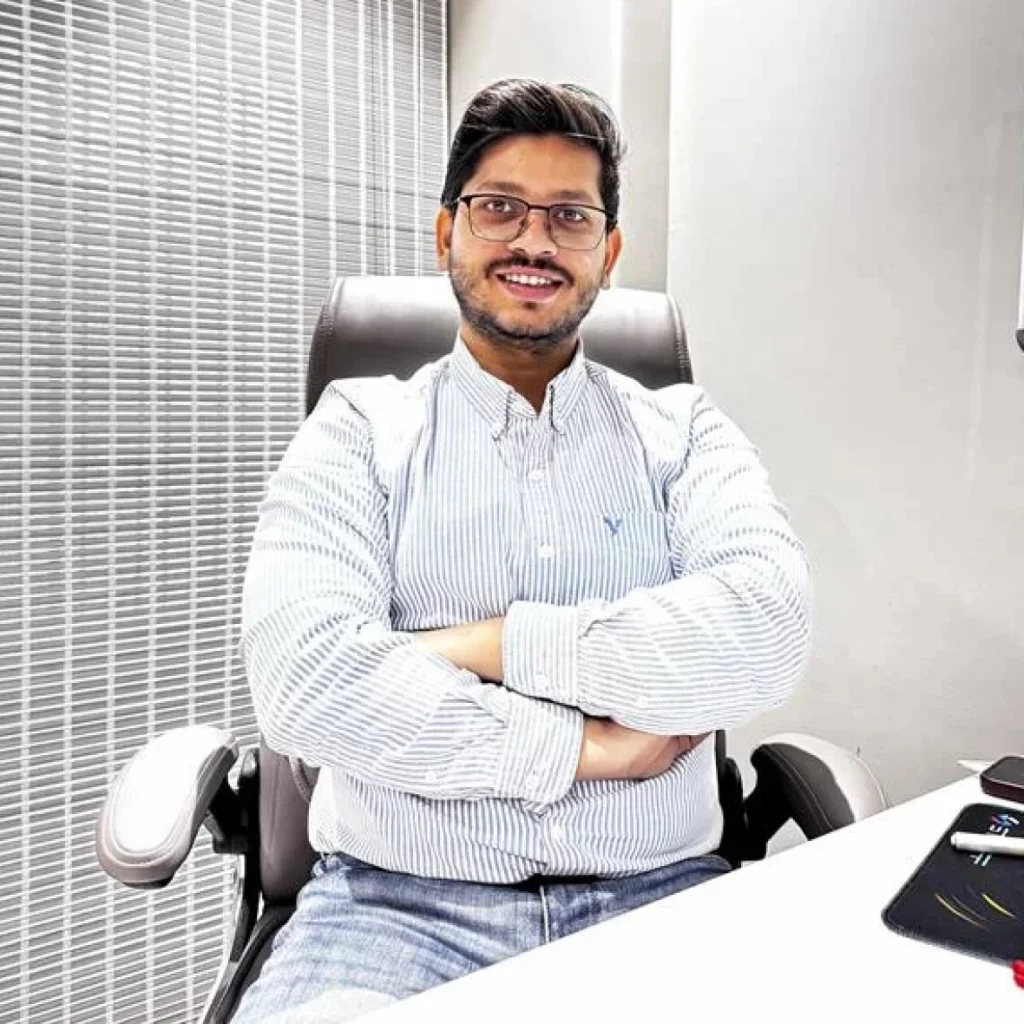
Dr. Harish Grover, founder of Painflame Clinic and recognized as India’s Best Chiropractor, holds a Ph.D. in Spine and Disc Bulge Rehabilitation, M.Chiro, CCE (USA), and D.O. Osteopathy (Canada). Under his clinical leadership, the clinic has treated over 3.5 lakh patients across India and helped prevent more than 1.5 lakh surgical procedures through evidence-based, non-surgical rehabilitation. Those numbers reflect one consistent approach: treat the cause, not just the symptom.
Take the First Step Toward a Pain-Free Life
Persistent back pain has a cause. Finding it — through an accurate diagnosis and a treatment plan built around your specific condition — is what separates a few days of relief from lasting recovery.
Book your expert back pain consultation with Painflame Clinic today.
[Book Your Consultation at Painflame.com]
FAQs
What are the most common causes of lower back pain?
Most of the time, it comes down to everyday habits — things like slouching at your desk, a weak core, or a herniated disc that’s been under pressure for too long.
What does sharp, shooting pain down my leg mean?
If the pain shoots down one leg with a burning or electric feel, it’s likely sciatica — your spine is probably pressing on a nerve that needs proper clinical attention.
Why do I feel stiff every morning?
That stiffness you feel every morning is your spine’s way of telling you it didn’t get the rest and support it needed overnight.
When should I see a specialist immediately for back pain?
Don’t wait if your back pain comes with numbness, leg weakness, or any loss of bladder control — those are red flags that need a specialist’s eyes on them fast.