

Ligament Injury Treatment
Recover Stronger with expert Ligament Injury treatment focused on stability, pain relief, mobility, and safe return to daily activities or sports.
 6,200+ Reviews Trusted by thousands.
Recommended by experts.
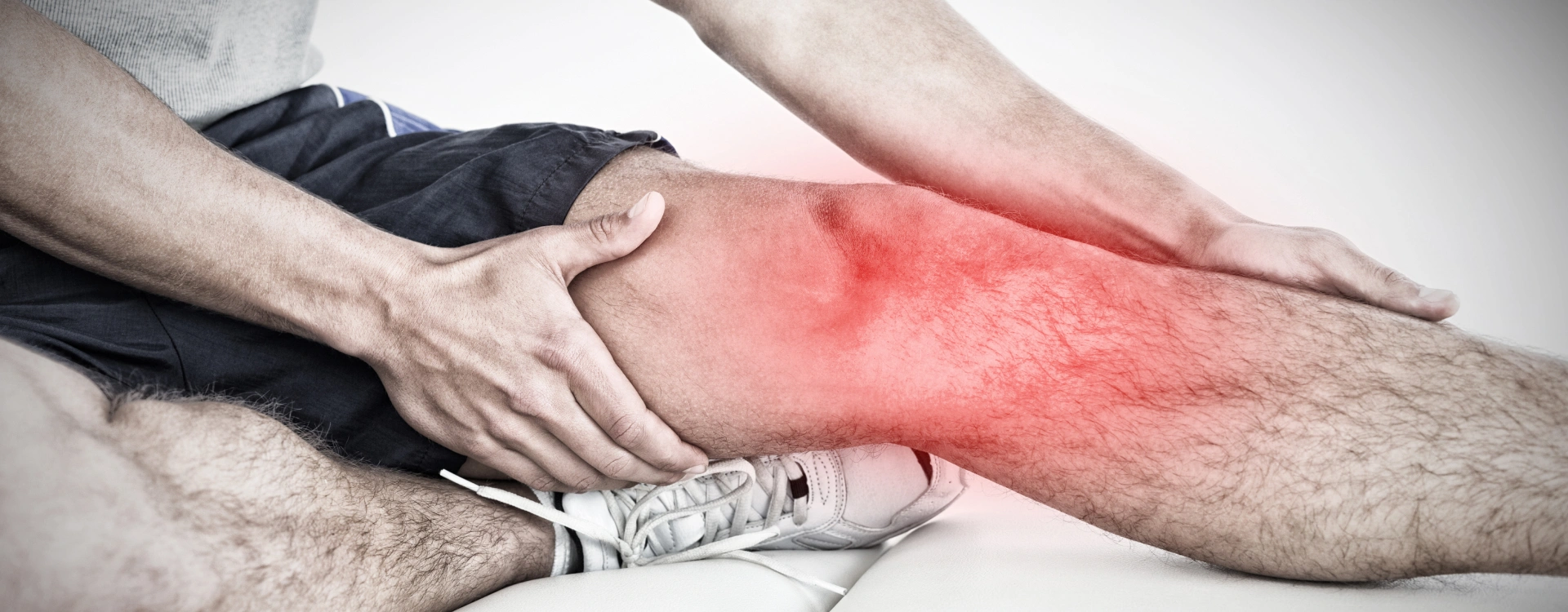
Ligament Injury Treatment at Painflame Clinic
Ligament injuries can make movement painful and limit your ability to perform daily activities, whether it’s walking, running, or engaging in sports. Ligaments are essential for joint stability, and when overstretched or torn due to sprains, trauma, or overuse, they can cause swelling, instability, and long-term joint damage if left untreated. At Painflame, we offer specialized ligament injury treatment in Gurugram, using physiotherapy, manual therapy, rehabilitation exercises, and advanced recovery techniques to promote healing and restore joint function.
Our treatment approach focuses on reducing pain, restoring joint stability, and improving mobility without relying on medications or invasive procedures. Whether you are dealing with ACL tears, ankle sprains, knee ligament injuries, or chronic ligament instability, our expert team provides evidence-based, non-surgical treatments to help you recover safely and prevent future injuries.
If you are experiencing persistent ligament pain, swelling, or joint instability, visit our ligament injury specialists in Gurugram for a personalized treatment plan. Take the first step toward a stronger, pain-free recovery today!
Signs You Need Ligament Injury Treatment
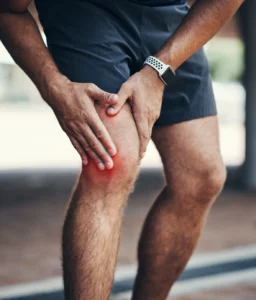
Persistent Joint Pain & Swelling
If pain and swelling last more than two weeks after an injury, it may indicate a ligament tear or chronic instability that requires professional treatment.
Joint Instability & Weakness
A feeling of joint giving way, buckling, or weakness may signal ligament damage, increasing the risk of further injury if left untreated.
Difficulty Moving or Bearing Weight
Pain when walking, running, or moving a joint suggests ligament strain, requiring proper rehabilitation to prevent worsening of the injury.
Clicking, Popping, or Locking Sensations
These sensations indicate possible ligament damage or misalignment, which can lead to long-term mobility issues if not addressed.
Non-Surgical Solutions for Ligament Injury Recovery
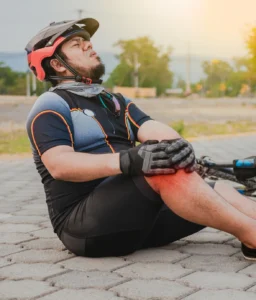
Physiotherapy & Strength Rehabilitation
Physiotherapy restores ligament function with targeted exercises, mobility drills, and strength training. It helps reduce pain, improve flexibility, and enhance joint stability. Strengthening surrounding muscles supports recovery, prevents re-injury, and promotes long-term ligament health.
Manual Therapy & Soft Tissue Techniques
Manual therapy techniques like joint mobilization, deep tissue massage, and myofascial release help reduce stiffness, improve blood circulation, and speed up healing. These therapies relieve tension, enhance flexibility, and restore normal joint function, aiding in a faster ligament recovery.
Chiropractic Adjustments for Joint Stability
Chiropractic care realigns joints, reduces ligament stress, and enhances movement efficiency. It helps correct postural imbalances, relieve chronic pain, and restore joint stability. This approach supports ligament healing, prevents excessive strain, and improves mobility for long-term relief.
Strengthening & Preventing Future Ligament Injuries
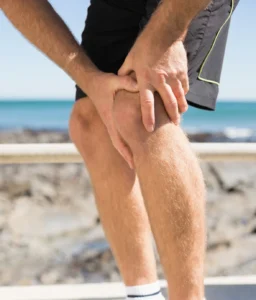
Strengthening ligaments, muscles, and joint stability is key to preventing recurrent injuries. Weak ligaments and poor joint alignment increase the risk of future sprains and chronic pain. Regular rehabilitation exercises, mobility training, and postural corrections are essential for long-term joint health.
Strengthening Joint Stability
Building strong muscles around the injured ligament with targeted exercises like balance training, resistance workouts, and proprioceptive drills helps prevent instability and re-injury.
Improving Flexibility & Range of Motion
Tight ligaments and stiff joints limit mobility and increase injury risk. Stretching exercises, yoga, and mobility training help improve flexibility and ligament elasticity.
Postural & Movement Corrections
Poor posture and incorrect movement patterns put excessive strain on ligaments. Postural correction, gait training, and ergonomic modifications ensure proper joint mechanics and reduce injury risk.
Frequently Asked Questions
What are the most common ligament injuries?
Ligament injuries include ACL tears, MCL injuries, ankle sprains, wrist ligament damage, and chronic joint instability, often caused by sports injuries, trauma, or overuse.
When should I see a specialist for ligament pain?
If you experience persistent pain, swelling, joint instability, or difficulty moving, seek professional care to prevent long-term joint damage.
What are the best non-surgical treatments for ligament injuries?
Physiotherapy, manual therapy, rehabilitation exercises, and chiropractic care help restore ligament strength and function without the need for surgery.
Can ligament injuries heal without surgery?
Yes, mild to moderate ligament injuries can heal naturally with targeted exercises, joint stabilization, and soft tissue therapy, reducing pain and improving recovery.
How can I prevent ligament injuries in the future?
Maintaining strong muscles, improving flexibility, wearing proper footwear, and using correct movement techniques reduces stress on ligaments and prevents future injuries.
Patient Feedback & Success Stories
Treatments
Our Services
Our doctors
Meet more Painflame specialists




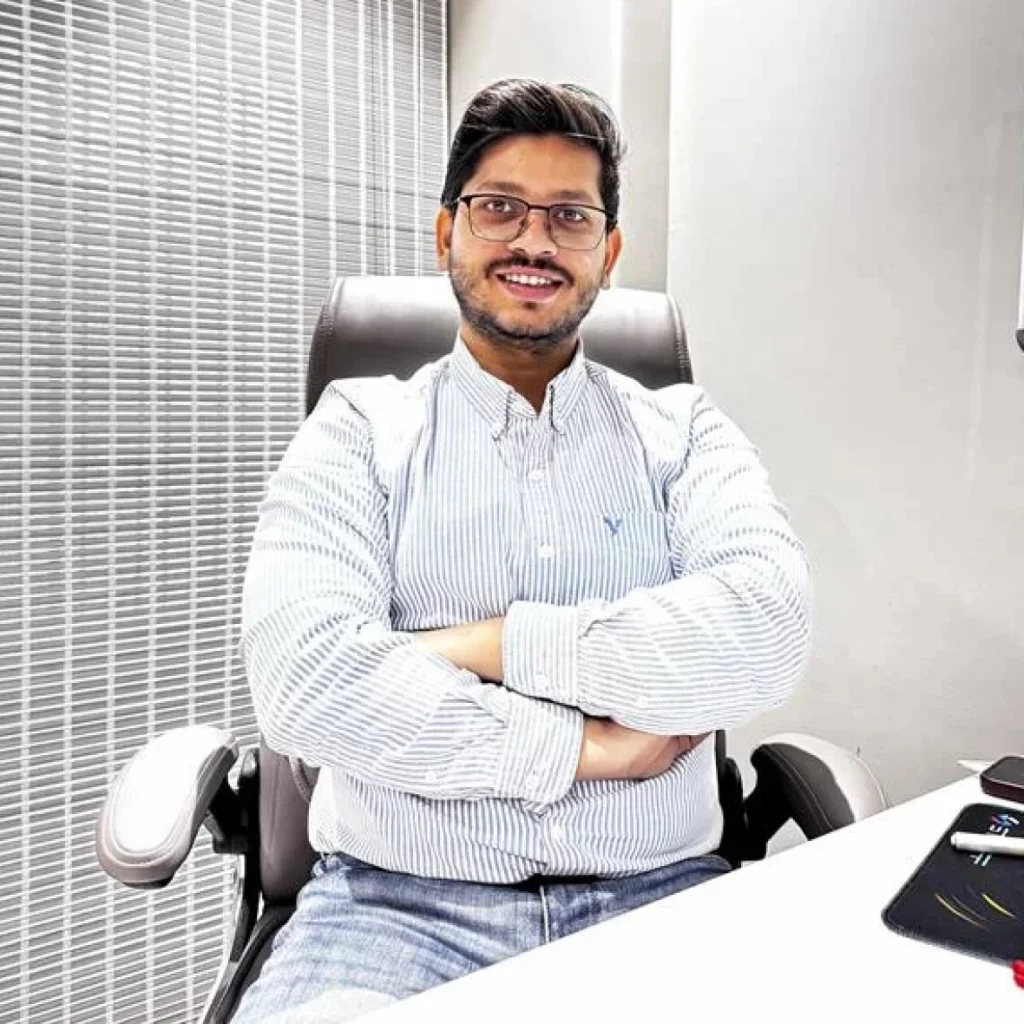

Dr. Divakar Kumar
Sports Rehabilitation, Sports Injury Management, Musculoskeletal Rehabilitation, Performance Enhancement, Strength & Conditioning
Book Appointment
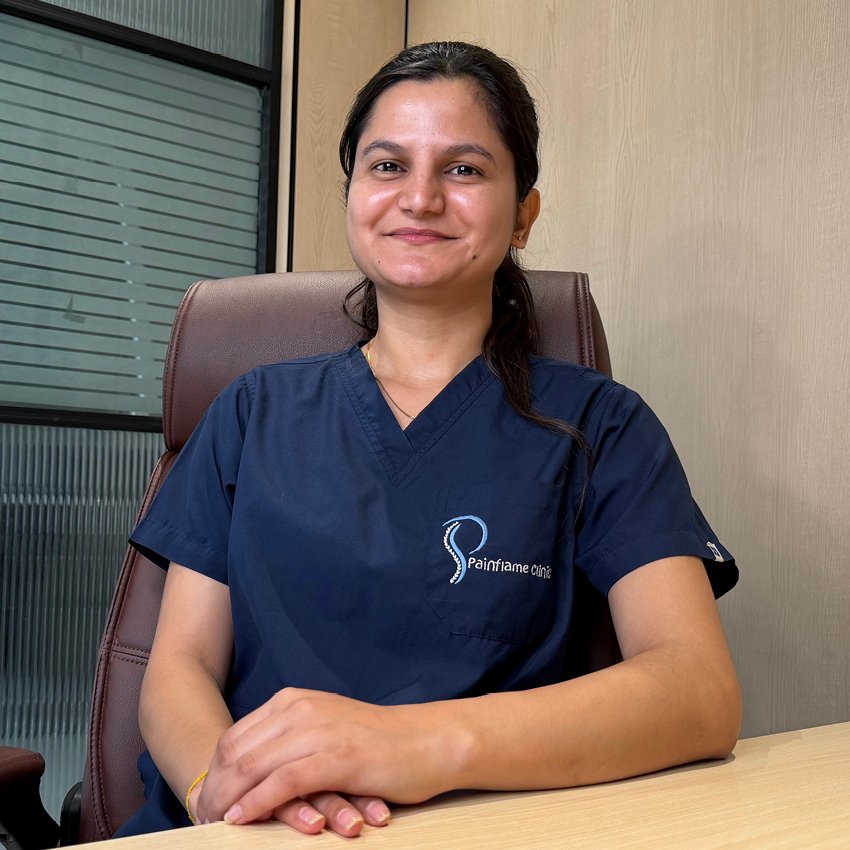
Dr. Jaya Sharma
Pilates Expert | Musculoskeletal Rehabilitation, Sports & Pelvic Floor Specialist
Book Appointment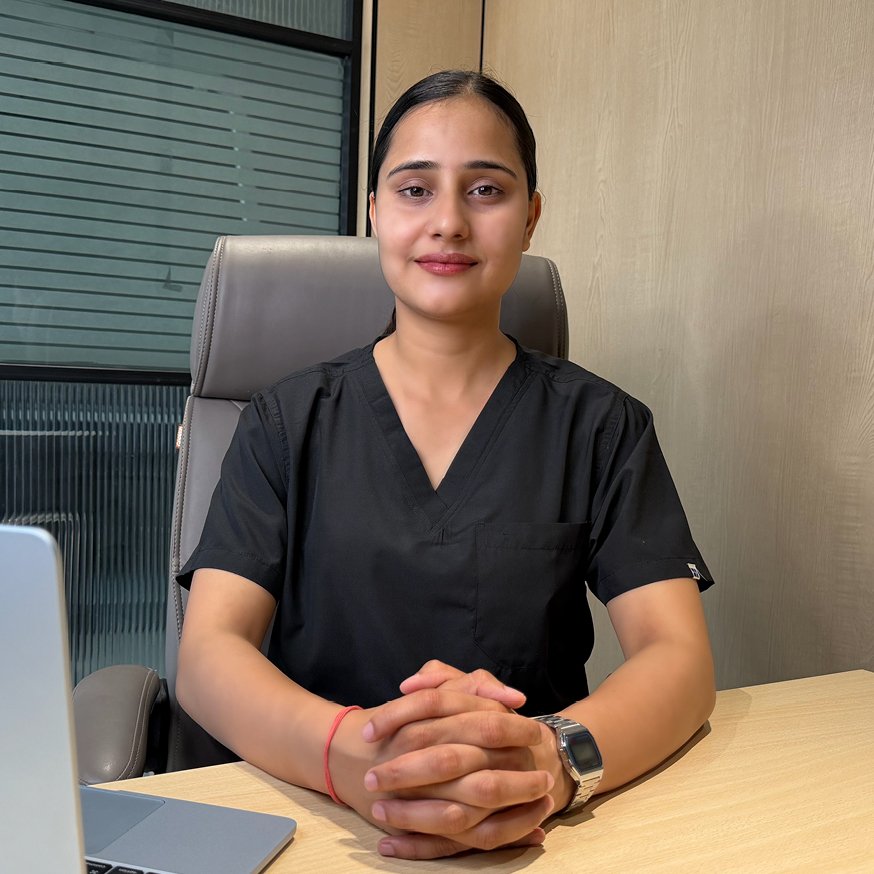

Dr. Priyanka Bhuyan
Tailbone (Coccyx) Treatment, Chiropractic Care, Spine & Joint Rehabilitation
Book Appointment
Dr. Saksham Kapoor
Sports Physiotherapy, Musculoskeletal Rehabilitation, Pain Management, Injury Prevention & Recovery
Book AppointmentLatest Blogs
Neck Stiffness: कारण और 5 मिनट की एक्सरसाइज से राहत
गर्दन की अकड़न (Neck Stiffness): कारण और 5 मिनट की एक्सरसाइज से राहत क्या सुबह उठते…
Read More
Navel Displacement: लक्षण, पहचान और उपचार
क्या आपको अक्सर पेट में अनजान दर्द रहता है? क्या खाने के बाद ब्लोटिंग, गैस या…
Read MoreCore Strengthening Exercise जो कमर दर्द को जड़ से खत्म करे
क्या लंबे समय बैठने के बाद कमर दर्द होने लगता है? क्या सुबह उठते ही पीठ…
Read More