

Coccyx Pain Treatment
Find expert advice on coccyx treatments for your pain through Painflame Clinic. The most advanced physiotherapy, tailbone rehabilitation, and non-surgical treatment by professionals.
 6,200+ Reviews Trusted by thousands.
Recommended by experts.
Coccyx Pain Treatment
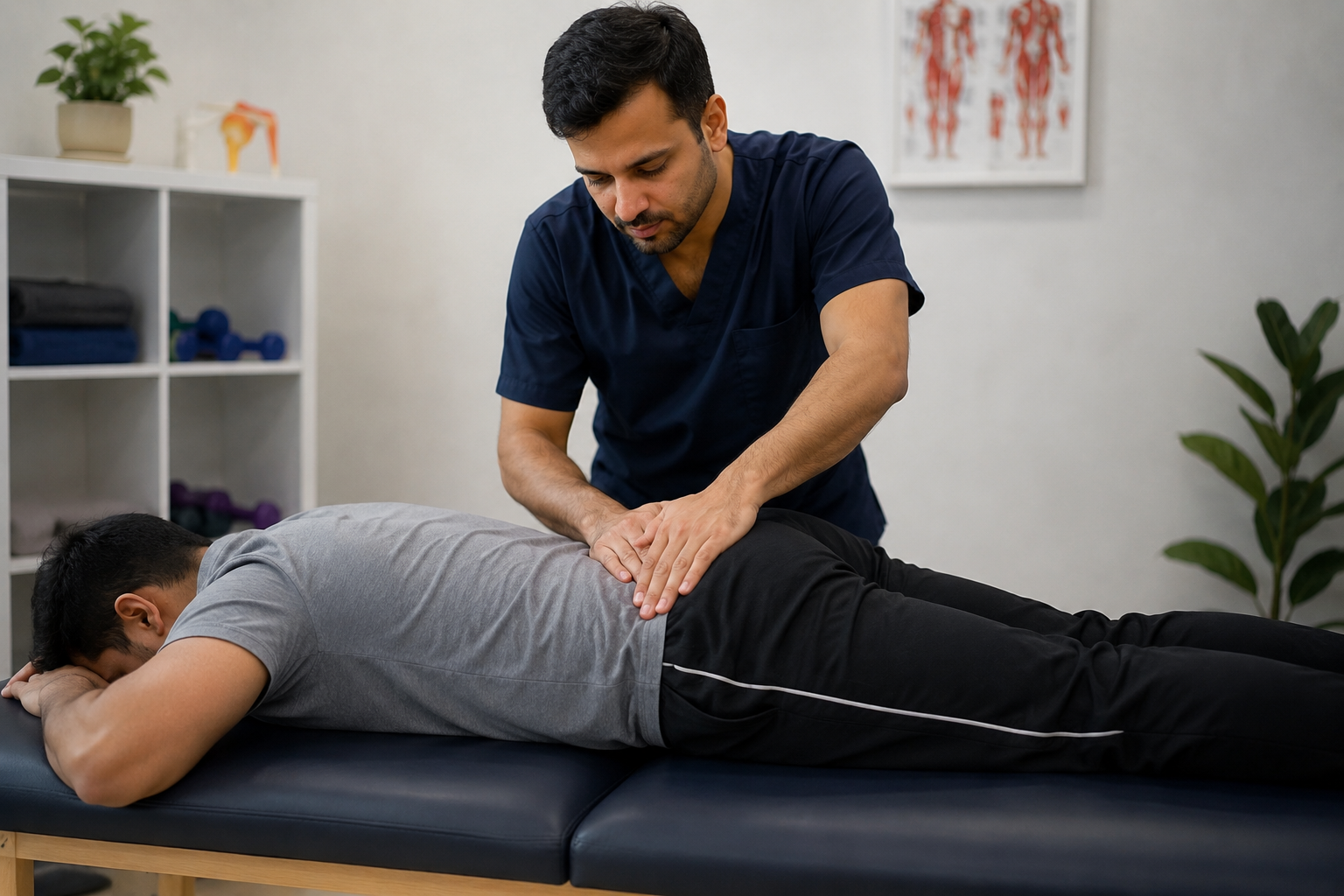
You can get advanced and non-surgical treatment for coccyx pain with Painflame Clinic. The expert physiotherapy we provide and our specially designed tailbone rehab programs decrease inflammation, increase the comfort of sitting, and improve the health and quality of life you deserve naturally.
What is Coccyx Pain (Coccydynia)?
Coccyx pain, also known by the medical term coccydynia, is a term used to describe constant pain and tenderness that occurs at the base of the spinal column. The coccyx, commonly referred to as the tailbone, is a tiny triangular bone structure made up of 3 to 5 vertebrae that are fused or partially bonded. Although it is small, it plays an essential part in the daily routine by acting as a point of anchorage for the pelvic floor muscles, ligaments, and tendons. Additionally, it helps to keep your body in place when you sit back.
If this small structure is injured, bruised or misaligned, daily things such as sitting at a desk, driving, or even standing can trigger intense, localised pain. As we spend the majority of our time sitting and reclining, the pain in our tailbone can be debilitating and affect our performance, mood and even our sleep. In the beginning, seeking early diagnosis and a targeted physiotherapy treatment is essential, as ignoring any pain may lead you to shift your weight unnaturally. This can lead to further alignment issues that affect your lower back, hips, and pelvis.
Common Causes of Coccyx Pain
It is rare for bone pain to occur without cause. It’s usually the result of localised injuries, repetitive strain or issues in the pelvic region.
- Repetitive Strain Injuries (RSI): Prolonged resting on narrow, hard or unstable surfaces, such as bicycle seats or poorly designed office chairs, places constant pressure on the tailbone. This leads to chronic inflammation.
- Direct Injury or Trauma: A sudden fall onto the buttocks directly backwards (such as sliding off ice or falling down the stairs) could easily cause bruises and cause misalignment, or damage the coccyx.
- Pregnancy and Childbirth: Third-trimester hormonal shifts induce pelvic ligamentous laxity. During delivery, fetal head pressure against the birth canal and coccyx can cause soft tissue trauma, ligamentous strain, and sacrococcygeal hypermobility.
- Posture-related Strain: Sitting forward and slouching cause the spine to curve into a poor spinal alignment, shifting the body’s weight to the coccyx, rather than the sit bones (ischial tuberosities).
- Gym and fitness injuries: High-impact exercises, poor form when doing intense squats or repeated rows can cause strain to the pelvic muscles surrounding them and pull the tailbone out of its normal place.
- Sedentary lifestyle: Sitting motionless for long hours at a desk with no ergonomic support is just one of the main causes of modern-day tailbone pain.
- Sacrococcygeal Joint Arthritis: Similar to every joint in the body, the smaller joints linking the coccyx with the sacrum may wear away as time passes, which can result in the pain of osteoarthritis in a specific area.
Symptoms of Coccyx Pain
The presentation of coccydynia varies according to the aetiology. Most individuals, however, will experience a combination of these signs:
- Localized Tenderness of the Tailbone: A dull, agonizing pain that is localized directly in the bone at the superior aspect of the gluteal cleft.
- Sharp ache when changing positions: A sharp ache that appears suddenly as you go from sitting down to standing up.
- More uncomfortable while sitting: Discomfort that becomes substantially worse when leaning backwards or on hard surfaces.
- Deep Pelvic Aching: Aching that is slightly radiating in the buttocks and lower back, or the upper thighs.
- Tenderness in the movement of the bowel: The sensation of pressure or pain when you place pressure on the pelvic floor muscles.
- Reduced Range of Motion: The lower back and hips when the body attempts to protect the tailbone from motion.
When Should You Seek Treatment?
A minor bruise to the tailbone caused by a bump may disappear after a few weeks of rest. Consult a doctor if:
- It can last for more than three weeks with no improvement.
- The pain can be so severe as to hinder your ability to perform your job, drive or even sleep at night.
- It is accompanied by sudden numbness or tingling, or weakness in your legs.
- The pain began after an injury or fall with a significant impact.
- There is no explanation for the bowel or bladder change that is accompanied by local discomfort.
Diagnosis of Coccyx Pain
- Our professionals do a thorough evaluation to find the actual cause behind your tailbone injury and to create a dependable and long-term treatment strategy.
- Physical Evaluation: A soft manual palpation of the lower spine and the gluteal region for identification of certain regions of discomfort and muscle protection as well as structural anatomical asymmetry.
- Position and ergonomic analysis: The study examines your posture when you sit or stand and change places to find the habits that can overload the coccyx.
- Mobility and range of motion tests: Evaluating the flexibility of your hips, lower back and hamstrings, to find out the extent to which tight muscles pull on the ligaments in your pelvis.
- Specialised Orthopaedic Testing: Tailored physical exercises that are designed to eliminate discomfort radiating from the lumbar spine or the sacroiliac (SI) joint.
- Advanced Imaging (X-ray or MRI): If a fracture, severe misalignment or bone spur has been identified, then we use focused imaging to have a look at the bone’s structure as well as adjacent soft tissues.
Coccyx Pain Treatment at Painflame Clinic
At the Painflame Clinic, we focus on a comprehensive non-surgical treatment that is designed to minimise inflammation immediately and address the biomechanical problems that led to the problem initially.
Physiotherapy for Coccyx Pain
Our customised physical therapy techniques focus on the specific ligaments and muscles that surround the tailbone. To restore blood flow, and decrease the local guarding of muscles to help ease irritation of nerves, as well as speed up natural soft tissue healing.
Manual Therapy
Our highly experienced physiotherapists employ methods of gentle mobilisation to correct tiny misalignments in the coccyx. Myofascial massage is used to relax the gluteal and pelvic muscles to release tension on the tailbone.
Electrotherapy & Advanced Modalities
To treat acute pain with no excessive reliance on oral medications, we employ targeted electrotherapy. Techniques like TENS (Transcutaneous Electrical Nerve Stimulation), as well as therapeutic ultrasound and laser therapy, aid in reducing the local swelling and also reduce pain signals at the nerves.
Targeted Rehabilitation Exercises
We will guide you through particular, low-impact workouts specifically designed to strengthen your pelvic and piriformis muscles and strengthen the hip stabilisers and your core. The balanced method permanently relieves the stress on the tailbone.
Ergonomic & Posture Correction
One of the most crucial aspects of recovery is altering the way you are sitting. We offer individualised lifestyle guidance as well as teach you how to properly use your cut-out coccyx cushions (wedge pillows) and reorganise the layout of your desk to stop any future flare-ups.
Frequently Asked Questions
What's the most effective treatment for pain in the coccyx?
A highly effective method combines special physical therapy, manual mobilisation and pelvic floor relaxation, as well as a cut-out coccyx cushion that relieves all pressure directly from the bone.
Do physiotherapy treatments help with the pain in your tailbone?
Yes. The physiotherapy approach securely relaxes the stiff ligaments in the pelvic region, aligns the muscles of the hip and the core and applies specific methods to alleviate inflammation and speed up healing.
How long can the coccyx-related healing process take?
Minor bruises or mild cases generally heal after four to six weeks of regular rehabilitation. Falls that are severe or chronic could require months of focused rehabilitation.
Is it possible to heal tailbone pain without surgical intervention?
Absolutely. The majority of cases are successfully resolved with non-surgical conservative treatments like Physiotherapy.
Why do coccyx muscles hurt without an injury to the coccyx?
It's usually caused by repeated micro-traumas caused by poor posture during sitting, long-term time on hard surfaces or muscle tightness in the pelvic floor pushing on the bone or hormonal shifts in pregnancy.
Patient Feedback & Success Stories
Treatments
Our Services
Our doctors
Meet more Painflame specialists





Dr. Divakar Kumar
Sports Rehabilitation, Sports Injury Management, Musculoskeletal Rehabilitation, Performance Enhancement, Strength & Conditioning
Book Appointment

Dr. Jaya Sharma
Pilates Expert | Musculoskeletal Rehabilitation, Sports & Pelvic Floor Specialist
Book Appointment
Dr. Priyanka Bhuyan
Tailbone (Coccyx) Treatment, Chiropractic Care, Spine & Joint Rehabilitation
Book Appointment
Dr. Saksham Kapoor
Sports Physiotherapy, Musculoskeletal Rehabilitation, Pain Management, Injury Prevention & Recovery
Book AppointmentLatest Blogs
Neck Stiffness: कारण और 5 मिनट की एक्सरसाइज से राहत
गर्दन की अकड़न (Neck Stiffness): कारण और 5 मिनट की एक्सरसाइज से राहत क्या सुबह उठते…
Read More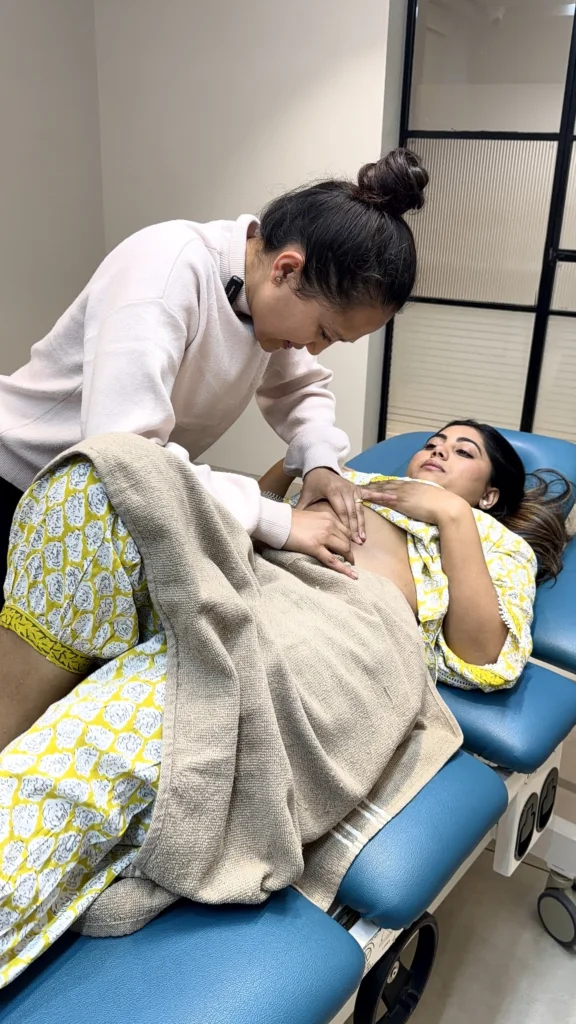
Navel Displacement: लक्षण, पहचान और उपचार
क्या आपको अक्सर पेट में अनजान दर्द रहता है? क्या खाने के बाद ब्लोटिंग, गैस या…
Read MoreCore Strengthening Exercise जो कमर दर्द को जड़ से खत्म करे
क्या लंबे समय बैठने के बाद कमर दर्द होने लगता है? क्या सुबह उठते ही पीठ…
Read More