
Stroke Rehab
Expert care for pain relief, mobility restoration, recovery, posture correction, and long-term rehabilitation at Painflame Clinic.
 6,200+ Reviews Trusted by thousands.
Recommended by experts.
Stroke Rehab
Best Stroke Rehabilitation Clinic in Gurgaon
Stroke rehabilitation is a specialized recovery program designed to help individuals restore mobility, regain independence, and improve overall function after a stroke. A stroke can cause muscle weakness, paralysis, speech difficulties, balance problems, and cognitive impairments, making everyday activities challenging. With a structured rehabilitation plan, stroke survivors can relearn essential skills, strengthen muscles, and enhance brain function, significantly improving their quality of life.
At Painflame, we provide the best stroke rehabilitation in Gurgaon, offering personalized therapy programs that focus on physiotherapy, neuro-rehabilitation, speech therapy, and occupational therapy. Our expert team uses advanced techniques, assistive devices, and targeted exercises to promote faster recovery, improved coordination, and long-term independence. Whether recovering from a mild or severe stroke, our goal is to help you regain function, prevent complications, and restore confidence in daily life.
Conditions Treated in Stroke Rehabilitation
Hemiparesis (Weakness on One Side of the Body)
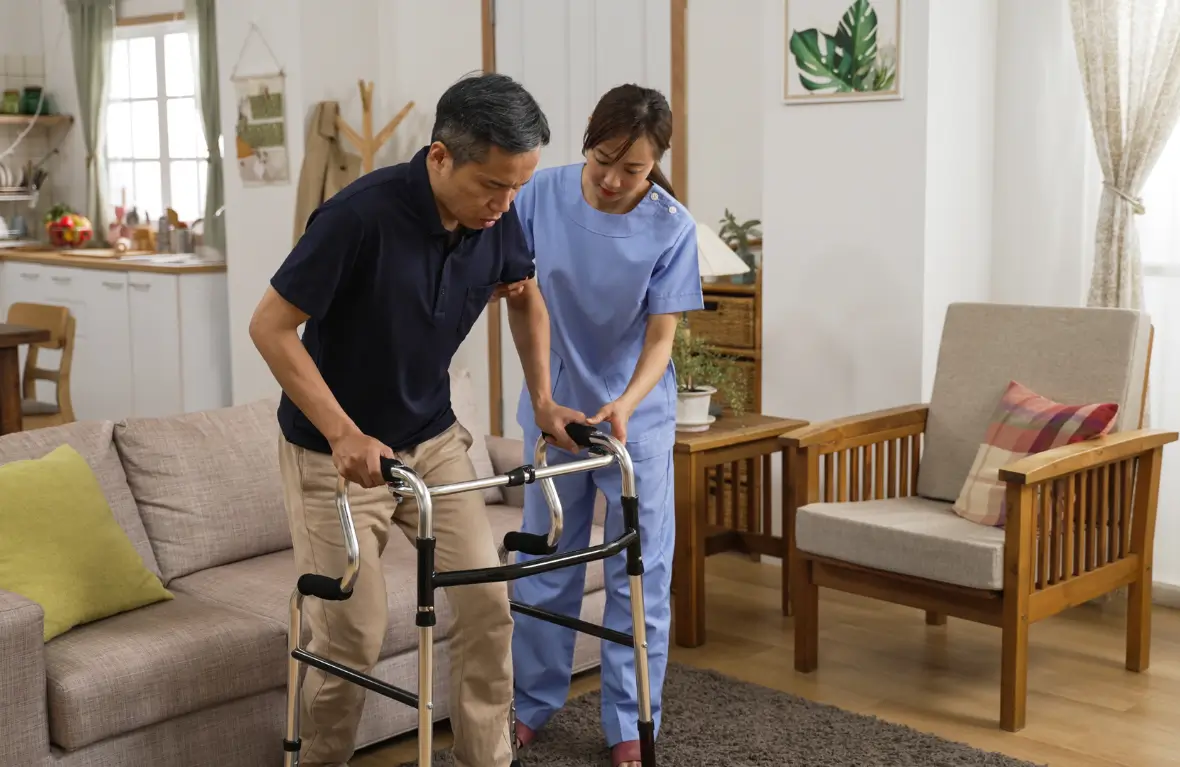
Stroke often leads to muscle weakness in one arm, leg, or both on one side, making movement and daily tasks difficult. Rehabilitation includes strength training, mobility exercises, and functional movement therapy to restore independence. Therapies focus on improving coordination, posture, and neuromuscular control to help patients regain limb function. Techniques such as gait training, resistance exercises, and proprioceptive retraining enhance muscle activation and balance, ensuring gradual but steady recovery.
Hemiplegia (Paralysis on One Side of the Body)
Severe strokes can cause complete paralysis on one side, leading to loss of mobility and difficulty performing daily activities. Rehabilitation involves passive and active movement therapy, neurostimulation, and assistive devices to restore function. Techniques like mirror therapy, weight-bearing exercises, and electrical stimulation promote nerve activation and muscle re-education. Physiotherapists also focus on compensatory strategies, adaptive equipment training, and functional task practice to improve independence and prevent long-term complications.
Shoulder Subluxation & Pain
Weak or paralyzed shoulder muscles post-stroke can cause shoulder subluxation (partial dislocation), pain, and instability, restricting arm movement. Rehabilitation focuses on joint realignment, muscle strengthening, and neuromuscular re-education to improve stability. Techniques like therapeutic taping, proper positioning, and assisted movement exercises help reduce pain, support weak muscles, and restore shoulder function. Manual therapy, resistance exercises, and functional movement training also assist in preventing joint degeneration and regaining full arm use.
Speech & Swallowing Disorders (Aphasia & Dysphagia)
Stroke can impair speech (aphasia) and swallowing (dysphagia), affecting communication and eating ability. Rehabilitation involves speech therapy, muscle strengthening exercises, and swallowing retraining to restore function. Speech therapy focuses on word retrieval, sentence formation, and vocal clarity, while swallowing therapy improves muscle control and prevents aspiration (choking risk). Techniques such as oromotor exercises, sensory stimulation, and cognitive-linguistic therapy are used to help stroke survivors regain confidence in communication and safe eating habits.
How Stroke Rehabilitation Helps in Recovery
Restores Strength & Mobility
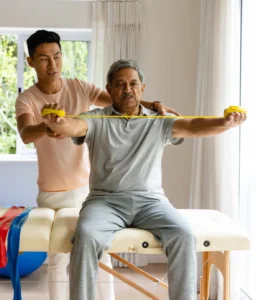
Therapy includes strength training, mobility exercises, and neurostimulation to enhance muscle control, flexibility, and movement, helping stroke survivors regain independence in daily activities.
Improves Balance & Coordination
Rehabilitation uses gait training, core exercises, and weight-shifting techniques to improve postural control, stability, and walking ability, reducing the risk of falls and promoting safe mobility.
Enhances Speech & Communication
Speech therapy focuses on language exercises, muscle re-education, and breath control to help stroke patients regain clear speech, articulation, and swallowing ability, improving confidence and quality of life.
Frequently Asked Questions
How long does stroke rehabilitation take?
The duration varies based on stroke severity and individual progress. Some patients improve within a few months, while others may need long-term therapy to regain full function.
Can stroke patients fully recover with rehabilitation?
While full recovery depends on stroke severity and early intervention, rehabilitation helps restore mobility, speech, and independence, significantly improving quality of life.
When should stroke rehabilitation begin?
Rehabilitation should start as early as possible, ideally within the first few days to weeks after a stroke, to maximize recovery potential and prevent further complications.
What therapies are included in stroke rehabilitation?
Stroke rehabilitation includes physiotherapy for mobility, occupational therapy for daily activities, speech therapy for communication, and cognitive therapy for brain function.
Is stroke rehabilitation painful?
Rehabilitation may cause mild discomfort as muscles strengthen and mobility improves, but it is designed to be safe, controlled, and gradually progressive for long-term recovery.
Patient Feedback & Success Stories
Treatments
Our Services
Our doctors
Meet more Painflame specialists
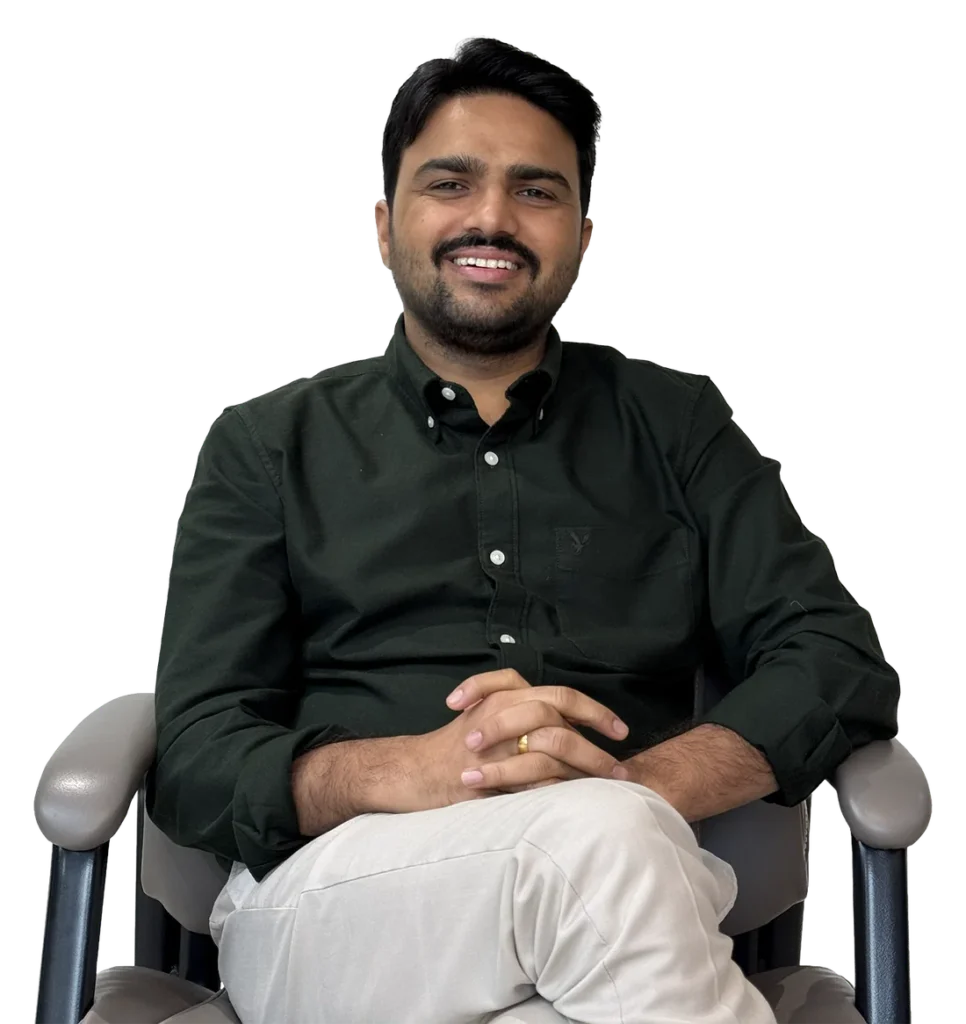
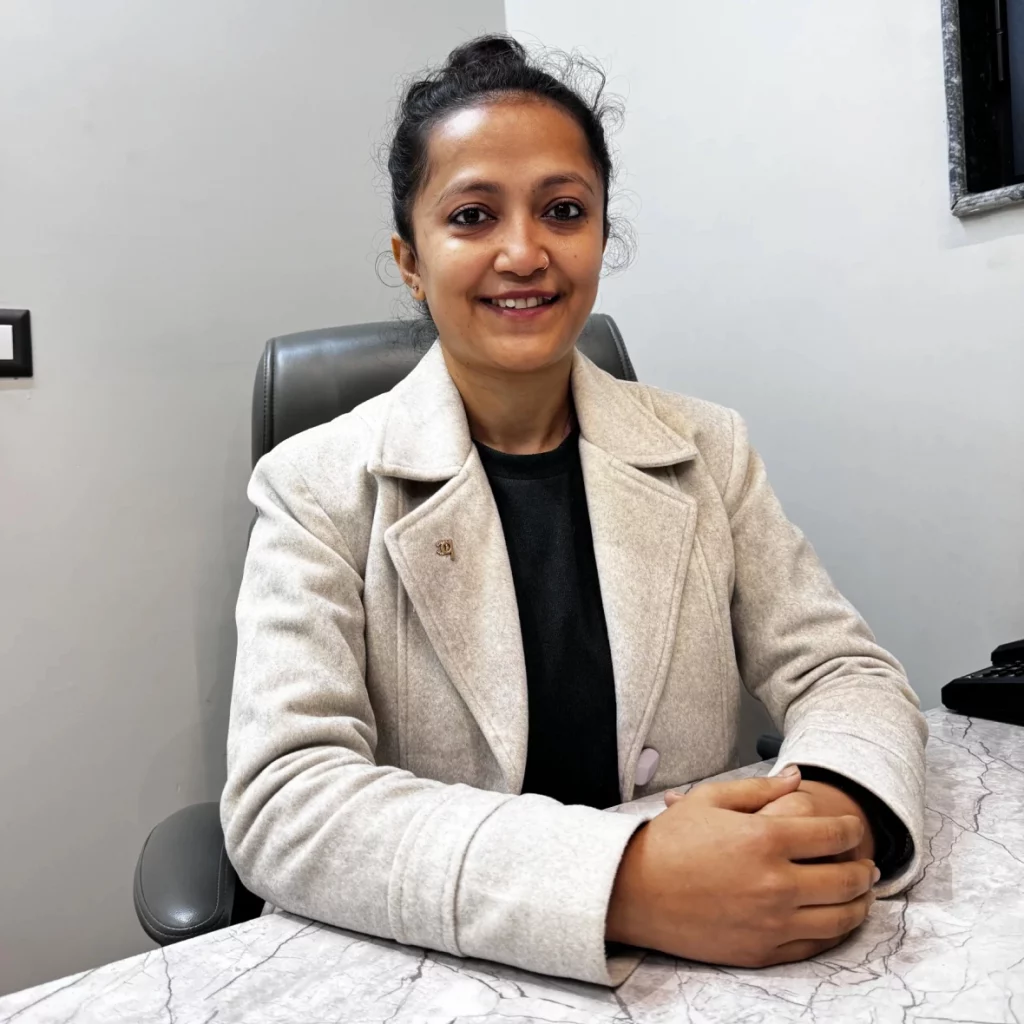
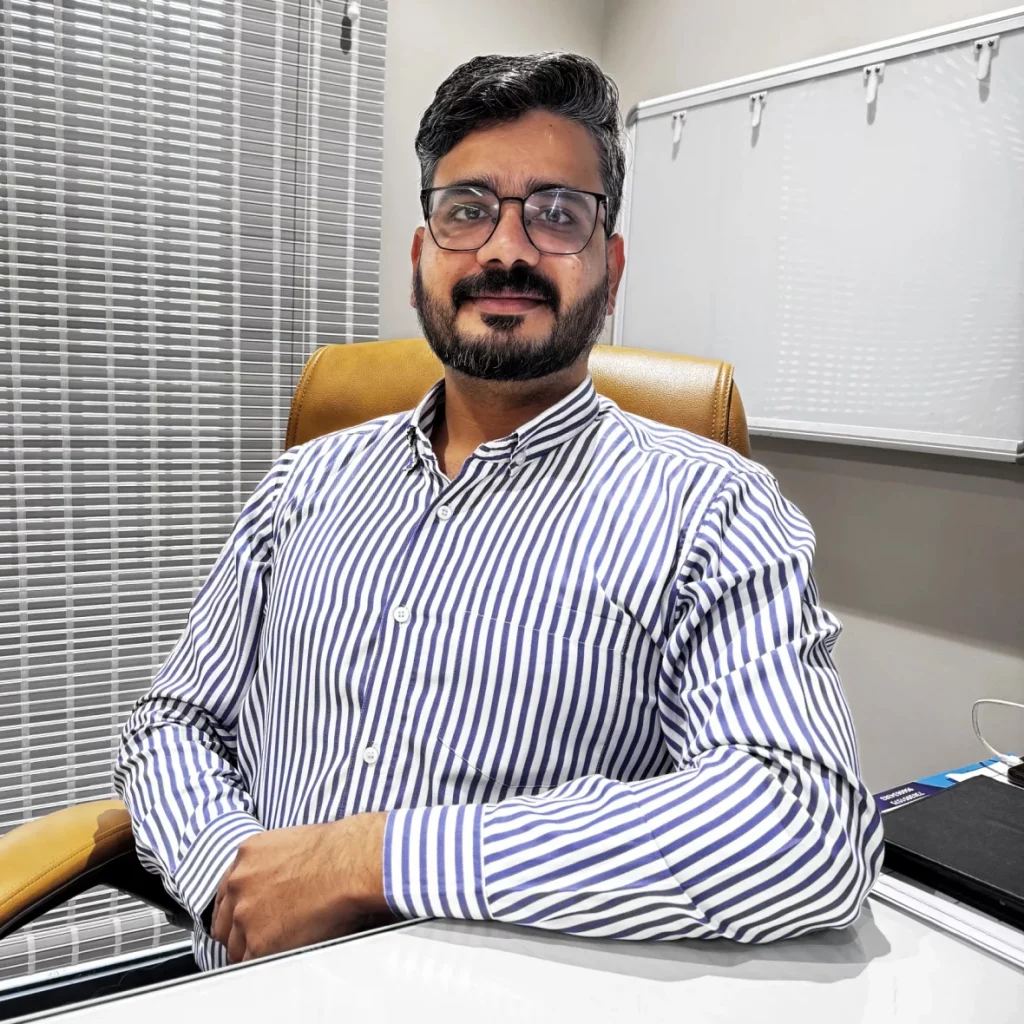
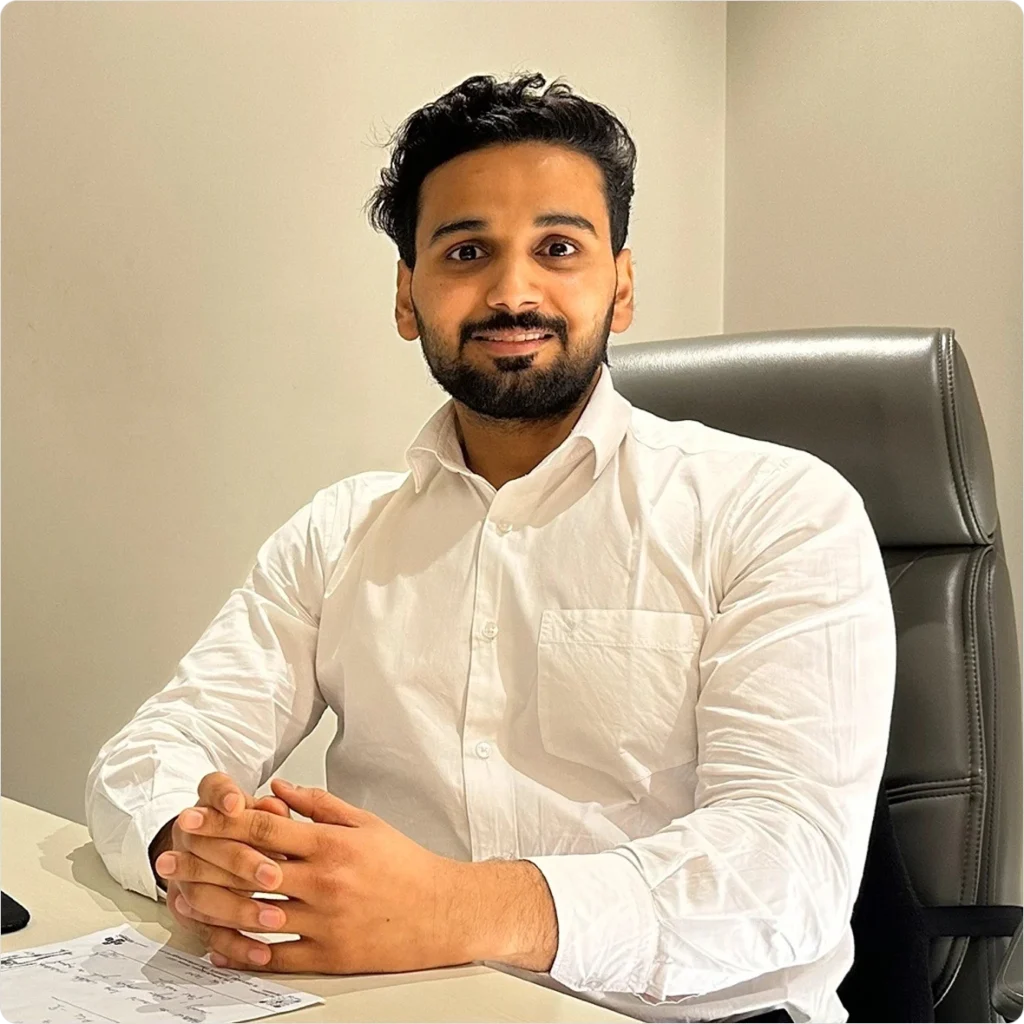
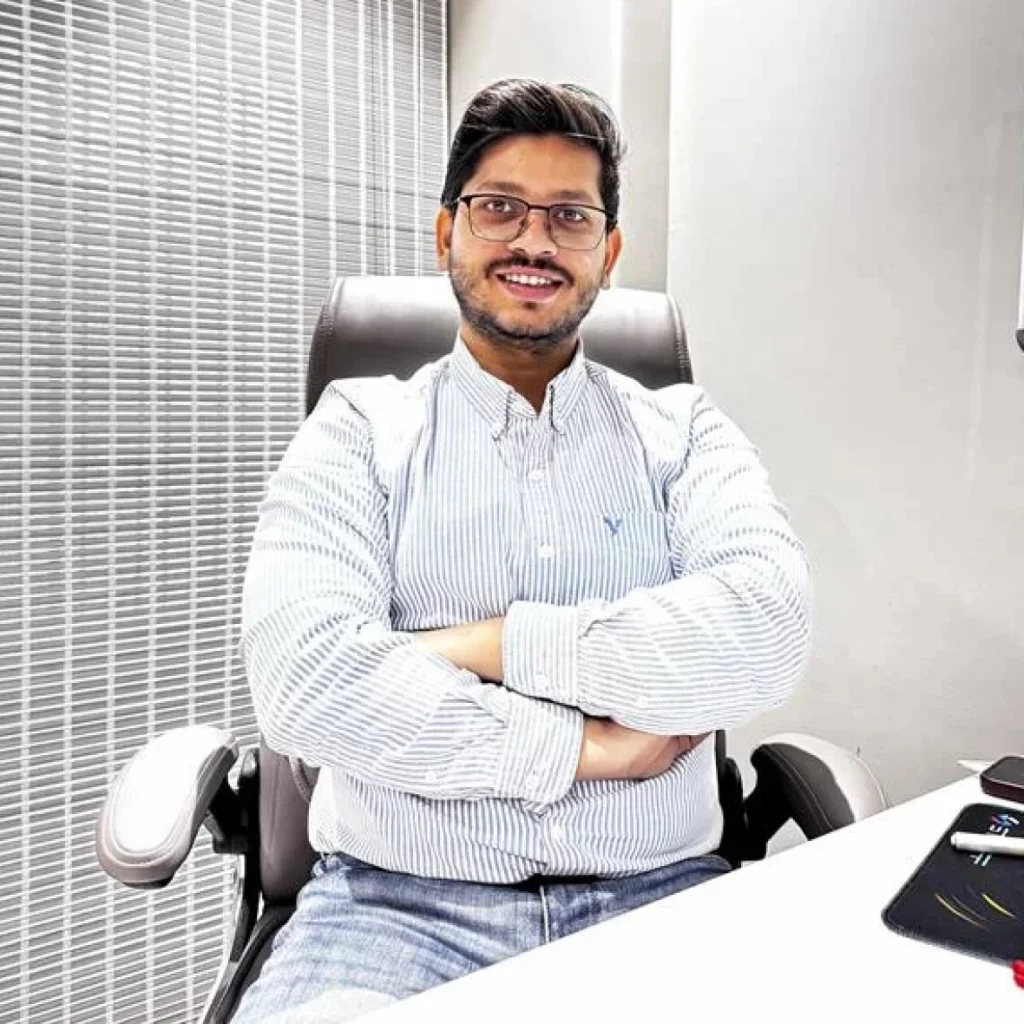
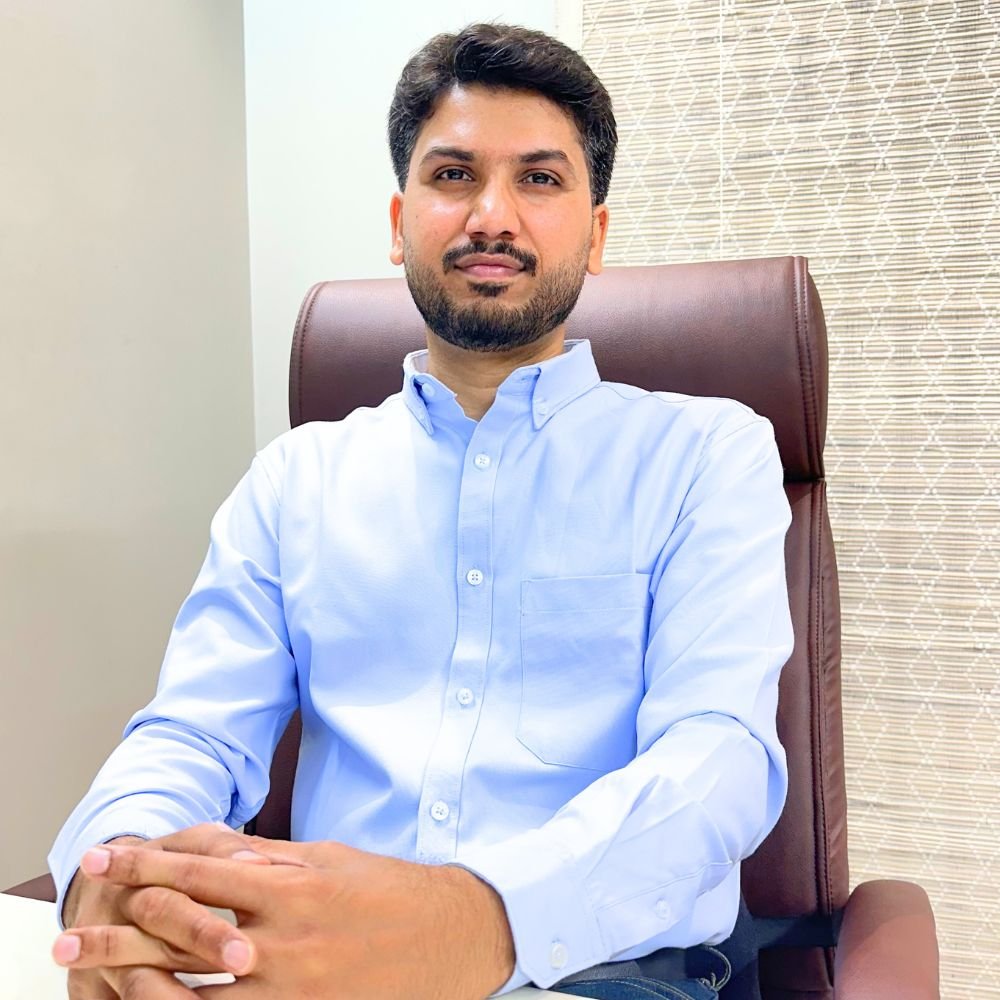
Dr. Divakar Kumar
Sports Rehabilitation, Sports Injury Management, Musculoskeletal Rehabilitation, Performance Enhancement, Strength & Conditioning
Book Appointment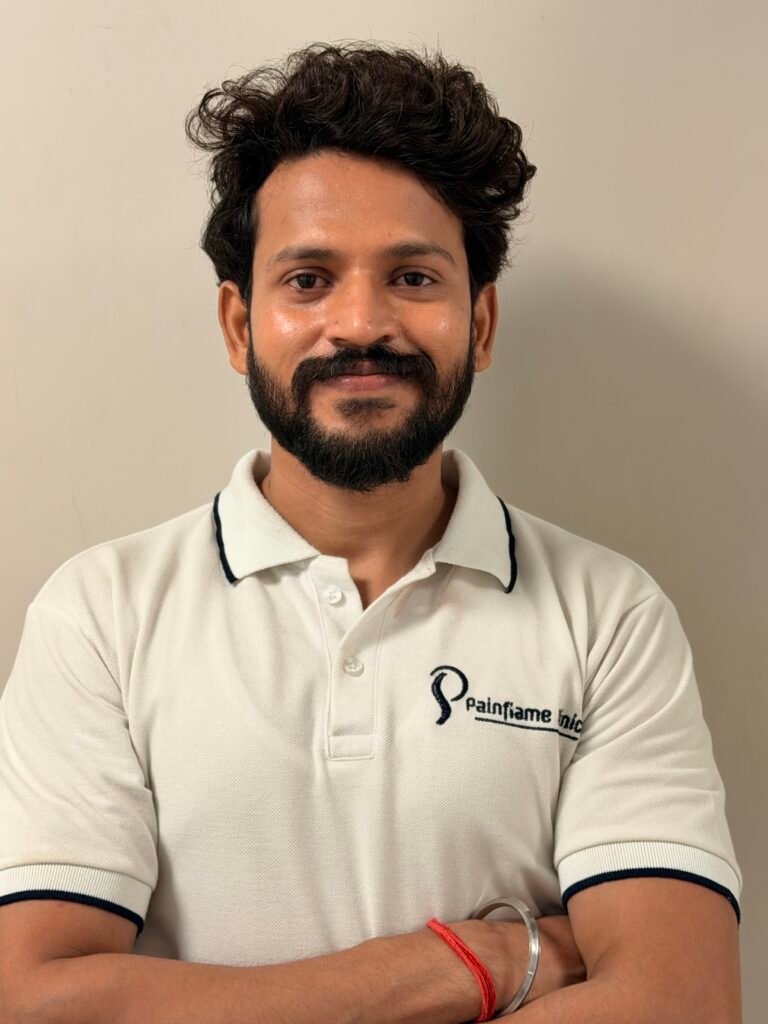
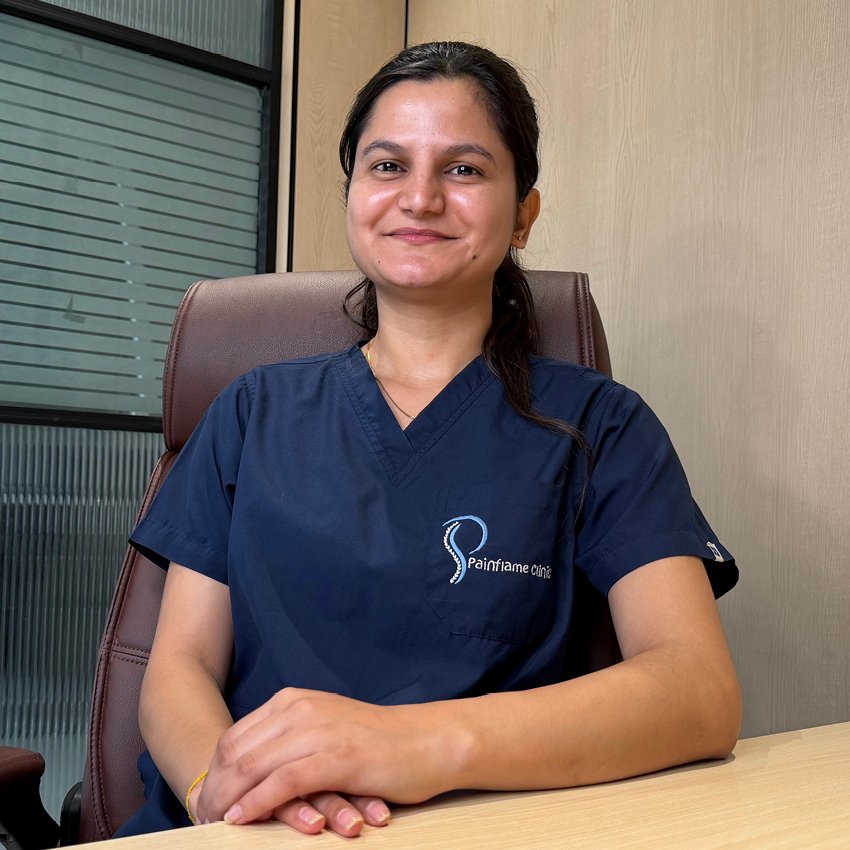
Dr. Jaya Sharma
Pilates Expert | Musculoskeletal Rehabilitation, Sports & Pelvic Floor Specialist
Book Appointment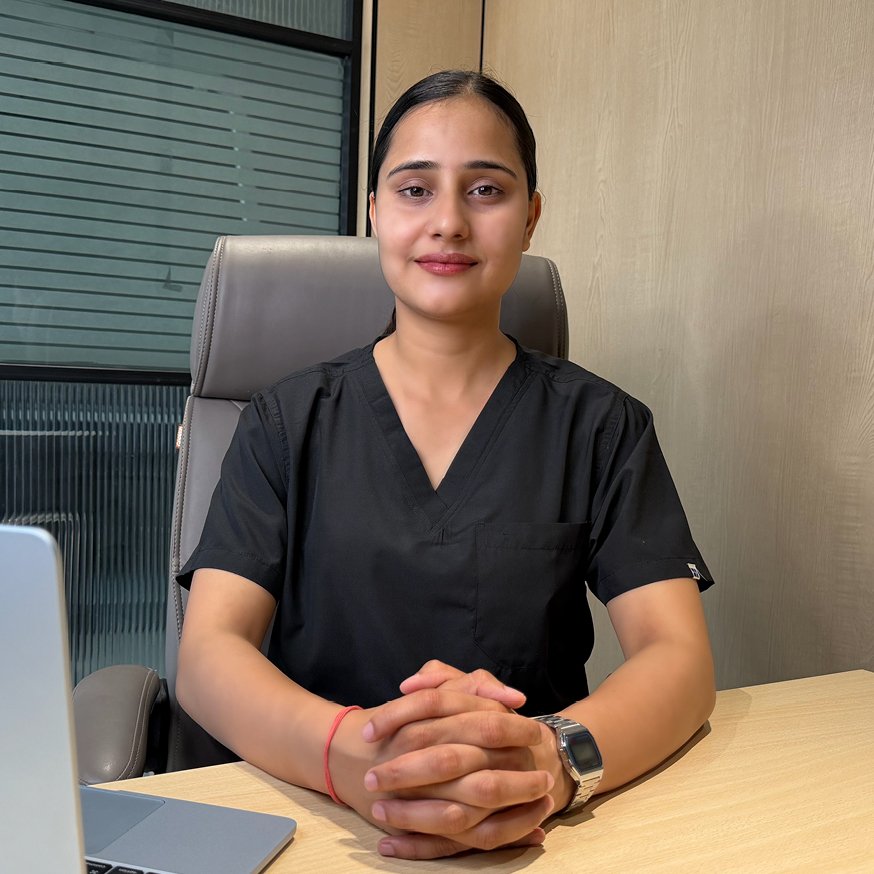
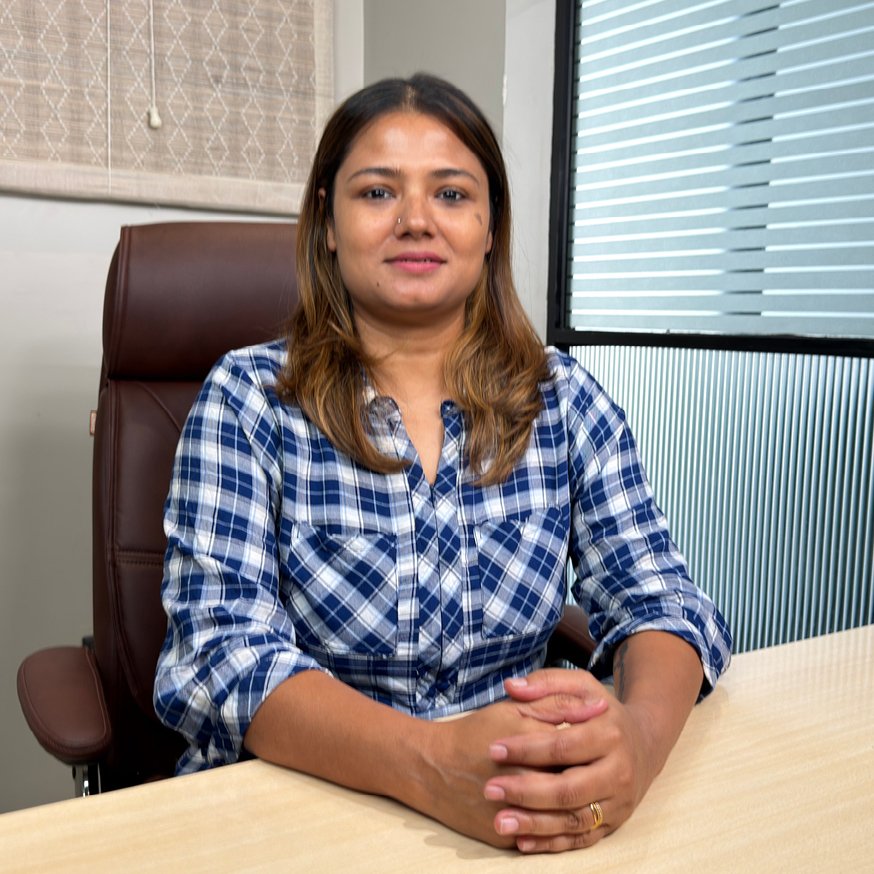
Dr. Priyanka Bhuyan
Tailbone (Coccyx) Treatment, Chiropractic Care, Spine & Joint Rehabilitation
Book Appointment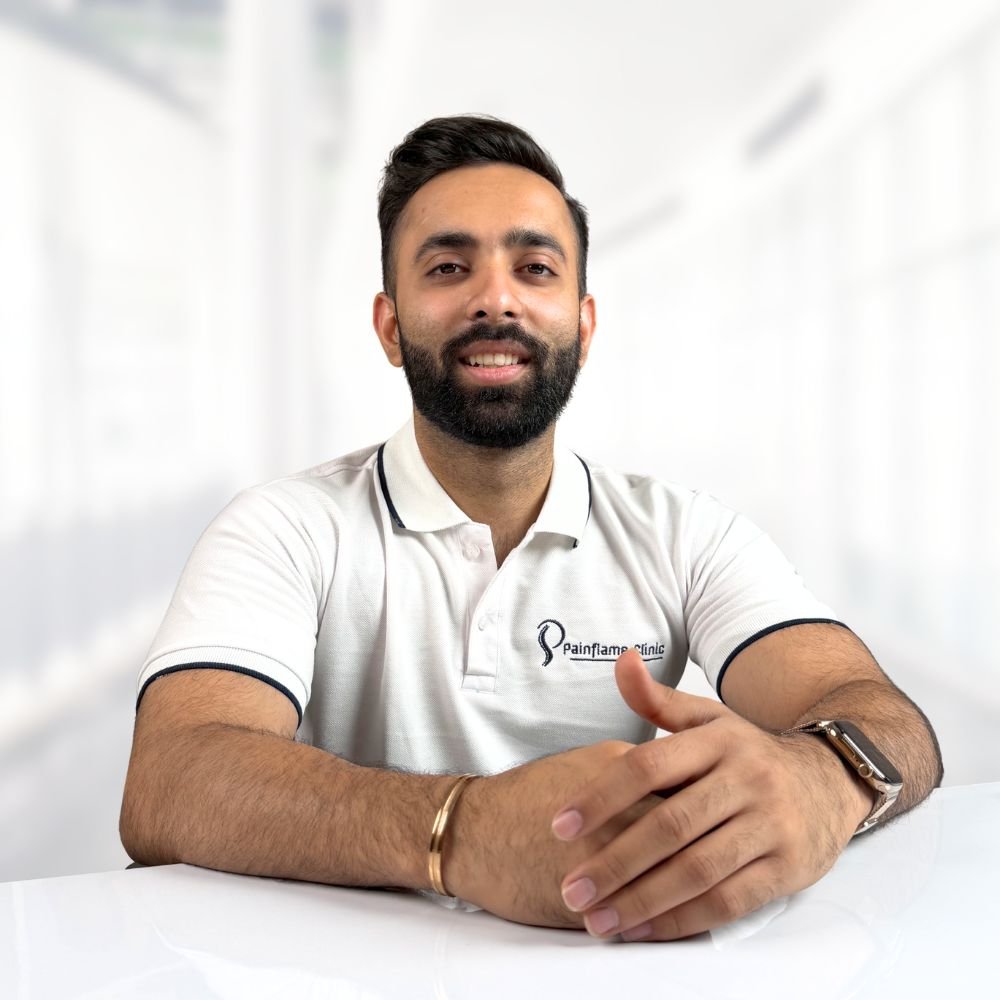
Dr. Saksham Kapoor
Sports Physiotherapy, Musculoskeletal Rehabilitation, Pain Management, Injury Prevention & Recovery
Book AppointmentLatest Blogs
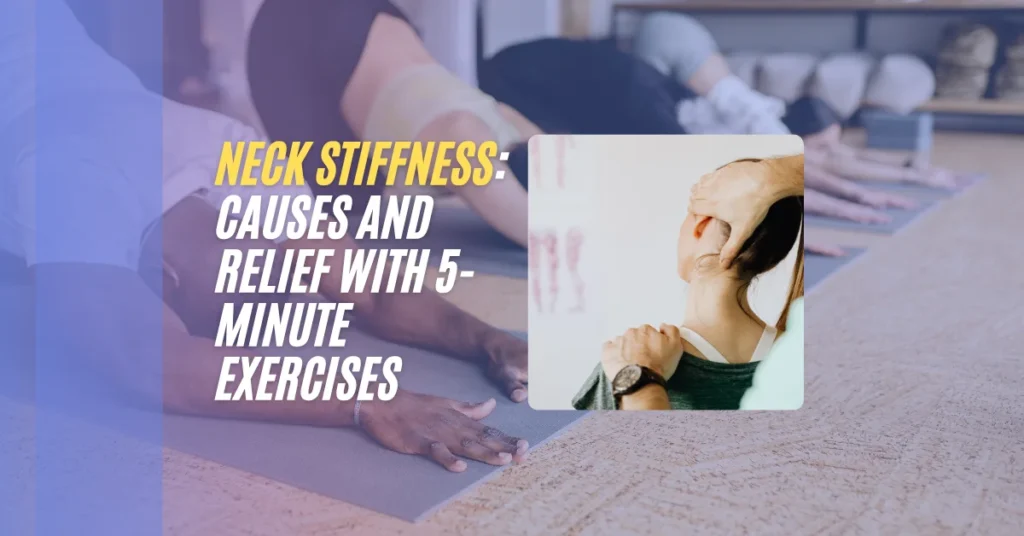
Neck Stiffness: कारण और 5 मिनट की एक्सरसाइज से राहत
गर्दन की अकड़न (Neck Stiffness): कारण और 5 मिनट की एक्सरसाइज से राहत क्या सुबह उठते…
Read More
Navel Displacement: लक्षण, पहचान और उपचार
क्या आपको अक्सर पेट में अनजान दर्द रहता है? क्या खाने के बाद ब्लोटिंग, गैस या…
Read MoreCore Strengthening Exercise जो कमर दर्द को जड़ से खत्म करे
क्या लंबे समय बैठने के बाद कमर दर्द होने लगता है? क्या सुबह उठते ही पीठ…
Read More