

Facet Joint Syndrome Treatment
Receive expert facet joint disorder therapy at Painflame Clinic. Modern physiotherapy, targeted rehabilitation and non-surgical pain relief for the spine with the help of experts.
 6,200+ Reviews Trusted by thousands.
Recommended by experts.
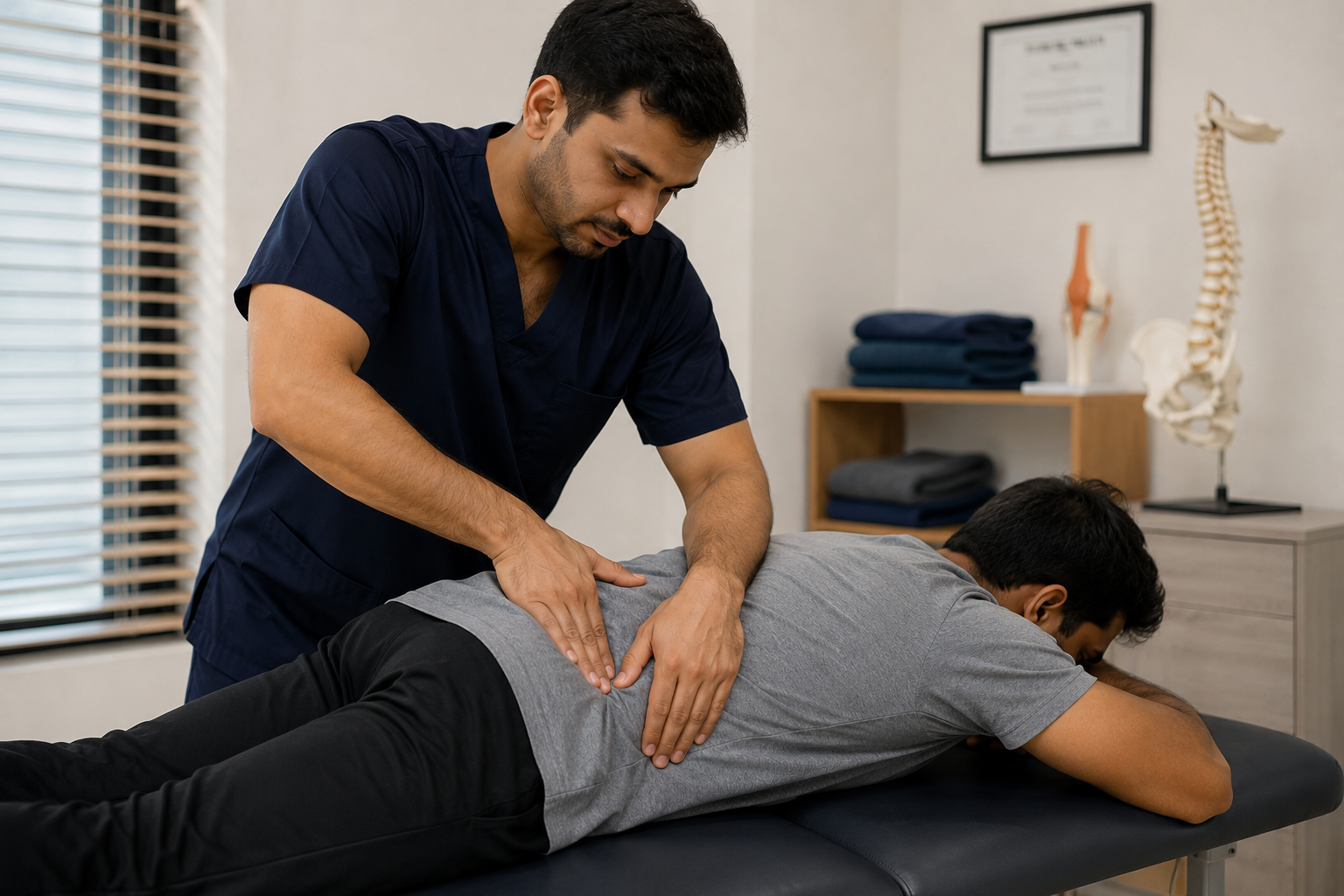
Facet Joint Syndrome Treatment
Painflame offers sophisticated, non-surgical therapies for facet joint disorders. Our skilled spine physiotherapy, together with specific rehabilitation programmes, reduces inflammation, restores mobility and naturally relieves neck and back pain.
What is Facet Joint Syndrome?
To understand joint syndrome better, it is good to look at the structure of the spine. The spine is made up of a group of bones called vertebrae. Behind each vertebra are two tiny joints lined with cartilage connecting it with the vertebra below it and those above it. They are called facet joints.
If these joints get damaged or inflamed, this can lead to the condition called facet joint syndrome (or facet arthritis). The cartilage that protects the joint begins to degrade, leading to friction, bone-on-bone contact and localised swelling.
Since we utilise our spines in almost every move, facet joint pain could severely hinder your routine, making it difficult to work at a workstation, drive or get a good night’s sleep. Finding prompt physical therapy and focused treatments is vital. Neglecting the discomfort can lead to a wrong postural correction that puts excessive pressure on other parts of your spine and can accelerate joint wear.
Common Causes of Facet Joint Pain
The condition of the facet joint is not usually seen overnight. The most common cause is chronic stress, unexpected trauma or ageing in the structure of the spine. Most typically, are:
- Spinal Osteoarthritis: The gradual degradation and wear of the facet joint cartilage over time.
- Poor Posture and Forward Head Positioning: Continuous slouching of the body, especially while using a mobile or computer, might change the centre of gravity of the body and overburden the spine joints.
- Sports injuries: Abrupt high-impact pressures; hyperextension of the spine during sports
- Gym Injuries: Bad form while lifting weights, especially deadlifts, squats, or even overhead presses.
- Obesity and lack of Core Strength: Being overweight leads the lower back to arch excessively (increase lumbar lordosis) which puts pressure on the facet joints.
Symptoms of Facet Joint Syndrome
The signs and symptoms of facet joint arthritis could be similar to those of other spine issues, including disc herniation. Facet joint pain is distinct and tends to get worse the moment you bend backwards or turn. Some common signs include:
- Localised Spinal Stiffness: There is a noticeable stiffness in the lower back or neck region, which usually gets worse at the beginning of the day or during periods of inactivity.
- Referred Pain: A dull, painful ache that can radiate through the hips, buttocks or upper thighs (for difficulties with the lumbar spine) or even into the shoulders as well as behind the back of your head (for cervical pain).
- Muscle Spasms: Guarding of the muscles to protect them from injury and muscle cramping around the joint that is inflamed.
- Reduced range of motion: An inability to turn your back or bend your neck and torso without causing sharp pain.
What is the best time to seek help?
Schedule a physical exam if neck or back pain persists longer than 2 weeks with no improvement or if stiffness limits your daytime routine.
Important note: Seek immediate medical care if you experience pain in your spine that is associated with progressive weakening of your legs and arms, numbness or altered sensation in your groin area, or a decrease in bladder or bowel control. These symptoms are indicative of serious nerve compression, not the result of a single joint inflammation.
Diagnosis of Facet Joint Pain
The correct diagnosis is the basis of effective treatment for facet joint disorders. The experts at Painflame Clinic use a holistic examination technique to establish the precise reason for your spinal pain:
- Physical Evaluation: A full evaluation of your spine alignment, identifying sensitive points and feeling the muscles around facet joint.
- Posture and Ergonomic Analysis: Evaluating how you stand, sit and move, to determine the biomechanical issues that put pressure on your spine.
- Mobility and Testing Range of Motion: Assessing which specific actions (such as rotation or extension) can cause your pain.
- Specialised Orthopaedic tests: Clinician-manoeuvres that are created to separate the facet joints from nerves and spinal discs.
- Advanced Imaging Reviews: Examining X-rays for signs of joint spurs, bone spurs and space narrowing, or scheduling an MRI in case it is necessary to determine disc herniations and the pathology of soft tissues.
Facet Joint Syndrome Treatment at Painflame Clinic
In the Painflame Clinic, we focus on comprehensive, non-surgical methods that address the primary source of pain, instead of merely masking signs. We tailored treatment plans integrating innovative physical therapy techniques and active lifestyle rehabilitation.
Physiotherapy for Facet Joint Pain
Our main aim is to decrease the localised inflammation and relieve stress on joints with inflammation. By focusing on specific physiotherapy treatments that help to get back to normal biomechanics for your spine, which allows the surrounding tissues to heal and prevent chronic flare-ups.
Manual Therapy
Our highly skilled physiotherapists employ the hands-on techniques of spinal mobilisation. With gentle glides or manipulation of the joints of your spine that are stiff, we can ease the tension, decrease muscle guarding, and immediately increase the range of motion you can enjoy.
Advanced Electrotherapy
For managing acute pain routes without excessive reliance on medication, we use the most effective electrotherapy methods that are based on research. They could include TENS (Transcutaneous Electrical Nerve Stimulation), ultrasound therapy or laser therapy, which can help stimulate circulation, decrease localised tissue inflammation, optimise the healing environment and manage acute discomfort.
Spinal Rehabilitation Exercises
When inflammation has subsided, the focus is now on stabilisation. The following instructions will help you with specific exercises to strengthen your core, deep abdominal muscle activation and gluteal exercises. Stimulating the muscles of the “corset” surrounding your spine helps relieve stress on the facet joints and also protects your joints from damage during everyday activities.
Ergonomic & Posture Correction
Long-term relief requires lifestyle modifications. We can provide customised ergonomic assessments to your workplace and teach you the proper way to set up your chairs, monitors, and desk. In addition, we instruct the proper mechanics of lifting as well as sleeping positions to maintain your spine at a comfortable level.
Preventing Facet Joint Pain
- Maintain posture
- Strengthen core
- Avoid prolonged sitting
- Stretch daily
- Lift correctly
- Stay active
- Excellent for Google Helpful Content.
Frequently Asked Questions
What's the most effective treatment for facet joint pain?
The most efficient approach involves a blend of physical therapy, manual joint mobilisation, and exercises for core stabilisation to take stress off joints.
Do physiotherapy treatments help with facet joint pain?
Yes. Physical therapy restores joint motion via manual therapy, decreases swelling with electrotherapy, and helps strengthen the muscles supporting your spine.
What is the time frame for recovery from facet joint pain?
Most patients feel a dramatic reduction in pain within around 4-6 weeks of continued PT. Chronic patients, on the other hand, may require up to 12 weeks of therapy.
Can facet joint pain be treated without surgery?
Yes. Most cases can be effectively treated with no surgery using specific treatment with physical therapy, ergonomic adjustments, and core strength.
Why do facet joints hurt with no obvious injury?
It's usually caused by normal wear and tear from ageing (osteoarthritis), as well as chronically poor posture, weak core muscles or degenerative disc diseases.
Patient Feedback & Success Stories
Treatments
Our Services
Our doctors
Meet more Painflame specialists




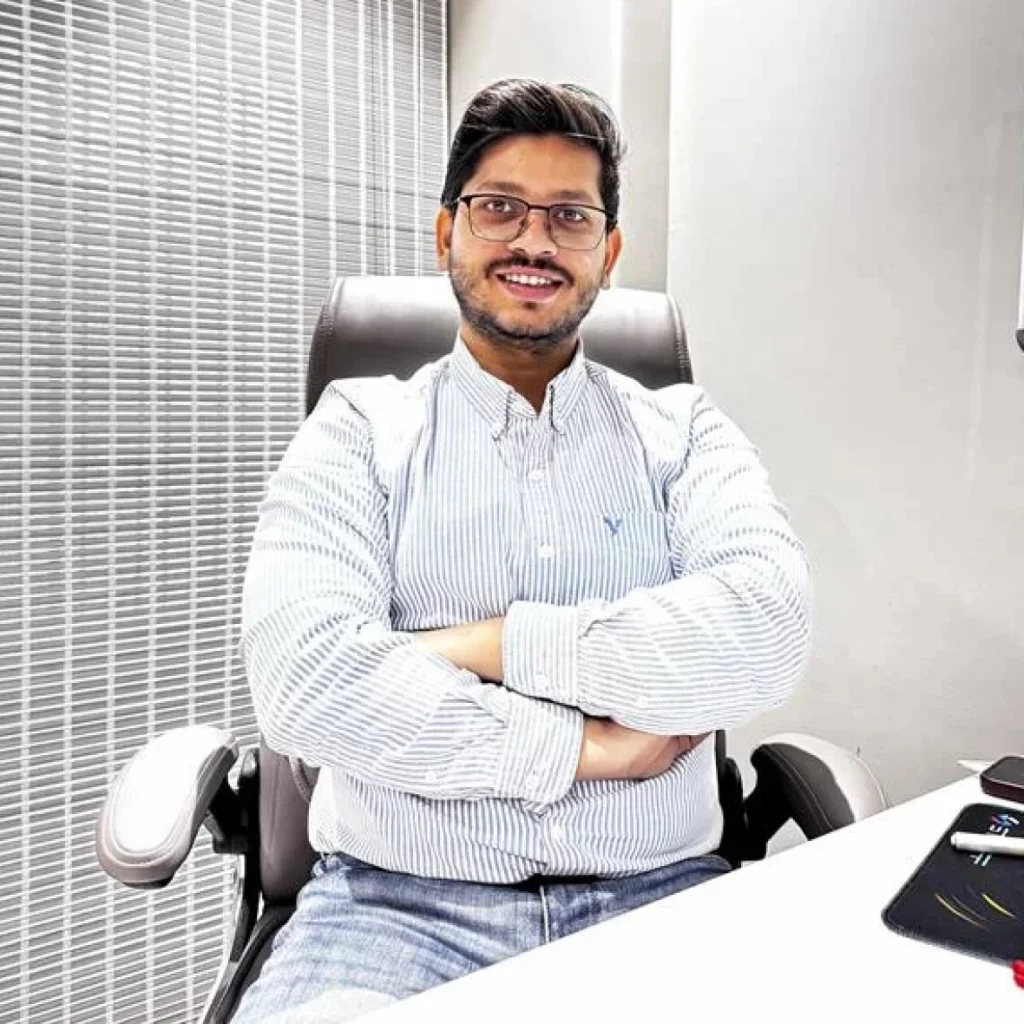

Dr. Divakar Kumar
Sports Rehabilitation, Sports Injury Management, Musculoskeletal Rehabilitation, Performance Enhancement, Strength & Conditioning
Book Appointment
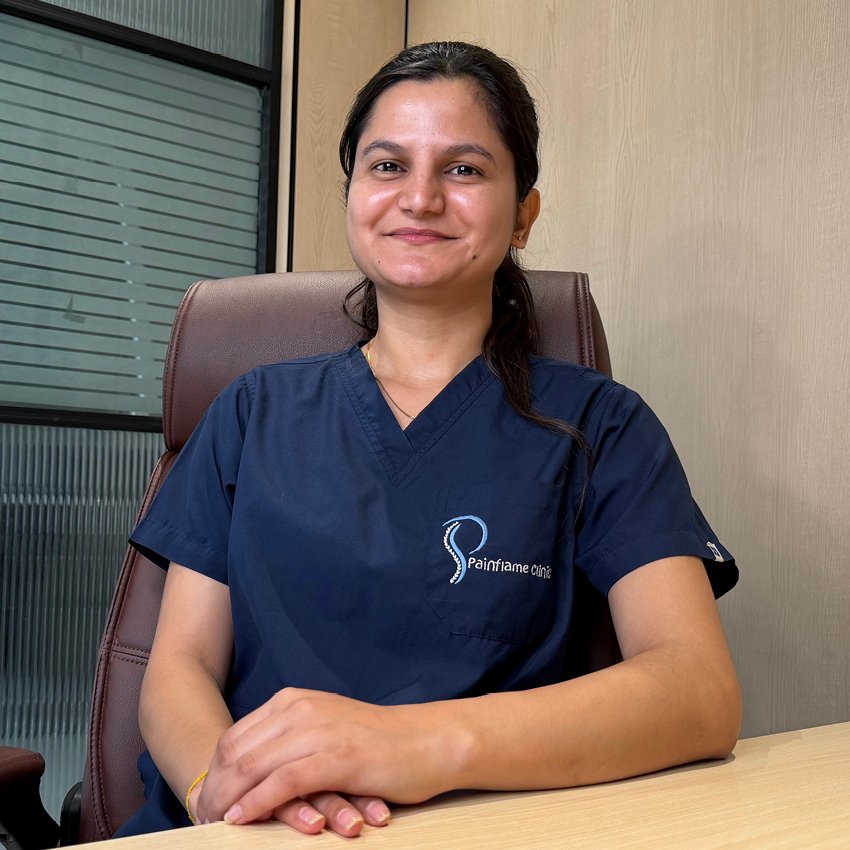
Dr. Jaya Sharma
Pilates Expert | Musculoskeletal Rehabilitation, Sports & Pelvic Floor Specialist
Book Appointment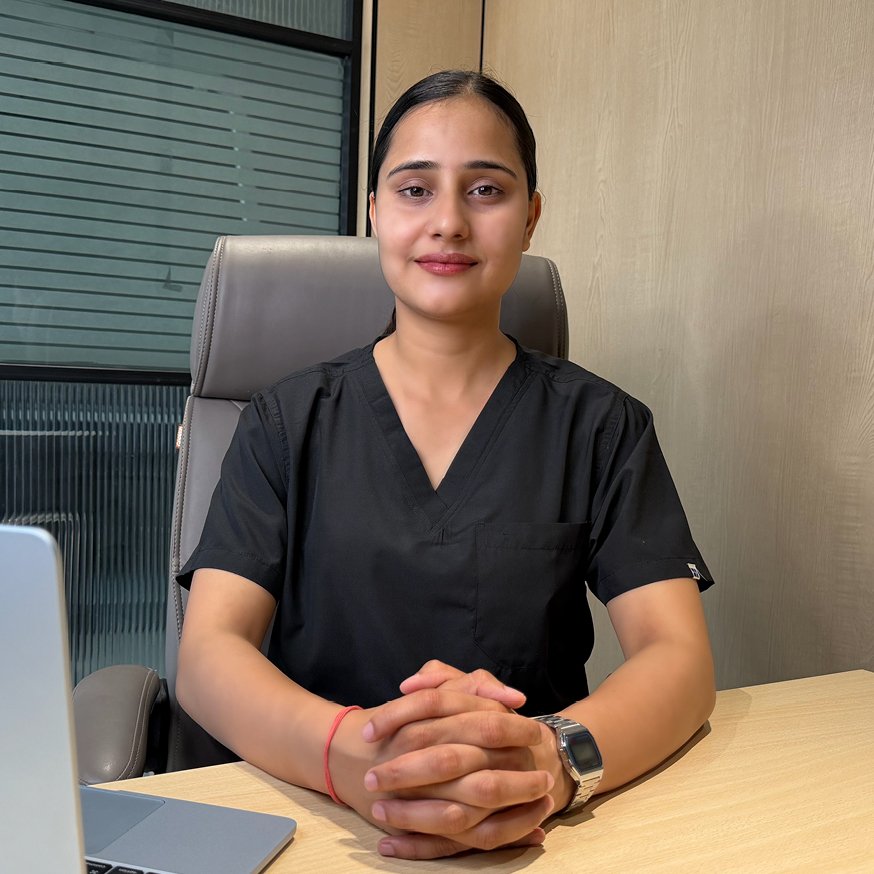
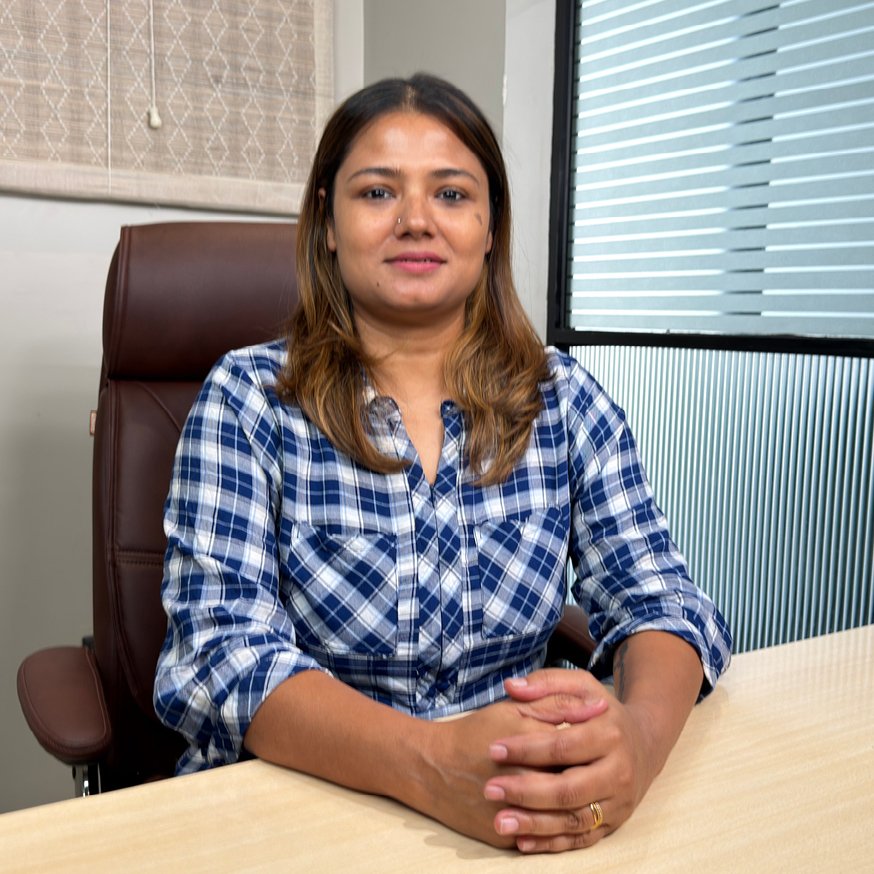
Dr. Priyanka Bhuyan
Tailbone (Coccyx) Treatment, Chiropractic Care, Spine & Joint Rehabilitation
Book Appointment
Dr. Saksham Kapoor
Sports Physiotherapy, Musculoskeletal Rehabilitation, Pain Management, Injury Prevention & Recovery
Book AppointmentLatest Blogs
Neck Stiffness: कारण और 5 मिनट की एक्सरसाइज से राहत
गर्दन की अकड़न (Neck Stiffness): कारण और 5 मिनट की एक्सरसाइज से राहत क्या सुबह उठते…
Read More
Navel Displacement: लक्षण, पहचान और उपचार
क्या आपको अक्सर पेट में अनजान दर्द रहता है? क्या खाने के बाद ब्लोटिंग, गैस या…
Read MoreCore Strengthening Exercise जो कमर दर्द को जड़ से खत्म करे
क्या लंबे समय बैठने के बाद कमर दर्द होने लगता है? क्या सुबह उठते ही पीठ…
Read More