

Biceps Tendinitis Treatment
Get expert biceps tendinitis treatment at Painflame Clinic. The most advanced physiotherapy techniques focus on rehabilitation, as well as the non-surgical treatment of shoulder pain.
 6,200+ Reviews Trusted by thousands.
Recommended by experts.

Biceps Tendinitis Treatment
Painflame Clinic is a premier clinic providing advanced non-surgical treatment for biceps tendinitis. Our expert physiotherapists and specialized rehabilitation programs help alleviate shoulder pain, enhance mobility and organically build your upper body strength.
What is Biceps Tendinitis?
Biceps tendinitis refers to the irritation or inflammation of the long head of the biceps tendon. This strong, cord-like structure connects the top of the biceps muscle to the glenoid (shoulder socket). The tendon runs through the bicipital groove (a smooth channel at the top of the humerus bone), which makes it extremely susceptible to wear and friction.
If this tendon becomes injured, any movement may cause intense pain. It can impact the capacity to lift your arm, carry groceries or lift the weight of heavy objects. Because the shoulder is an extremely mobile, complex joint, failing to address early symptoms can cause compensatory movement patterns that strain adjacent tissues.
Common Causes of Biceps Tendinitis
- Gymnastics/Weightlifting: Improper form or overloading while performing movements like bench presses, shoulder presses and bicep curls can lead to overuse of the tendon.
- Sports injuries: Sports involving repetition of throwing, swinging or hitting such as cricket, swimming, tennis and volleyball impose considerable dynamic load on the shoulder.
- Postural Strain: Shoulders that are rounded and forward head posture change the motion of the shoulder joints, altering the mechanics of the humeral head in the socket and causing the tendon to rub against surrounding structures.
- Rotator Cuff Tear and Wear: The weakness or damage in the muscles of the rotator cuff causes the long head of the biceps tendon to work harder as a secondary stabiliser, causing overload and inflammation.
- Sudden Trauma: Directly falling onto the shoulder or a sudden, powerful pull at the arm causes acute inflammation.
Symptoms of Biceps Tendinitis
Biceps tendinitis symptoms generally begin to manifest gradually in the upper part of the shoulder.
- Front shoulder discomfort: Dull, deep pain at the front of the shoulder that may radiate down into the biceps muscles.
- Pain during overhead movements: Sharp discomfort when lifting your arm, reaching behind your back or pulling on objects.
- Snapping or Clicking Sensation: A popping or snapping feeling within the shoulder joint when moving, which can indicate an injury to the tendon within its groove.
- Arm weakness: Loss or difficulty in gaining strength while performing the pulling, lifting, or twisting movements (like opening a Jar).
- Stiffness: A reduced range of motion within the shoulder joint, particularly during long intervals of rest or in the early morning.
When Should You Seek Treatment for Biceps Tendinitis?
If you have been resting but your shoulder pain lasts for more than a couple of days it is recommended that you seek the counsel of a medical doctor or a physiotherapist.
Recommended if you feel:
- An abrupt and sharp “pop” or tearing sensation in the front shoulder.
- There are visible bruises or a noticeable bulging or ‘bunching up’ of the biceps muscle near the elbow (known as a ‘Popeye’ deformity, which signals a complete tendon rupture).
- Persistent pain that disrupts your sleep or prevents you from resting comfortably.
- A lack of strength to complete simple daily tasks such as combing your hair or dressing.
- Tingling, pain or radiating pain that extends to the fingers or hand.
A prompt treatment can stop the tendon that is inflamed from developing micro-tears and progressing towards chronic tendinosis that will take a lot longer to heal.
Diagnosis of Biceps Tendinitis
A definitive diagnosis is required to distinguish biceps tendinitis from rotator cuff tear or other damage. Our full diagnostic procedure covers:
- Comprehensive Physical Assessment: A thorough evaluation of shoulder strength, as well as structural alignment.
- Palpation Test: Pressing gently along the bicipital groove to determine the exact cause of localised tenderness.
- Orthopaedic Special Tests: Performing specific movements, such as Speed’s and Yergason’s tests, to specifically assess and isolating the biceps tendon and assessing its structural integrity.” (Lowercase “biceps tendon”).
- Biomechanical and Postural Analyses: Assessing the alignment of the spine and the scapula (shoulder blade) and identifying movement dysfunction causing tendon friction.
- Diagnostic Imaging: Digital X-rays are recommended to exclude bone spurs, or an MRI/Ultrasound scan to assess the extent of inflammation, or to search for tears in the structure.
Biceps Tendinitis Treatment at Painflame Clinic
At the Painflame Clinic, we utilize the multidisciplinary approach to relieve the pain, promote tissue repair/healing and help restore function over time without surgical intervention.
Physiotherapy for Biceps Tendinitis
With the specialised physiotherapy plan we will address the root of shoulder pain instead of merely masking symptoms. In the beginning, we focus on lessening active inflammation as well as healing the injured tendon. The subsequent phases are focused on returning all movement.
Manual Therapy
We use hands-on joint mobilisation and soft tissue release techniques to alleviate tension in the shoulder complex. In mobilising the glenohumeral joint and returning normal motion towards the scapula, it is possible to reduce the tension on the biceps tendon.
Advanced Electrotherapy
To speed up the recovery of tissue and alleviate severe pain, we employ advanced techniques depending on the individual’s needs.
- High-Power Laser Therapy (HPLT): It uses specific wavelengths to stimulate cellular repair (photobiomodulation) and reduce deep tissue swelling
- Ultrasound Therapy: It delivers deep acoustic waves that help improve local blood flow and to break down the early scar tissues.
- IFT and TENS: They safely block pain signals at the neural level for fast, non-invasive relief.
Rehabilitation Exercises
When pain levels have decreased, we can organise a training program.
- Progressive Eccentric Loading: The controlled lengthening exercises to strengthen the fibres of the tendons to build tensile strength perfectly.
- Strengthening the Rotator Cuff helps to activate the stabiliser muscles, which in turn reduces the load on the biceps tendons.
- Scapular Stabilisation: Training exercises that ensure the shoulder blade keeps pace with the arm, thus preventing impingement.
Ergonomic & Posture Correction
Then we analyse your routine and identify the stressors that are causing your problems. It includes adjusting the layout of your workspace, instructions regarding sleeping postures that prevent pressing the joint and modifications to your gym routine or sporting techniques that can prevent further flare-ups.
How to Prevent Biceps Tendinitis
The best way to protect your shoulder joints from repeated strain requires incorporating simple practices into your routine and your training schedule:
- Start Warming Up Correctly
- Maintain a Good Posture
- Gradually Increase the Training Intensity
- The Balance of Your Workout
- Beware of repetitive overhead use
Frequently Asked Questions
What's the most effective treatment for Biceps Tendinitis?
Shoulder strengthening exercises, manual treatment and pain reduction procedures give the best long term results.
What is the time frame to heal from biceps tendinitis?
In mild cases, the healing process can take four to six weeks. In chronic or serious cases, it may take 3 to 6 months.
Is it possible to heal biceps tendinitis without surgical intervention?
Most patients do get better without surgery. If you have a complete tear of the tendon or you do not improve after months of physical therapy, surgery may be a possibility.
What triggers biceps tendinitis to get worse without any obvious damage?
Bad habits in your daily life, such as sitting at your computer for too long, cause your shoulders to roll forward. This pinches the biceps tendon. In time, the repetitive contact causes painful flare-ups and is not triggered by an accident.
Does biceps tendinitis have a connection to issues with the rotator cuff?
Yes, they're related. When the muscles of your rotator cuff have been injured or weakened, the biceps tendon needs to be working extra hard to support the shoulder that can lead to swelling.
Patient Feedback & Success Stories
Treatments
Our Services
Our doctors
Meet more Painflame specialists




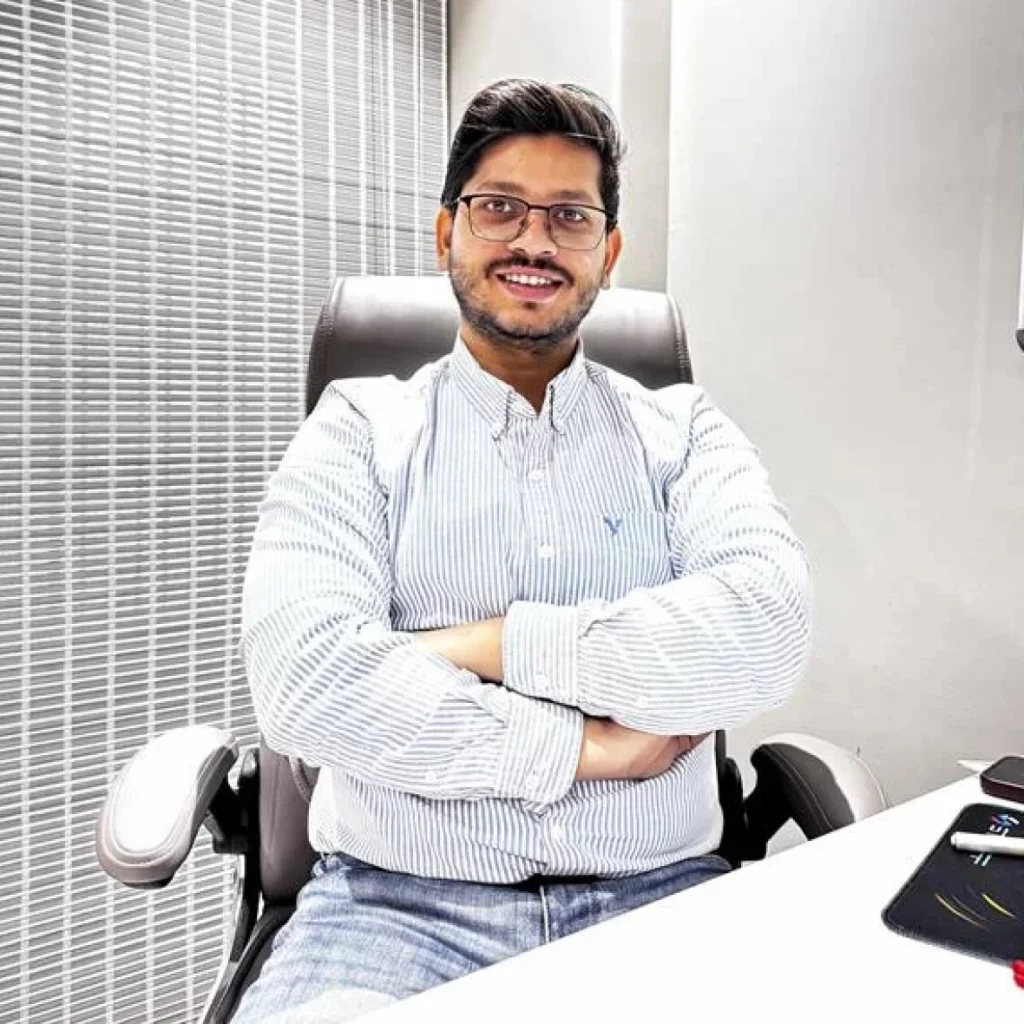

Dr. Divakar Kumar
Sports Rehabilitation, Sports Injury Management, Musculoskeletal Rehabilitation, Performance Enhancement, Strength & Conditioning
Book Appointment

Dr. Jaya Sharma
Pilates Expert | Musculoskeletal Rehabilitation, Sports & Pelvic Floor Specialist
Book Appointment

Dr. Priyanka Bhuyan
Tailbone (Coccyx) Treatment, Chiropractic Care, Spine & Joint Rehabilitation
Book Appointment
Dr. Saksham Kapoor
Sports Physiotherapy, Musculoskeletal Rehabilitation, Pain Management, Injury Prevention & Recovery
Book AppointmentLatest Blogs
Neck Stiffness: कारण और 5 मिनट की एक्सरसाइज से राहत
गर्दन की अकड़न (Neck Stiffness): कारण और 5 मिनट की एक्सरसाइज से राहत क्या सुबह उठते…
Read More
Navel Displacement: लक्षण, पहचान और उपचार
क्या आपको अक्सर पेट में अनजान दर्द रहता है? क्या खाने के बाद ब्लोटिंग, गैस या…
Read MoreCore Strengthening Exercise जो कमर दर्द को जड़ से खत्म करे
क्या लंबे समय बैठने के बाद कमर दर्द होने लगता है? क्या सुबह उठते ही पीठ…
Read More