

Labral Tear Rehabilitation
Enjoy expert labral tear treatment with Painflame Clinic. Customised physiotherapy, nonsurgical pain treatment, as well as targeted exercises that help restore mobility.
 6,200+ Reviews Trusted by thousands.
Recommended by experts.
Labral Tear Rehabilitation
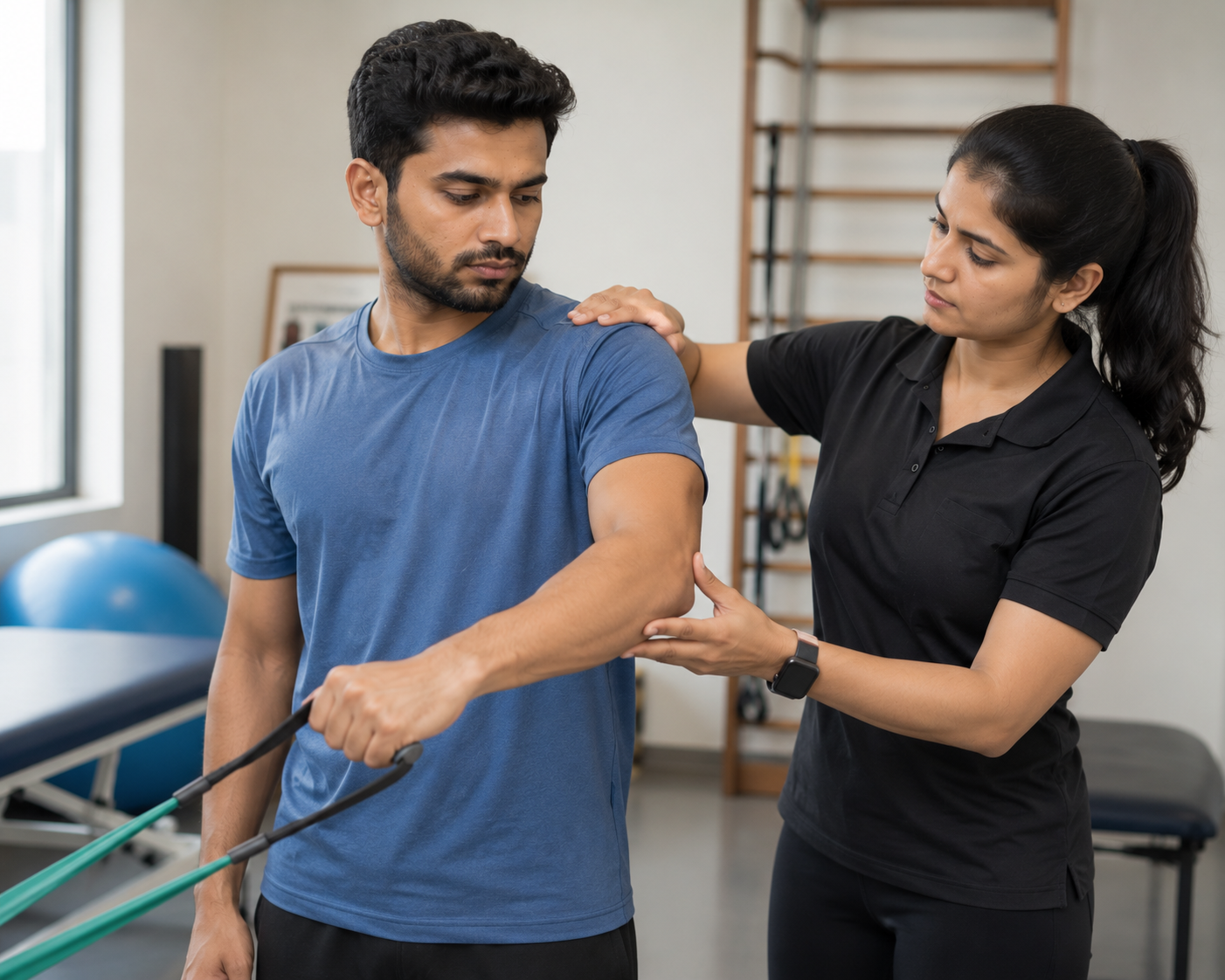
Painflame Clinic offers focused, non-surgical labral tear rehab to regain joint stability and live pain-free. Our hands-on, one-on-one physiotherapy sessions are designed around your needs, rehabilitation plans to reduce edema, increase strength and help you get back to moving.
What is a Labral Tear?
A tear in the labrum is one of the most frequent injuries to the labrum, a flexible ring of cartilage that forms the rim on your hip socket. Imagine the labrum as a protective suction seal. It lines the rim of your hip and shoulder sockets, ensuring that the joint stays in place, secure and moving with ease.
If this cartilage becomes frayed or tears due to repetitive strain or sudden twists, it loses its cushioning. It can result in painful aches, annoying clicks or a sensation that the joint is catching, locking, or slipping. In the beginning, focusing on your treatment is essential. The early treatment of a tear in the labrum helps keep the surrounding tissue healthy. This decreases the likelihood of chronic wear and tear as well as helps avoid surgery whenever it is possible.
Common Causes of Labral Tears
The tears of the cartilage rim can affect any person, from elite professional athletes to everyday desk employees. Most often, they are the result of an accident that is sudden as well as wear and tear from daily use:
- Repetitive hip or overhead movements: Constant strain from playing tennis, swimming, golf, baseball or dancing.
- Sports injuries and sudden impacts: Heavy tackles, difficult twists, or unexpected falls in the field.
- Structural Joint Abnormalities: Natural bone changes, including the Femoroacetabular Impingement (FAI), which squeeze the cartilage.
- Heavy Lifting Strain: The strain of pushing through bad form when doing heavy deadlifts or squats or even heavy overhead presses.
- Wear and tear of everyday life: slow degradation of cartilage over time owing to aging or tension of muscles.
- Dislocations & Subluxations: Traumatic events that cause the joint to be out of alignment of its socket.
Symptoms of a Labral Tear
- Deep Ache: It is located deep within the crease of your groin or in the middle of the shoulder.
- Caught, clicking, or popping: A distinct mechanical popping sound occurs when you twist or lift the joint.
- Restricted Range of Motion & Stiffness: Trouble turning your hip, squatting or lifting your arms to the ceiling.
- Joint Instability: An unsettling sense that your hip or shoulder is unstable, moving or poised to collapse.
- Resting Pain / Prolonged Postural Discomfort: A dull or intense pain that happens when you sit in low back chairs, travel for long distances or lie down on your side.
- Around the Joint: You have lost a lot of strength in your glutes, core or rotator-cuff muscles.
When Should You Seek Treatment?
It’s time to be examined if you observe:
- Joint pain that persists for longer than two weeks.
- A painful locking or catching sensation, or feeling like you may have visible joint swelling.
- The sharp pain can disrupt your sleep or your basic day-to-day routine.
- Muscle weakness or instability to lift weights or apply stress on your legs.
Diagnosis of Labral Tears
Since joint pain can originate from multiple places, obtaining the right diagnosis is crucial. In Painflame Clinic, we take an in-depth look at:
- Hands-On Assessment: Verifying joint alignment and tender spots in the local area and overall health of the tissue.
- Motion and Posture Checks: Watching how you move, squat or reach out to identify a compensatory or abnormal movement patterns.
- Specialized Orthopaedic Tests: Particular manual tests (like the tests FADIR/FABER for the hips or O’Brien’s tests to measure shoulders) to determine whether the labrum may be involved.
- Range-of-Motion Assessment: Mapping out where your joint is cramped, stuck, or hurts.
- Imaging Guidance:
- X-rays: They are useful for examining the bone’s structure, arthritis and bone spurs.
- MRI (Arthrogram): The easiest way to visualise soft cartilage and to identify the exact site of tear.
Labral Tear Rehabilitation at Painflame Clinic
Here at Painflame Clinic, the focus is on non-surgical rehabilitation designed to ease the strain on the joint, ease irritation and increase the muscles surrounding it to handle the burden.
1. Targeted Physiotherapy for Labral Tears
We develop progressive, individualised treatment plans for shoulder (SLAP/Bankart) as well as hip labral tears. We focus on managing the pain and then slowly building back the natural joint movement.
2. Manual Therapy & Joint Mobilisation
Using gentle hands-on treatments we can alleviate tight muscles, decrease stiffness of the joint capsule as well as restore fluid mobility towards the socket.
3. Modalities for Relief and Recovery
The targeted therapy we employ can lessen inflammation and assist the tissues to heal:
- Laser & Ultrasound Therapy: Helps reduce localized inflammation and relieve pain and soothe the local swelling.
- TENS/IFT: Uses safe electrical impulses that ease pain signals. It is natural.
4. Guided Rehabilitation Exercises
An easy-to-follow workout routine that helps increase joint strength and flexibility
- Phase 1. (Pain Relief & Activation): Easy isometric holds to your rotator cuff, or glutes deep and core to activate key joint stabilizers.
- Phase 2. (Strengthening and Management): Light resistance exercises that help build an organic muscular “sleeve” around the joint.
- Stage 3 (Functional Return): Balance drills as well as movement retraining and exercise specific to your sport so that you are able to perform your movement with confidence.
5. Ergonomic & Posture Corrections
Look your posture, look the way you sit at work, the way you sleep and the way you sit and some practical tips to keep your joint safe all through your day.
How to Prevent Labral Tears and Recurrence
The health of your joint cartilage depends on solid muscles and smart exercise practices:
- Strengthen your muscles that support you
- Begin Warming Up Properly
- Concentrate on the technique
- Avoid Prolonged Static Postures
- Pay attention to your body
Frequently Asked Questions
What's the most effective treatment that isn't surgical for a labral tear?
The most effective way is tailored physiotherapy treatment program including manual therapy, management of edema and gradual development of muscles around the joint.
Is physical therapy able to heal the tear in your labrum without surgical intervention?
Although physical therapy isn't able to repair damaged cartilage, it is able to help to restore the injury painlessly by strengthening muscles surrounding it in order to help stabilise the joint.
How long can rehab for a tear in the labrum take?
The average recovery time is eight to sixteen weeks, depending on the extent of your tear, the goals you have for your exercise, as well as how often you adhere to your workouts.
Will a labral tear heal on its own?
Due to the fact that cartilage has a limited blood supply, tears are not able to knit back in its own. But treatment can adapt surrounding muscles to help support the joint, allowing you to be pain-free.
What are the activities I should avoid when I have a tear in my labrum?
Avoid squats that are heavy and deep, extreme end-range joint positions, as well as heavy overhead presses, until a physical therapist has evaluated the joint.
What do I need to know whether my joint pain is arthritis or a labral tear?
Arthritis can cause continuous, dull stiffness, while a tear in the labrum typically results in sharp clicking, catching or locking the movement.
Patient Feedback & Success Stories
Treatments
Our Services
Our doctors
Meet more Painflame specialists
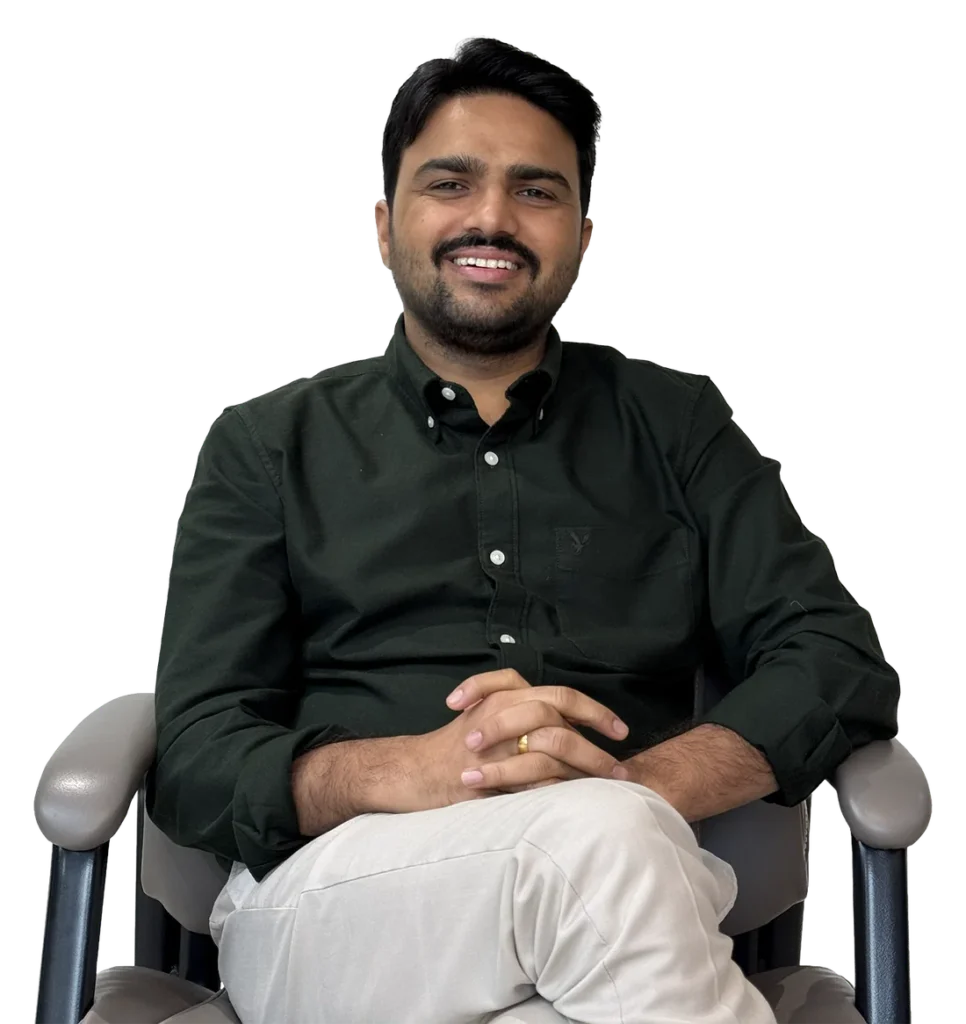


Dr. Divakar Kumar
Sports Rehabilitation, Sports Injury Management, Musculoskeletal Rehabilitation, Performance Enhancement, Strength & Conditioning
Book Appointment
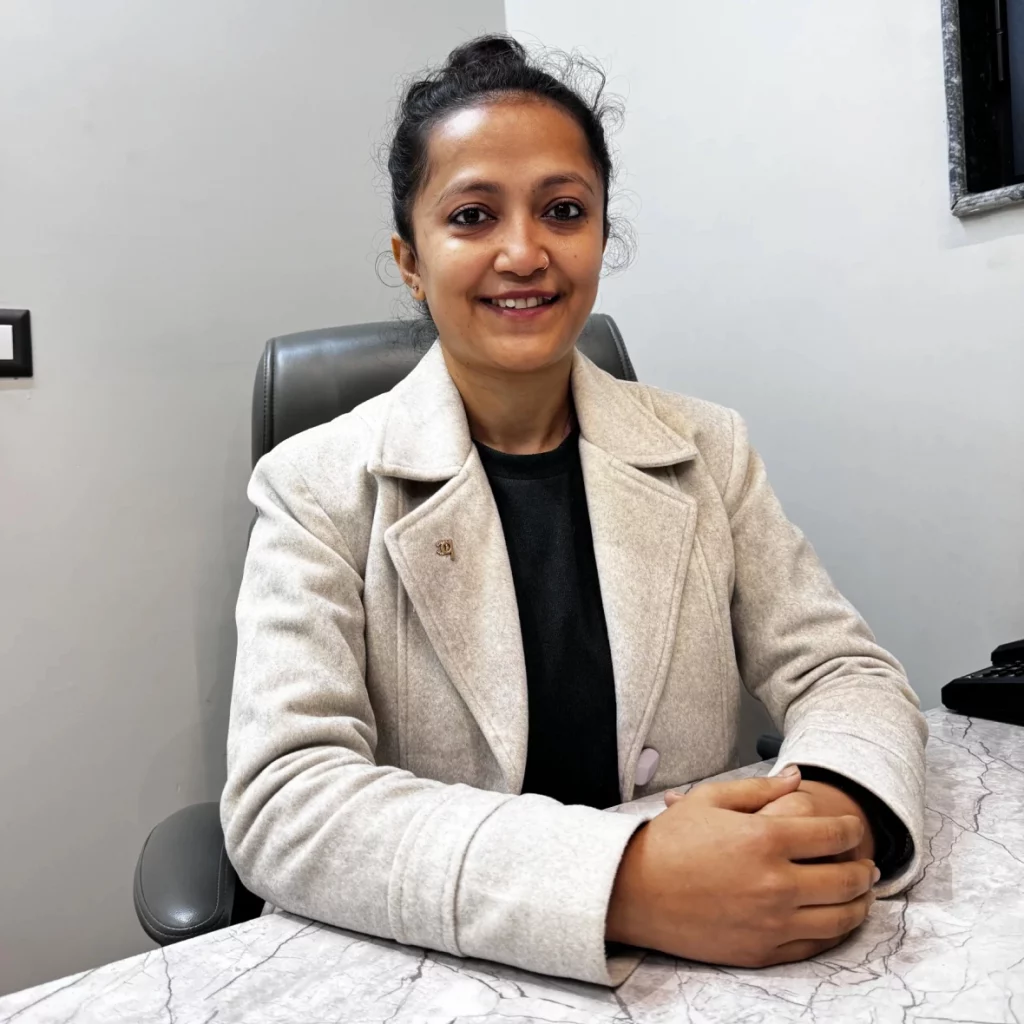
Dr. Jaya Sharma
Pilates Expert | Musculoskeletal Rehabilitation, Sports & Pelvic Floor Specialist
Book Appointment
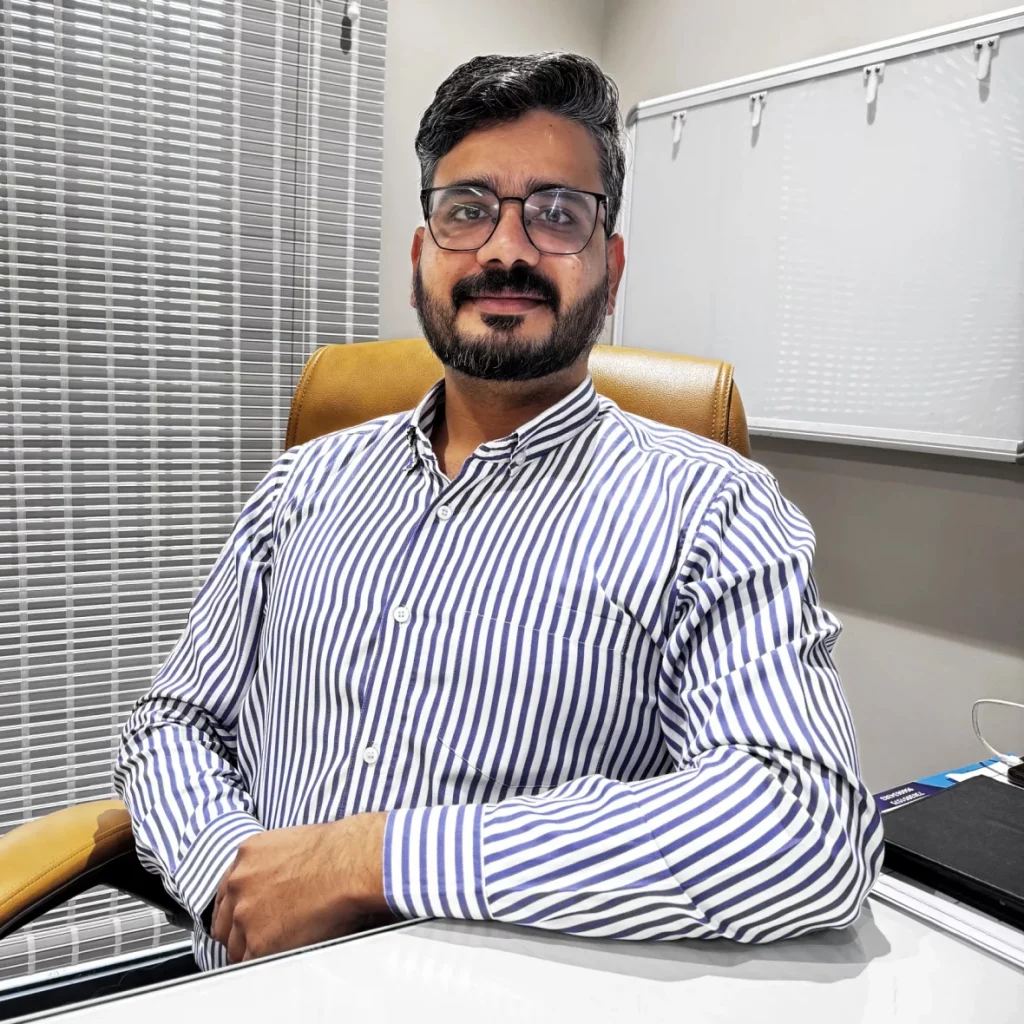
Dr. Priyanka Bhuyan
Tailbone (Coccyx) Treatment, Chiropractic Care, Spine & Joint Rehabilitation
Book Appointment
Dr. Saksham Kapoor
Sports Physiotherapy, Musculoskeletal Rehabilitation, Pain Management, Injury Prevention & Recovery
Book AppointmentLatest Blogs
Neck Stiffness: कारण और 5 मिनट की एक्सरसाइज से राहत
गर्दन की अकड़न (Neck Stiffness): कारण और 5 मिनट की एक्सरसाइज से राहत क्या सुबह उठते…
Read More
Navel Displacement: लक्षण, पहचान और उपचार
क्या आपको अक्सर पेट में अनजान दर्द रहता है? क्या खाने के बाद ब्लोटिंग, गैस या…
Read MoreCore Strengthening Exercise जो कमर दर्द को जड़ से खत्म करे
क्या लंबे समय बैठने के बाद कमर दर्द होने लगता है? क्या सुबह उठते ही पीठ…
Read More