

Pinched Nerve Treatment
Get expert pinched nerve treatment at Painflame Clinic. Modern physiotherapy, customised treatment and non-surgical pain relief provided by experts.
 6,200+ Reviews Trusted by thousands.
Recommended by experts.

Pinched Nerve Treatment
Experience advanced non-surgical pinched nerve therapy at Painflame Clinic. Our physio sessions offer hands-on, expert rehabilitation programmes that alleviate compressed nerves, reduce pain and allow you to restore pain-free, natural movement.
What is a Pinched Nerve?
A pinched nerve occurs when surrounding tissues—such as bone, cartilage, muscles, or tendons—apply too much pressure to a nerve, compressing it and disrupting its function. The pressure can disrupt the nerve’s normal signals and cause intense pain, numbness or a tingling sensation which may radiate down the body.
If you get a pinched nerve in the neck, back or wrist, everyday movements could cause pain. Just turning your head, typing or walking may be a burden.
A pinched nerve diagnosis is crucial promptly. If you wait too long, it can result in inflammation becoming chronic, or you risk permanent nerve damage and long-lasting muscle weakness. A quick, specific treatment relieves the stress so you can recover without surgical intervention.
Common Causes of a Pinched Nerve
- Herniated or Slipped Discs – A bulging spinal disc compresses the nerve root directly.
- Repetitive Strain: Do the same movement over and over again, and you could irritate the tendons that are close by and push the nerves.
- Postural Stress & Device Use: Hunching over desks or looking at your phone puts strain on your spine, and it creates a narrowing of nerve pathways.
- Bone spurs: Osteoarthritis is a degenerative joint condition that can trigger the growth of tiny bony bumps (osteophytes) around joints, which can compress or pinch nerves nearby.
- High-impact sports or lifting injuries: Awkward twists or excessive lifting that is not done properly could cause joint bending and compression of nerves.
- Pregnancy: Normal weight gain and fluid retention put tension on nerve pathways, particularly in the lower back.
Symptoms of a Pinched Nerve
Signs vary depending upon the location of the pinch; however, most sufferers have one or more symptoms like these:
- Shooting pain: Acute, burning or hurting pain that runs (for instance, starting through your neck and down your arm or your lower back to your leg).
- Paresthesia: A frequent ‘pins-and-needles’ or limb-falling-asleep sensation radiating down your arms, hands, legs, or feet.
- Muscle Weakness: You are finding it difficult to grasp objects, elevate your foot or swing your arm in a normal way.
- Frequent numbness or paresthesia: This heavy, sleepy feeling occurs frequently in either your feet or hands.
- The feeling of stiffness: The problem is with bending, turning, or even movement of the area affected in discomfort.
When Should You Seek Treatment?
The slight pain may subside after a few days of rest. But if the discomfort continues for more than a week or gets worse, you need to see a medical specialist.
Red Flag Warning
Don’t ignore the warning signs of high nerve pressure. Contact a doctor immediately when you notice an abrupt muscle weakness in your legs (like tripping when walking). You may also notice that you are constantly dropping objects or losing control over your bladder or bowel.
Diagnosis of a Pinched Nerve
We will guide you to determine exactly the location and how the nerve has been affected before starting any type of treatment. The assessment we conduct comprises:
- Physical as well as Reflex Examinations: Checking your reflexes as well as strength and sensitivity to pinpoint the nerve irritation.
- Posture Examination: Looking at how you stand and sit to determine any habits that are causing you tension.
- Range of Motion Tests: Asking you to be in a specific direction to find out which triggers or alleviates your pain.
- Orthopaedic Tests: Simple physical tests to determine if nerves are entrapped.
- Imaging (X-ray or MRI): If conservative treatment doesn’t yield results, we can refer you for diagnostic imaging—such as X-rays to check bone alignment or an MRI to visualise soft tissues like herniated discs.
Pinched Nerve Treatment at Painflame Clinic
The focus of our treatments is to relieve tension from your nerve and ease pain, as well as prevent your problem from recurring.
Physiotherapy for a Pinched Nerve
Physiotherapy is a way to address the source of pressure. We employ a variety of techniques to lessen swelling, loosen muscles that are tight around the region and reduce mechanical pressure on the nerve.
Manual Therapy
Our therapists utilise hands-on approaches to gently move joints in alignment and relax the tight muscles which have strained nerves.
Electrotherapy
Utilising gentle technology like TENS, ultrasound, as well as cold laser therapy, to ease nerve irritation and block pain signals and accelerate tissue healing.
Rehabilitation Exercises
We will guide you through particularly easy exercises. It includes “nerve glides” to help the nerve glide effortlessly along the path it takes, as well as the back and core exercises that help strengthen your joints.
Ergonomic & Posture Correction
The course will look at your current set-up and show you how to modify your workstation, chair and lifting practices so that you do not put stress on your body either at work or in your home.
How to Prevent a Pinched Nerve
It is possible to protect your nerves and stop future pain with some simple adjustments:
- Practice good posture alignment
- Alternate positions frequently
- Set up an Ergonomic desk
- Develop Core Strength
- Lift smart by using your legs, not your back
Frequently Asked Questions
What's the best way to treat a nerve that is pinched?
The combination of hands-on physiotherapy, exercises to help nerves glide, as well as posture adjustment, is the most effective method to reduce tension on the nerve with no surgery.
Do physiotherapy treatments help someone with a pinched nerve?
Yes, physiotherapy can be quite helpful. It loosens tight muscles and realigns joints which are pressing the nerves in the first place.
What is the time frame for the recovery of a pinched nerve?
Mild compressions will normally recover within a couple of weeks after starting physiotherapy; however, more severe compressions can take six to 12 weeks to heal completely.
Does a pinched nerve heal without the need for surgery?
Yes. Over 90% of the pinched nerves are successfully treated with non-surgical methods such as physical therapy or specific exercises.
What can cause pinched nerves without abrupt damage?
The most common cause is progressive wear and tear, excessive standing posture, repeated movements or changes in age, such as arthritis.
Are pinched nerves related to arthritis?
Yes. Arthritis is a cause of the joint to narrow or spurs of bone which press directly against nearby nerves and cause irritation.
Patient Feedback & Success Stories
Treatments
Our Services
Our doctors
Meet more Painflame specialists






Dr. Divakar Kumar
Sports Rehabilitation, Sports Injury Management, Musculoskeletal Rehabilitation, Performance Enhancement, Strength & Conditioning
Book Appointment

Dr. Jaya Sharma
Pilates Expert | Musculoskeletal Rehabilitation, Sports & Pelvic Floor Specialist
Book Appointment

Dr. Priyanka Bhuyan
Tailbone (Coccyx) Treatment, Chiropractic Care, Spine & Joint Rehabilitation
Book Appointment
Dr. Saksham Kapoor
Sports Physiotherapy, Musculoskeletal Rehabilitation, Pain Management, Injury Prevention & Recovery
Book AppointmentLatest Blogs
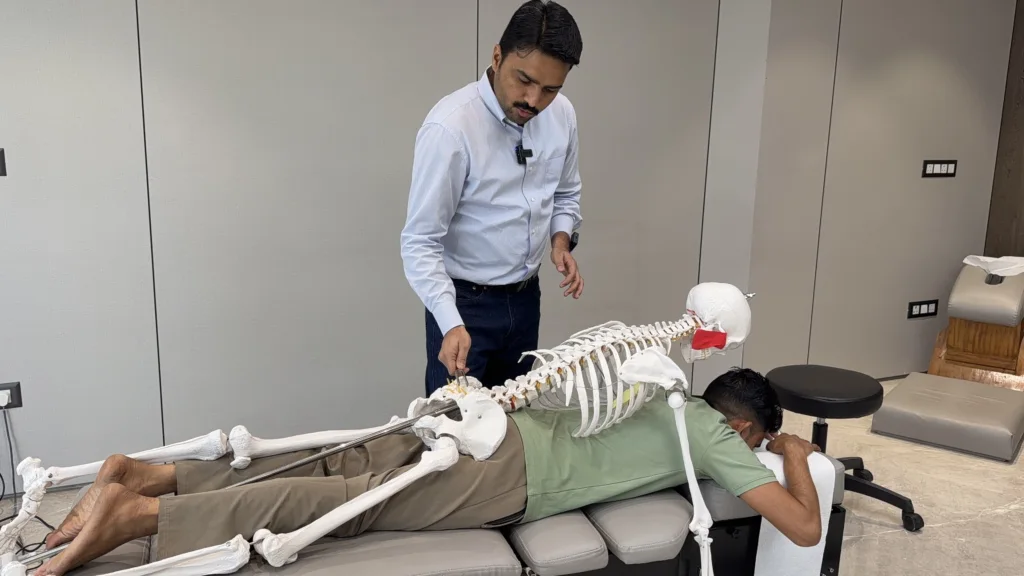
Chronic Pain? What Physiotherapy in Gurgaon Can Actually Do
If you’re in Gurgaon and dealing with neck stiffness, lower back pain, or recovering from a…
Read More
Why Ignoring a ‘Minor’ Sports Injury Today Leads to Chronic Joint Issues Tomorrow
Pain-free doesn’t mean healed. Structural weakness, joint instability, and micro-tears in connective tissue often persist well…
Read More
Tired of Back Pain? Here’s What Your Spine Is Actually Trying to Tell You
Most lower back pain comes down to daily habits — long hours hunched at a desk,…
Read More