

Degenerative Disc Treatment
Receive expert care for disc degeneration through Painflame Clinic. The most advanced physiotherapy, spine rehabilitation and non-surgical pain relief provided by experts.
 6,200+ Reviews Trusted by thousands.
Recommended by experts.
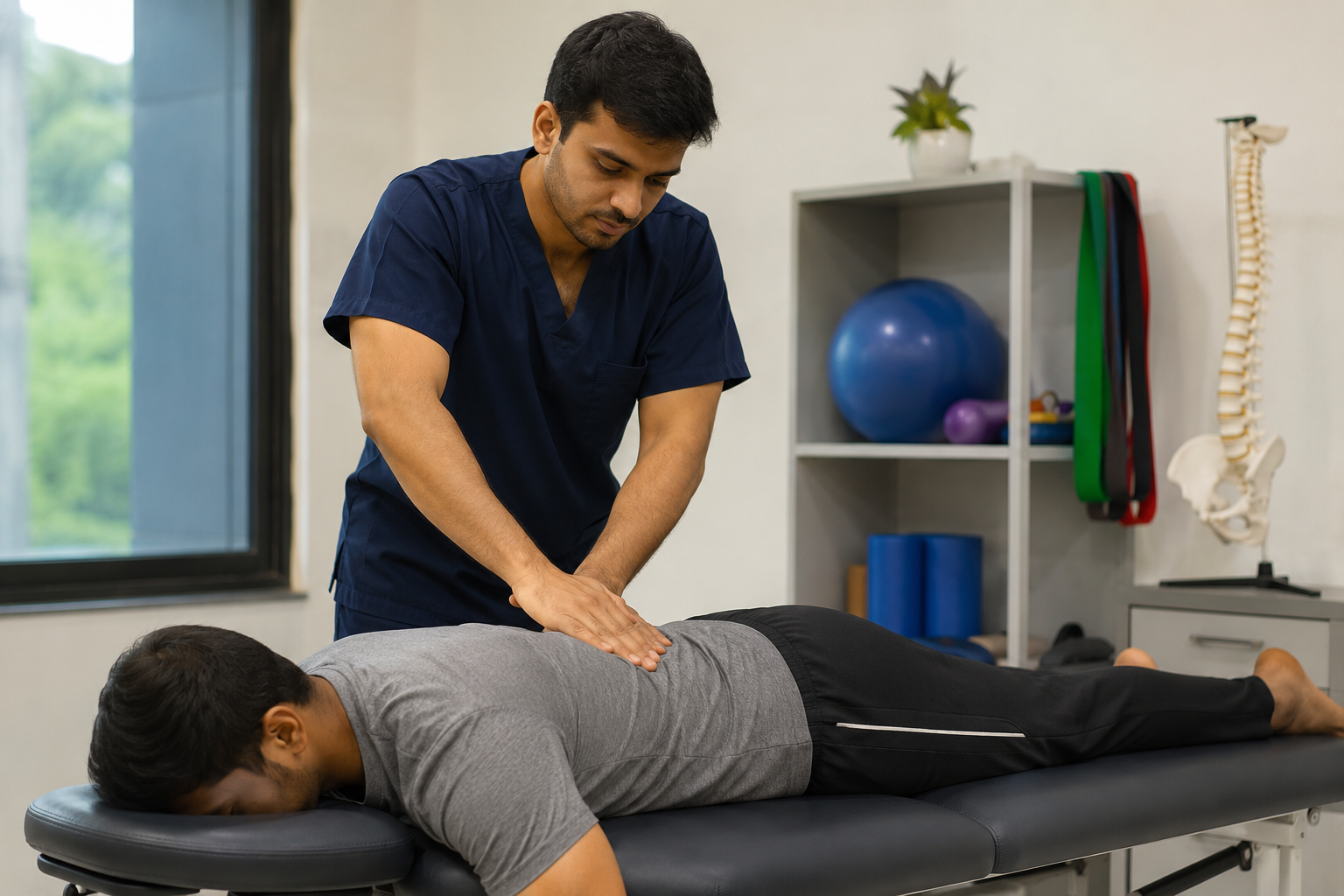
Degenerative Disc Treatment
Advanced, non-surgical disc treatment from Painflame Clinic. Our spine rehabilitation experts can help alleviate chronic back and neck pain, increase mobility, and help you return to your normal living naturally.
What is a degenerative disc?
Degenerative Disc is a chronic condition in which the discs of your spine -the rubbery shock absorbers that connect your vertebrae diminish over time.
Your spinal column is a marvel of biomechanical engineering. The discs are composed of a hard outer layer (annulus fibrosus) and a soft gelatinous middle (nucleus pulposus). If you’re healthy, they function as cushions, which allow your spine to bend, turn and absorb the everyday impact.
As we get older, the discs begin to dry out and lose elasticity, becoming thinner. This is when the space between vertebrae narrows, which puts an immediate strain on the muscles, nerves, and joints of the spine.
The Ripple Effect on Daily Life
A degenerative disc could turn everyday actions into major challenges. Even simple tasks such as working at your desk for over an hour, leaning back to tie your shoes or carrying groceries around can cause intense pain or dull pain. It inhibits the normal movement of your body, thus action is needed on time. Early expert intervention can avoid subsequent problems such as muscle wastage, spine deviation and persistent nerve inflammation.
Common Causes of Degenerative Disc
Although ageing is the main cause of spinal problems, many lifestyle factors, biomechanical stresses, and sudden traumas cause the degeneration of discs in the spinal column.
- Normal wear and Tear: With time, the discs in the spinal column lose fluid content (dehydration) and fluid balance and become less flexible and more vulnerable to loss of elasticity.
- Repetitive Strain Injuries (RSI): Over the years, repeated bending, twisting or lifting can generate micro-traumas that slowly destroy the structural strength of the disc.
- Spinal Trauma & Sports Injury: Unexpected automobile accidents, falls with force, or high-impact sports-related injuries can cause fissures or weakness to the outer disc wall leading to early degeneration.
- Poor posture and sedentary lifestyle: Spending long hours slouched over a phone or computer causes uneven mechanical pressure on cervical and lumbar discs.
- Gym & Weightlifting Injuries: Lifting heavy weights incorrectly, particularly in deadlifts and squats, can severely compress the sections of the spine.
- Obesity and Excess Body weight: Excess body weight creates continual heavy mechanical stress on the lower back area and disc and this can speed up the disc degeneration.
Symptoms of Degenerative Disc
The signs and symptoms of Degenerative disc vary depending on whether the affected disc is located in the neck (cervical spine) or the lower back (lumbar spine). Many people experience flare-ups where the pain intensifies temporarily before settling into a mild, dull ache.
- Localised Spinal discomfort: The discomfort is constant in the lower back or neck and is greater when sitting, bending or twisting.
- Radiating pain (Sciatica): Sharp shots, electric, or shocks like pain. They travel into the buttocks, thighs and legs and across the arms and into the hands.
- Spinal Stiffness: The loss of flexibility, especially during the early morning hours or following long periods of relaxation.
- Tingling or Numbness: The ‘pins and needles’ sensation in the limbs is caused by compressed or injured nerve roots.
- Muscle weakness: Muscle strength weakens, making it difficult to handle heavy items, open jar lids, or walk without falling.
- Movement = relief: Pain often improves with walking, shifting positions or lying down since these reduce static pressure on the discs.
When Should You Seek Treatment?
Get medical attention immediately in the event of:
- An abrupt loss of bladder or bowel control.
- Progressive weakness in the feet, legs and hands (e.g. foot drop).
- A feeling of numbness or tingling in the saddle (inner thighs, groin, and buttocks).
This is a sign of severe nerve compressions that warrant urgent examination.
Diagnosis of Degenerative Disc
An accurate diagnosis is vital for an effective treatment approach. At Painflame Clinic we go beyond imaging to treat every area of the patient linking the symptoms you have to your physical restrictions.
- Thorough Clinical Evaluation: We take into account your personal medical history, lifestyle choices, pain triggers, and your level of daily activity.
- Posture and Biomechanical analysis: Looking at your sitting and standing posture to determine if there are any movement imbalances that put stress on the spine.
- Mobility and Range of Motion Testing: Looking at how your lower back or neck moves to pinpoint exactly where your flexibility might be limited.
- Orthopaedic and Neurological Tests: Testing your reflexes, muscles, strength and pattern of sensation to determine if a nerve root is compressed or pinched.
- Digital X-rays: Very effective in determining disc space narrowing, checking the alignment of the spine, and identifying bone spurs.
- to MRI (Magnetic Resonance Imaging): It is used when clear views require detailed information. MRIs clearly demonstrate disc dehydration, bulging or herniation and also the extent of nerve compression.
Degenerative Disc Treatment at Painflame Clinic
The Painflame Clinic specialises in evidence-based, non-surgical, conservative treatments. Our mission is to slow the progression of degenerative discs, ease the pain that is chronic, and to rebuild the structures that support the spinal column.
1. Specialised Physiotherapy for Degenerative Disc
The first line of protection against Degenerative disc. The precise physical treatment approaches we apply aim at lowering the mechanical load on the spinal column. Training your body to properly distribute weight, making a perfect inner environment for your spine to recover and stay healthy.
2. Advanced Manual Therapy
Our expert specialists have precise, hands-on methods to regain limited joint motion.
- Spinal Mobilisation: Soft, controlled joint glides that reduce stiffness and allow fluid movement.
- Myofascial release: A targeted, gentle massage of the soft tissues that relieves muscles that are tight and protective within the lower back and the neck.
- Manual Traction: Soft stretching techniques which temporarily increase the intervertebral space and relieve pressure directly from nerves that are compressed.
3. Targeted Electrotherapy & Modalities
To manage pain and reduce localised inflammation, without completely relying on oral medicines, our team utilises the most advanced therapies available:
- TENS (Transcutaneous Electrical Nerve Stimulation): TENS scrambles or blocks pain signals travelling to the brain, and provides instant relief.
- Therapeutic Ultrasound: It delivers deep heat through ligaments and muscles in order to improve blood circulation and speed up tissue healing.
- Laser Therapy: High-end light therapy that decreases inflammation in the tissues and aids in cellular repair.
4. Structured Spine Rehabilitation Exercises
Inactivity and rest can increase the severity of Degenerative disc as they can weaken your main support system. Our exercise programs are customised to your needs with a focus on:
- Core Stabilisation: Stimulating the abdominal muscles in the deep and lower back muscles (like the transverse abdominis and multifidus) for an effective back brace.
- Fitness Training for Flexibility: Stretching tight hamstrings, the hip flexors, hips and chest muscles, alters spinal alignment and increases mechanical stress.
- Increasing strengthening: Re-add weight-bearing exercises to help prevent your back from re-injury.
5. Ergonomic & Posture Correction
Your treatment should not stop once you leave our office. We will review your routine and instruct you on how to safeguard your spine all day long. It includes adjusting the office desk layout and demonstrating safe lifting methods, and recommending the best sleeping postures to ensure that your spine is in the correct alignment throughout the night.
Frequently Asked Questions
What is the most effective treatment for a degenerative disc?
The best method is the non-surgical approach of targeted physiotherapy including core strengthening and manual therapy. This is a multi-layered approach which releases strain on the spine and can give long term relief from discomfort.
Do physiotherapy treatments help with the degenerative disc condition?
It is beneficial in reducing conditions and the progression. Even though it can't slow the process of ageing structural discs, it does strengthen supporting muscles and helps restore pain-free mobility.
How long will the recovery from a degenerative disc last?
A majority of patients notice substantial relief from pain and improvement in functioning within 4-8 weeks of regular therapy. In the long run, it is important to maintain strong muscles to stop any flare-ups of symptoms in the future.
Is a degenerative disc treated with surgical intervention?
In fact, most cases can be successfully handled without the need for a surgeon’s intervention. Restorative treatments help your body to adjust and lead a pain-free life.
What is the cause of degenerative disc discomfort without injury?
It usually occurs gradually when the disc decreases in volume of water and shrinks over time. The structural breakdown and loss of disc height, inflammation of the joint and pressure on the spinal nerves nearby.
Does a degenerative disc have a connection to arthritis?
Both conditions are connected. When a disc is depleted of its cushioning properties, the greater tension on surrounding spinal joints can lead to osteoarthritis and bone spurs.
Patient Feedback & Success Stories
Treatments
Our Services
Our doctors
Meet more Painflame specialists




Dr. Divakar Kumar
Sports Rehabilitation, Sports Injury Management, Musculoskeletal Rehabilitation, Performance Enhancement, Strength & Conditioning
Book Appointment
Dr. Jaya Sharma
Pilates Expert | Musculoskeletal Rehabilitation, Sports & Pelvic Floor Specialist
Book Appointment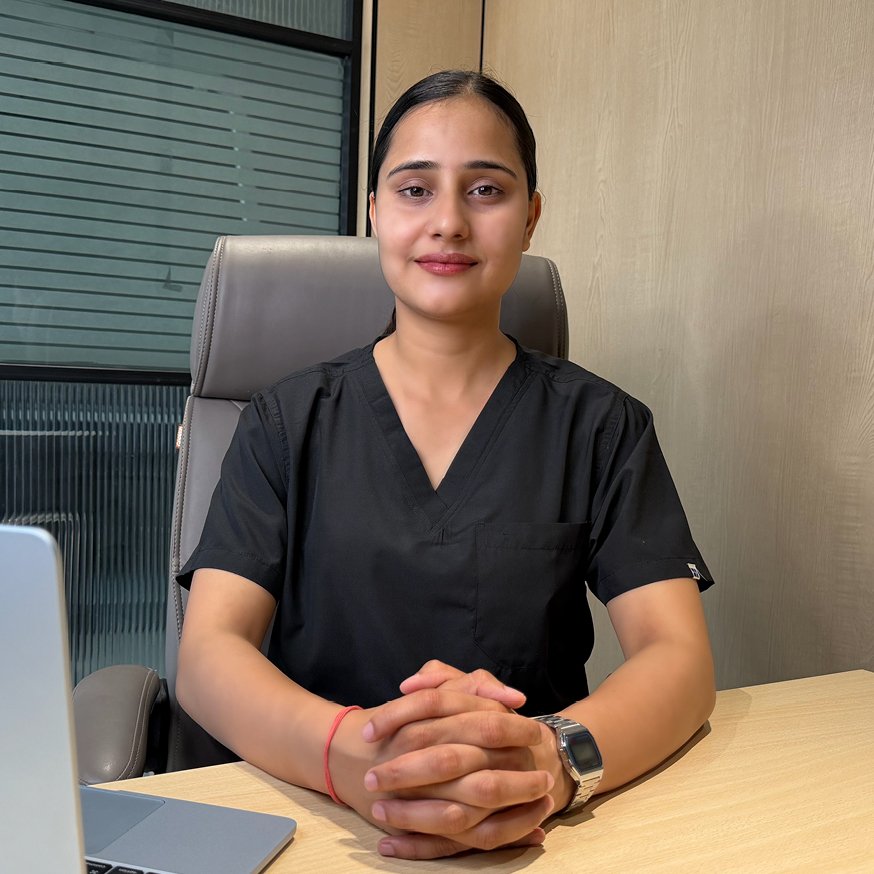
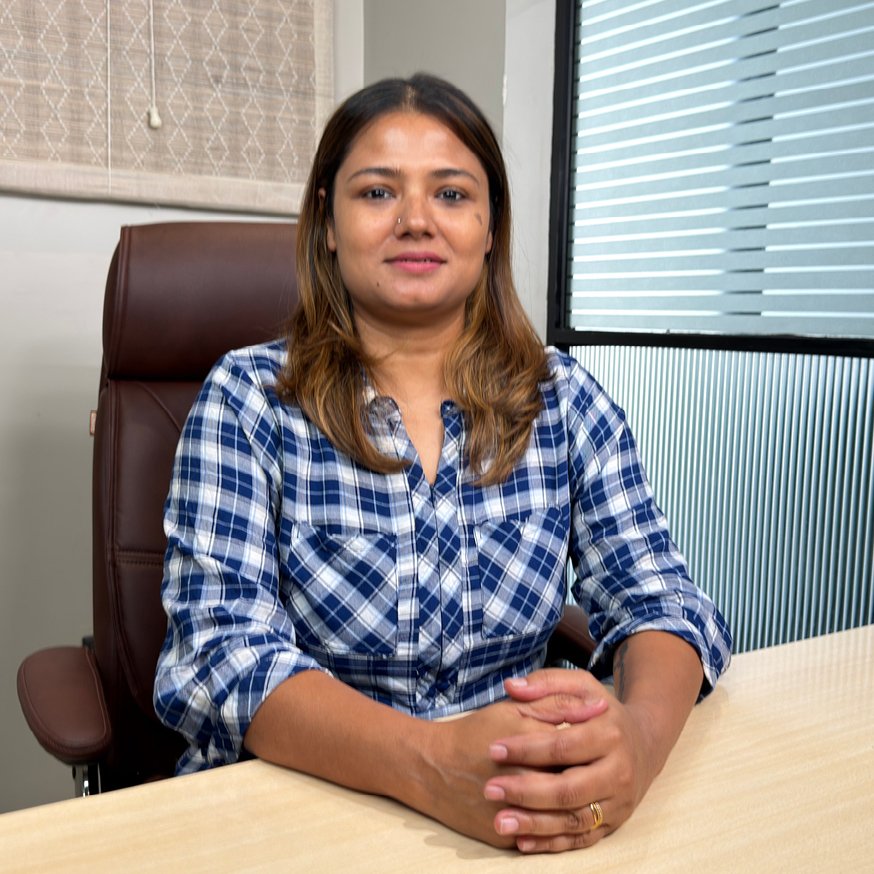
Dr. Priyanka Bhuyan
Tailbone (Coccyx) Treatment, Chiropractic Care, Spine & Joint Rehabilitation
Book Appointment
Dr. Saksham Kapoor
Sports Physiotherapy, Musculoskeletal Rehabilitation, Pain Management, Injury Prevention & Recovery
Book AppointmentLatest Blogs
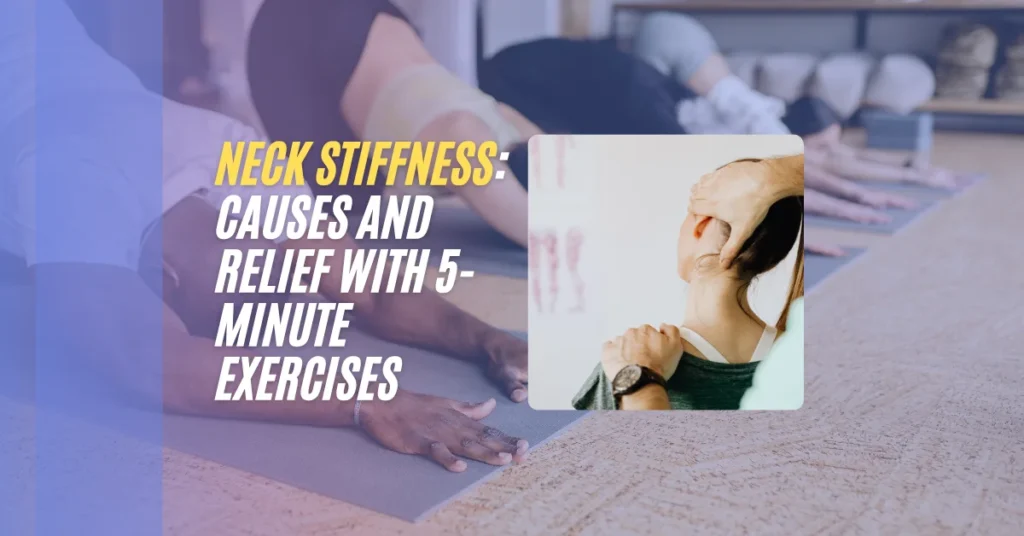
Neck Stiffness: कारण और 5 मिनट की एक्सरसाइज से राहत
गर्दन की अकड़न (Neck Stiffness): कारण और 5 मिनट की एक्सरसाइज से राहत क्या सुबह उठते…
Read More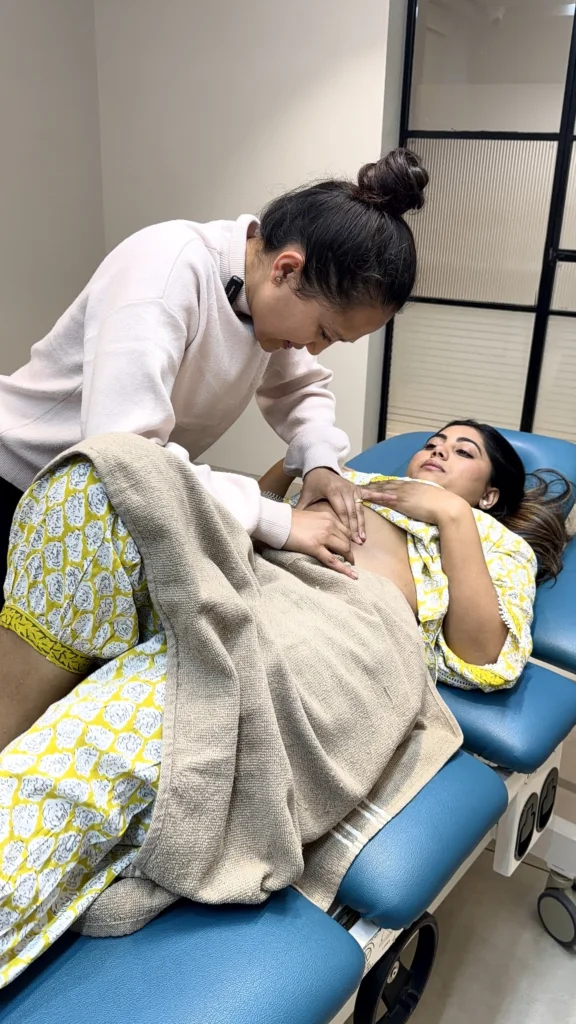
Navel Displacement: लक्षण, पहचान और उपचार
क्या आपको अक्सर पेट में अनजान दर्द रहता है? क्या खाने के बाद ब्लोटिंग, गैस या…
Read MoreCore Strengthening Exercise जो कमर दर्द को जड़ से खत्म करे
क्या लंबे समय बैठने के बाद कमर दर्द होने लगता है? क्या सुबह उठते ही पीठ…
Read More