

Heel Pain Treatment
Walk pain-free again — expert-led, non-surgical heel pain treatment by India's leading spine and pain specialists. Heel Pain Treatment in Gurgaon — Fast, Non-Surgical Relief for Plantar Fasciitis & Heel Spurs.
 6,200+ Reviews Trusted by thousands.
Recommended by experts.
Heel Pain Treatment: Finding the Right Fix to Where It Works
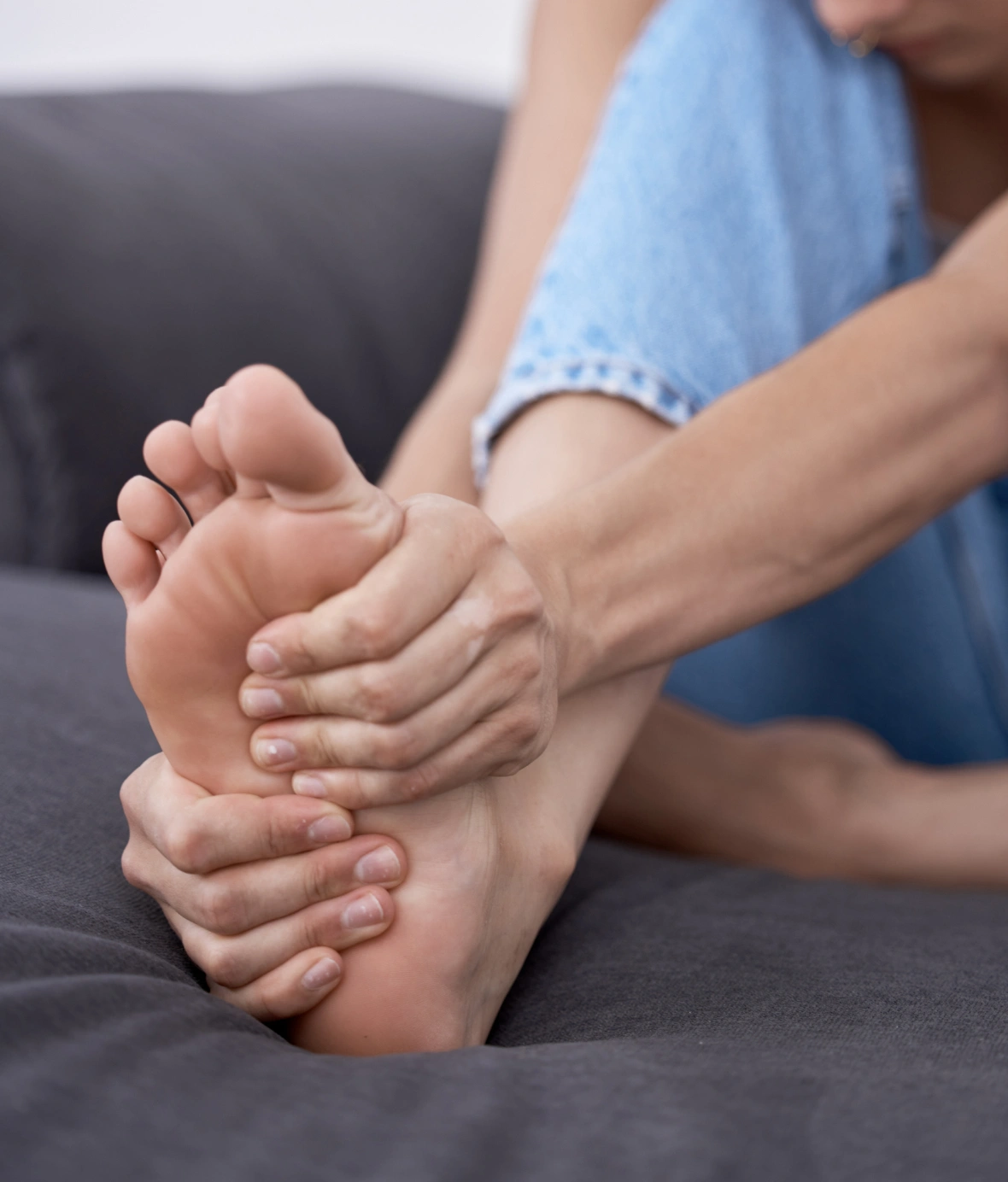
The full body weight is sent straight through the heel with every step. Even the slightest issues with the heel are noticed pretty quickly. Discomfort may be a sharp jab right when you get out of bed, or an ache at the back of your foot that flares up after you finish a run, to mention a few. Heel pain is not a single problem; rather, it is a symptom that is caused by varying issues. An effective heel pain treatment begins by figuring out the underlying issue.
Understanding Heel Pain
The exact spot where heel pain occurs gives the clearest clues about what is actually happening beneath the surface. If there is pain at the bottom of the heel, particularly in the inner side near the arch, it points to the plantar fascia, which is a thick band of tissue that supports the arch. Pain occurring at the back of the heel, at the point where the Achilles tendon attaches, points to issues with the tendon. This pain usually flares up during or after activity rather than occurring in the morning. When there is a deep, bruise-like ache that spreads across the middle of the heel, which is not usually concentrated in one spot, it suggests that the fat pad (natural cushioning underneath the heel bone) has taken more impact than it can absorb. A pain that is accompanied by a burning, tingling sensation or numbness may be due to nerve irritation near the ankle. Knowing the symptoms mentioned above can’t replace a thorough assessment. A detailed look into the reasons behind heel pain is very helpful in approaching the right treatment rather than relying on generic solutions.
Why It Happens
Though there are numerous structures involved, the majority of heel pain traces back to the same problem, i.e., repeated stress which built up faster than the tissue can recover from it. Whether it be walking, running, or other sports activities, they all place force through the heel with every step. The tissue underneath may not get enough time to adapt when one starts a new routine, changes footwear, or simply stands on the feet more than usual. Biomechanical factors contribute to this issue as well, such as flat feet and high arches, which affect the way weight is distributed through the heel. Tight calf muscles have been found to increase strain on the plantar fascia and Achilles tendon. In some cases, the symptoms are triggered abruptly due to a hard landing on the heel or a sudden increase in training intensity.
Common Symptoms
The timing of the pain matters as much as its location when it comes to getting to the cause behind discomfort. Pain that is sharpest after sitting for a while or the very first steps in the morning and eases with movement is a classic pattern for plantar fasciitis. If the pain builds gradually during the activity and lingers afterwards, it may be due to some tendon issue. A dull but consistent ache that remains there regardless of activity, which can be reproduced by firmly pressing the heel, points to fat pad. Other common symptoms include stiffness, tenderness, or mild swelling, though how and when they show up varies.
Who’s More Likely to Develop It
People who spend extended time walking or standing, especially those in professions like retail staff, teachers, and factory workers, are more prone to heel pain. The occurrence of this condition is mainly because of the load that accumulates on a daily basis. Athletes like runners and those in other sports who are involved in repetitive impact also face elevated risk; the risk increases further when their training volume increases quickly. Having extra body weight adds more force to the heel through every step. Age plays an important role too because the fat pad under the heel and Achilles tendon lose their resilience over decades. Using unsupportive footwear, switching to a different shoe type, or wearing worn-out shoes may lead to irritation gradually.
When You Shouldn’t Wait It Out
Heel pain can be frustrating in many cases, but it is not equally dangerous. However, there are some signs that require quick medical assessment instead of using home care as the only solution:
– Pain that continues even during rest and often wakes you up in the night
– Noticeable redness, swelling, or warmth that looks like an infection, not irritation
– Sudden pain after an injury
– A pain that worsens despite some weeks of basic care and rest
– Numbness, burning sensation, or tingling that spreads beyond the heel
How the Diagnosis Is Made
Diagnosis starts with a thorough look into where the pain sits, which activity reproduces the pain, what time of the day brings it on, and what type of sensation is produced during pain. After obtaining clear answers to these questions, physical exams are performed that involve pressing along different parts of the heel to check for tenderness and pinpoint it. These exams also check the flexibility of the calf and the ankle. This combination is enough to properly identify the cause behind heel pain in the majority of cases. X-rays and other imaging techniques are used only when the symptoms point towards a stress fracture. If the symptoms don’t fit the usual pattern or don’t respond properly to the treatment, advanced imaging is used for diagnosis.
Why the Physiotherapy Approach Works
A generic routine can hardly cure heel pain because the pain may come from different structures. Only those treatments are effective that match what has been identified as the reason behind the issue. Physiotherapy offers a range of treatment options that are capable of treating specific structures that cause heel pain.
Restoring the ability of tissue to handle weight is the priority when the pain is caused by plantar fascia. The heel pain treatment plan in physiotherapy combines targeted stretching and progressive strengthening. The focus shifts towards a controlled and gradual increase in the loading of the tendon for Achilles tendon-related pain. It works because tendons need mechanical stress to remodel properly. The treatment inclines more towards reducing the direct impact and pressure as the tissue recovers, in case the fat pad is the cause of pain.
Across all these, whether it’s tight calves, foot alignment, or something else, working on proper load distribution during physical activities is the key to an effective recovery, rather than relying on rest alone.
Heel Pain Treatment at Painflame
Painflame Clinic starts the treatment by pinpointing the structure that is causing the pain. As pain arising from different structures has very distinct qualities, our diagnosis goes into the details of your symptoms and their patterns. Once we form a medical picture, we build a programme around the specific tissue involved, which combines multiple options like targeted stretching, manual therapy, progressive loading, and others. Practical guidance is also offered for those who need to spend long hours standing or walking on a daily basis. In case the issue lingers regardless of initial care, shockwave therapy is used along with exercise-based programmes to promote tissue recovery.
What Recovery Usually Looks Like
Around four to six weeks of physiotherapy leads to meaningful improvement in many cases, especially when the treatment focuses on a specific structure rather than trying to ease heel pain generically. When the treatment starts after several months, it may take longer time until meaningful improvement is seen. Tendons usually take more time to adapt to load as compared to other soft tissues, which means tendon-related heel pain takes longer to improve. During the initial stages, the sharp or acute pain eases, then the person gains the ability to stand or walk for longer periods with comfort. After that, the tissue becomes able to handle the full load of activities without causing any discomfort.
Preventing It from Coming Back
Heel pain, in general, results when the structures associated with the heel are loaded more than they can adapt; prevention depends on maintaining this balance. Build back up gradually when you are returning to intense physical activities. Even well-conditioned tissues need time to adapt, so don’t increase the volume or intensity of activities suddenly to prevent damage. Make sure that the tissue and tendons get enough time to adapt as the demand from them increases.
Continue with the calf and foot stretches after the formal treatment is complete. It prevents tightness in these structures that oftentimes contribute to this issue. Wearing well-suited footwear makes a real difference, especially for those who spend more time on their feet.
Frequently Asked Questions
If I experience heel pain with tingling or numbness, is it something different from a typical strain?
Yes. Tingling, burning, or numbness points towards involvement of a nerve rather than other common issues like fat pad, tendon, or fascia. This symptom needs a different diagnostic approach and treatment as compared to mechanical heel pain.
How long will it take until I see improvements during a heel pain treatment?
Most people see meaningful improvement within four to six weeks of proper physiotherapy. This duration can be longer if the issue has been present for months.
My heel hurts more during activities rather than first thing in the morning; what may be the reason behind it?
In tendon-related pain, this pattern is common. It happens because tendons become symptomatic when they are loaded.
Patient Feedback & Success Stories
Treatments
Our Services
Our doctors
Meet more Painflame specialists




Dr. Divakar Kumar
Sports Rehabilitation, Sports Injury Management, Musculoskeletal Rehabilitation, Performance Enhancement, Strength & Conditioning
Book Appointment
Dr. Jaya Sharma
Pilates Expert | Musculoskeletal Rehabilitation, Sports & Pelvic Floor Specialist
Book Appointment
Dr. Priyanka Bhuyan
Tailbone (Coccyx) Treatment, Chiropractic Care, Spine & Joint Rehabilitation
Book Appointment
Dr. Saksham Kapoor
Sports Physiotherapy, Musculoskeletal Rehabilitation, Pain Management, Injury Prevention & Recovery
Book AppointmentLatest Blogs
Chronic Pain? What Physiotherapy in Gurgaon Can Actually Do
If you’re in Gurgaon and dealing with neck stiffness, lower back pain, or recovering from a…
Read More
Why Ignoring a ‘Minor’ Sports Injury Today Leads to Chronic Joint Issues Tomorrow
Pain-free doesn’t mean healed. Structural weakness, joint instability, and micro-tears in connective tissue often persist well…
Read More
Tired of Back Pain? Here’s What Your Spine Is Actually Trying to Tell You
Most lower back pain comes down to daily habits — long hours hunched at a desk,…
Read More