

Supraspinatus Tendinitis Treatment
Relieve Shoulder Pain & Restore Arm Strength with expert Supraspinatus Tendinitis treatment focused on reducing inflammation, improving mobility, and preventing recurring injury.
 6,200+ Reviews Trusted by thousands.
Recommended by experts.
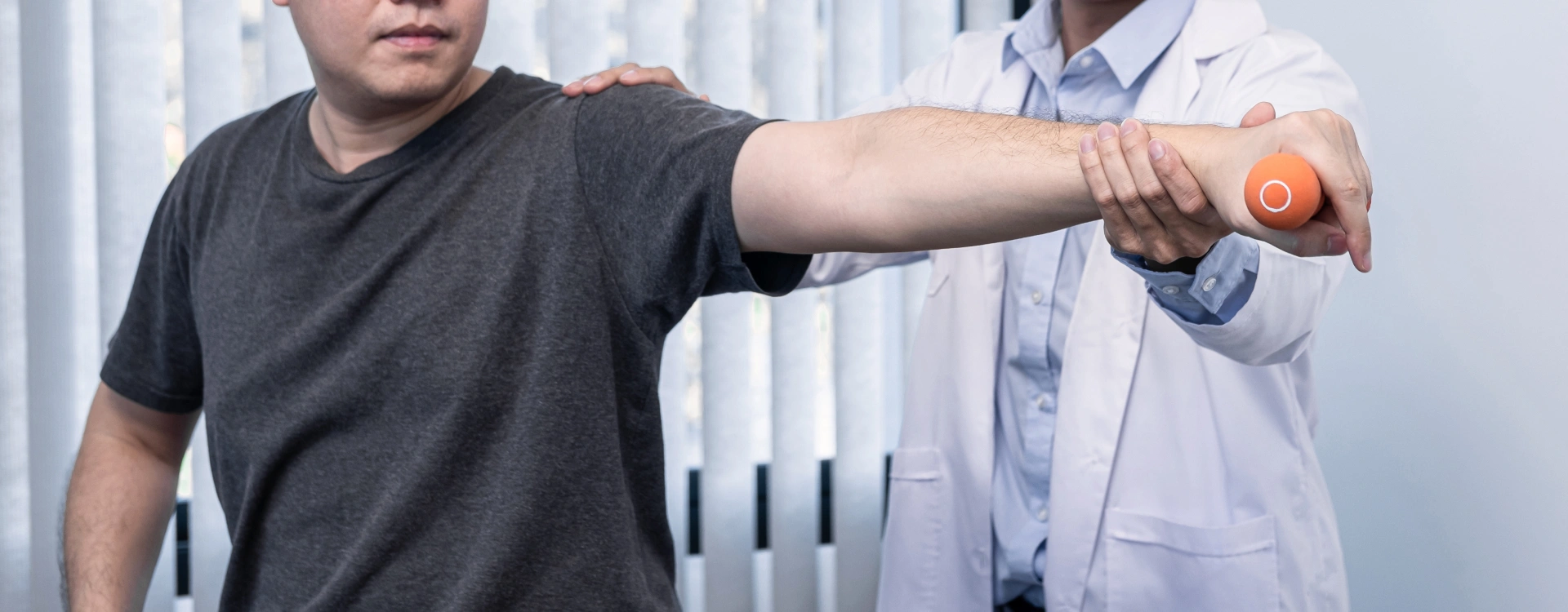
Supraspinatus Tendinitis Treatment: Understanding the Tendon Behind That Painful Shoulder
A sharp pain along the outer side of your shoulder may seem minor at first, but if it persists, it can interfere with simple tasks like reaching overhead. In that case, ignoring it is not the right option. The shoulder is a complex and highly essential joint, and even a seemingly minor problem can gradually affect the way you work, sleep, exercise, and perform regular tasks. When the discomfort becomes noticeable in daily actions, Supraspinatus tendinitis can be the underlying reason. Identifying the condition requires a thorough assessment.
It develops slowly. The extended exposure to load in this condition contributes to the pain and also leads to a decline in shoulder strength. An effective supraspinatus tendinitis treatment is essential because the issue does not end when the pain disappears, and the affected tendon must regain its prior abilities to ensure proper functioning.
What Is Supraspinatus Tendinitis?
The supraspinatus is one of the four muscles that make up the rotator cuff. Its tendon passes from the muscle situated right above the shoulder blade to the upper part of the arm bone. The main role lies in starting and controlling arm elevation while being able to contribute to the overall stability of the shoulder joint.
Supraspinatus Tendinitis is a term for the pain that arises from the supraspinatus tendon when it is unable to tolerate the loads that are placed on it naturally. The word tendinitis suggests inflammation, but the persistent tendon problems are precisely described as tendinopathy. The changes in the tendon may also involve alterations in collagen structure, reduced load tolerance, and tissue degeneration, not just inflammation.
So, how will you distinguish it from normal shoulder soreness after an unfamiliar workout or a long day? Ordinary or post-activity soreness settles with the recovery of the tissues, but this one is movement-specific and persistent. As a result, it will be experienced while lifting the arm, reaching overhead, or during other movements that load the rotator cuff.
Why Does It Happen?
Looking closely into the tendon rather than just blaming overuse is the right way to clearly understand this condition. There is a highly organised network of collagen fibres in a healthy tendon, which enables efficient transmission of force from muscle to bone. If the tendon is exposed to a force that is beyond its limit, it will be unable to recover properly. This is what leads to a change in the mechanical properties.
With the collagen becoming less organised, the tendon may get thicker in places, and its ability to tolerate normal load declines as a result. Hence, the movements that caused no difficulties earlier might become painful. Another important factor is age because tendons undergo changes over decades, which include alterations in their blood supply and collagen quality. Ageing may not necessarily cause pain, but it always reduces the ability of these tissues to adapt quickly to varying physical demands.
A quite unpopular but important factor is the relationship between the supraspinatus tendon and the structures around it. If there are changes in the shoulder mechanics, they also impact the way forces are distributed through the tendon during the movement. Even in these situations, compression against adjacent bones may contribute, but current understanding leans more towards the tensile and compressive load tolerance of the tendon as the major cause behind this issue.
Common Symptoms
The way the tendon has been irritated or damaged determines the symptoms. Usually, the pain around the outer or front side of the shoulder is the most common, which is experienced while lifting the arm. Some people also experience a painful catch in the middle portion of elevation, while others report a persistent ache after certain activities.
In addition to the ones mentioned above, you may also notice:
- Pain when lying on the affected side
- Catching or clicking during shoulder movement
- Pain extending towards the upper arm
- Shoulder discomfort that becomes worse at night
- Weakness in the shoulder while carrying or lifting objects
- Pain while trying to reach overhead or behind the back
- Persistent difficulty while lifting the arm above shoulder height
Who Is More Likely to Develop It
The risk of getting this condition increases with repeated exposure to overhead or high-load activities when there is not enough time for adaptation. Those involved in repetitive overhead sports like weightlifters, tennis and badminton players, throwing athletes, and swimmers place significant demands on the supraspinatus tendon.
Professionals like painters, electricians, construction workers, carpenters, and manual workers, face similar exposure as they spend long periods working in a position where their arms are above shoulder level.
Surprisingly, office workers are not immune to this condition either. Spending extended periods in static sitting with poor workstation ergonomics and rounded shoulders also leads to altered shoulder mechanics and eventually to muscle imbalance.
The risk increases significantly in those who return to some demanding exercise after a period of inactivity.
When Should You Seek Help?
If there is mild soreness in the shoulder, it mostly settles once the activity is modified appropriately. One must be alarmed if there is persistent worsening of symptoms that always demand professional assessment. Such symptoms include:
- Continuing pain even when aggravating activities have been reduced
- Noticeable weakness while lifting the arm
- Increasingly restricted shoulder movement
- Pain that disturbs sleep regularly
- Symptoms start right after an injury
- The shoulder is becoming significantly swollen or red
The Diagnosis of Supraspinatus Tendinitis
Its diagnosis starts with the history, as doctors want to gather crucial information like when the pain began, whether it resulted from an injury, the particular movements that reproduce the pain, the presence of weakness, and the way these symptoms affect work, daily activities, and sport.
Physical examination then assesses active and passive shoulder movement, painful movements, rotator-cuff strength, tenderness, and the overall mechanics of the shoulder blade. The neck is also assessed in some cases because cervical problems may lead to pain in the shoulder.
There is no single physical test that can prove the supraspinatus tendon as the main source of pain. Right now, the clinical guidance uses multiple approaches to look into the pattern of symptoms, load-related pain, functional assessment, and movement testing to get a clear picture. Imaging is not required in the majority of cases, but it is used when symptoms persist or a significant tear is suspected.
How Physiotherapy Helps
Physiotherapy works because it is about restoring the shoulder’s ability to tolerate load. Some people think that resting can heal, but it just relieves the symptoms temporarily. A properly designed rehabilitation programme, on the other hand, utilizes controlled resistance so that it can slowly increase the demand placed on the rotator cuff by making the shoulder more capable over time.
Early treatment focuses on controlling aggravating loads and maintaining comfortable movement. With the improvement in tolerance, the exercises become more demanding for effectively strengthening the muscles and the rotator cuff. The overall coordination between the shoulder blade and upper arm is restored carefully with this gradual loading. These techniques teach the muscles how to tolerate daily activities that cause difficulties rather than avoiding using the tendons indefinitely.
Supraspinatus Tendinitis Treatment at Painflame
Painflame Clinic forms an accurate picture of the condition and underlying causes through detailed assessment. Once the assessment is complete, multiple treatment options are available at our disposal, which include chiropractic adjustments, manual therapy and soft tissue release, postural correction and ergonomic training, physiotherapy and strengthening exercises, pain-management techniques, and many more.
Each of these approaches is here to serve a different purpose. One can strengthen the shoulder capacity while the other works on stiffness and soft-tissue restrictions and places where joint movement restrictions occur. Our specific training sessions address the movements and habits that contribute to this issue on a daily basis.
The dedicated posture correction therapy includes everything from manual therapy, physiotherapy exercises, postural awareness techniques, and ergonomic training. If the symptoms are more persistent, shockwave therapy is also available to ensure improvement in the condition.
What Recovery Usually Looks Like
Recovery depends on four major factors, i.e.,
- For how long have the symptoms been present
- Severity of the issue
- Activity levels of the patient
- Consistency with which rehabilitation is followed.
Effective treatments start to show results within four to eight weeks for most patients, and longer treatments are required only in more severe cases. The final goal, i.e., a strong and healthy shoulder, is achieved through multiple stages where pain reduces first, then range of motion is improved, after which tolerance increases.
Keeping the Issue From Returning
Preventing the issue from recurring requires one to avoid a sudden mismatch between the capacity of the tendon and the demands placed on it. Whether one is returning to swimming, weight training, overhead work, or racket sports, it is a must to increase the workload in a gradual manner. Never skip a prompt warm-up before engaging in any activity that is physically demanding. Regular movement breaks are ignored by many, but they play an important role in preventing supraspinatus tendinitis in those who spend long hours sitting.
Last but not least, don’t ignore the warning signs. If there is persistent pain with increased levels of activity, you must reduce the load rather than pushing through the worsening symptoms.
Frequently Asked Questions
Can supraspinatus tendinitis heal on its own?
There is a low chance that it will heal on its own. Taking rest and keeping the shoulder immobile only reduces the pain for some time. The only solution to this issue is an exercise-based rehabilitation where a professional opts for a set of therapies based on your particular condition.
Is it good to continue with the exercises if I have supraspinatus tendinitis?
There is no need to stop every type of exercise completely. The right way is to modify your physical activities so that you can gradually rebuild your strength. Physiotherapists know the best way to determine the type of movements that one should continue.
How long will it take to fully recover?
The recovery period is not fixed for all because it depends on the severity of the problem, the workload of the patient, and how the patient is following the prescribed programme.
What are the best treatments for supraspinatus tendinitis?
Chiropractic adjustments, physiotherapy, manual therapy, and posture correction help reduce pain, restore mobility, and prevent future injuries.
How long does it take to recover from supraspinatus tendinitis?
Recovery time varies based on severity, but with proper treatment, most patients see improvement within 4–8 weeks. Severe cases may take longer with rehabilitation.
Patient Feedback & Success Stories
Treatments
Our Services
Our doctors
Meet more Painflame specialists




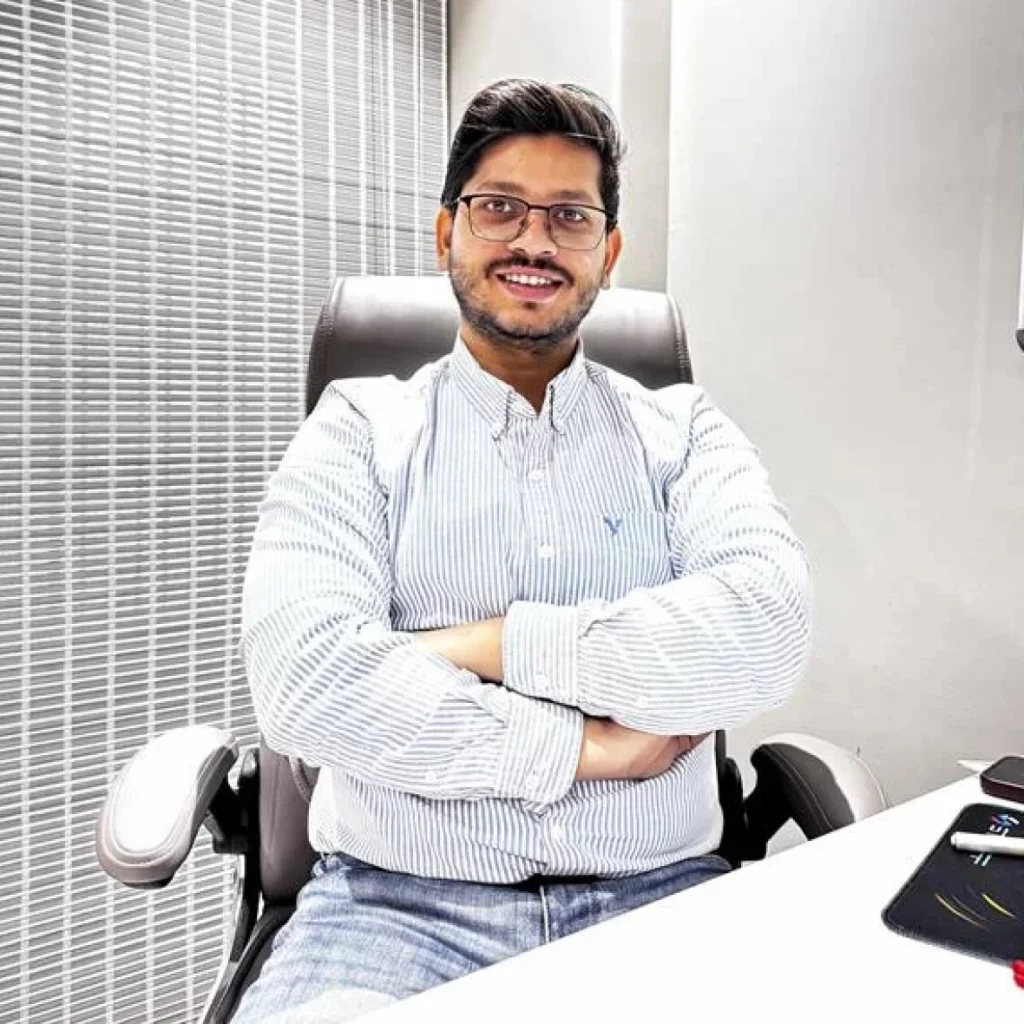

Dr. Divakar Kumar
Sports Rehabilitation, Sports Injury Management, Musculoskeletal Rehabilitation, Performance Enhancement, Strength & Conditioning
Book Appointment
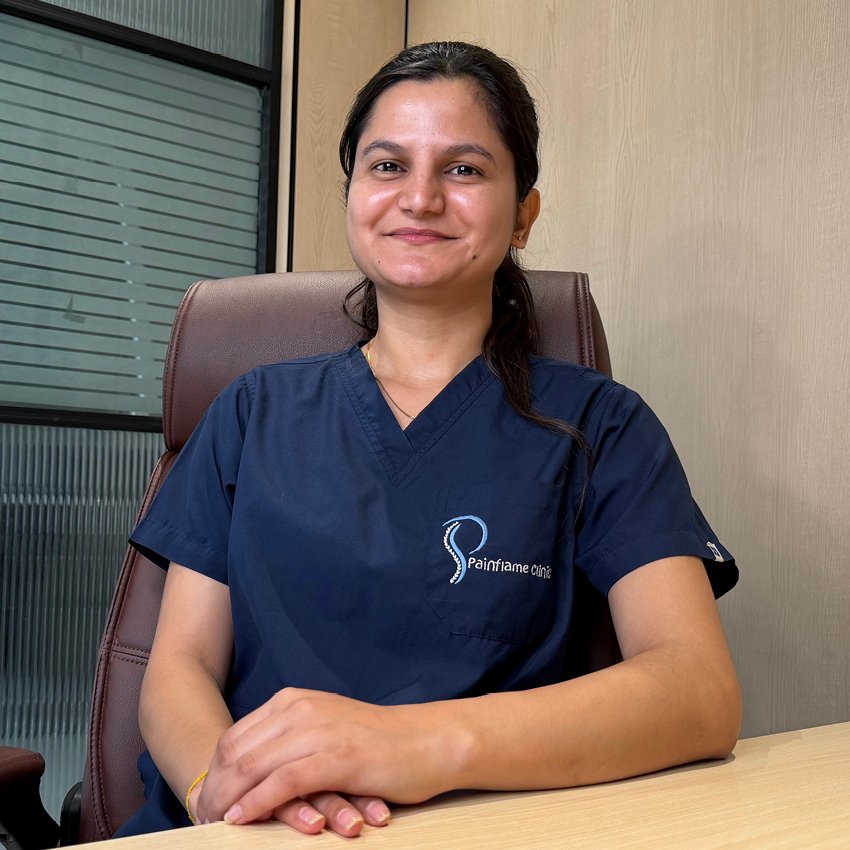
Dr. Jaya Sharma
Pilates Expert | Musculoskeletal Rehabilitation, Sports & Pelvic Floor Specialist
Book Appointment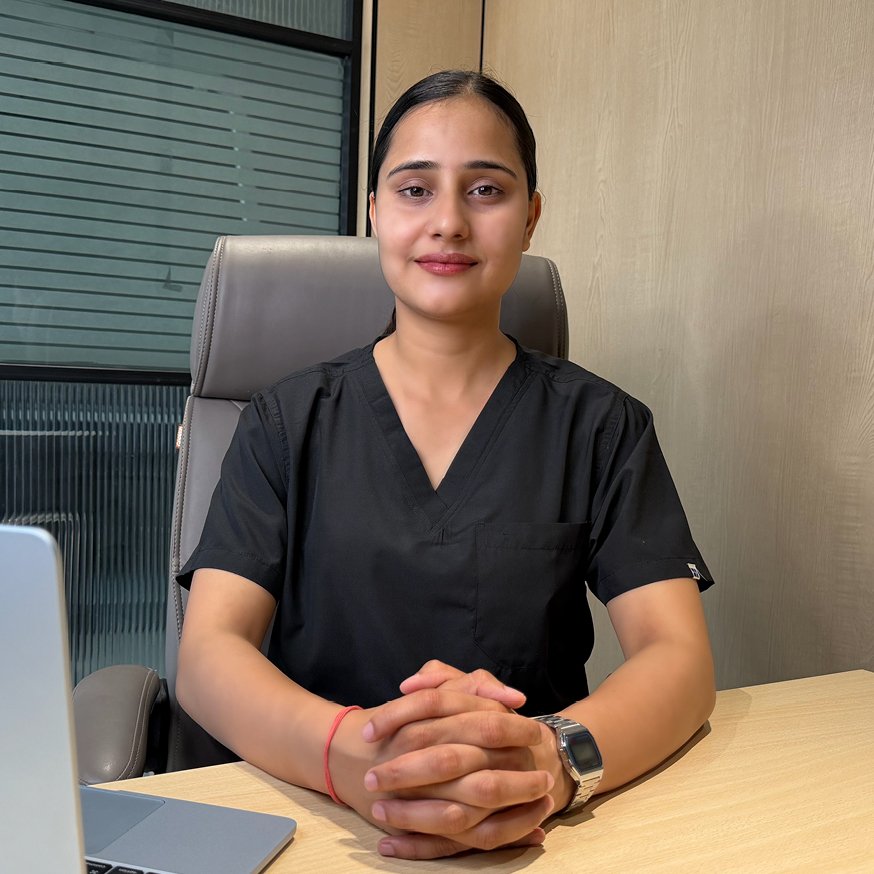
Dr. Priyanka Bhuyan
Tailbone (Coccyx) Treatment, Chiropractic Care, Spine & Joint Rehabilitation
Book Appointment
Dr. Saksham Kapoor
Sports Physiotherapy, Musculoskeletal Rehabilitation, Pain Management, Injury Prevention & Recovery
Book AppointmentLatest Blogs
Chronic Pain? What Physiotherapy in Gurgaon Can Actually Do
If you’re in Gurgaon and dealing with neck stiffness, lower back pain, or recovering from a…
Read More
Why Ignoring a ‘Minor’ Sports Injury Today Leads to Chronic Joint Issues Tomorrow
Pain-free doesn’t mean healed. Structural weakness, joint instability, and micro-tears in connective tissue often persist well…
Read More
Tired of Back Pain? Here’s What Your Spine Is Actually Trying to Tell You
Most lower back pain comes down to daily habits — long hours hunched at a desk,…
Read More