

Migraine Treatment
Find Lasting Relief from Migraines with expert treatment focused on pain management, trigger reduction, posture correction, and improving daily quality of life.
 6,200+ Reviews Trusted by thousands.
Recommended by experts.

Migraine Treatment: Understanding a Condition That’s More Than “Just Headache”
In some cases, the attack begins with subtle warning signs like unusual fatigue or food cravings, or it is also accompanied by strange visual disturbances. Then migraine pain is experienced as a throbbing and often one-sided pain along with nausea and extreme sensitivity to sound and light. This is a distinct neurological condition, something very different from a severe version of tension headache. The condition is best managed by a neurologist, and it may be effectively supported by physiotherapy that addresses the muscular and postural factors which might trigger the attack. Properly understanding the way migraine works is an effective first step towards migraine treatment.
What Is Migraine?
It is a neurological disorder that involves episodes of intense and throbbing head pain that often occurs on one side. Symptoms like vomiting, nausea, and hypersensitivity to sound and light can accompany the pain. This is different from cervicogenic and tension-type headaches because they are caused by other underlying mechanisms. This one happens because of some changes in brain activity during the attack. Being aware of this distinction is important because it shapes overall treatment and helps one keep expectations realistic.
Understanding the Phases of a Migraine Attack
Most people understand a throbbing headache as migraine, but in reality, it is a part of a longer process. Let us dive a bit deeper into the full pattern rather than considering it as just a severe headache.
The Prodrome phase: It’s a warning phase. This may occur anywhere from several hours to up to two days before the headache. It brings subtle symptoms like mood changes, fatigue, food cravings, unusual yawning, and neck stiffness. People may not usually connect these symptoms to what is about to come.
Aura: Some people suffering from migraine experience this one. It typically lasts less than an hour and involves temporary visual disturbances like blind spots and shimmering lights. Some less common symptoms include numbness, difficulties while speaking, and tingling.
Headache: This one is the most disabling part of the attack, when the throbbing headache occurs.
Postdrome: Many people experience it, and this one is often called migraine hangover. It involves difficulty in concentrating, lingering fatigue, and a continued sensitivity that may last a full day even after the pain has resolved.
Why It Happens
As of now, migraine is described as a neurological disorder that involves abnormal activity and sensitivity in the pain processing networks of the nervous system rather than just a blood vessel problem (an old and now outdated theory). Cortical spreading depression, a phenomenon in which a wave of altered electrical activity moves across the brain, is associated with migraine aura and the headache phase in many cases. Migraine tends to run in families, hence pointing to a genetic component. It has also been found that certain brains are more vulnerable to this type of excitability shift, especially when they are exposed to particular triggers, which include disrupted sleep, dehydration, stress, sensory overload, and hormonal fluctuations. But the triggers may also vary from person to person, and properly identifying the specific pattern of an individual is crucial.
Common Symptoms
The most commonly reported symptom is the throbbing headache that often occurs on one side of the head, and it may worsen with physical activities, a pattern that might be missing in tension-type headaches. Vomiting and nausea sometimes accompany the pain, with an increased sensitivity to light and sound, which makes a quiet room a genuine necessity, not just a preference. Visual disturbances are common in those who experience aura. Postural and muscular care can provide required support because neck stiffness and tension are pretty common either before or during the attack.
Who Is At Risk
Migraine is more common in women as compared to men, which is thought to be related to hormonal fluctuations, especially around menstruation, a well-recognised trigger in many cases. A family history of migraine can raise the risk for individuals. This condition often starts in adolescence or early adulthood, but it can start at any age. People who experience sleep disorders or neurological conditions and obesity may face elevated risk. But none of these factors alone can be used to reliably predict the development of migraines in an individual.
When To Seek Immediate Help
Migraine itself is not dangerous. However, there are some symptoms that may resemble migraine but indicate something more serious. It is very important to know the difference. You should seek immediate medical evaluation in case you face symptoms like:
- A sudden and severe headache that intensifies within minutes and feels like nothing you have experienced before.
- Weakness, numbness, confusion, or difficulty in speaking that don’t resolve like a typical aura
- A completely new headache pattern, especially when you are past 50
- Headache accompanied by stiff neck, fever, or rash
Diagnosis
Migraine is clinically diagnosed on the basis of a detailed history of the attack and accompanying symptoms. Upon examining symptoms, the doctors may ask questions associated with frequency, character of headaches, duration, nausea, sensitivity to light or sound, and aura experienced. When the clinical picture does not fit the typical migraine criteria, imaging may be used.
How Physiotherapy Helps
The role of physiotherapy in migraine treatment centres around muscular and postural factors that often overlap with migraine. Many people with migraine also carry significant tension in upper shoulders and neck. These symptoms can be present as a symptom of an attack in progress. Targeted treatment can reduce this tension.
In addition, physiotherapy plays a genuine educational role as it helps people recognise their prodrome symptoms and other trigger patterns early. This way, they can apply effective self-management. Moderate and appropriately dosed aerobic exercises are a part of this treatment that may reduce the frequency of migraine over time in many people, likely through their effect on sleep, stress, and the general nervous system.
Migraine Support at Painflame
At Painflame Clinic, our support for migraine focuses on the areas that physiotherapy can help with while working alongside neurological care. Targeted exercises and manual therapy address upper shoulder tension and neck-related tensions that often accompany migraine. In case desk-based jobs are contributing to this tension, we provide postural guidance. We also emphasize structured education to help people recognise their personal trigger patterns along with prodrome symptoms.
For individuals who are already under a neurologist’s care, we provide a treatment that complements their medical management and helps address postural or muscular contributors to the attacks.
What to Expect
This is a chronic condition for many people, which is why setting honest expectations matters. Physiotherapy-based migraine care doesn’t aim to cure the condition but offers consistent care in areas like neck tension or other identifiable lifestyle triggers.
One should measure progress in terms of fewer attacks per month or attacks that are less severe and shorter. Results from the treatment build gradually over weeks or months, not quickly.
Can Migraine Be Prevented?
Currently, there is no proven way that can guarantee prevention. There are some ways to meaningfully reduce the attack frequency for many people, which include:
- Proper hydration
- Regular meals
- Stress management
- Consistent sleep
But these measures can’t eliminate the underlying predisposition. Preventive medications prescribed by neurologists may work effectively as a long-term plan, and physiotherapy forms one part of the care by providing support rather than some stand-alone solution.
Frequently Asked Questions
What is the impact of exercise on migraine?
It depends on your particular case and the type of exercise you are considering. In some people, a sudden and intense exertion can trigger attacks. But it has been found that moderate and regular exercise may reduce migraine frequency.
Are there some warning signs before a migraine?
Yes. Many people experience prodrome before the headache. Prodrome phase may occur anywhere between a few hours and a couple of days before the headache. Other symptoms may include fatigue, neck stiffness, mood changes, or even food cravings. These are not all, and you should try to learn your specific pattern, which can be more effective in managing the oncoming attack.
Can physiotherapy be used to cure my migraine?
No, and it is crucial to be honest about that. It can play a role in managing neck tension, musculoskeletal factors, and posture that may contribute to the frequency and severity of migraine. But physiotherapy doesn’t address the underlying condition.
Patient Feedback & Success Stories
Treatments
Our Services
Our doctors
Meet more Painflame specialists






Dr. Divakar Kumar
Sports Rehabilitation, Sports Injury Management, Musculoskeletal Rehabilitation, Performance Enhancement, Strength & Conditioning
Book Appointment

Dr. Jaya Sharma
Pilates Expert | Musculoskeletal Rehabilitation, Sports & Pelvic Floor Specialist
Book Appointment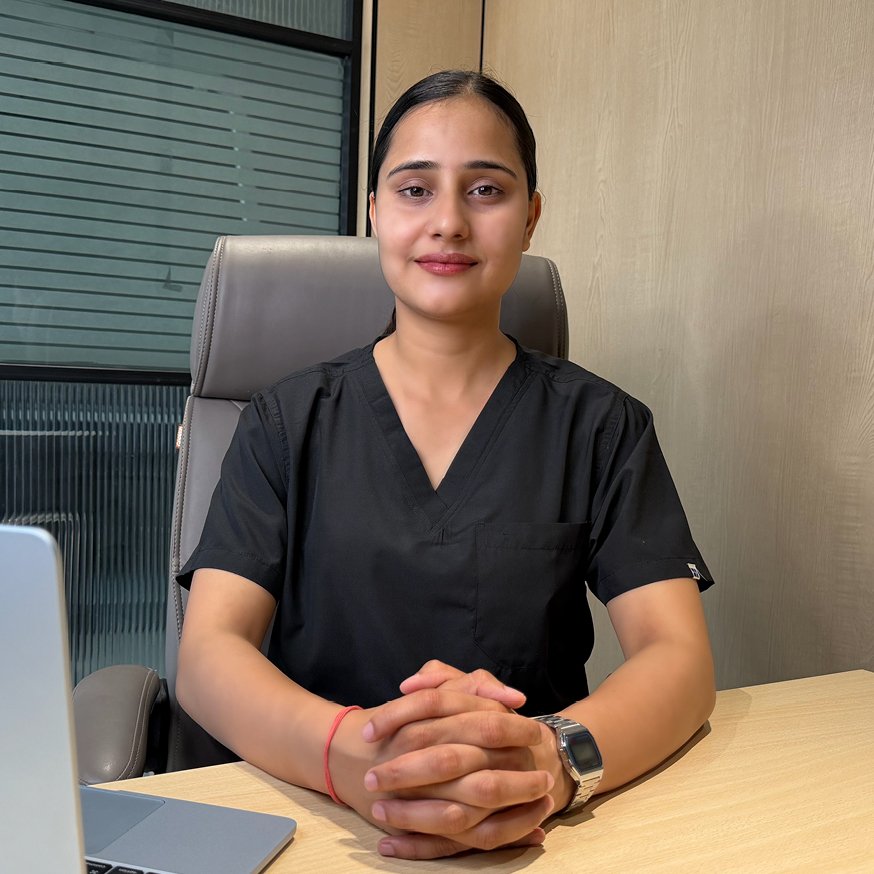

Dr. Priyanka Bhuyan
Tailbone (Coccyx) Treatment, Chiropractic Care, Spine & Joint Rehabilitation
Book Appointment
Dr. Saksham Kapoor
Sports Physiotherapy, Musculoskeletal Rehabilitation, Pain Management, Injury Prevention & Recovery
Book AppointmentLatest Blogs
Neck Stiffness: कारण और 5 मिनट की एक्सरसाइज से राहत
गर्दन की अकड़न (Neck Stiffness): कारण और 5 मिनट की एक्सरसाइज से राहत क्या सुबह उठते…
Read More
Navel Displacement: लक्षण, पहचान और उपचार
क्या आपको अक्सर पेट में अनजान दर्द रहता है? क्या खाने के बाद ब्लोटिंग, गैस या…
Read MoreCore Strengthening Exercise जो कमर दर्द को जड़ से खत्म करे
क्या लंबे समय बैठने के बाद कमर दर्द होने लगता है? क्या सुबह उठते ही पीठ…
Read More