

Ankylosing Spondylitis Treatment
Expert Ankylosing Spondylitis Treatment to Reduce Pain, Improve Mobility & Help You Maintain an Active Lifestyle. Specialized physiotherapy for Ankylosing Spondylitis in Gurgaon & Paschim Vihar, Delhi
 6,200+ Reviews Trusted by thousands.
Recommended by experts.
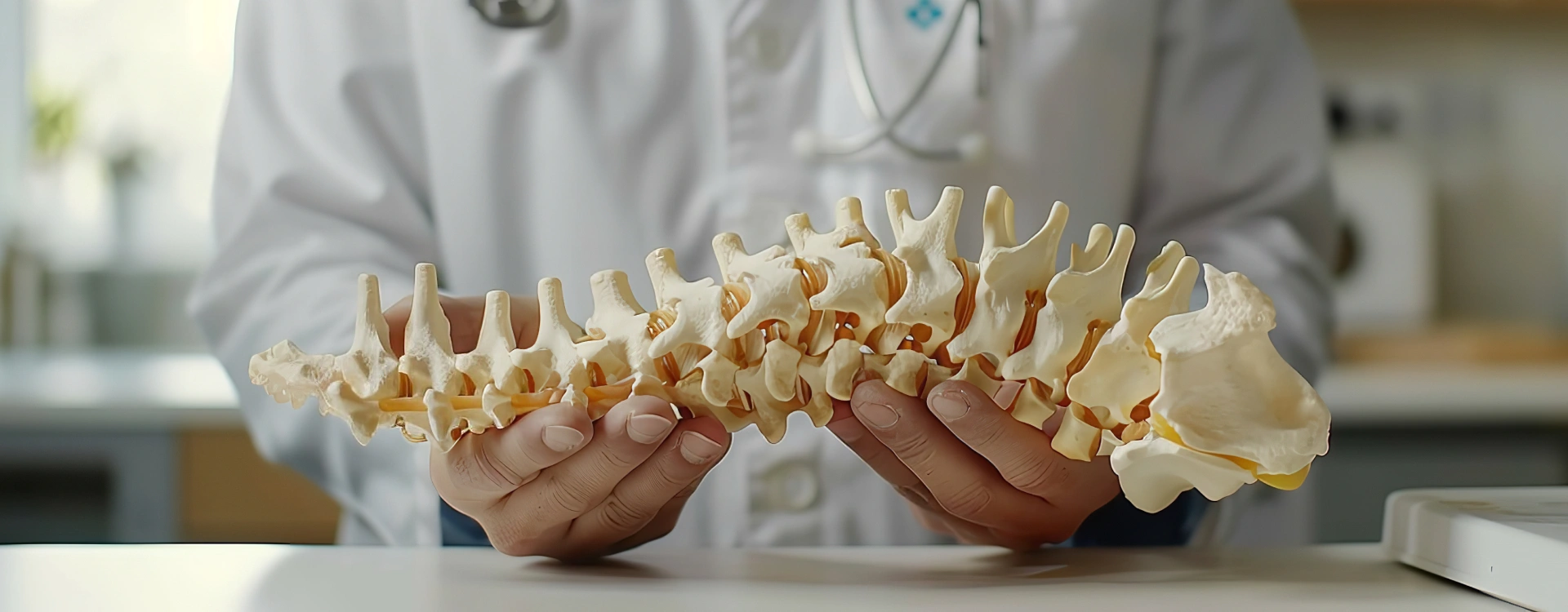
Ankylosing Spondylitis Treatment: When Back Pain Doesn’t Follow the Usual Rules
Usual back pain gets worse with activity and eases with rest. This is exactly why back pain that behaves the opposite way might alarm anyone. Yes, we are talking about back pain that eases while a person moves around and flares up when they sit still for an extended period or right after getting out of bed. Such a pattern that is accompanied by morning stiffness that may last past an hour, is often seen as the first clue pointing towards ankylosing spondylitis, which is a type of chronic inflammatory condition affecting the spine rather than some usual mechanical strain. An effective ankylosing spondylitis treatment upon diagnosis during the early stage can help people maintain mobility and reduce inflammation in the long run.
What Is Ankylosing Spondylitis
It is a chronic inflammatory condition that is a part of a broader group known as axial spondyloarthritis, primarily targeting the joints between the spine and pelvis, called the sacroiliac joints. Mechanical back pain is caused by strain or structural wear, but in this case, inflammation is driven by an overactive immune response.
When left unaddressed for long enough, this ongoing inflammation can also lead to new bone formation along the spine, which gradually restricts movement and, in some advanced cases, also causes sections of the spine to fuse together. Given this severity, early recognition and consistent treatment can play a major role, where the goal is to catch and manage the condition before any significant fusion gets enough chance to develop.
Why It Happens
The precise trigger behind this condition is not entirely understood, but a strong genetic link is well established. A particular genetic marker called HLA-B27 has been found in people with ankylosing spondylitis. But everyone carrying this gene doesn’t develop this condition. Hence, the marker may support diagnosis rather than confirming the chance of developing this issue.
In people who develop this condition, the immune system appears to trigger inflammation mistakenly, particularly at entheses (the points where ligaments and tendons attach to a bone). This is a part of the reason why this condition affects areas like chest walls and heels in addition to the spine.
Common Symptoms
Persistent lower back and buttock pain that may alternate sides. The pain is also accompanied by a morning stiffness pattern, which has been described earlier, reduced spinal flexibility, and over time, some people may develop a stooped or forward-leaning posture if the condition is not managed well. As inflammation can also impact the joints between the spine and ribs, some people also notice reduced chest expansion or a sense of tightness while deep breathing.
Swelling and pain can also occur in the joints, especially in the hips and shoulders, along with inflammation at the tendon attachment points like the heel. People have frequently reported fatigue, which reflects a broader underlying inflammatory process.
Who’s More Likely to Develop It
The risk of developing ankylosing spondylitis increases for an individual with a family history or an HLA-B27-positive close relative. It usually starts in late adolescence or early adulthood.
Having a family or personal history of certain related conditions is also associated with a higher likelihood of ankylosing spondylitis, like psoriasis, inflammatory bowel disease, or recurrent eye inflammation (uveitis). It happens because these conditions share some overlapping immune pathways.
When You Shouldn’t Wait It Out
The majority of symptoms of ankylosing spondylitis develop and change gradually, but there are a few situations that need immediate medical attention rather than routine management:
- New or worsening shortness of breath or chest tightness
- Fever along with joint symptoms like severe pain or swelling
- Sudden and significant weakness or numbness
- Sudden eye pain, redness, or light sensitivity, which may indicate uveitis, an eye inflammation that is associated with ankylosing spondylitis, needs urgent ophthalmology assessment in order to protect vision.
How the Diagnosis Is Made
Diagnosis focuses on the inflammatory back pain pattern that we have described in earlier sections. Physical examinations are performed to check for reduced spinal movement along with limited chest expansion. An MRI can detect early inflammation in the sacroiliac joints before changes become visible on a standard X-ray. It may help in identifying this condition earlier than what was previously possible. General inflammatory markers and HLA-B27 testing are also used to support the diagnosis, but they are not used in isolation. Sometimes, the inflammatory markers have been found to be normal in cases of active disease.
How Physiotherapy Helps
It has been found that exercise plays a more central role in the case of ankylosing spondylitis as compared to other conditions mentioned on this page. Researchers have consistently described appropriate exercises as a cornerstone of treatment rather than just a helpful addition alongside medication.
Appropriately guided and regular exercise has been shown to help maintain activity while improving spinal function. But these approaches work alongside anti-inflammatory medical treatment rather than as a substitute. Physiotherapy also uses specific extension-focused movement and posture work that can counter the progressive stiffening which may lead to a forward-stooped position if not addressed. With the help of the right posture work, physiotherapy may help in maintaining an upright posture and preserving the available movement. Targeted breathing and stretching exercises can contribute to maintaining chest wall mobility.
Ankylosing Spondylitis Treatment at Painflame
At Painflame Clinic, the treatment works alongside the ongoing medical treatment plan by combining consistent exercise therapy along with the medical management that controls the underlying inflammatory process. We use spinal extension and posture-focused exercises to counter the stooped and forward-flexed pattern that ankylosing spondylitis may encourage over time. Breathing and chest expansion exercises can help preserve lung capacity. Manual therapy may be used to ease stiffness and support movements wherever appropriate, especially in those areas of the spine that are less severely impacted.
We also provide Home physiotherapy visits since consistency of these exercises matters in this condition. This way, the patients who find it difficult to manage travelling to the clinic get proper help in maintaining a sustained and ongoing practice.
What to Expect Over Time
Many people are now able to maintain good spinal mobility along with functional ability for years with a combination of appropriate medical management and regular, well-guided physiotherapy. But you should keep in mind that the underlying inflammation doesn’t usually disappear. Proper ongoing care is now considered a part of living well with ankylosing spondylitis. One thing worth noting is that earlier, significant spinal fusion was considered a near-inevitable outcome. Modern treatment with proper exercise can help people maintain mobility and reduce the impact of long-term disease progression.
Can Ankylosing Spondylitis Be Prevented?
There is no way to prevent it, given the strong genetic factor. Early diagnosis and consistent treatment function as the best way to control inflammation and reduce long-term complications of the condition. This one step can either prevent or substantially slow down the progression towards severe spinal stiffness and fusion that has historically defined this condition.
Frequently Asked Questions
Can I stop this condition from progressing further with the help of exercise?
Not entirely. Though exercise is considered a cornerstone of the overall treatment in this condition, it always works alongside anti-inflammatory and other required medications.
Can exercise be helpful in case my spine has become significantly stiff?
Guided exercise is usually safe, and it remains a valuable option. But in case of severe stiffness or longstanding fusion, the spine becomes brittle and vulnerable to fracture. Which is why at this stage, your exercise should be guided by a professional physiotherapist, and even the minor injuries need to be reported rather than considered a strain.
If I have this condition, will my posture become stooped over time?
Not necessarily. Spinal mobility can be maintained while reducing the risk of developing forward stooping with the help of early and consistent treatment. Such an issue was common before the modern combined medical and exercise-based treatment approaches. Right now, there are proactive posture and extension-focused exercises that work effectively to prevent this pattern from developing further.
Patient Feedback & Success Stories
Treatments
Our Services
Our doctors
Meet more Painflame specialists






Dr. Divakar Kumar
Sports Rehabilitation, Sports Injury Management, Musculoskeletal Rehabilitation, Performance Enhancement, Strength & Conditioning
Book Appointment

Dr. Jaya Sharma
Pilates Expert | Musculoskeletal Rehabilitation, Sports & Pelvic Floor Specialist
Book Appointment

Dr. Priyanka Bhuyan
Tailbone (Coccyx) Treatment, Chiropractic Care, Spine & Joint Rehabilitation
Book Appointment
Dr. Saksham Kapoor
Sports Physiotherapy, Musculoskeletal Rehabilitation, Pain Management, Injury Prevention & Recovery
Book AppointmentLatest Blogs
Chronic Pain? What Physiotherapy in Gurgaon Can Actually Do
If you’re in Gurgaon and dealing with neck stiffness, lower back pain, or recovering from a…
Read More
Why Ignoring a ‘Minor’ Sports Injury Today Leads to Chronic Joint Issues Tomorrow
Pain-free doesn’t mean healed. Structural weakness, joint instability, and micro-tears in connective tissue often persist well…
Read More
Tired of Back Pain? Here’s What Your Spine Is Actually Trying to Tell You
Most lower back pain comes down to daily habits — long hours hunched at a desk,…
Read More