

Neck Pain Treatment
Looking for expert neck pain treatment? Painflame Clinic offers evidence-based physiotherapy, chiropractic care and personalised spine rehabilitation. Visit our clinics in Gurgaon and Paschim Vihar, Delhi, for lasting relief without surgery.
 6,200+ Reviews Trusted by thousands.
Recommended by experts.

Neck Pain Treatment: Finding Relief That Actually Lasts
Do you feel a sharp pain in the neck when you reach for something on the back seat of your car or check the blind spot while driving? Sometimes the pain may get to a level that stops you mid-turn. Or is the condition a bit quieter than that: a dull ache right at the base of your skull, which comes into existence at the end of each workday. A large number of the working population report such experiences these days because neck pain has a way of being an obstacle during the most ordinary moments. As a result, some choose to adapt rather than seek treatment, while others start finding the right neck pain treatment in Gurgaon and also in Paschim Vihar, Delhi promptly. Here, we are going to take a detailed look at this condition.
Neck Pain, Explained
Though underestimated, the neck has a disproportionate number of responsibilities to perform on a daily basis. The seven vertebrae that are stacked in this region have to support the weight of the full head (around 5 kilograms on average) and also house the crucial arteries to supply blood to the brain and the nerve roots that branch out to control sensations and movement of arms, hands, and shoulders. What complicates things further is the combination of load-bearing and high mobility, which makes our lives easier but also makes the neck prone to a wide range of issues.
As the neck is situated at the junction of the head and the rest of the spine, the pain behaves differently here. Some experience a tight band of stiffness that keeps them from turning back; others feel a deep, localized ache that settles in as the day passes and returns the next afternoon. It also shows up indirectly in the form of a headache starting from the base of the skull or a very odd and restricted feeling while trying to look over the shoulder.
Some Of the Most Common Triggers Behind Neck Pain
A wide range of events may cause neck pain, starting from poor posture. The most common cause these days is maintaining a forward-head position for long hours, either while looking down at a phone or simply hunched towards a screen. Sleeping in an awkward position, repetitive activities, or sudden movements may cause muscle strain. A sudden jolt that one might face during an accident causes whiplash.
In seniors, aging causes degeneration in the cervical spine, such as disc wear or narrowing of spaces where nerves exit, creating persistent symptoms. Though it is less frequent, it may stem from nerve compression and inflammatory conditions as well, based on the observations of prominent clinics.
How to Know If You Are Experiencing This Issue
One can recognize it quite easily by paying just a little attention. If there is localized stiffness and it worsens with some movements, like tilting the head, then it points towards a muscular or postural cause. When the pain radiates into the shoulder, hand, or arm with tingling or numbness, it might be because some nerve is being compressed. In case headache originates from the base of the skull, it is sometimes linked with neck tension, but this happens mostly in those who work for long hours at a desk. Some other most commonly reported symptoms include muscle spasms, reduced range of motion, and a sensation of popping or grinding during movement. If any of these symptoms disrupt your regular life quite frequently, it is time to acknowledge that they are not worth ignoring.
Who Struggles With Neck Pain the Most
Neck pain becomes more likely as a result of some routines and life stages. Those in desk-based jobs are more prone to it. This is mainly because of the sustained forward-head posture. Frequent phone use is becoming another important factor, especially in the case of those who look down at the device without holding it up near eye level. Drivers spending long stretches commuting, athletes involved in contact sports, or those who have had whiplash injury in the past are also at a higher risk.
Knowing When It Is Time To See An Expert
People report that neck pain in most cases responds well to gentle movement and rest. But in many cases, going for professional help is the right option rather than opting for the wait-and-see approach. In some conditions, like accidents, falls, or a direct blow to the head or neck, a professional assessment is a must. Even when the pain develops gradually but is accompanied by symptoms like
- Spreading down the arm
- Issues with coordination or balance
- Loss of bladder or bowel control
- Fever
- Weight loss
- A persisting headache, unlike before,
it warrants an urgent assessment. Competent physiotherapy services that combine multiple techniques are very effective in treating such complex issues in time.
Pinpointing the Exact Cause of Neck Pain
When the diagnosis is accurate, it precisely shapes every aspect of the treatment that will follow. Knowing the issue in detail starts with a thorough conversation regarding how and when the pain began, its impact on the type and range of movements, and whether it radiates or remains localized. Based on these inputs, the expert performs a physical examination of the condition to assess more deeply and check the nerve function, posture, and muscle strength. In the majority of cases, enough clinical picture is developed by these assessments to start with the suitable treatment; otherwise, imaging is used to know more about nerve involvement and the history of trauma.
The Physiotherapy Approach to Lasting Relief for Neck Pain
Modern physiotherapy-based neck pain treatments are proving highly effective because they are able to resolve the root cause while adequately addressing the discomfort. When tight muscles obstruct movement, physiotherapy utilises the power of manual therapy to restore normal movement. Once the pain is relieved, targeted exercises start to build the required strength and endurance in the muscles to support the neck better and avoid strain from recurring. For professionals who are engaged in desk-based jobs on a daily basis, postural correction plays a highly important role in keeping daily habits in check that may put extra strain on the neck muscles. In serious cases that involve nerve irritation, highly gentle mobilization techniques work to ease pressure and contain the radiating symptoms.
What Treatment Looks Like at Painflame
Painflame is a prominent name when it comes to neck pain treatment in Gurgaon or Delhi (Paschim Vihar). The treatment is always so effective because we believe in a thorough assessment that considers everything from the site of the pain, habits, movement patterns, and other factors that might contribute to the discomfort. Once enough information is available, the team builds a plan to suit the individual. We know the complexities related to posture and spinal mechanics, which is why every session is structured in a progressive manner.
The focus is to deliver pain relief in the beginning before it progresses to strengthening and posture retention. Our approach extends further as we offer home physiotherapy services for those who find it inconvenient to visit the clinic. Staying consistent with the right treatment without disrupting your routine has never been so easy.
How Long Does the Recovery Usually Take
The timeline is not fixed as it depends heavily on the cause and how long the symptoms have been present. Meaningful improvement is noticed within two to four weeks in the case of those with postural or muscular neck pain. When there is nerve irritation or other long-standing symptoms, this time may extend to six to eight weeks or even more to completely resolve the issue.
Keeping the Neck Pain From Coming Back
Preventing the same from happening again depends on properly maintaining the habits that were built during the treatment. Try to keep the screen at or near eye level (very easy to do while using phones), and focus on reducing the forward-head strain that is the main culprit in the majority of cases. Taking breaks from prolonged sitting is another easy but highly effective tip. While sleeping, try to adjust the pillow based on different sleep positions to ensure proper neck support. Being careful about posture during long drives and avoiding cradling the phone between the ear and shoulder are other accessible habits that make a big impact.
Painflame brings the most accurate care if you are searching for phrases like best neck pain treatment near me in Gurgaon & Paschim Vihar, Delhi.
Frequently Asked Questions
Should I be concerned if I have a habit of cracking my own neck whenever it feels stiff?
This is a habit practiced by many, and usually it is not harmful. In case you are relying on it more than usual, it might be a sign that underlying stiffness or muscle imbalance is not being addressed properly. Having this situation assessed is the most suitable option in such cases.
Is “tech neck” really a condition or just a trendy term?
It is a condition that describes a very common pattern of neck strain. This strain is caused by prolonged, downward-angled phone/screen use. It responds fairly well to posture-focused physiotherapy.
Can neck pain be a cause behind jaw or ear discomfort?
In some rare cases, yes. It has been found in some cases that tight muscles of the upper neck refer discomfort towards the ear or jaw area.
Do you offer one-off sessions or an ongoing program?
It depends precisely on the condition of the individual. Structured, multi-layered programs work best when the pain is severe.
How can I prevent back pain from coming back?
Maintaining good posture, regular exercise, proper lifting techniques, ergonomic adjustments, and a healthy lifestyle can help prevent recurring back pain.
Patient Feedback & Success Stories
Treatments
Our Services
Our doctors
Meet more Painflame specialists





Dr. Divakar Kumar
Sports Rehabilitation, Sports Injury Management, Musculoskeletal Rehabilitation, Performance Enhancement, Strength & Conditioning
Book Appointment

Dr. Jaya Sharma
Pilates Expert | Musculoskeletal Rehabilitation, Sports & Pelvic Floor Specialist
Book Appointment
Dr. Priyanka Bhuyan
Tailbone (Coccyx) Treatment, Chiropractic Care, Spine & Joint Rehabilitation
Book Appointment
Dr. Saksham Kapoor
Sports Physiotherapy, Musculoskeletal Rehabilitation, Pain Management, Injury Prevention & Recovery
Book AppointmentLatest Blogs
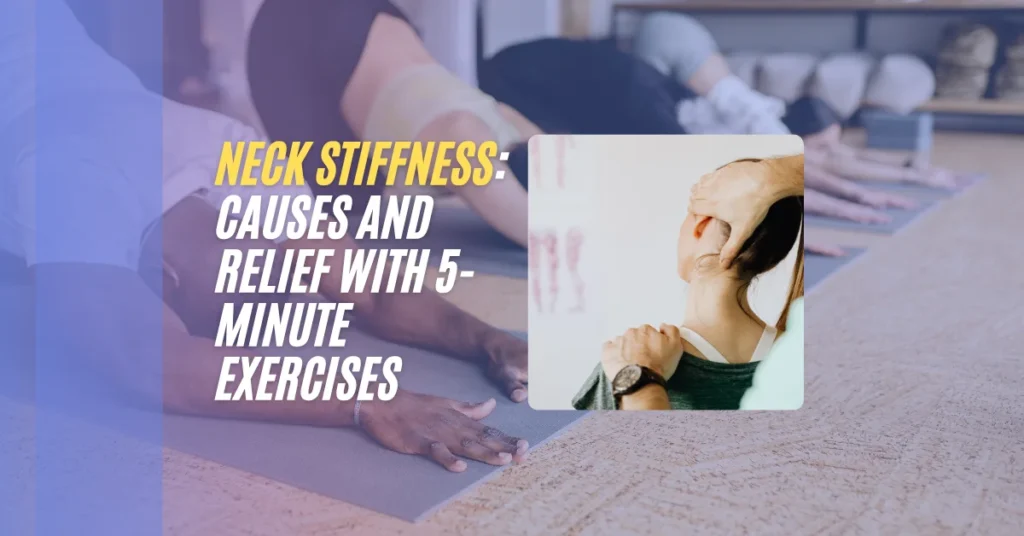
Neck Stiffness: कारण और 5 मिनट की एक्सरसाइज से राहत
गर्दन की अकड़न (Neck Stiffness): कारण और 5 मिनट की एक्सरसाइज से राहत क्या सुबह उठते…
Read More
Navel Displacement: लक्षण, पहचान और उपचार
क्या आपको अक्सर पेट में अनजान दर्द रहता है? क्या खाने के बाद ब्लोटिंग, गैस या…
Read MoreCore Strengthening Exercise जो कमर दर्द को जड़ से खत्म करे
क्या लंबे समय बैठने के बाद कमर दर्द होने लगता है? क्या सुबह उठते ही पीठ…
Read More