

Calf Muscle Strain Treatment
Non-surgical care with personalised rehabilitation and specialist-led treatment at Painflame Clinic.
 6,200+ Reviews Trusted by thousands.
Recommended by experts.
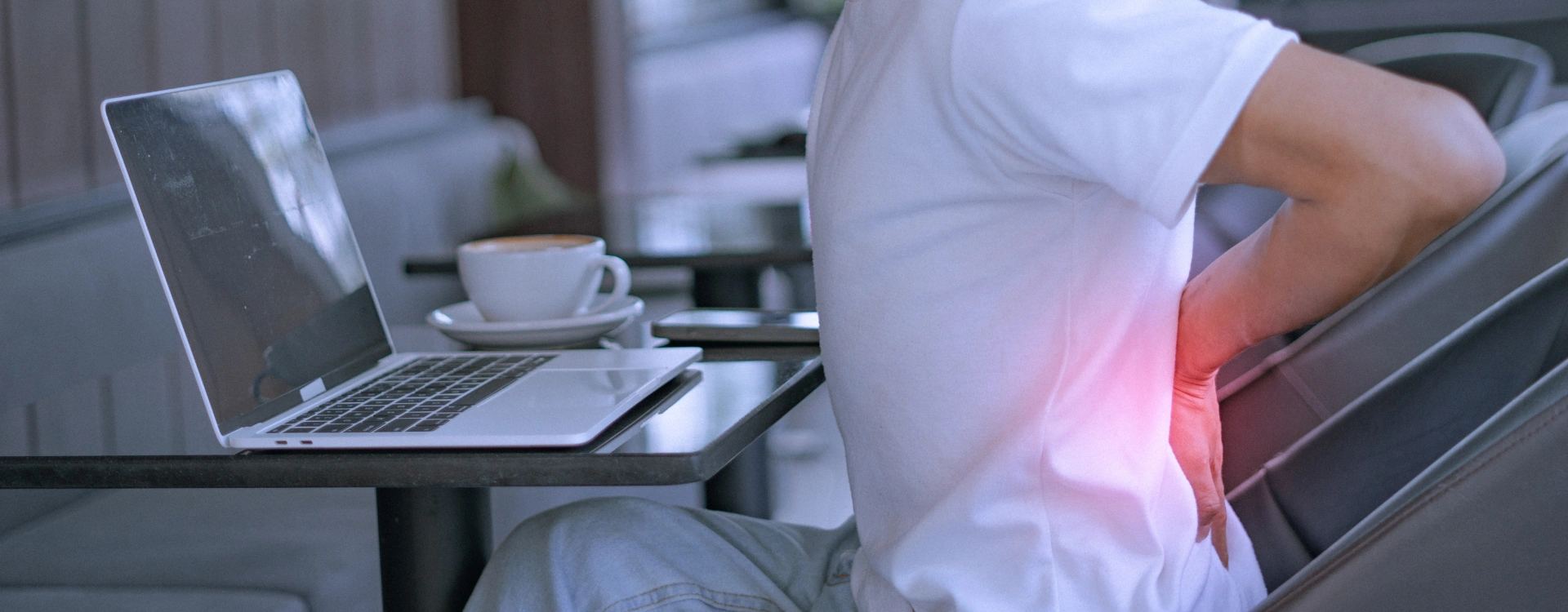
Calf Muscle Strain Treatment: Why This Injury Deserves More Than Just Rest
Do you feel a sudden pull or a sharp and stabbing pain at the back of your lower leg while sprinting, in the middle of jumping, or even while climbing stairs quickly? Some people may experience a gradual tightness that builds over time, while others may feel a distinct pop during intense activity. In each of these cases, walking starts to feel more difficult than before, and standing on toes may seem almost impossible. Such an issue may be due to calf muscle strain, which is among some of the most common lower-leg injuries. It may develop in athletes and also during everyday activities among individuals. An effective calf muscle strain treatment starts by correctly finding out how severe the injury is.
What Is Calf Muscle Strain
Two major muscles, the gastrocnemius and soleus, form the calf, which join into the Achilles tendon. When the fibres present in one of these muscles are stretched beyond their limit, resulting in calf strain. The strain often happens during explosive movements like sprinting, jumping, or changing direction suddenly. It can also occur during a simple misstep or an uphill walk when someone is returning to their activities after a period of less activity.
The gastrocnemius crosses multiple joints directly, i.e., the knee and ankle. Such a structure puts this muscle under a wide range of stretch and load during everyday movements, which makes it more involved in calf muscle strain as compared to the soleus. Sometimes, the strains associated with this muscle are referred to as tennis leg. This term comes from the posture of serving in tennis, where the knee is fully straightened, which stretches this muscle to its limits.
Why Does It Happen
These strains are graded from 1 to 3, which is based on the severity of the tear. The grading is crucial for the upcoming treatment timeline. A small number of torn fibres are involved in Grade 1 strain, which may cause a dull ache or even mild tightness. This strain does not produce much loss of strength. A larger number of fibres are involved in Grade 2 strain, which may cause noticeable pain, swelling, and a reduction in strength. As a result, the individual is not entirely able to bear weight on the affected side like before. When there is a complete or near-complete tear of the muscle, it is called a Grade 3 strain. This is often accompanied by a palpable gap, a distinct pop when the injury occurs, along with considerable swelling and bruising that develops over a few days.
Calf strains that belong to any of these grades occur when there is a mismatch between the load placed on the muscle and its capacity to tolerate that load at a given moment. It may happen due to fatigue in some cases or a sudden increase in activity or even inadequate warm-up. Muscle tightness may limit how much the tissue can stretch before it tears.
Common Symptoms
The symptoms associated with a calf strain depend on the grade of the injury. Tightness or soreness may appear during or after activity, which settles with a bit of rest in case of a mild strain. When the strain is more significant, it may cause a sharp pain at the back of the lower leg, create difficulty in putting complete weight on the leg, cause visible swelling, and also bruising that may track towards the ankle. Some people may find it difficult to rise onto their toes on the affected side because this type of movement loads the injured muscle.
Who Is At Risk
These strains are common among athletes who are involved in racquet, sprinting, football, and basketball-like games in which sudden acceleration or direction changes are performed frequently. As the elasticity of muscles declines gradually with age, the likelihood of gastrocnemius strains may increase in middle-aged and older adults when they are involved in recreational activities. A history of previous calf strain may contribute to the risk with a sudden increase in training intensity, inadequate warm-up before activities, general fatigue, or dehydration.
When to Seek Prompt Medical Help
The majority of calf strains respond well to a structured rehabilitation. However, there can be some signs that demand prompt medical attention rather than trying to manage them from home:
- Diffused calf swelling rather than localised; if it happens without any injury, it may point to a venous thrombosis, not a strain.
- A complete inability to bear weight on that muscle or a noticeable deformity in the muscle
- Coldness, numbness, or change in colour in the foot, which may indicate a circulation issue
- Swelling accompanied by pain that worsens even after a few days of rest
How Diagnosis Is Made
Diagnosis begins with a detailed look into how the injury occurred. Examination also works on precisely locating the specific area of tenderness, and the calf is also tested for pain on rising onto toes or during resisted push-off. Both of these tests may help in reproducing the pain associated with a strain. Doctors also assess the capacity of the individual to perform a single-leg calf raise, which may give some idea about the severity of the tear. In cases when diagnosis is uncertain, imaging like Ultrasound is used to get a clear idea about the location and extent of the tear. Imaging may help when experts suspect a complete rupture.
How Physiotherapy Helps
Physiotherapy uses staged loading during calf muscle strain treatment. When muscles are gradually introduced to movements based on their ability, it may support healing better compared to taking complete rest, which may lead to muscle weakness. During the early phase, physiotherapists focus on protecting the muscles from further damage, managing pain and swelling properly, along with maintaining a gentle range of motion while saving the muscle from overstretching. Progressive strengthening exercises and controlled stretching are introduced in later stages when the healing progresses. Manual therapy can be used alongside these techniques to address the surrounding tightness and support proper movement of the ankle and knee.
Calf Muscle Strain Treatment at Painflame
The calf muscle strain treatment at Painflame Clinic starts by clearly assessing the severity of the strain and the structures involved in it because each grade of strain may require tailored treatment approach. After we get a clear medical picture, we build a treatment plan tailored to the activity levels of the individual and goals. The rehabilitation plan may include:
- Structured sports rehabilitation programme for athletes to help in their safe return to sports without increasing the risk of re-injury
- Laser therapy to help in symptom management when appropriate
- Cryotherapy during the early phase to help control swelling around the affected muscle
- Progressive exercises that are aimed at rebuilding the elasticity and strength of the muscle
- Manual therapy to help in easing tightness in the ankle, knee, and surrounding muscles that often develop after injury
Those who find it difficult to visit the clinic consistently can opt for our home physiotherapy visits that bring structured guidance right to their homes.
Recovery Timeline
When the treatment starts early, a Grade 1 strain may improve in a few weeks. A Grade 2 strain may take several weeks before one regains full confidence to return to their activities. A Grade 3 strain may take several months. The duration may extend further in case of a more significant disruption of the muscle-tendon junction. Some cases of calf tears are severe and unclear, which require specialist opinion. In most cases, when calf strain becomes a recurring problem, individuals return to their activities pretty early, just after the pain eases, without waiting until the strength and flexibility have genuinely recovered.
Preventing Calf Muscle Strain From Returning
The mismatch between a muscle’s capability and the load placed on it lies at the core of this issue; one can decrease the likelihood of it returning by keeping a few things in mind. Complete a proper warm-up before getting started with running and jumping-like activities. This warm-up prepares the muscles for sudden stretches during the activities. The ability of the muscle to bear load is improved by building flexibility and calf strength with the help of regular exercise rather than occasional stretching. Those with previous calf strain need to complete the strengthening programme rather than quitting once the pain settles.
Frequently Asked Questions
Does it help to stretch the calf muscle right after an injury?
Don’t do it aggressively. A few days after the injury, a tailored rehabilitation plan introduces gentle range of motion in the pain-free zone before progressing further. Forceful stretching may very easily worsen the tear, which is why doctors use structured stretching when acute pain and swelling ease.
Should I continue exercising with calf strain?
It is based on the grade of strain that you have. Light activities with some modifications can continue in case of mild strains. In case of a significant tear, you will need to reduce weight-bearing and try to get back to your regular activities gradually. Professional rehabilitation can guide you through the right process.
Is it okay to use heat or ice for a calf strain?
During the first few days, ice may be used to help control pain and swelling. On the other hand, heat may be introduced later on to reduce stiffness and enhance blood flow before the stretching work begins.
Can my calf muscle get strained again after it feels like it has healed?
If the associated muscles regain enough strength to feel normal through daily life, people assume that the muscle has healed. In reality, the muscle needs to be strong enough to tolerate the demands of activities consistently, which may require a structured and criteria-based rehabilitation programme rather than assuming the alleviation of pain is the only sign of healing.
Patient Feedback & Success Stories
Treatments
Our Services
Our doctors
Meet more Painflame specialists



Dr. Divakar Kumar
Sports Rehabilitation, Sports Injury Management, Musculoskeletal Rehabilitation, Performance Enhancement, Strength & Conditioning
Book Appointment
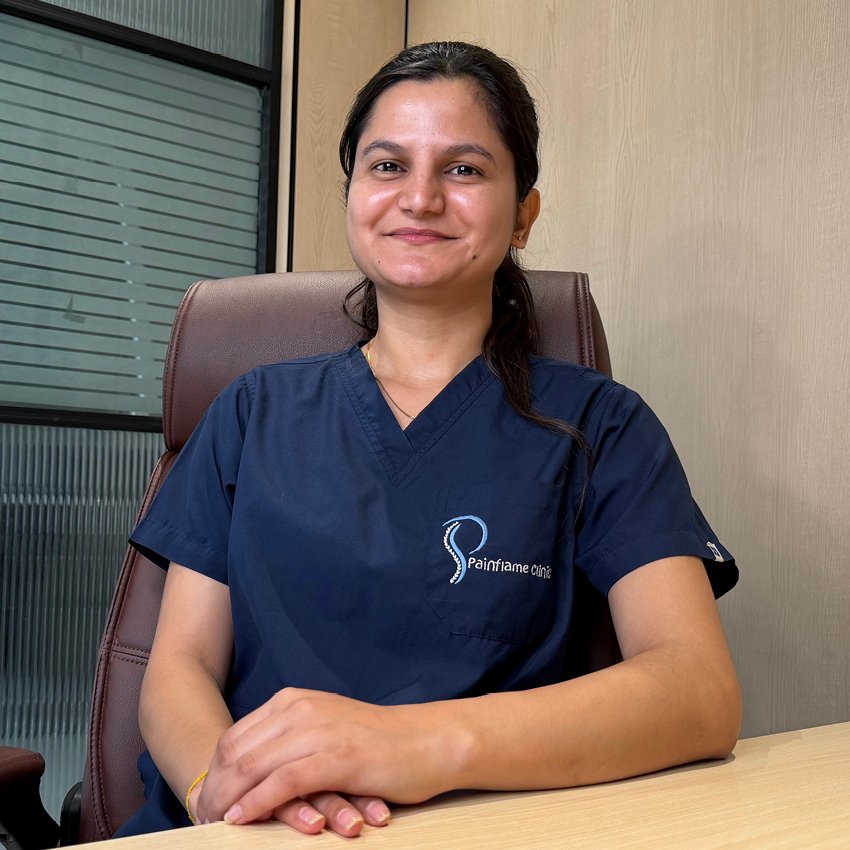
Dr. Jaya Sharma
Pilates Expert | Musculoskeletal Rehabilitation, Sports & Pelvic Floor Specialist
Book Appointment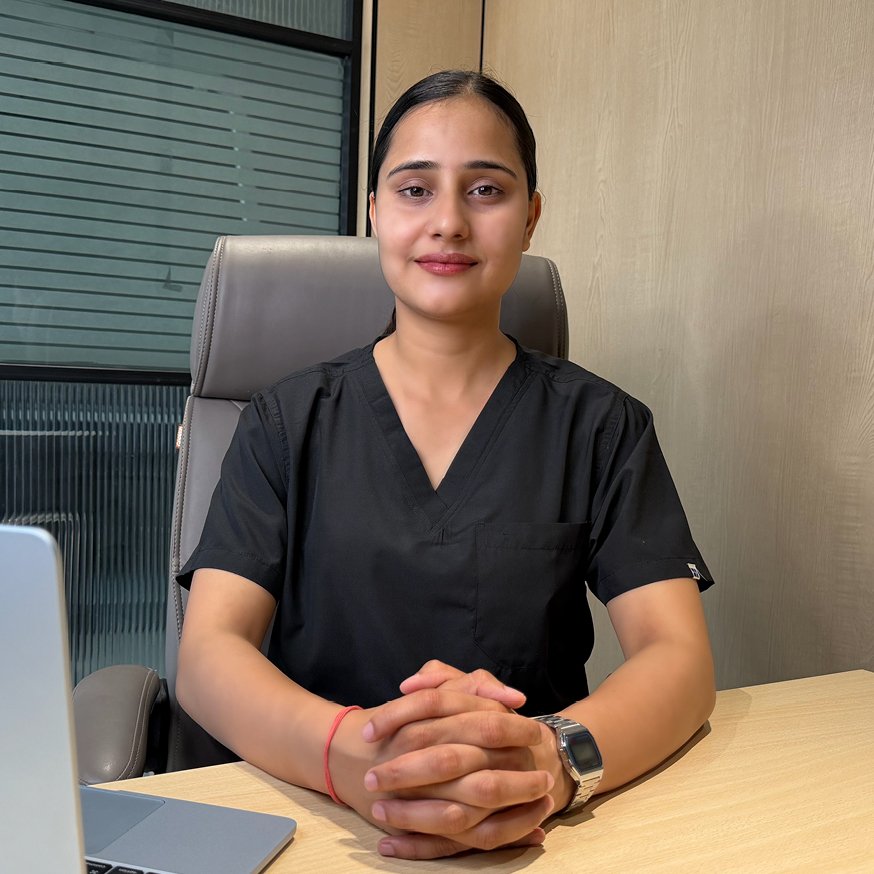
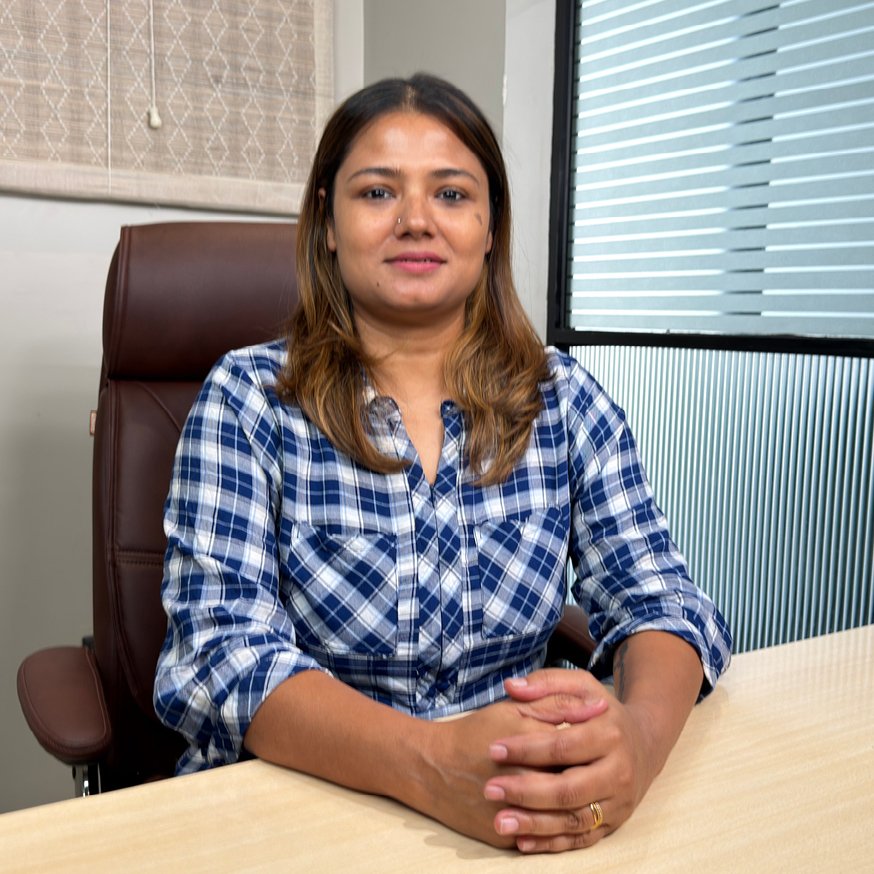
Dr. Priyanka Bhuyan
Tailbone (Coccyx) Treatment, Chiropractic Care, Spine & Joint Rehabilitation
Book Appointment
Dr. Saksham Kapoor
Sports Physiotherapy, Musculoskeletal Rehabilitation, Pain Management, Injury Prevention & Recovery
Book AppointmentLatest Blogs
Neck Stiffness: कारण और 5 मिनट की एक्सरसाइज से राहत
गर्दन की अकड़न (Neck Stiffness): कारण और 5 मिनट की एक्सरसाइज से राहत क्या सुबह उठते…
Read More
Navel Displacement: लक्षण, पहचान और उपचार
क्या आपको अक्सर पेट में अनजान दर्द रहता है? क्या खाने के बाद ब्लोटिंग, गैस या…
Read MoreCore Strengthening Exercise जो कमर दर्द को जड़ से खत्म करे
क्या लंबे समय बैठने के बाद कमर दर्द होने लगता है? क्या सुबह उठते ही पीठ…
Read More