

Hand Pain Treatment
Non-surgical care with personalised rehabilitation and specialist-led treatment at Painflame Clinic.
 6,200+ Reviews Trusted by thousands.
Recommended by experts.
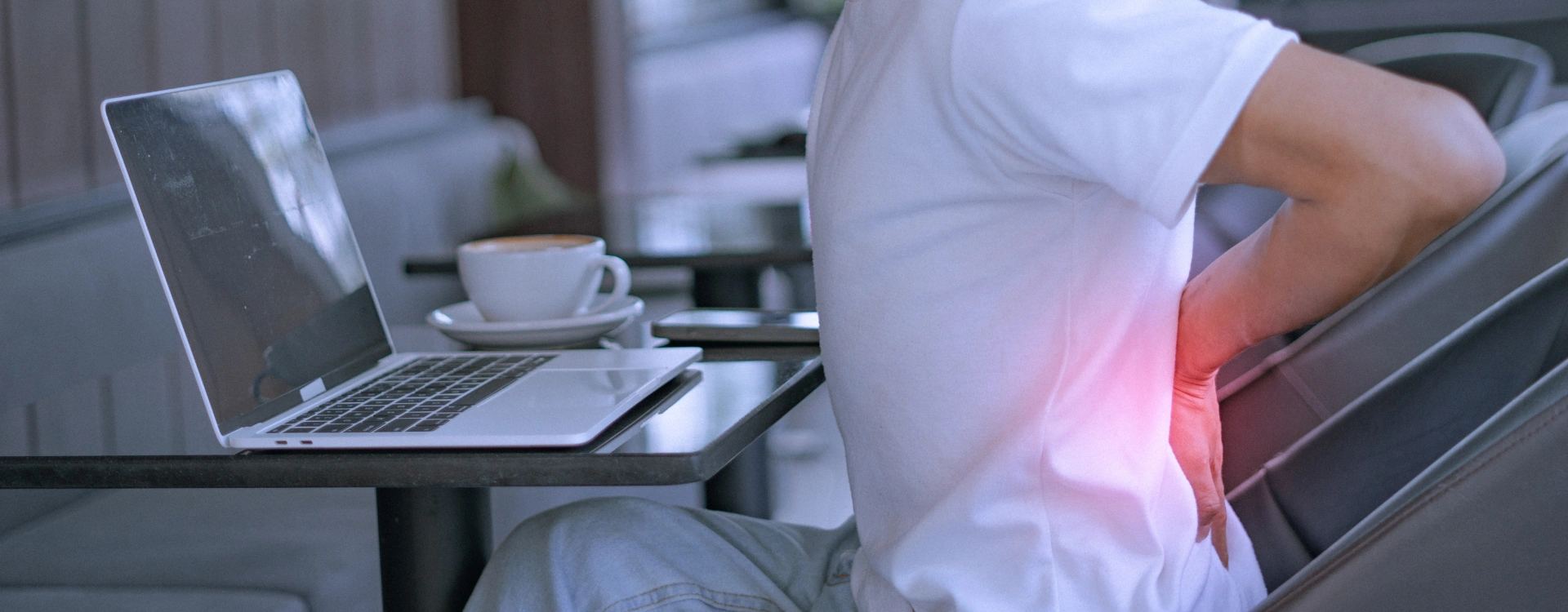
Hand Pain Treatment: Understanding Where It Hurts And Why
Are you struggling to open a jar lid? Has your thumb started clicking or catching more often lately, or do you feel a dull ache at the base of your thumb each time you try to pinch something between the fingers? Given the amount of repetitive and complex movements performed by our hands on a daily basis, they are vulnerable to issues when something wears out or gets irritated. An effective hand pain treatment starts by figuring out the underlying cause.
Understanding Hand Pain
Our hands are dense and tightly packed structures consisting of small joints, ligaments, and tendons, where each of these elements works together to ensure a range of fine and repetitive movements. Usually, there are three conditions that cause a large share of hand and thumb pain that are unrelated to nerve compression. These include osteoarthritis at the base of the thumb, trigger finger, and De Quervain’s tenosynovitis. Each of these issues arises from a different structure, which makes it important to recognise the patterns carefully.
Why Hand Pain Occurs?
Capometacarpal (CMC) is an unusually mobile joint that enables the thumb to move in almost every direction while bearing a disproportionate amount of load for its size. The thumb base osteoarthritis may develop here as a result of years of stress when the cartilage that cushions this joint gradually wears down. Eventually, it leads to pain, swelling, or a visible prominence.
Trigger finger occurs when a small nodule is formed on a flexor tendon in the thumb or finger. It results in catching as the underlying structures try to pass through the narrow space. This catching is behind the characteristic clicking and locking sensation. In some cases, when the issue has advanced, the finger gets stuck bent, which may require the hand to straighten it.
De Quervain’s tenosynovitis involves swelling or irritation of the tendons running along the thumb side of the wrist. It is most often triggered by repetitive wrist or thumb motion, repeated lifting, twisting, and gripping. Movement of the tendon becomes painful as the tissue gets inflamed and thickened.
Common Symptoms
A deep ache at the base of the thumb is common in thumb-based osteoarthritis. Gripping or pinching activities like opening jars, turning keys, or even writing can worsen the pain. A distinct catching or locking sensation may occur in trigger finger, as one straightens or bends the finger. Some people feel a tender nodule at the base of their affected finger in the palm. The pain lies specifically on the thumb side of the wrist and worsens with thumb movement in De Quervain’s tenosynovitis. This pain may sometimes radiate a bit up the forearm. These conditions can occur together, which makes overlapping symptoms pretty likely in many cases and demands an accurate assessment.
Who’s More Likely to Develop It
Thumb-based osteoarthritis is more common after 40, and it has been found to affect women more than men, which might be partly due to hormonal factors that end up influencing cartilage health. The risk of all these three conditions may increase with occupations and hobbies that require gripping, pinching, or twisting. Trigger finger is more common in people who have diabetes, along with those who have rheumatoid arthritis. De Quervain’s tenosynovitis may occur more in those whose roles include frequent and repetitive wrist and thumb movement.
When You Shouldn’t Wait It Out
Pain related to these conditions can be frustrating for sure, but they usually don’t pose any immediate danger. But there are a few signs that require prompt medical evaluation rather than trying to ease them through home remedies:
- Finger getting locked to an extent that can’t be straightened normally
- Fever along with the joint or hand symptoms
- Numbness or tingling happening with the pain, which may indicate nerve-related issues
- Sudden and significant swelling along with redness or warmth in the joint
How Diagnosis Is Made
Diagnosis involves physical exam and a proper look at the specific movement-based tests. Gentle compression and movement of the joint, which is also called the grind test, is used to check for thumb base osteoarthritis because these tests generally reproduce the pain common in this condition. A test known as the Finkelstein test may be used if De Quervain’s tenosynovitis is suspected, in which the thumb is tucked into a fist and then the wrist is bent towards the little finger, which may reproduce the pain if this condition is present. Identification of trigger finger involves proper observation of the catching and presence of a tender nodule during finger movements. Imaging can be considered in some cases to check the severity of the condition, especially in the case of thumb base osteoarthritis.
How Physiotherapy Helps
Distinct approaches of hand pain treatment are available to address each of these three conditions.
Physiotherapy utilises a combination of splinting and strengthening of muscles that support the joint in order to reduce the load that is passed directly through the joint, which has already lost some of its cushioning. This way improves the support around the joint and makes certain everyday activities like gripping comfortable. Reducing irritation and swelling around the affected area remains the priority in case of trigger finger and De Quervain’s tenosynovitis. When a swollen and catching tendon is forced through an unyielding space, it can extend the irritation rather than improving it. In addition, physiotherapy also introduces gentle movements carefully that support tendon health without provoking inflammation. In all these issues, addressing the underlying problem that contributes to the issue remains a priority rather than focusing only on the flare-up.
Hand Pain Treatment at Painflame
At Painflame Clinic, we begin treatment by properly identifying the underlying condition or the combination of conditions. Once a clear medical picture is formed, the team may use
- Custom splinting to reduce load on the joint, especially during aggravating activities,
- Targeted hand and thumb strengthening exercises for improving load tolerance and support
- Manual therapy
- Activity modification or ultrasound therapy
- Ergonomic guidance regarding grip technique, workstation setup, and tool use
- Posture correction therapy to help in a complete and lasting result in case wrist mechanics or broader posture contribute to the issue.
What Recovery Usually Looks Like
Hand pain treatment for trigger finger and De Quervain’s tenosynovitis often leads to meaningful improvement within a few weeks with the help of guided treatment, activity modification, and consistent splinting. The treatment in case of thumb base osteoarthritis aims to manage the condition because it is degenerative in nature. But most people are able to see a significant improvement in pain and functional ability.
Preventing Hand Pain From Returning
Prevention demands sensible management of load and repetitive activities. Whether you are at work, with a hobby, or during active infant care, you should take regular breaks from repetitive pinching or gripping tasks, as it effectively reduces the cumulative strain that may trigger symptoms. Professionals should opt for ergonomic grips and tools that are designed to reduce strain on the wrist and thumb. In addition, one should continue with the thumb and hand strengthening exercises even after the completion of treatment to support the small but hardworking joints and tendons in the long run.
Frequently Asked Questions
Can I have more than one condition at the same time?
Yes. Some conditions share common risk factors like repetitive hand use. This is the reason why professional assessment becomes so important rather than assuming that the symptoms are resulting from just one cause.
If my condition has resulted from repetitive computer or phone use, does it need treatment or should I wait it out?
It depends on the severity of the condition and how it is managed. Properly addressing the repetitive strain during the early stage, along with appropriate treatment, tends to resolve the symptoms more easily than continuing with the issue and waiting for it to settle on its own.
Should I be using my thumb in case I have thumb base osteoarthritis?
You generally don’t need to stop using your thumb. Avoiding hand use completely is not very helpful because strength around the joint needs to be maintained. Performing normal activities is fine; however, aggravating activities like gripping or heavy pinching need modification.
Patient Feedback & Success Stories
Treatments
Our Services
Our doctors
Meet more Painflame specialists





Dr. Divakar Kumar
Sports Rehabilitation, Sports Injury Management, Musculoskeletal Rehabilitation, Performance Enhancement, Strength & Conditioning
Book Appointment

Dr. Jaya Sharma
Pilates Expert | Musculoskeletal Rehabilitation, Sports & Pelvic Floor Specialist
Book Appointment
Dr. Priyanka Bhuyan
Tailbone (Coccyx) Treatment, Chiropractic Care, Spine & Joint Rehabilitation
Book Appointment
Dr. Saksham Kapoor
Sports Physiotherapy, Musculoskeletal Rehabilitation, Pain Management, Injury Prevention & Recovery
Book AppointmentLatest Blogs
Neck Stiffness: कारण और 5 मिनट की एक्सरसाइज से राहत
गर्दन की अकड़न (Neck Stiffness): कारण और 5 मिनट की एक्सरसाइज से राहत क्या सुबह उठते…
Read More
Navel Displacement: लक्षण, पहचान और उपचार
क्या आपको अक्सर पेट में अनजान दर्द रहता है? क्या खाने के बाद ब्लोटिंग, गैस या…
Read MoreCore Strengthening Exercise जो कमर दर्द को जड़ से खत्म करे
क्या लंबे समय बैठने के बाद कमर दर्द होने लगता है? क्या सुबह उठते ही पीठ…
Read More