

Ligament Injury Treatment
Recover Stronger with expert Ligament Injury treatment focused on stability, pain relief, mobility, and safe return to daily activities or sports.
 6,200+ Reviews Trusted by thousands.
Recommended by experts.
Ligament Injury Treatment: A Smarter Way to Heal
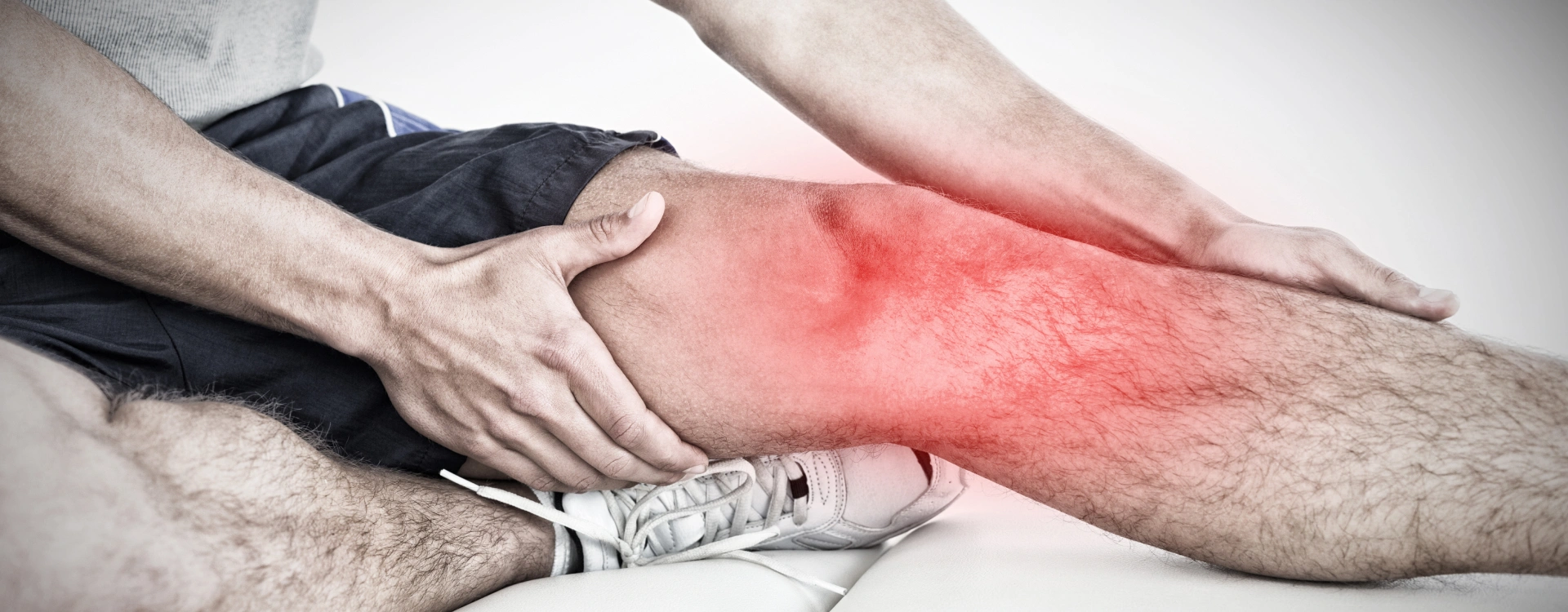
You may experience a sharp pull followed by swelling, and the joint no longer feels right. It can happen when the ankle twists upon stepping off a curb or when the knee buckles during a quick turn on the badminton court. Such symptoms are one of the clearest signs of ligament injury, and it often happens during ordinary moments. This injury can impact almost any joint of the human body. But the good news is that most ligament injuries respond well to the right approach, and an effective ligament injury treatment looks quite different than the prevailing advice that many people grow up with.
Understanding Ligament Injuries
These are tough bands of tissue that connect bones, hold up the joints, and maintain stability during movement. If a ligament is stretched more than its capacity to handle, an injury happens. Doctors use a simple grading system to define the injury depending on how much damage has occurred. A Grade I injury refers to a mild stretch when the ligament is fully intact. A Grade II injury involves a partial tear where some fibres get torn while others remain whole. A Grade III injury is a complete tear in which the ligament has completely given way. The grading is important because it determines the path to recovery, like duration, need for surgery, etc.
Why It Happens
The majority of ligament injuries come down to just one simple thing: a sudden movement that asks more of the ligament than it can stretch. It can be a joint twisting sharply, like an ankle rolling inward, a joint getting pushed sideways in a direction that it shouldn’t bend, like a knee buckling inward during a pivot, and other such movements. A direct blow to a joint, like during a tackle in football, landing right on the side of the knee, can also cause this type of overstretching.
The ligament involved depends on factors like which direction the joint was forced to move and how far. In case of a rolled ankle, the ligaments on the outer side of the joint are stretched. When a knee is forced sideways, it affects the ligaments that run along the inner or outer edge of the joint. If the injury is more forceful, the ligament sitting deep inside the joint can also be affected.
Common Symptoms
The most immediate sign is pain right at the moment of injury, which is often described as a sharp pull or tear. Sometimes it occurs with an audible pop. Swelling is seen within a few hours and is occasionally accompanied by bruising because blood collects under the skin. In more significant injuries, the joint may feel loose, wobbly, or simply unable to hold weight properly. A mild sprain, on the other hand, is known to bring tenderness and stiffness around the affected area. The typical picture of a ligament injury is rounded out with other symptoms like reduced range of motion and a general reluctance to put full weight on the joint.
Who’s More Likely to Develop It
Those in sports that require quick direction changes like contact sports, jumping, basketball, and badminton clearly face higher risk. Their chances of facing ligament injury increase because of the way their joints are pushed towards the vulnerable positions on a regular basis. If one has faced ligament injuries in the past, the chances of injuring it again increase in the future, especially if the joint is left to heal without proper rehabilitation.
Weakness in the surrounding muscles and poor conditioning also leave the joints with inadequate natural support. If there is a sudden increase in activity level or one gets back to sports activities after months off, it can also increase the risk. Some other common practical triggers include uneven or unpredictable surfaces like an unfamiliar court or unlit path.
When You Shouldn’t Wait It Out
Ligament injuries, in many cases, don’t need an emergency room visit, but there are a few signs that require a prompt medical evaluation because home care alone can’t help in such cases:
- A visibly deformed or unusually positioned joint
- Inability to bear any weight on the joint
- Significant swelling that develops pretty rapidly within hours or even quicker
- A feeling that the joint is giving way rather than just feeling weak
- Numbness or change in the skin colour beyond the site of injury
How the Diagnosis Is Made
Diagnosis begins with a proper inquiry into the way the injury occurred, how the joint moved at the time of injury, whether there was a popping sound and sensation, how quickly the swelling appeared, and other details. This is followed by a physical exam that checks the affected ligament for looseness and tenderness, compares the stability of the injured joint against the uninjured side, and also takes a thorough look at the overall range of motion. This type of exam has been one of the reliable ways to assess the majority of ligament injuries. In case the doctor suspects a complete tear, MRI imaging is used. Imaging may also be an option if the condition doesn’t improve with consistent conservative care.
Why the Physiotherapy Approach Works
The ligament injury care has changed in recent years, and it is very important to understand why. It has been found that some of the older advice that many people currently follow slows down the recovery process.
Taking rest has been the standard advice for decades, along with heavy icing and staying off the joint as long as it hurts. New studies have pointed out that heavy icing and complete rest for an extended period work against the repair process of the body. Some of the early swelling and inflammation is part of the way healing tissues are rebuilt after the injury. So, the current approach to effective ligament injury treatment works on protecting the joint during the initial days but shifts towards gentle and guided movement afterwards. Physiotherapy works because controlled loading is the strongest signal for the body to rebuild ligament tissue.
In addition to that, rebuilding strength and balance around the joint matters as well. If a ligament has technically healed and is surrounded by weak and undertrained muscles, the ligament is still vulnerable to re-injury. In order to avoid it, physiotherapy works on strengthening the muscles that support the joint rather than focusing only on the ligament in isolation.
Ligament Injury Treatment at Painflame
At Painflame Clinic, we start the treatment by properly identifying the ligament that is injured. Then the doctors look into the severity of the injury because a mild ankle sprain and a significant ligament tear require very different treatment plans. During early sessions, the focus lies on protecting your joint and safe, as well as pain-guided movements are also introduced. This stage is followed by structured programmes that focus on rebuilding the strength in the muscles supporting the joint. Such programmes are especially important when the ligament injury involves the knee because muscles around it play a significant role in ensuring stability. Sports injury rehabilitation programmes are for athletes who want to return to their specific sports after recovery with full activity.
Currently, we operate from two locations, Sector 38 in Gurugram and Paschim Vihar in Delhi, which makes effective ligament injury treatment accessible across the NCR. In case one finds it difficult to visit the clinic regularly, home physiotherapy brings structured rehabilitation to their doorstep.
What Recovery Usually Looks Like
The grade of the injury determines the recovery timeline. One to two weeks are enough to settle a Grade I sprain with the help of consistent physiotherapy. A Grade II partial tear may take four to six weeks to regain its full function. A Grade III complete tear takes considerably longer, sometimes several months, especially when joints like the knee are involved. Progress is noticeable throughout the treatment journey, regardless of the grade of injury. First, the swelling and pain ease, which is followed by enhanced range of motion. At last, the strength required to use the joint completely is regained.
Preventing a Future Injury
Prevention deserves real attention because previous ligament injury is one of the strongest predictors of having another in the future. Strength and balance work should be continued even after the joint is back to its normal state. Warming up properly before activity and being mindful of the playing surfaces considerably reduce the chances of future injury. One should rely on taping or bracing during the early return period if they are returning to their sport after a significant tear.
Frequently Asked Questions
How to know if my sprain is mild or something more serious?
It can be roughly determined by the way you feel after injury. If there is mild stiffness and you are able to bear weight, it may be a milder injury. When there is significant swelling and an inability to put weight on it or a feeling of the joint giving way, it points towards a serious injury.
Is it true that complete rest is one of the safest options after a ligament injury?
Not beyond the first day or two. Extended complete rest weakens the joint and also slows down healing. This is the reason why current treatment inclines towards gentle and guided movement from a fairly early stage.
Is surgery the only option if my ligament has fully torn?
Not necessarily. Many complete tears are managed with the help of structured physiotherapy alone, but this decision depends on the particular ligament that has been injured, the goals of the patient, and the way the joint responds to the treatment during initial stages.
Patient Feedback & Success Stories
Treatments
Our Services
Our doctors
Meet more Painflame specialists

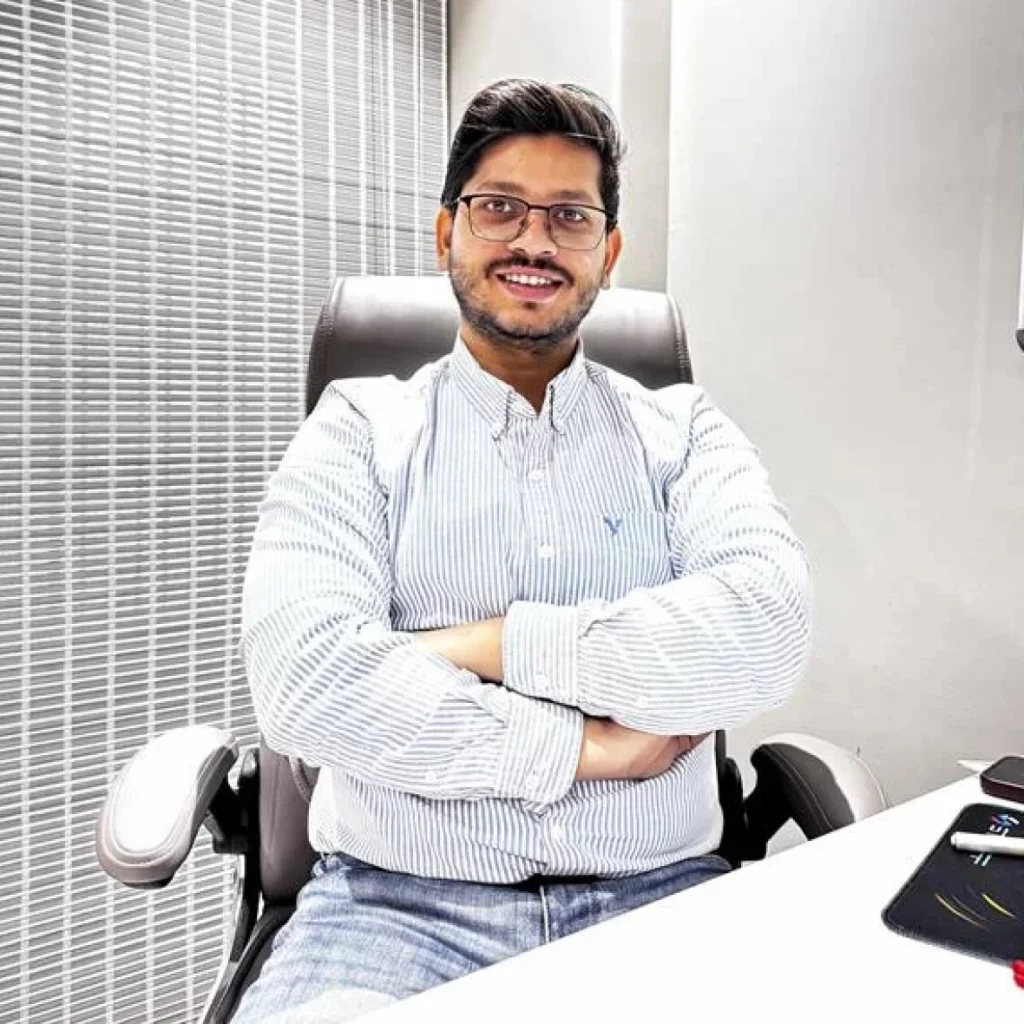

Dr. Divakar Kumar
Sports Rehabilitation, Sports Injury Management, Musculoskeletal Rehabilitation, Performance Enhancement, Strength & Conditioning
Book Appointment
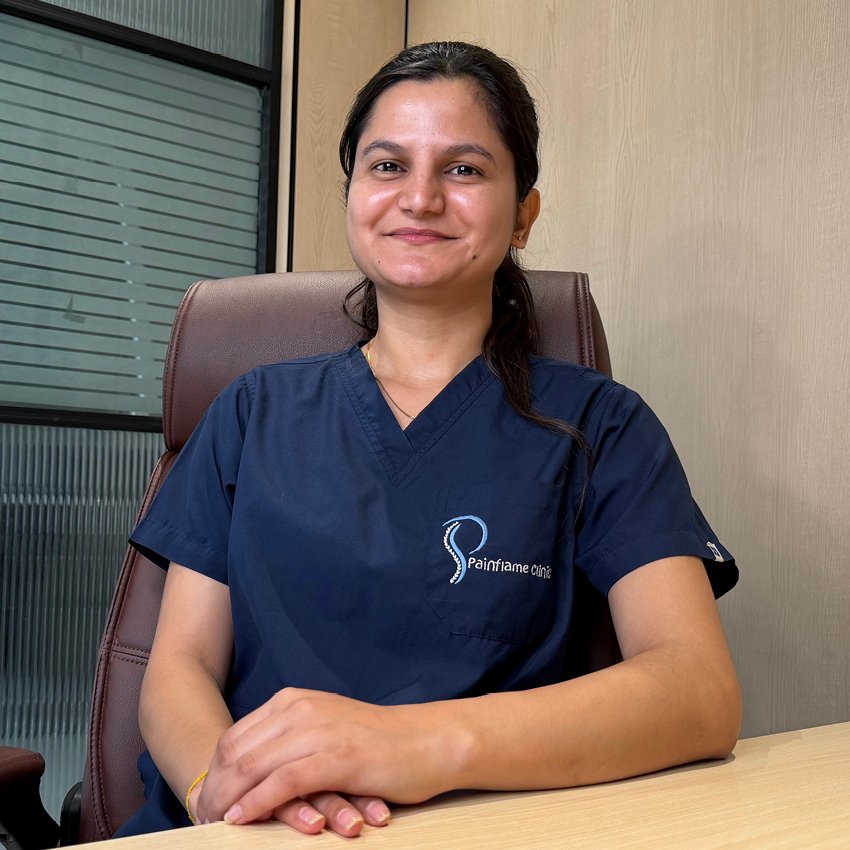
Dr. Jaya Sharma
Pilates Expert | Musculoskeletal Rehabilitation, Sports & Pelvic Floor Specialist
Book Appointment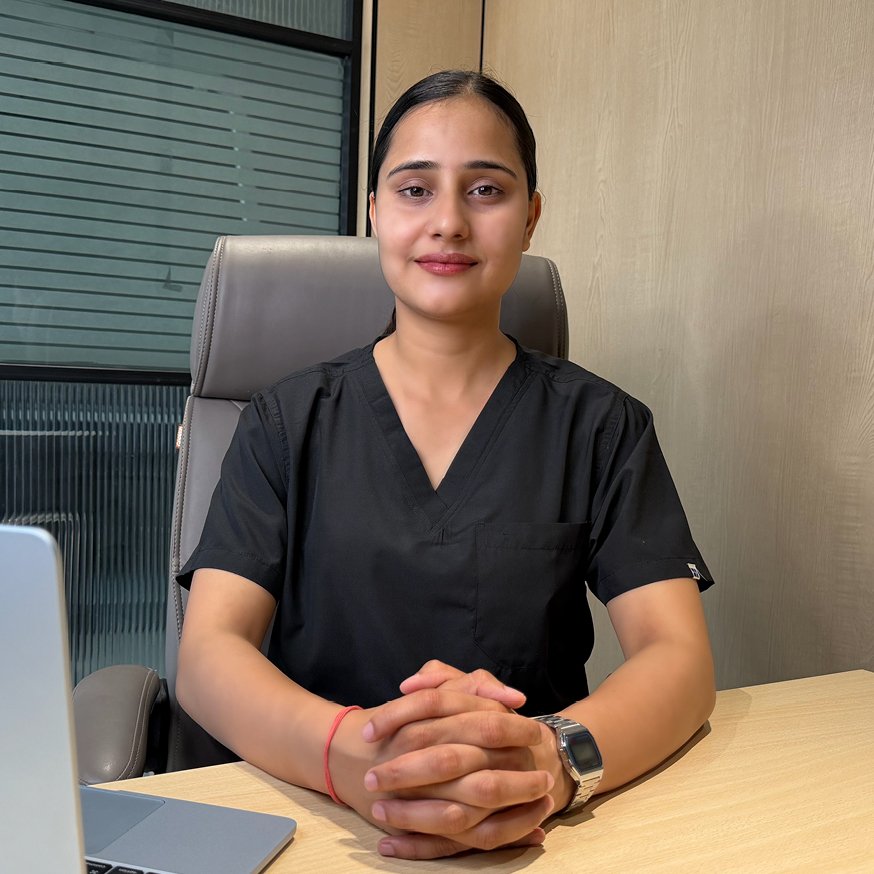
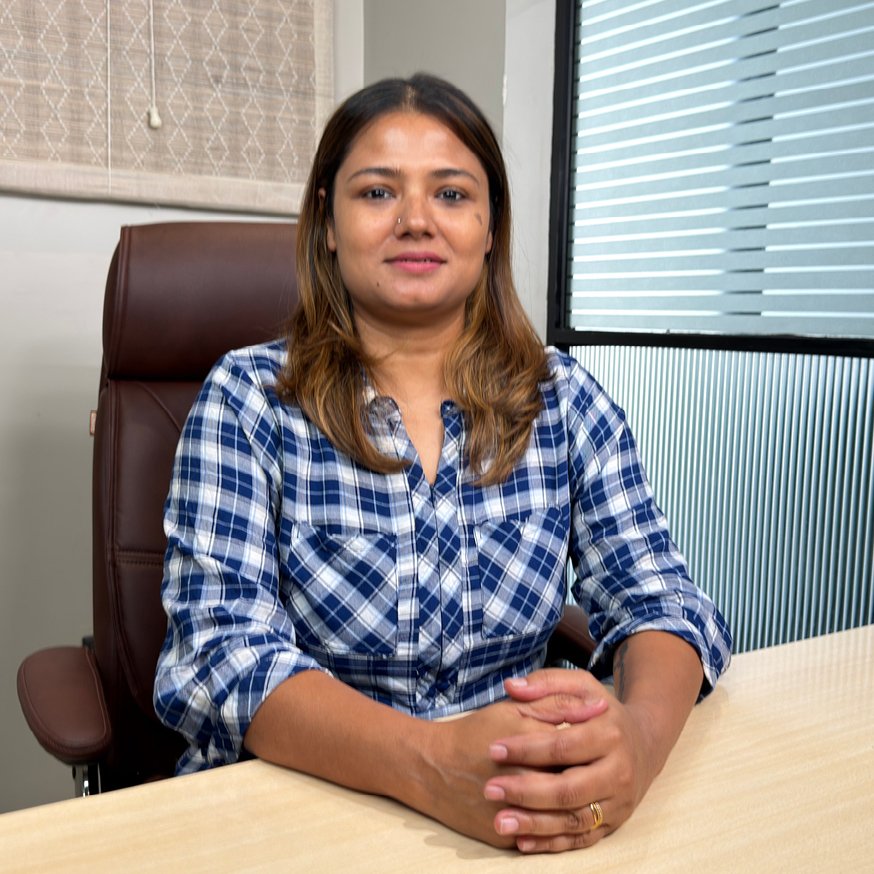
Dr. Priyanka Bhuyan
Tailbone (Coccyx) Treatment, Chiropractic Care, Spine & Joint Rehabilitation
Book Appointment
Dr. Saksham Kapoor
Sports Physiotherapy, Musculoskeletal Rehabilitation, Pain Management, Injury Prevention & Recovery
Book AppointmentLatest Blogs
Neck Stiffness: कारण और 5 मिनट की एक्सरसाइज से राहत
गर्दन की अकड़न (Neck Stiffness): कारण और 5 मिनट की एक्सरसाइज से राहत क्या सुबह उठते…
Read More
Navel Displacement: लक्षण, पहचान और उपचार
क्या आपको अक्सर पेट में अनजान दर्द रहता है? क्या खाने के बाद ब्लोटिंग, गैस या…
Read MoreCore Strengthening Exercise जो कमर दर्द को जड़ से खत्म करे
क्या लंबे समय बैठने के बाद कमर दर्द होने लगता है? क्या सुबह उठते ही पीठ…
Read More