

Parkinson’s Disease Treatment
Improve Movement, Balance & Quality of Life with expert Parkinson’s Disease treatment focused on mobility training, strength, coordination, and functional independence.
 6,200+ Reviews Trusted by thousands.
Recommended by experts.
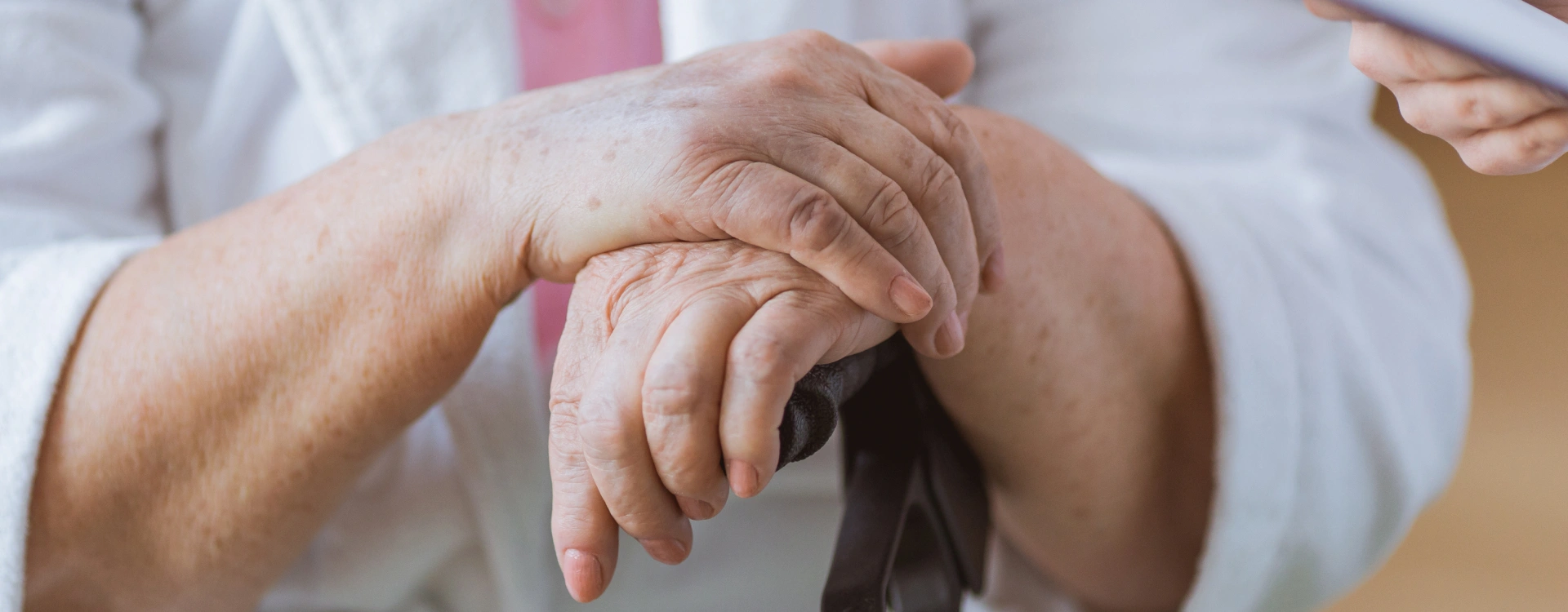
Parkinson’s Disease Rehabilitation: Regaining Your Confidence While Moving
A hand that trembles slightly when it’s resting, a walk that has become a little slower and a little stiffer, and handwriting that has gotten gradually smaller and harder to read without any obvious injury are a few of the symptoms that are usually dismissed at first. And this is the reason why Parkinson’s disease is mostly diagnosed later than the symptoms actually began. Parkinson’s disease rehabilitation genuinely offers meaningful and evidence-based support with balance, movement, and daily independence for many years. This is the real and most valuable thing for people.
Understanding Parkinson’s Disease
It happens when the cells of the brain that produce dopamine (an important chemical messenger for smooth and coordinated movement) gradually die. This results in a drop in dopamine levels, and the brain’s ability to properly plan and execute movements becomes less efficient. This is the core reason behind the hallmark symptoms of this condition, like tremor, muscle stiffness, slower movements, and consistent problems with posture and balance.
Parkinson’s disease is a progressive condition as its symptoms usually continue to develop over time, though the pace and pattern of that progression vary from one person to another.
Why It Happens
The exact reason behind dying dopamine-producing cells is not entirely understood yet. This is an honest gap in the current medical knowledge. But researchers point to a likely combination of factors, like genetic predisposition, that plays a role in some cases, especially when parkinson’s develops at a younger age. Environmental exposure and general ageing-related changes may also contribute in some cases. In the majority of people who are diagnosed with this condition, a single clear cause is not identified.
Common Symptoms
The main movement-related symptoms include tremor, which is most noticeable in a hand at rest and eases with deliberate movement. Other symptoms include rigidity and stiffness in muscles, which makes every movement more effortful than before. It ends up affecting everything from facial expressiveness to walking pace to the size of handwriting. Posture and balance-related changes appear in the later stages, which eventually increase the risk of falls during quick turns or while navigating tight spaces.
Some people experience symptoms that have nothing to do with motor functions, like sleep disturbances, changes in sense of smell, and mood swings.
Who’s More Likely to Develop It
Among all the risk factors, age has been found to be the strongest one. Parkinson’s disease is diagnosed mostly in people after 60. Though the reasons are not entirely clear, men have been found more likely to develop this condition as compared to women. If there is a close family member with this condition, it can modestly increase the risk, especially when the condition developed at a younger age in the relative. A few studies have pointed to exposure to certain industrial chemicals and pesticides as a potential risk factor, but it is an active area of ongoing research, not a settled fact.
When to Seek Prompt Medical Attention
Parkinson’s symptoms develop gradually, but there are a few things worth flagging to a neurologist, which include:
- A noticeable increase in how often one falls during daily activities
- A sudden or considerable worsening of stiffness and immobility, especially when it comes with fever or signs of infection.
- Persistent low mood, loss of interest in daily life, and anxiety
- Involuntary jerky movements
How the Diagnosis Is Made
No blood test or scan can confirm Parkinson’s. Diagnosis is mostly clinical, which takes a detailed look into the history and a physical examination to find the characteristic movement patterns. During this process, doctors often check how the symptoms respond to a trial of Parkinson’s medication. If there is a meaningful improvement with dopamine-based treatment, it simply supports the diagnosis. Brain imaging is also used sometimes, which is generally not to confirm Parkinson’s disease but to rule out other conditions that may cause these symptoms. The diagnosis is a bit of a long process because there is no single confirmatory test for different individuals.
How Physiotherapy Helps
Physiotherapy works in a way that goes beyond general exercise, and this is the reason that makes this approach suitable for the condition.
The central idea of training here is to focus on a larger amplitude than the natural movement. In simpler terms, Parkinson’s gradually makes the movements smaller and slower. Since this is a slow process, people don’t completely realise it happening. A structured practice deliberately emphasizes big and exaggerated movements in reaching, walking, writing, or even speech. This approach has shown benefits in research, and it plays an important role in recalibrating the internal sense of the patient regarding what a normal-sized movement looks like.
Physiotherapy also addresses the freezing of gait, i.e., the sudden and temporary inability to take a step forward when the person is clearly intending to. This is found in a large number of people, especially when the condition progresses and it becomes a significant cause of falls. Use of external cues, a rhythmic beat to walk to, a visual line on the floor to step over, or a particular verbal count helps in bypassing the disrupted movement pathways.
In addition, the physiotherapeutic approach utilizes the power of regular exercises, which do much more than just maintain fitness during Parkinson’s disease. Regular exercise may help in protecting the remaining dopamine-producing cells and support the ability of the brain to form new connections. Though the exercise can’t be termed as a cure or something that stops the underlying disease process, it has been found to be meaningful in supporting brain health.
Parkinson’s Disease Rehabilitation at Painflame
At Painflame Clinic, we start rehabilitation by properly understanding where you are in your Parkinson’s journey, the symptoms that are affecting your daily life the most, and what is more important to you, like walking confidently, reducing the risk of falls, or maintaining your ability to manage everyday tasks. We make a tailored plan based on these details that combines large-amplitude movement retraining for voice and the body, gait training including cueing strategies that help in managing freezing issues, along with balance-focused work that is aimed at reducing the risk of falls. Fine motor and hand exercises are incorporated for those who struggle with daily actions like handwriting and buttoning a shirt.
We bring our consistent and effective care to your home through our home physiotherapy treatment. This extended care matters significantly because of the way benefits depend on regular and sustained engagement rather than occasional sessions.
What to Realistically Expect
Expectations need to be accurate and backed by results. Physiotherapy doesn’t reverse Parkinson’s or stop its progress on its own. But consistent rehabilitation, especially when it starts early, helps people move more efficiently, reduces the risk of falls, and lets them maintain independence in their daily activities for longer than they would without it.
Progress needs to be measured a bit differently here. The success of a rehabilitation is defined by its ability to help individuals maintain current functions and slow down the decline. In some people whose rehabilitation starts during the initial stage of the condition, meaningful gains are achieved in areas like walking speed and balance confidence.
Can Parkinson’s Disease Be Prevented
Currently, there is no proven way to prevent Parkinson’s disease. And this is because the exact reasons behind it in most cases are not entirely understood. As a result, no single lifestyle change can be said to reduce the risk of having it in the future. But research has pointed to some associations that are worth knowing. Regular physical exercise may lower the risk of developing this condition, along with reduced exposure to certain pesticides and industrial chemicals.
Frequently Asked Questions
When should I start physiotherapy after a diagnosis of Parkinson’s disease?
Generally, you should go for it as early as possible. Research suggests that getting started with structured exercise and movement therapy pretty early supports better long-term outcomes as compared to waiting until the symptoms start to limit daily functions.
Can my Parkinson’s disease be cured?
Currently, there is no cure for this disease. But medication and rehabilitation can meaningfully manage the symptoms and support an enhanced quality of life.
Does exercise make a measurable difference, or is it just general advice?
There is genuine research support behind the effectiveness of exercise. Regular exercise may help to protect the remaining dopamine-producing cells in the brain, and it also supports new neural connections.
Patient Feedback & Success Stories
Treatments
Our Services
Our doctors
Meet more Painflame specialists






Dr. Divakar Kumar
Sports Rehabilitation, Sports Injury Management, Musculoskeletal Rehabilitation, Performance Enhancement, Strength & Conditioning
Book Appointment
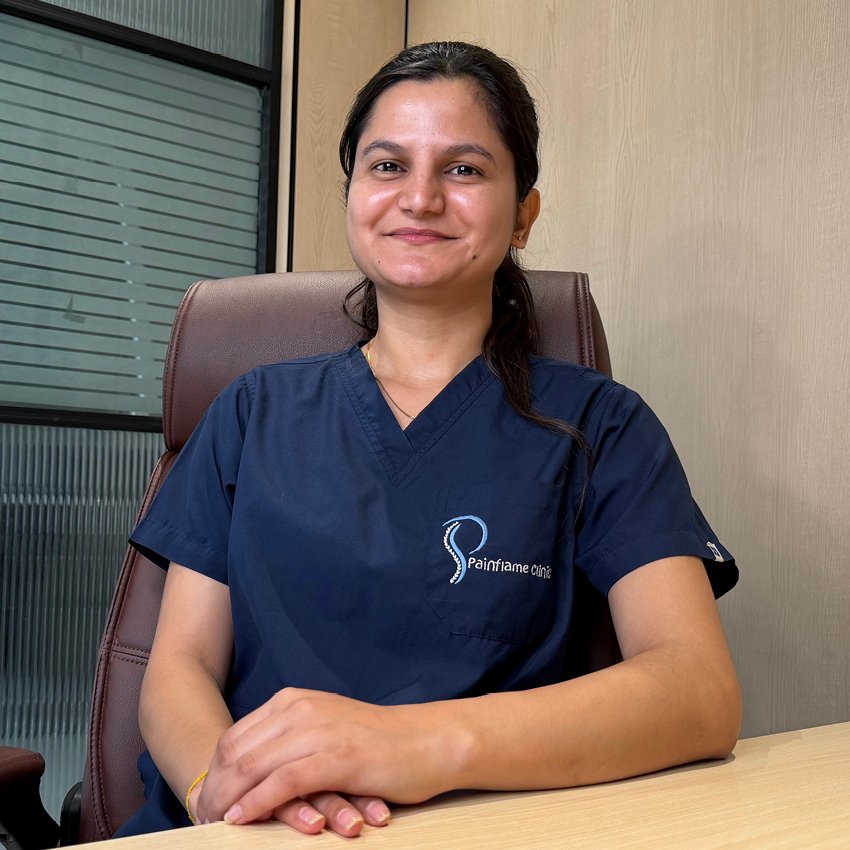
Dr. Jaya Sharma
Pilates Expert | Musculoskeletal Rehabilitation, Sports & Pelvic Floor Specialist
Book Appointment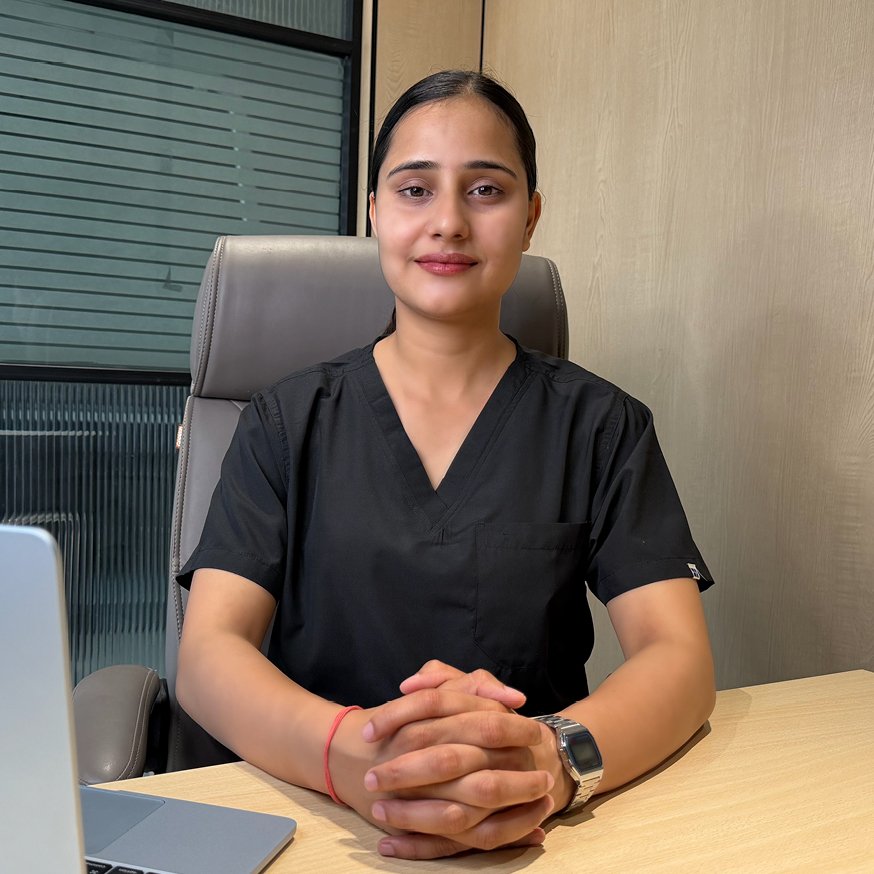

Dr. Priyanka Bhuyan
Tailbone (Coccyx) Treatment, Chiropractic Care, Spine & Joint Rehabilitation
Book Appointment
Dr. Saksham Kapoor
Sports Physiotherapy, Musculoskeletal Rehabilitation, Pain Management, Injury Prevention & Recovery
Book AppointmentLatest Blogs
Neck Stiffness: कारण और 5 मिनट की एक्सरसाइज से राहत
गर्दन की अकड़न (Neck Stiffness): कारण और 5 मिनट की एक्सरसाइज से राहत क्या सुबह उठते…
Read More
Navel Displacement: लक्षण, पहचान और उपचार
क्या आपको अक्सर पेट में अनजान दर्द रहता है? क्या खाने के बाद ब्लोटिंग, गैस या…
Read MoreCore Strengthening Exercise जो कमर दर्द को जड़ से खत्म करे
क्या लंबे समय बैठने के बाद कमर दर्द होने लगता है? क्या सुबह उठते ही पीठ…
Read More