Scoliosis Treatment
Find expert treatment for scoliosis at Painflame Clinic. Innovative physiotherapy and customised exercises for rehabilitation and non-surgical spinal treatment by experts.
 6,200+ Reviews Trusted by thousands.
Recommended by experts.
Scoliosis Treatment
Find advanced non-surgical scoliosis treatments with Painflame Clinic. Our expert physiotherapy, custom structural rehabilitation, and posture correction programs relieve spinal pain, stabilize curve progression, and manage your spine’s natural alignment.
What is Scoliosis?
The human spine has natural curves which run from the front to the back, which allow for flexibility in movement, shock absorption and an even balance in weight distribution. When the spine exhibits an abnormal lateral curvature, and often resembles the shape of an “S” or a “C” form, the condition is known as Scoliosis.
To receive a clinical diagnosis of scoliosis, the spinal curve must measure greater than 10 degrees on a standing X-ray (a measurement known as the Cobb angle). Although a slight spinal bend may seem insignificant at first, scoliosis is actually a three-dimensional spinal deformity. It does not simply bend the spine sideways; it also causes rotational twisting, pulling adjacent muscles and the rib cage out of alignment.
In adults and adolescents, Scoliosis can cause chronic muscular imbalances, asymmetry in hip and shoulder height and localized back discomfort. If left untreated, serious progression could affect lung capacity and the overall endurance of your body. The need for early treatment for scoliosis, and a specialised evaluation, is essential to manage the condition efficiently, reducing symptoms and also manage the spinal deformity from worsening over time.
Common Causes of Scoliosis
Scoliosis is a complicated spinal condition which can be caused by a variety of developmental and mechanical factors. Knowing the cause of the problem is crucial to devise the most effective Physical therapy for scoliosis.
- Idiopathic Scoliosis: The most common form, accounting for 80% to 85% of all cases. “Idiopathic” means the exact cause is unknown, though genetics plays a significant role.
- Congenital Scoliosis: This form occurs at birth and is caused by the vertebrae of the spine not forming correctly or separating properly in the development of a fetus.
- Neuromuscular Scoliosis: It is caused by medical conditions which affect nerves and muscles responsible for spinal support, such as cerebral palsy, muscular dystrophy or spina bifida.
- Degenerative Scoliosis: The condition occurs later in life because of the slow degeneration of the discs, joints, and ligaments. The spinal structure becomes weaker and unevenly weakened; the spinal column may begin to tilt, and then curve inwards.
- Postural and Functional Strains: Non-structural strains, relative to muscular spasms, compensatory imbalances, or unequal leg lengths.
Symptoms of Scoliosis
The symptoms of Scoliosis can be subtle, ranging from postural adjustments to chronic physical pain. Being aware of these symptoms early can allow for prompt Scoliosis pain relief and corrective treatment.
- Uneven Shoulders or Blades: One shoulder blade could appear to be significantly higher or more protruding in comparison to the opposite.
- Asymmetrical Hips and Waistline: One hip may stand higher or look more prominent, causing clothes to hang in a different way.
- Visible spinal curvature: The appearance of an “S” or “C” variation visible in the midline of the back, with a particular emphasis on bending to the side.
- Chronic Back Pain and Stiffness: Ache in the back, localised strain, or deep stiffness of the spine, ribs, or lower back.
- An uneven Rib Cage (Rib Hump): Due to vertebral rotation and bending, the ribs on one side of the body could be pushed outwards more when bent over.
- Reduced range of motion: Difficulty twisting, stretching, or bending the torso uniformly in both directions.
- Gait Asymmetry: The appearance of a limp or uneven stride length due to pelvic misalignment or leg length discrepancies.
When Should You Seek Treatment?
- Changes in your shoulder posture, or the height of your hips.
- Chronic back pain that gets worse during prolonged standing, sitting or other physical activities.
- Increased muscular stiffness or fatigue in one part of the back.
- Tingling, pain or numbness that travels through your legs and through your hips.
- Signs of postural deterioration and changes to breathing in daily life.
Diagnosis of Scoliosis
At Painflame Clinic, an accurate diagnosis is the foundation of the success of non-surgical care. We employ a complete evaluation process that helps us understand the specific curvature of your spine.
- Physical assessment: A detailed evaluation of the overall alignment of your spine to identify structural discordances, muscle imbalances and joint limitations.
- Adam’s Forward Bend examination: A typical clinical examination in which the patient is able to bend forward at the waist. It shows any rotating rib bumps and imbalance of paraspinal muscles.
- Posture Assessment: Manual and digital assessment of your standing posture. This will tell you about pelvic tilts, shoulder asymmetry, forward head shifts.
- Mobility and Flexibility Tests: Test the flexibility of the spine curvature to see if it is structural (fixed) or functional (flexible).
- Image Referral (X-ray/MRI): The exact Cobb angle is calculated from standard full-spine X-rays taken from a standing position. If soft tissue / nerve compression issues are detected, an MRI may be recommended.
Scoliosis Treatment at Painflame Clinic
At Painflame Clinic, we specialise in non-surgical treatment for scoliosis that is designed to ease discomfort, stabilise the spine, and restore proper functional mechanics. The approach we employ combines specific treatments for the spine to create an incredibly strong, well-aligned and flexible body.
Physiotherapy for Scoliosis
Physical therapy is essential to controlling the symptoms of scoliosis and stopping the progression of the curve. Our tailored protocols are aimed at stretching hypertonic, tight muscles on the concave side of the curve and strengthening weak, stretched muscles on the convex side. The treatment targets structures along the column of the spine.
Manual Therapy
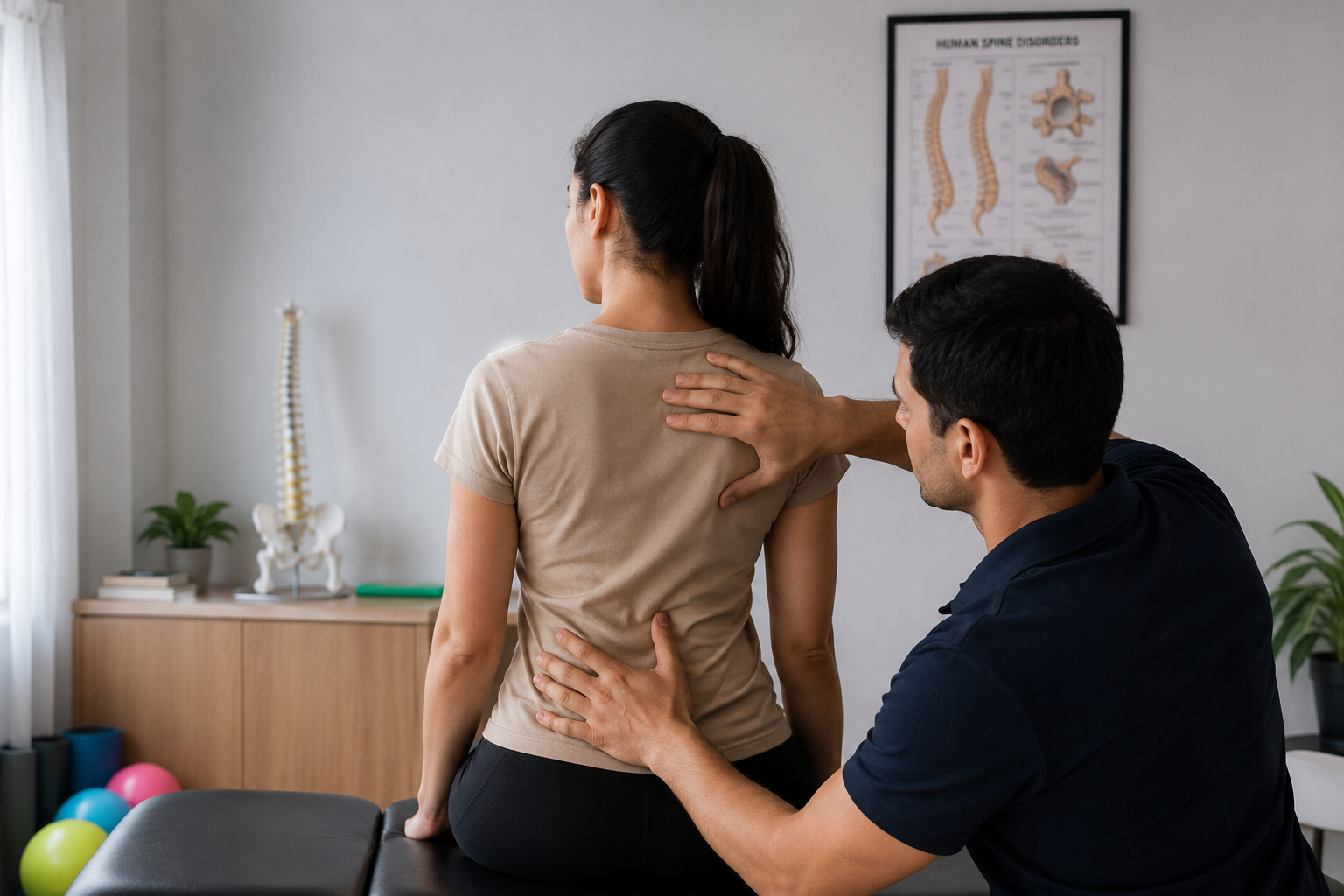
Our physical therapists employ the most modern manual techniques to increase the joint’s mobility and ease tissue tension. This involves:
- Special Spinal Mobilisation: The joint is softly glided to give motion back to stiff, immovable vertebral segments.
- Myofascial release (MFR): Deep-tissue techniques aimed at releasing the tight fascia that prevents the spine from being straightened from the curved posture and the pain-inducing trigger point.
Electrotherapy
- TENS and Interferential Therapy (IFT): Utilise gentle electrical currents that stop pain signals and relax the inflamed paraspinal nerves.
- Extracorporeal Shockwave Therapy (ESWT): Stimulates the repair of cells in a local area and loosens the muscle bands that have been tight for a long time.
- Laser Therapy: Light energy that is non-invasive and reduces inflammation of the deep tissues and speeds up the healing process.
Rehabilitation Exercises
- The Core and Paraspinal Strengthening: Building a strong muscle corset that wraps around the abdomen and lower back to strengthen the spine.
- 3D De-rotation Exercises: Specific movements that are designed to stop the twisting in three dimensions of the vertebrae.
- Asymmetric Elongation and Breathing: Breathing techniques that increase the size of the rib cage, expanding lung capacity to the maximum, and thoracic mobility.
Ergonomic & Posture Correction
The benefits of a successful rehabilitation program extend beyond our clinic. Our patients are taught how to be efficient all day long:
- Custom Workstation Modifications: Adjusting the desk, the height of chairs and screens to prevent asymmetrical slouching and neck strain.
- BodyMechanics Training: Instruction on the correct lifts, sleeping positions and sitting postures to minimise unbalanced stress to your spinal joints.
Frequently Asked Questions
What's the most effective treatment for the condition of scoliosis?
For moderate to mild cases, a nonsurgical treatment consisting of scoliosis physiotherapy and manual therapy, and targeted core exercises is the most efficient strategy.
Do physiotherapy treatments help with the scoliosis?
Yes. Although it cannot completely reverse a structural curve in a mature skeleton, the specialised physiotherapy helps balance supporting muscles, relieves chronic pain and enhances posture.
How long will the recovery from scoliosis take?
The majority of patients experience a marked decrease in pain and an improvement in posture by 6 to 12 weeks. But it is necessary to do exercises at home to keep the equilibrium of the spine.
Can scoliosis be treated without surgery?
Yes. Most cases are effectively treated with no surgical intervention by focusing on muscular rehabilitation, core strength and joint mobility in order for pain relief.
Why does scoliosis cause pain, even without an injury specific to it?
The spine curve causes muscles to work overtime to ensure your body is upright. This continuous, unbalanced strain results in chronic fatigue of muscles and joint pain.
Patient Feedback & Success Stories
Treatments
Our Services
Our doctors
Meet more Painflame specialists

Dr. Divakar Kumar
Sports Rehabilitation, Sports Injury Management, Musculoskeletal Rehabilitation, Performance Enhancement, Strength & Conditioning
Book Appointment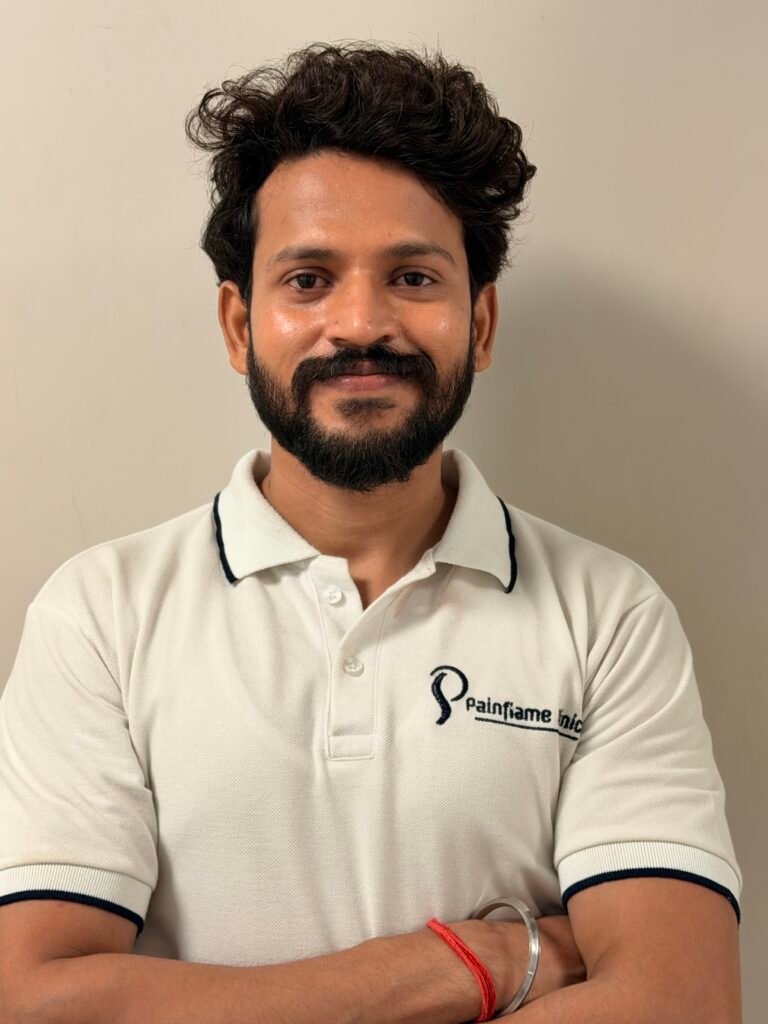
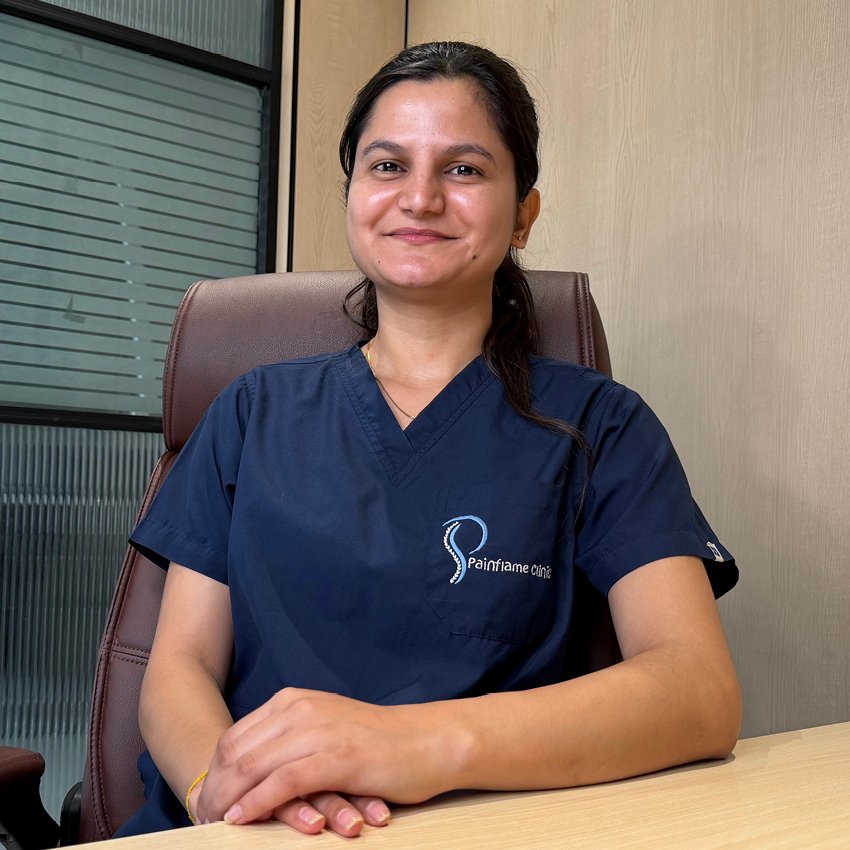
Dr. Jaya Sharma
Pilates Expert | Musculoskeletal Rehabilitation, Sports & Pelvic Floor Specialist
Book Appointment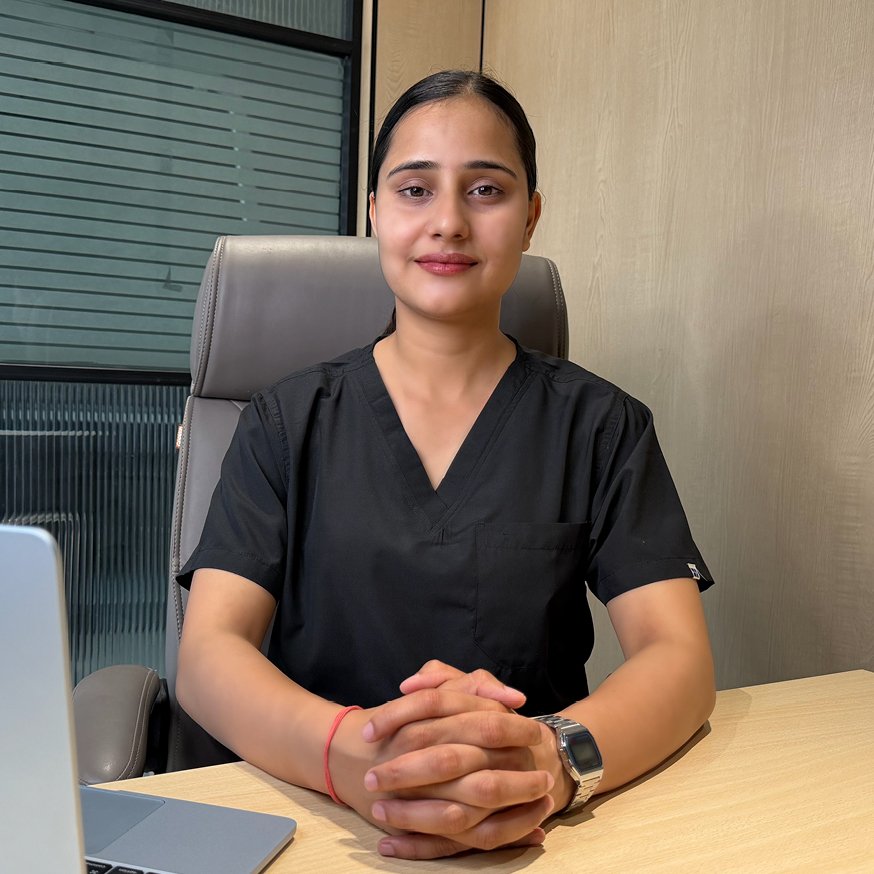
Dr. Priyanka Bhuyan
Tailbone (Coccyx) Treatment, Chiropractic Care, Spine & Joint Rehabilitation
Book Appointment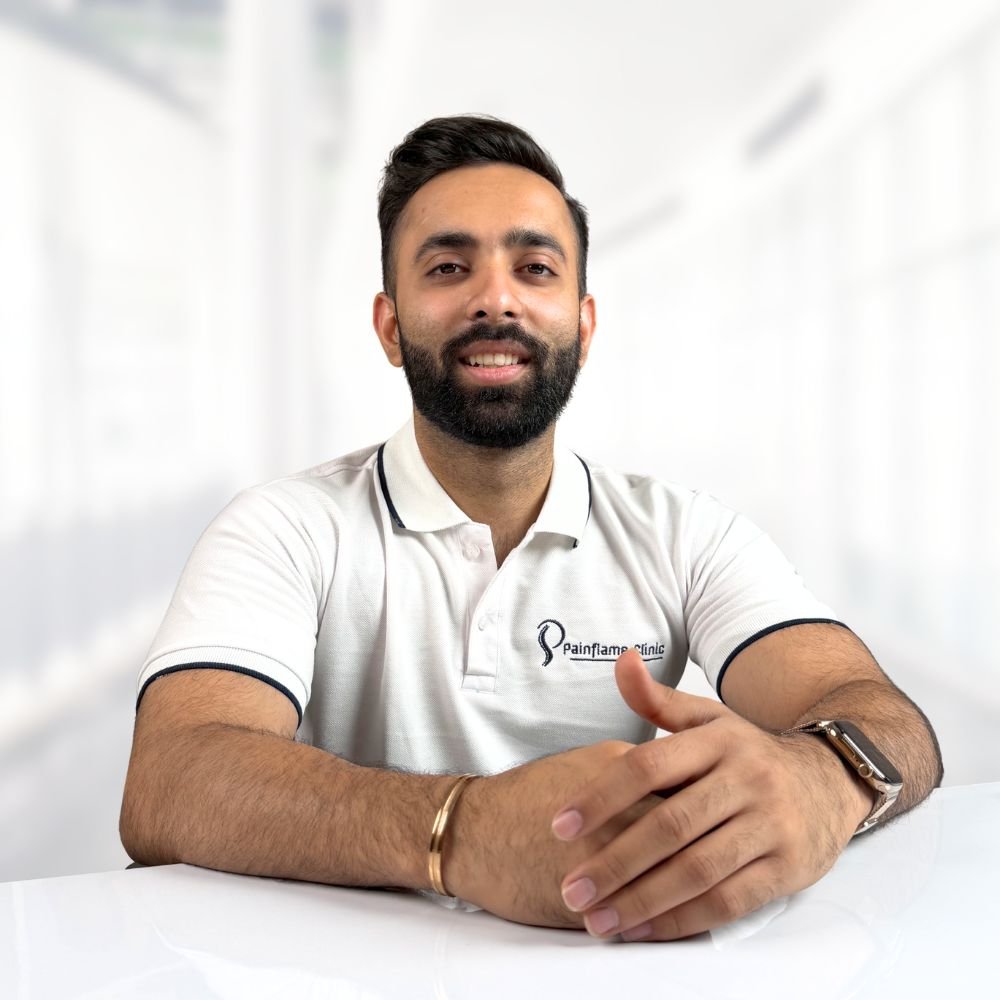
Dr. Saksham Kapoor
Sports Physiotherapy, Musculoskeletal Rehabilitation, Pain Management, Injury Prevention & Recovery
Book AppointmentLatest Blogs
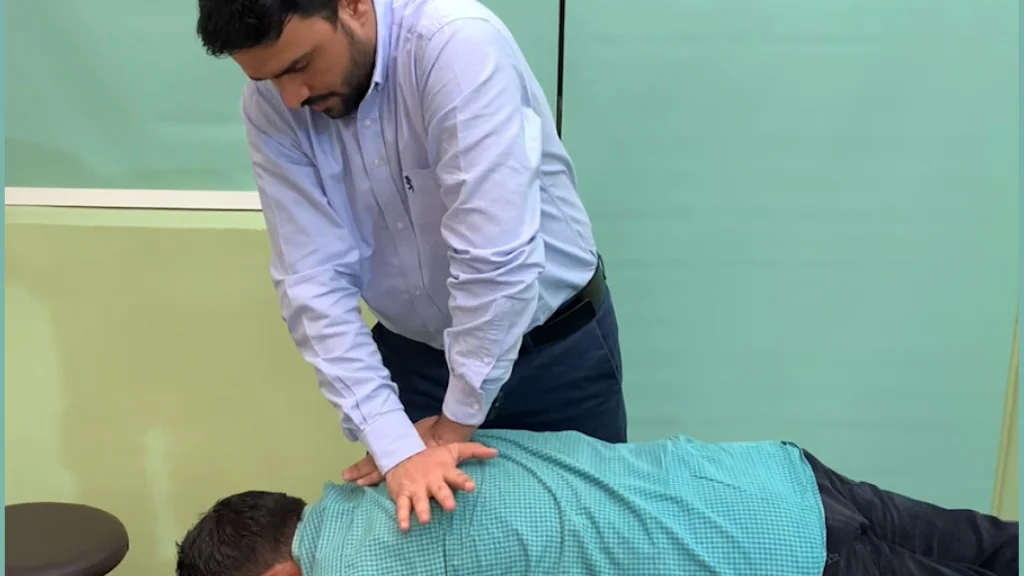
Tired of Back Pain? Here’s What Your Spine Is Actually Trying to Tell You
Most lower back pain comes down to daily habits — long hours hunched at a desk,…
Read More
Don’t Ignore Neck Pain: 4 Signs It’s More Than Muscle Strain
Most neck pain comes from poor posture, stress, or a bad pillow, and eases within a…
Read More
Why Thousands in Gurgaon Are Skipping the Clinic for Home Physiotherapy?
If you’re managing back pain, recovering from surgery, or dealing with chronic joint stiffness in Gurgaon,…
Read More