

Cervical Spondylosis Treatment
Looking for the best cervical spondylosis treatment? Our spine specialists provide evidence-based physiotherapy, posture correction and non-surgical rehabilitation to reduce neck pain, stiffness and nerve compression.
 6,200+ Reviews Trusted by thousands.
Recommended by experts.
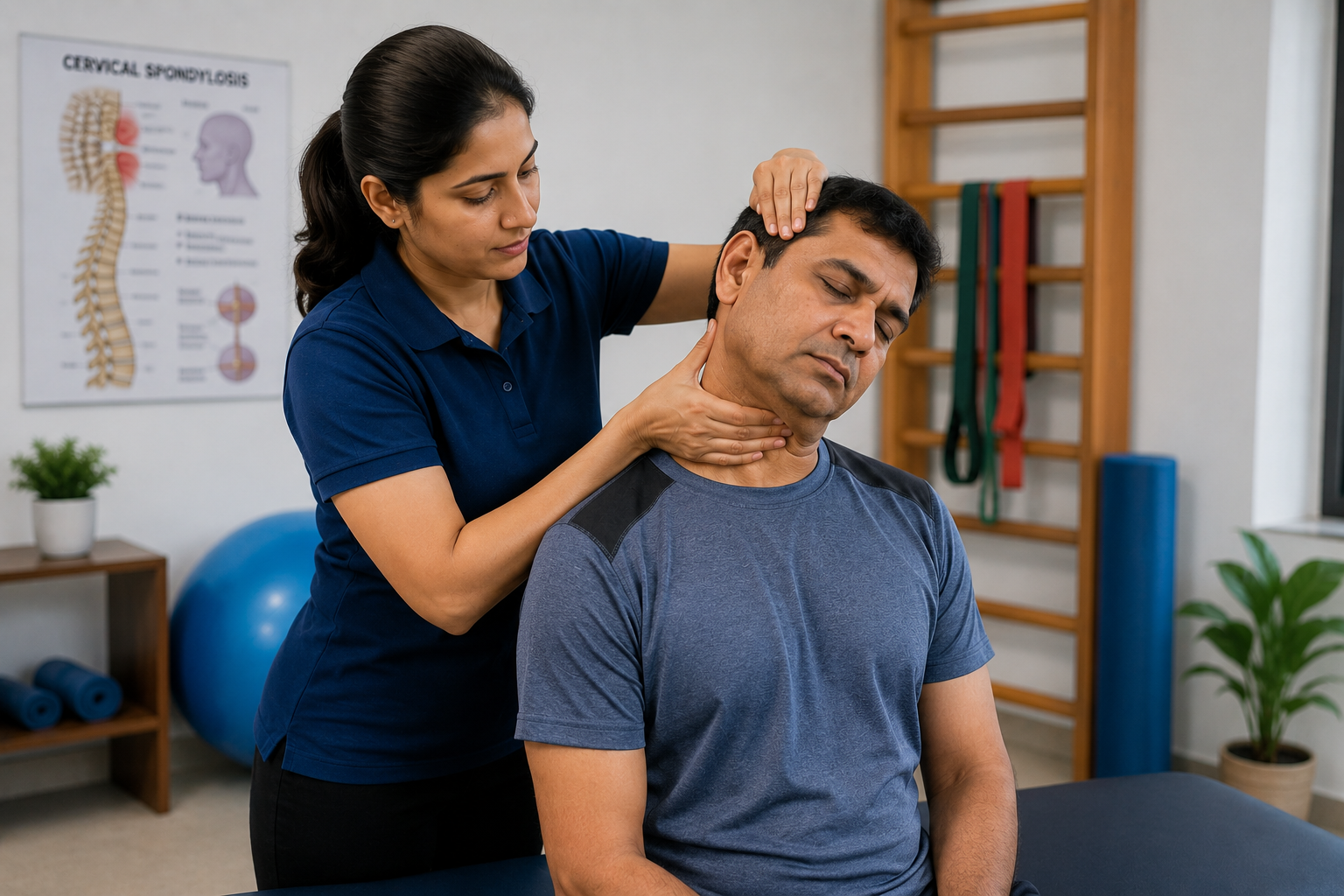
Cervical Spondylosis Treatment: Real and Long-Lasting Relief
You don’t have to live with neck pain every day. We at Painflame Clinic have evolved custom non-surgical therapy treatment for cervical spondylosis. We want to help you be pain-free by reducing stiffness and renewing your natural movement.
Understanding Cervical Spondylosis
If you’ve been experiencing a nagging tightness or discomfort in your neck, you may be suffering from cervical spondylosis. In simple terms, cervical spondylosis is a medical term for normal ageing of the joints, bones, and the discs that cushion the neck (the cervical spine).
Imagine your discs in the spinal region as tiny, fluid-filled cushions that sit between the bones of your neck. As time goes on, these cushions might dry out or flatten, allowing the bones to move closer together. This sounds alarming, yet it is quite a common problem. If you don’t take care of it, it will result in constant pain and discomfort that can reverberate into your daily routine. It can make everything from driving a car to typing at your computer a nightmare. Finding it earlier by focusing on physiotherapy for cervical spondylosis can help reduce mechanical strain and stress on the cervical joints, while making your neck more flexible and your nerves pain-free.
Why Does Cervical Spondylosis Happen?
Although age is one of the biggest causes, a combination of daily habits and physical strains may increase the wear on your neck.
- The natural ageing process: Over time, the cartilage and joints of the spine lose their flexibility.
- Dehydrated Spinal Discs: By the time you reach your 40s, the cushion-like gels between the vertebrae in your neck begin to dry out, losing their ability to absorb shock.
- Herniated or Bulging Discs: Small fissures may form in the outer portion of a disc. This causes the soft inner core of the disc to bulge outwards, pressing on adjacent nerves.
- Bone spurs (osteophytes): As discs shrink, the body may try to reinforce the area by building new pieces of bone, but those little bumps can pinch nerves.
- Ligaments stiffen: The ligaments that link the bones in your neck can get stiffer over time. This can make it tougher to turn your head.
- Current Posture Strains (Text Neck): Spending hours leaning forward with your head hanging over tablets, laptops or phones can place tremendous stress on your cervical spine.
- Repetitive Overhead Motions: Jobs or hobbies that require gazing up at the ceiling regularly, or making repetitive overhead motions.
- Old neck injuries: A whiplash or neck injury from many years ago, even a mild one, might speed up the degradation of the joints in the later course.
- Accidents during exercise and lifting: Lifting big weights, poor technique on heavy overhead presses, lifting heavy weights while not stabilising the neck muscles.
Symptoms & Signs of Cervical Spondylosis You Must Know
The symptoms of Cervical spondylosis might be as modest as background pain or severe radiating pain. Some of the most frequent symptoms include:
- Stubborn neck stiffness that feels worse first thing in the morning or after sitting down for an extended period of time.
- An ache that gets worse as you raise your head, or gaze at your shoulder.
- A tingling sensation that radiates outward to your arms, shoulders or fingers.
- A noticeable loss of grip strength or sensation of weakness in your hands and arms.
- A popping, clicking or grinding noise (crepitus) as you turn your neck.
- Headaches with tension that begin right at the base of your skull. They then progress upwards towards the forehead.
- Unsteadiness or dizziness occasionally as you move your head rapidly.
Getting to the Root of the Pain
Every spine is different, and that’s why a cookie-cutter approach won’t work. For a thorough assessment of why you are experiencing discomfort, our staff performs an honest and thorough assessment:
- Physical & Functional Examination: We carefully assess the current range of movement and pinpoint the precise places that cause you pain.
- Tests for nerve function: Examine your muscles’ strength, reflexes and sensitivity to touch in the arms to find out whether a nerve has been squeezed.
- Real-World Posture Analysis: We examine your posture when you sit or stand to determine ways that are putting stress on your spine.
- Orthopaedic Assessment: We help you perform precise, gentle movements that help determine which joints or discs have been irritated.
- Advanced Imaging Assistance: If we need more information about the underlying process, we’ll suggest a scan called an X-ray (to examine whether there are bone spurs) or an MRI (to examine discs and nerves).
How We Help You Heal at Painflame Clinic
It’s not necessary to rush into invasive procedures or use a lot of medications in order to get relief. Painflame Clinic specialises in tested non-surgical treatments and help reduce inflammation, improve the neck and improve long-lasting neck strength.
Physiotherapy
Our focus is on calming the spasming, angry neck muscles. In order to improve localised blood circulation, the treatments we offer help reduce inflammation in the deep tissues and activate the body’s healing response.
Manual Therapy
Senior physiotherapists at our clinic use exact hands-on techniques to mobilise your neck. When you carefully move the stiff joints of your neck, we let go of the tension that is locked, relieve the affected areas, and help the head to move freely to move it again.
Advanced Electrotherapy
In cases of severe pain that makes it difficult to rest or work, we employ techniques that are not invasive, like TENS, IFT, or ultrasound therapy. These modern techniques safely interrupt the signals that cause pain and loosen deeply embedded muscle knots without discomfort.
Personalised Rehabilitation Exercises
When the most severe discomfort has gone away, we can move to strengthening. The following instructions will help you perform simple and highly efficient exercises that build up your muscles in the neck, and gentle stretching exercises that help keep your cervical spine healthy.
Workplace & Posture Coaching
We’d like you to remain in good health long after finishing your workouts. We’ll walk you through your routine and give you tips for adjusting your computer chair, office chair level, and even how you sleep to keep your neck protected day in and day out.
Frequently Asked Questions
Which is the most effective solution for cervical spondylosis?
A non-surgical combination of specific physiotherapy with targeted exercises for strengthening is extremely efficient.
2. Is physiotherapy a cure for cervical spondylosis?
While physiotherapy cannot reverse the natural, structural ageing of the bones and discs, it is highly successful at eliminating pain and inflammation.
How long until my neck starts to feel better?
Most patients will feel increased mobility and a reduction in discomfort after 4 to 6 weeks. While chronic cases of nerve compression may take a little longer to recover.
Are surgeries required in this case?
No. Over 90 per cent of people get back to normal using only non-surgical treatment. Surgery is generally considered a last resort, reserved only for severe, progressive nerve damage.
Why does my neck hurt even though I haven’t had an injury?
The pain is often gradual from wear and tear and is worsened by poor posture at work. This type of pain can also be due to instability in the muscles of the upper back and by sleeping in awkward positions.
Is there a link between cervical spondylosis and arthritis?
Yes, it’s a type of osteoarthritis in the joints of the neck. It can damage and weaken the discs of the spine over time.
Patient Feedback & Success Stories
Treatments
Our Services
Our doctors
Meet more Painflame specialists




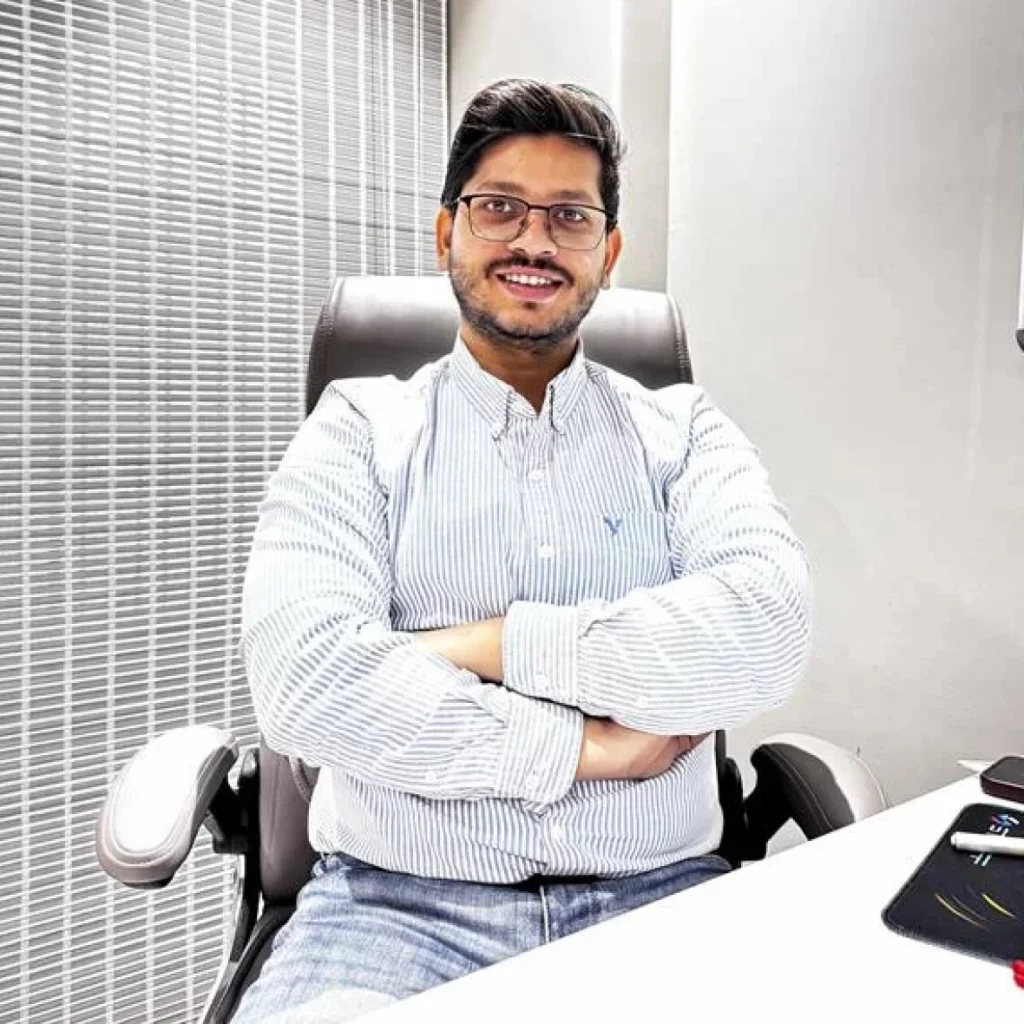

Dr. Divakar Kumar
Sports Rehabilitation, Sports Injury Management, Musculoskeletal Rehabilitation, Performance Enhancement, Strength & Conditioning
Book Appointment
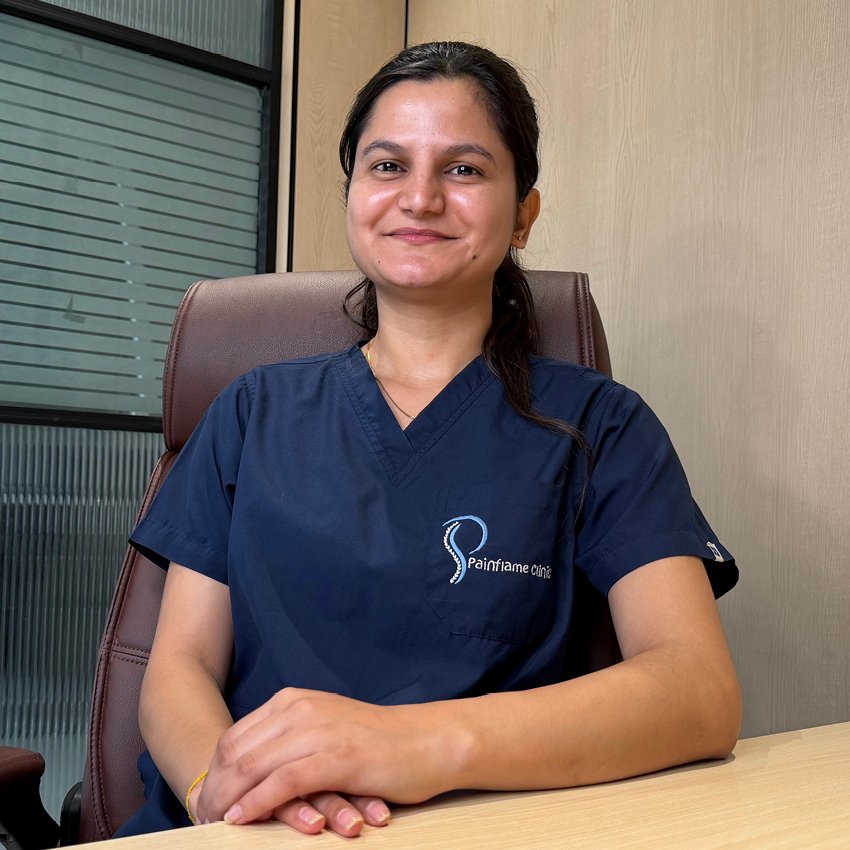
Dr. Jaya Sharma
Pilates Expert | Musculoskeletal Rehabilitation, Sports & Pelvic Floor Specialist
Book Appointment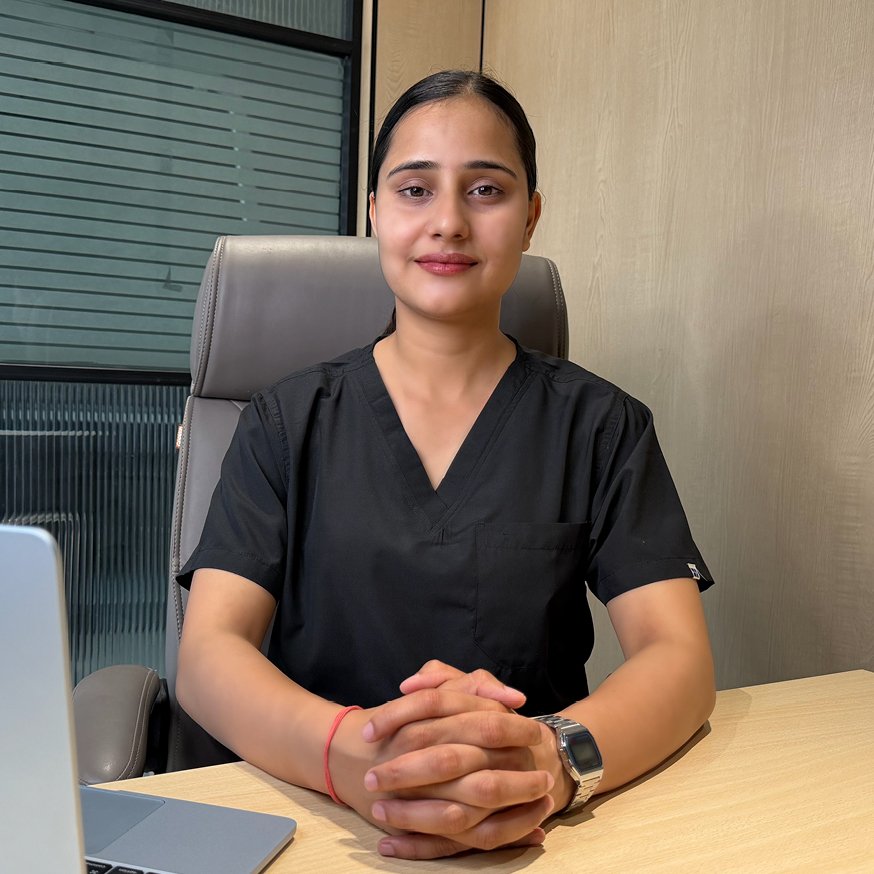
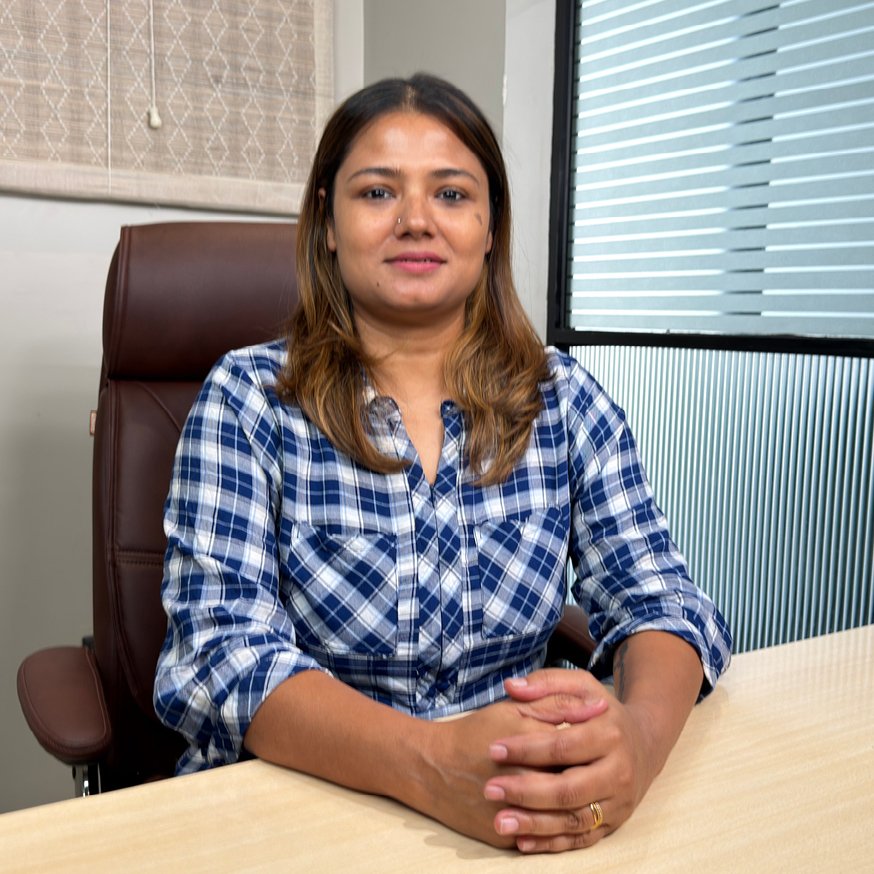
Dr. Priyanka Bhuyan
Tailbone (Coccyx) Treatment, Chiropractic Care, Spine & Joint Rehabilitation
Book Appointment
Dr. Saksham Kapoor
Sports Physiotherapy, Musculoskeletal Rehabilitation, Pain Management, Injury Prevention & Recovery
Book AppointmentLatest Blogs
Neck Stiffness: कारण और 5 मिनट की एक्सरसाइज से राहत
गर्दन की अकड़न (Neck Stiffness): कारण और 5 मिनट की एक्सरसाइज से राहत क्या सुबह उठते…
Read More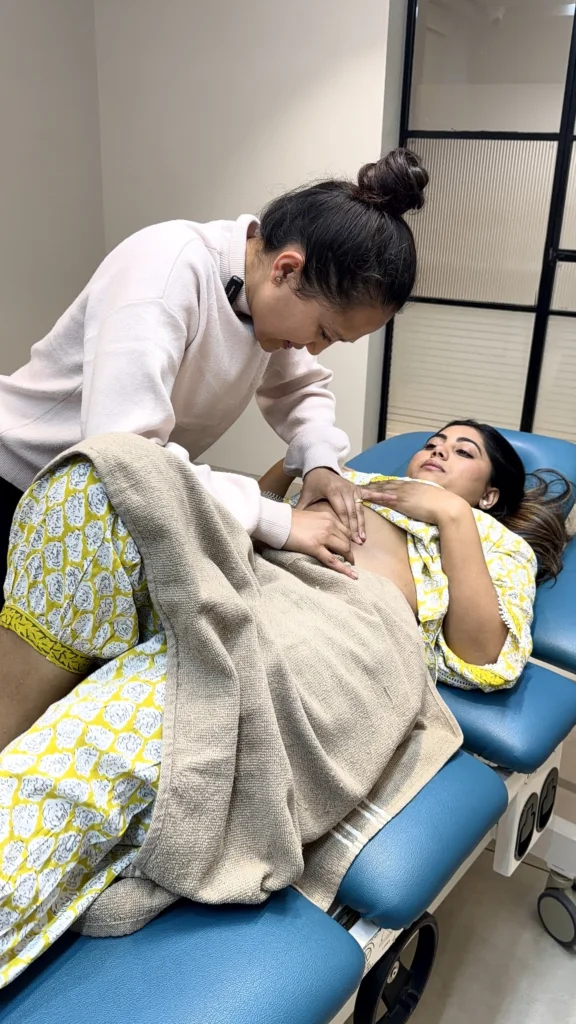
Navel Displacement: लक्षण, पहचान और उपचार
क्या आपको अक्सर पेट में अनजान दर्द रहता है? क्या खाने के बाद ब्लोटिंग, गैस या…
Read MoreCore Strengthening Exercise जो कमर दर्द को जड़ से खत्म करे
क्या लंबे समय बैठने के बाद कमर दर्द होने लगता है? क्या सुबह उठते ही पीठ…
Read More