

Chondromalacia Patella Treatment
Reduce Knee Pain & Improve Joint Function with expert Chondromalacia Patella treatment focused on mobility, strength, alignment, and long-term recovery.
 6,200+ Reviews Trusted by thousands.
Recommended by experts.
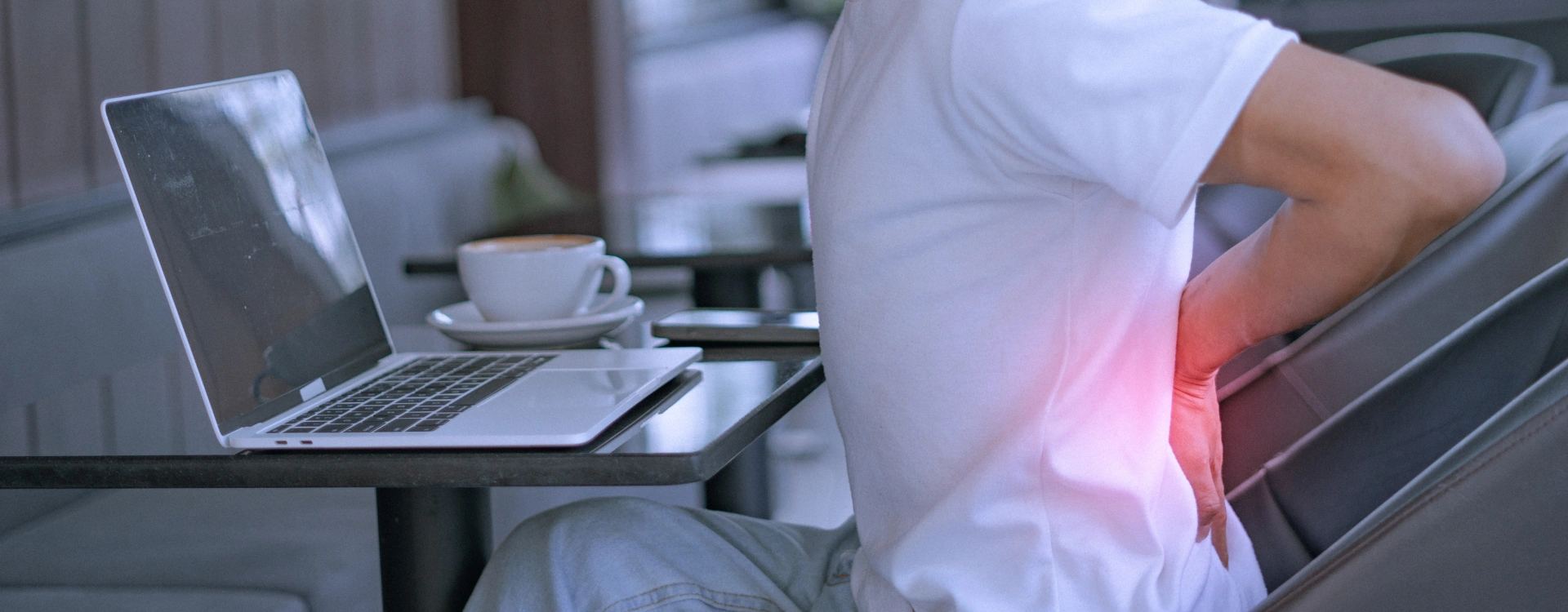
Chondromalacia Patella: Getting to the Bottom of That Kneecap Pain
Does your knee feel stiff and achy around the kneecap after you stand up from a long flight or after finishing a movie? It may appear as a dull ache while going down stairs. If the pain sits particularly at the front of the knee and it is triggered by ordinary activities like climbing, squatting, or getting up after extended sitting, it may be due to chondromalacia patella. A thorough assessment can give a detailed look into it, and the right treatment works well for the majority of such cases.
Understanding Chondromalacia Patella
Chondromalacia Patella occurs due to wearing and softening of the cartilage on the underside of the kneecap. This cartilage plays a crucial role as a smooth cushioning layer that lets the kneecap glide over the thigh bone when the knee bends. As the cartilage starts to break down, each glide becomes rougher than before. It is that roughness that produces the ache along with a grinding sensation and the stiffness described by most people.
Sometimes this term is used interchangeably with patellofemoral pain syndrome. These are related but not the same thing. Chondromalacia is the confirmed softening of the cartilage, while patellofemoral pain syndrome is a broad term used for kneecap-area pain that may or may not involve changes in the cartilage.
Why It Happens
Every time you bend or straighten your knee, the kneecap slides up or down over the end of the thigh bone. If everything is working properly, the kneecap moves smoothly along the same simple path, a little like a button sliding through the middle of a buttonhole. When the kneecap starts sliding slightly to one side rather than staying centered, the pressure on the cartilage will not spread out evenly as it should be.
At its core, the issue comes down to a muscle imbalance. The muscles on the outside and inside of the thigh guide the kneecap during its movement. If one of these muscles is stronger than the other, it pulls the kneecap a little off course. As a result, the cartilage on one side takes more pressure than it is made to bear. This extra wear, over time, leads to pain.
Common Symptoms
The most common symptom is a dull ache behind or around the kneecap that intensifies with activities like climbing stairs, kneeling, or squatting. Some people notice pain after sitting with their knees bent for a while, whether at a desk, in a car, or through a movie. When they stand up, the ache is there as well. Other common symptoms include a sensation of cracking, grinding, or popping when straightening or bending the knee. There can be mild swelling, and people may feel that their knee is not as stable and reliable as before.
Who’s More Likely to Develop It
This condition is often common among younger adults with an active lifestyle. Teenagers and young adults who are involved in jumping, running, or some other sport with increased pivoting may be at higher risk of getting this condition. Women are affected somewhat more frequently than men, likely because of the differences in hip and knee alignment that influence the way the kneecap tracks. Since foot position determines the alignment all the way up the leg, people with flat feet and those who are recovering from a previous knee surgery or injury also face a higher chance of developing it. Another common trigger is for cyclists, runners, and other similar athletes who opt for a sudden jump in training volume.
When You Should Not Ignore the Symptoms
The majority of cases of chondromalacia patella are termed as uncomfortable rather than dangerous. But every case doesn’t belong to the same category, and there are some signs that must be assessed promptly, and one should not try to manage them at home:
- Significant and sudden swelling in the knee or the knee feeling hot to the touch
- A sensation that the knee is genuinely giving way
- Pain that doesn’t ease even after several weeks of rest and modified activities
- A knee catching or locking in a way that obstructs full movement
Outside the symptoms mentioned above, physiotherapy remains a reliable solution in most cases even if the assessment is not that prompt.
How the Diagnosis Is Made
Diagnosis begins with a detailed conversation about the particular activities that bring the pain back on. Such activities may include squatting, climbing stairs, prolonged sitting, and others. Then there is a physical exam to check the way the kneecap moves and tracks while bending and the strength of the adjacent muscles. Usually, imaging is not needed because a study of the symptoms gives a clear clinical picture. When the issue does not show any sign of improvement even with ongoing treatment, imaging is used to look further into the condition.
How Physiotherapy Helps
Resting to let the pain go away is not the right solution if one wants lasting relief. Physiotherapy works by effectively correcting the pattern of kneecap movement, which was overloading the cartilage in the first place.
First, it rebalances the strength around the knee by particularly addressing the imbalance between the inner and outer thigh muscles that guide the path of the kneecap. When the balance is regained, the kneecap glides more centrally through the groove and doesn’t drift on one side.
Second, physiotherapy aims to strengthen further up the chain, especially the hip. Weak hip muscles subtly change the way the whole leg aligns while moving, which may affect the way the kneecap tracks. On the surface, hip muscles look completely unrelated to knee problems, but their strength may affect knee health in the long run.
Third, it helps people manage the load sensibly rather than avoiding activity altogether. When the movements are adjusted based on the condition of the knee, it creates a suitable condition for recovery while preventing repeated aggravation.
Chondromalacia Patella Treatment at Painflame
Painflame Clinic starts treatment with a detailed assessment of the way the kneecap tracks, particular muscles that are underperforming, and daily activities that may be driving the irritation. After the assessment is complete, the doctor makes a tailored treatment plan aimed at correcting the identified imbalances. Targeted strengthening of the inner thigh muscles along with hip-focused exercises effectively improve leg alignment in most cases.
There are some patients whose activity levels need to be managed carefully during the recovery period. Experts take care of them by helping in modifying daily movements without avoiding activities altogether. If additional support is needed, we also offer posture correction therapy to address alignment issues that may extend beyond the knee.
What Recovery Looks Like
Meaningful improvement is noticed within four to six weeks of physiotherapy for many people. Strengthening exercises target the thigh and hip from early on, which gradually makes the movement of the kneecap normal. The cases that involve significant activity demands or the ones that have been present for several months may take a bit longer to resolve completely. Recovery occurs with the pain and stiffness easing first, then stair climbing and sitting become comfortable like before, and finally the strength and control required to complete everyday activities are regained.
Preventing It From Coming Back
Preventing this issue depends on properly maintaining the balance and strength built during rehabilitation because the condition is closely linked with the way the kneecap tracks during movement. Continuing with the thigh and hip strengthening exercises beyond the point where pain has settled helps a lot in keeping the kneecap tracking properly in the long run. While returning to your previous physical activities, don’t get started with the more demanding routine upfront. Rather, try to build up the intensity or training volume gradually. Unnecessary strain on the knees can be prevented by wearing suitable footwear and addressing flat feet with appropriate support.
Frequently Asked Questions
Why do I experience knee pain more during extended sitting as compared to while performing some activities?
This pattern is also called the “theatre sign”, which happens as prolonged knee bending increases the pressure on the affected cartilage. The pressure on the affected cartilage increases while sitting with a bent knee, and standing up brings the irritation to your attention.
Is this chondromalacia patella the same as the runner’s knee?
“Runner’s knee” is used loosely to describe chondromalacia patella and the issues related to patellofemoral pain syndrome. Both of these cause similar pain around the kneecap, especially in active people and runners.
Is MRI necessary for confirming this diagnosis?
Usually, it is not needed right away. Most cases are identified through a physical exam and proper study of activity patterns. Imaging helps when the issue doesn’t respond to the initial treatment as intended.
Patient Feedback & Success Stories
Treatments
Our Services
Our doctors
Meet more Painflame specialists





Dr. Divakar Kumar
Sports Rehabilitation, Sports Injury Management, Musculoskeletal Rehabilitation, Performance Enhancement, Strength & Conditioning
Book Appointment
Dr. Jaya Sharma
Pilates Expert | Musculoskeletal Rehabilitation, Sports & Pelvic Floor Specialist
Book Appointment
Dr. Priyanka Bhuyan
Tailbone (Coccyx) Treatment, Chiropractic Care, Spine & Joint Rehabilitation
Book Appointment
Dr. Saksham Kapoor
Sports Physiotherapy, Musculoskeletal Rehabilitation, Pain Management, Injury Prevention & Recovery
Book AppointmentLatest Blogs
Neck Stiffness: कारण और 5 मिनट की एक्सरसाइज से राहत
गर्दन की अकड़न (Neck Stiffness): कारण और 5 मिनट की एक्सरसाइज से राहत क्या सुबह उठते…
Read More
Navel Displacement: लक्षण, पहचान और उपचार
क्या आपको अक्सर पेट में अनजान दर्द रहता है? क्या खाने के बाद ब्लोटिंग, गैस या…
Read MoreCore Strengthening Exercise जो कमर दर्द को जड़ से खत्म करे
क्या लंबे समय बैठने के बाद कमर दर्द होने लगता है? क्या सुबह उठते ही पीठ…
Read More