

Paralysis Treatment
Regain Independence & Improve Mobility with expert Paralysis treatment focused on strength recovery, movement training, balance, and daily functional rehabilitation.
 6,200+ Reviews Trusted by thousands.
Recommended by experts.
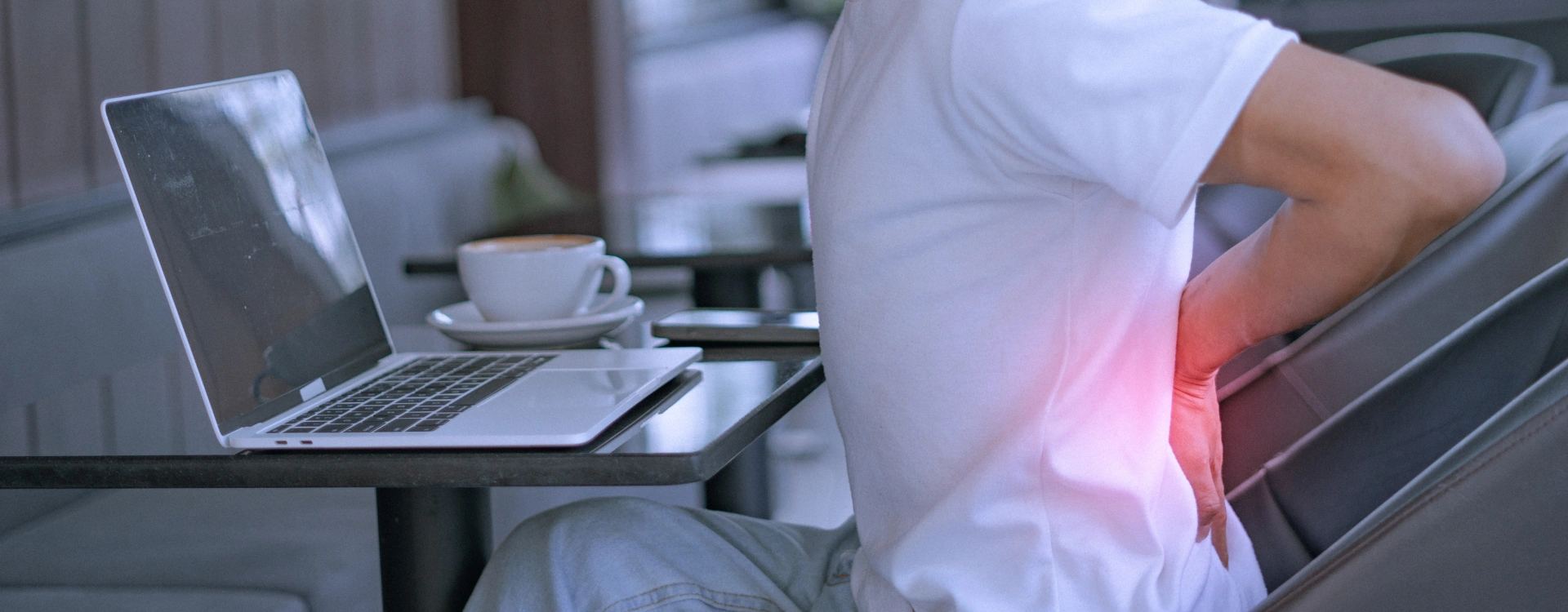
Paralysis Rehabilitation: Rebuilding Function, One Stage at a Time
Sudden weakness or inability to move a part of the body, particularly when it affects one side, is a medical emergency and needs an immediate assessment at a hospital. The simplest way to recognise the warning signs associated with paralysis is the acronym FAST: Face drooping or weakness on one side, Arm weakness or one arm drifting downward when both arms are raised, Speech that is slurred or difficult to understand, and Time to call emergency services immediately when any of these symptoms appear, even if the symptoms pass quickly. Physiotherapy plays an important role in recovery as it works well after the underlying cause has been identified and stabilised.
Understanding Paralysis
Paralysis refers to the loss of voluntary muscle function in a part of the body. The issue can be partial or complete. The problem can also be temporary or permanent, which depends on what caused the issue and how the nervous system was affected by it. Doctors describe paralysis based on which part of the body is involved: monoplegia affects one limb, hemiplegia affects one side of the body, paraplegia affects both the legs, and quadriplegia, which is also called tetraplegia, affects all four limbs. The classification is of immense importance as it tells us about where the disruption occurred in the nervous system. This knowledge shapes the rehabilitation.
Why It Happens
Paralysis develops as a result of disruption in the signal pathway between the brain and muscles. The disruption may occur in the brain itself, the spinal cord, or the nerves that run out to the muscles. Stroke is among the most common causes that result from a blockage or bleed that affects the blood flow to a certain part of the brain. It typically affects one side of the body. When there is a trauma leading to a spinal cord injury, it can interrupt the signals below the point of injury and may affect either the legs alone or all four limbs depending on the location of damage. Nerve-related conditions like Guillain-Barré syndrome, Bell’s palsy, and other neurological or autoimmune conditions sometimes disrupt the signal pathways as well. Given this diversity in the underlying mechanism, the likely course of recovery is genuinely different in each case.
Common Symptoms
Symptoms are dependent on the underlying cause and the part of the nervous system that has been affected. Weakness or an inability to move the affected area is the defining feature. Numbness or altered sensation (like reduced ability to touch, feel temperature, pressure, or pain), muscle stiffness or spasticity, or muscles that feel excessively loose or floppy are some other symptoms. Depending on the part of the nervous system that is affected, one can face difficulty with balance, fine motor tasks, or coordination. Some underlying causes may affect speech, swallowing, bladder or bowel control. Doctors identify the underlying cause more accurately by studying the specific pattern of symptoms.
Who’s More Likely to Develop It
Risk factors vary a lot based on the underlying cause. Stroke is a common cause of paralysis, especially when the areas of the brain that control movement are damaged. The risks for stroke include high cholesterol, smoking, irregular heart rhythms, high blood pressure, and diabetes. The risk increases with age. The risk factors for a spinal cord injury are activities and situations that involve chances of trauma like falls, road accidents, and certain sports. The autoimmune or nerve-related causes of paralysis can affect people of any age, and they are not strongly tied to lifestyle factors.
Signs That Need Prompt Medical Attention During Recovery
Beyond all the emergency signs that we have discussed in the earlier sections, there are a few things that must be flagged to your medical team immediately rather than waiting for your next routine appointment.
- New or worsening weakness in an area that was previously unaffected
- Change in speech, difficulty in breathing or swallowing
- Fever, or a wound or a catheter site that looks infected
- A sudden change in bladder or bowel control
- Signs like persistent redness or skin breakdown over bony areas
How the Diagnosis Is Made
Diagnosis starts with a detailed history and neurological exam. Once the initial assessment is over, advanced imaging like MRI or CT scan is used to look more closely at the brain and spinal cord. Nerve conduction studies and electromyography are used in some cases to check the way signals are travelling through the peripheral nerves. These tests medically establish the underlying cause and its severity. Some other tests may also be required if autoimmune disease, infection, or metabolic disorders are suspected. Then physiotherapy assessment builds on that diagnosis by focusing on which muscle groups are retaining their functions, the possible movement patterns, and the realistic functional goals for rehabilitation.
Why the Physiotherapy Approach Works
Physiotherapy for paralysis is based on several mechanisms, and one of them is known as neuroplasticity, which is the ability of the nervous system to adapt or organise itself in response to repeated and meaningful practice. This approach differs a lot from numerous musculoskeletal rehabilitation approaches that are more focused on healing the damaged tissues. Here, on the other hand, the aim is to effectively help the nervous system so that it can either strengthen surviving pathways or build new pathways. This lets the nervous system regain its ability to perform the functions that were lost due to paralysis.
Repeated attempts to perform the movements one is trying to regain has been found to be more effective than generic exercises. Research backs this approach, stating that the nervous system adapts more strongly to frequent demands. Recovery can be particularly active during the first few months after events like stroke, a period when the nervous system is most responsive to retraining. But meaningful progress can continue beyond that window in many people.
Paralysis Rehabilitation at Painflame
Painflame Clinic starts the process by thoroughly understanding the medical diagnosis, specific muscles and movements affected, and what is more important to the individual in terms of daily function. Then we build a rehabilitation program around task-specific movement retraining that matches the current ability of the person. In addition, we also pay close attention to preventing muscle stiffness, muscle wasting, and skin complications in the affected limbs. Our stroke rehabilitation programme includes physiotherapy and neuro-rehabilitation approaches for balance, movement, and functional recovery. In case of patients who are unable to travel regularly to our clinic, we also offer home physiotherapy visits so that rehabilitation continues at home because recovery depends heavily on regular and ongoing practice.
What Recovery Usually Looks Like
Recovery varies enormously in the case of paralysis. It is heavily dependent on the underlying cause, how much of the nervous pathway was affected, and how quickly the treatment began, along with the overall health of the patient. In the case of mild strokes or such nerve conditions, improvement is seen a bit earlier as compared to significant spinal cord injuries that may take longer and, in such cases, patients can see meaningful functional improvement, but there may be chances of continued limitations. It has been found that structured and consistent rehabilitation improves outcomes as compared to no rehabilitation at all, and the progress tends to happen in stages rather than all at once.
Supporting Long-Term Function
Care doesn’t usually stop after reaching the rehabilitation goals for people living with paralysis. Once the formal rehabilitation is complete, the care shifts towards properly maintaining and protecting what has been regained so far. Strength and range of motion can be preserved by continuing with the home exercise programme. Pressure-related skin issues can be caught early by regular skin checks for those with limited mobility. You can support long-term function and overall health by staying engaged with follow-up care for the underlying condition, like blood pressure management or ongoing neurological monitoring.
Frequently Asked Questions
What can the family members do to support recovery at home?
They should encourage consistency with prescribed exercises. Helping with regular repositioning and skin checks for people with reduced mobility while providing proper emotional support makes a genuine difference. Being in touch with the medical team also helps in knowing the new or concerning symptoms.
Can physiotherapy help in permanent paralysis?
Physiotherapy can be valuable in case the paralysis is permanent. It helps such individuals in adapting to the way they perform daily activities, maintaining strength along with joint health in the affected and unaffected areas. All these elements play a crucial role in promoting independence and quality of life.
Does paralysis always affect speech, movement, and thinking?
Not necessarily. The effect depends on which part of the nervous system has been affected. If paralysis has been caused by spinal cord injury, it is less likely to impact thinking or speech. In the case of a stroke, speech and thinking can be affected depending on the area of the brain that is involved.
Patient Feedback & Success Stories
Treatments
Our Services
Our doctors
Meet more Painflame specialists






Dr. Divakar Kumar
Sports Rehabilitation, Sports Injury Management, Musculoskeletal Rehabilitation, Performance Enhancement, Strength & Conditioning
Book Appointment

Dr. Jaya Sharma
Pilates Expert | Musculoskeletal Rehabilitation, Sports & Pelvic Floor Specialist
Book Appointment

Dr. Priyanka Bhuyan
Tailbone (Coccyx) Treatment, Chiropractic Care, Spine & Joint Rehabilitation
Book Appointment
Dr. Saksham Kapoor
Sports Physiotherapy, Musculoskeletal Rehabilitation, Pain Management, Injury Prevention & Recovery
Book AppointmentLatest Blogs
Neck Stiffness: कारण और 5 मिनट की एक्सरसाइज से राहत
गर्दन की अकड़न (Neck Stiffness): कारण और 5 मिनट की एक्सरसाइज से राहत क्या सुबह उठते…
Read More
Navel Displacement: लक्षण, पहचान और उपचार
क्या आपको अक्सर पेट में अनजान दर्द रहता है? क्या खाने के बाद ब्लोटिंग, गैस या…
Read MoreCore Strengthening Exercise जो कमर दर्द को जड़ से खत्म करे
क्या लंबे समय बैठने के बाद कमर दर्द होने लगता है? क्या सुबह उठते ही पीठ…
Read More