
Lumbar Spondylosis Treatment
Receive expert guidance on lumbar spondylosis care at Painflame Clinic. Modern physiotherapy focuses on the rehabilitation and non-surgical relief of spinal pain from experts.
 6,200+ Reviews
Trusted by thousands.
6,200+ Reviews
Trusted by thousands.Recommended by experts.
Lumbar Spondylosis Treatment
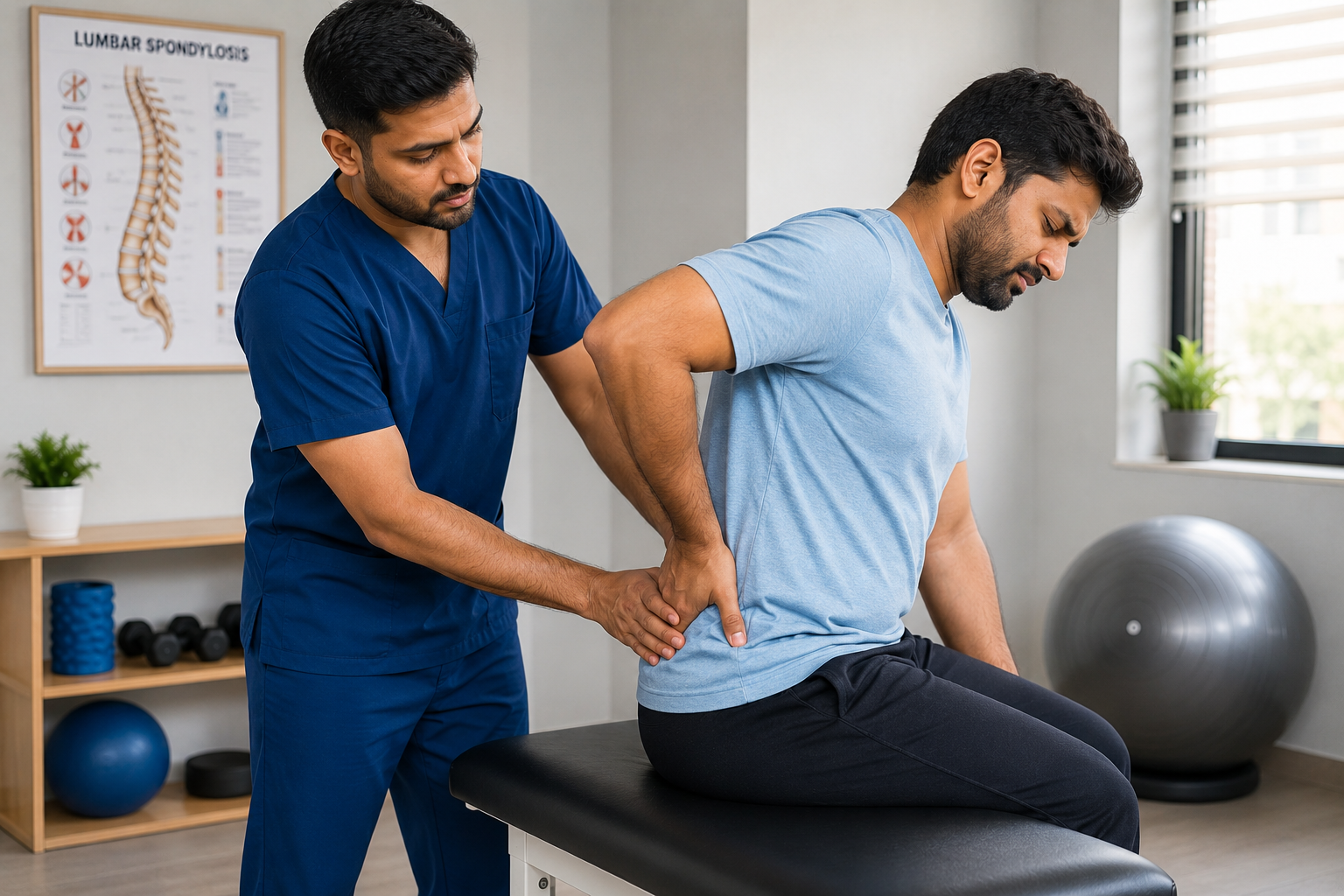
Back Stiffness & Pain? Experience Long-Term Relief. At Painflame Clinic, we have specially-trained physiotherapists who run non-surgical Lumbar Spondylosis treatment programmes that address the fundamental causes of your suffering, improve your mobility and help you get back to living a full and pain-free lifestyle.
[ Book Appointment with Painflame Clinic]
What is Lumbar Spondylosis?
Lumbar Spondylosis is a common wear and tear of ageing that affects the joints, discs, and bones in the lower back (lumbar spine). The term is often used to describe it as spinal osteoarthritis. It causes the gradual loss of intervertebral cushioning that acts as a shock absorber to your spine.
As the discs dry out and shrink, the distance between your vertebrae shrinks, putting extra strain on your facet joints. Over time, this can lead to wear and tear changes in the spinal joints, inflammation and the appearance of osteophytes. While it’s a typical part of becoming older, if left untreated it may adversely damage how you move around, making the basic actions we all take for granted such as sitting, walking and bending forward, uncomfortable and unpleasant. Early treatment can help reduce stiffness, improve mobility, and prevent symptoms from worsening over time.
Common Causes and Risk Factors:
- Natural Ageing and Wear: Slow drying out and deterioration of the discs in the spine over the years.
- Repeated stress on the spine: Some jobs or sports need regular heavy lifting and may include bending and twisting
- Sedentary Lifestyle: Long sitting with improper posture leading to uneven loading on lower back
- Spinal trauma or injury: Past back injuries, falls and automobile accidents that cause the joints to deteriorate
- Genetics and family history: You’re genetically predisposed to early joint wear and tear or structural difficulties with your spine.
- Obesity and overweight: The excess of body mass generates a constant mechanical stress on the lumbar vertebrae.
- Weak core muscle: Insufficient training and weak deep spine muscles might cause weak core muscles to put more pressure on the lower back.
Lumbar Spondylosis Signs and Symptoms
- Chronic lower back stiffness: Stiffness, particularly in the morning or after long periods of sitting.
- Dull Aches: Constant, dull pain in the spine that may be worsened by long standing or walking.
- Radiating Pain (Sciatica): Pain that shoots or radiates from the buttock down through the leg and thigh
- Tingling or numbness: You may have “pins and needles” in your feet or legs if a nerve is crushed.
- Reduced flexibility: Difficulty bending forward, or twisting at the waist or bending the back without pain.
- Muscle spasms: Rapid, severe contractions of the lower back muscles intended to stabilise the unstable spine.
When should you seek treatment?
Anybody can have a bit of back stiffness; if you ignore prolonged discomfort, it might result in severe spinal injury. The greatest advise is to obtain skilled rehabilitation for spondylosis of the lumbar spine. If you received:
- Pain lasting more than a few months: A doctor should review aches that are mild, but that grow gradually or do not go away with rest.
- Sleep problems or daily activities: Your Symptoms interfere with daily life, pain prevents you from walking, sitting comfortably or sleeping.
- Radiating sensation: Sharp pain, sensations of numbness or tingling which radiate into your thighs, buttocks or legs.
- The progressive stiffness: Increasing difficulty in bending, turning, and standing straight up at the beginning of the day.
Red Flag Warning: If you suddenly have weak legs, difficulty walking, or cannot control your urine or bowels, get quick medical assistance in the event of these indicators of significant nerve compression.
Specific therapy for lumbar spondylosis if done early will stop the progression of wear and tear, offering you immediate lower back pain relief and ensuring mobility.
How Lumbar Spondylosis is Diagnosed
A clear diagnosis is the initial step towards a complete treatment. Our complete assessment process comprises:
- A complete clinical history: Review of your lifestyle, symptoms, the beginning of your symptoms and your daily restrictions in functional performance.
- Physical Assessment and Palpation: Identifying sensitive places, local to your muscle tightness and the structural alignment.
- Mobility and ROM Tests: How constrained are you in your movement?
- Orthopaedic and Neurological Testing: Assessing your reflexes, muscle strength and nerve root irritation (eg. Straight Leg Raise tests).
- Diagnostic Imaging Support: Evaluating X-rays to examine for bone spurs, and disc spaces that are narrowed or suggesting the use of an MRI for more detailed images of tissues or nerve injury are needed.
Comprehensive Lumbar Spondylosis Treatment at Painflame Clinic
We advocate a comprehensive non-surgical approach for the health of your spine. Our personalised treatment plans incorporate modern clinical methods to provide lasting relief.
- Physiotherapy: Targeted treatment plans designed to relieve the acute muscular guarding effect, decrease local inflammation and help restore the ability to move without pain.
- Manual Therapy and spinal mobilisation: The use of hands for joint mobilisation and manipulating soft tissues by skilled therapy professionals to increase joint flexibility and lubrication.
- Advanced Electrotherapy: Utilising modalities such as IFT (Interferential Therapy), TENS and therapeutic ultrasound to effectively block pain signals and promote deep tissue healing.
- Core Stabilisation and Rehabilitation Exercises: Specific exercise programs that concentrate on strengthening your deep glutes, the core and the muscles of your lower back, to build the natural “muscular brace” to support your spine.
- Ergonomic and Posture Correction: A practical guide to working posture, sitting mechanics and the correct lifting technique to reduce strain on the lower back during daily activities.
Patient Feedback & Success Stories
Frequently Asked Questions
Can lumbar spondylosis be completely cured?
The structural changes that cause degenerative change are not reversible, but their effects can be controlled efficiently. Many people can live pain-free and active lives after they have restored flexibility and strength in joints with specialised exercise.
Can walking be beneficial to someone who has a lumbar spine disorder?
Walking on even surfaces is a great low-impact way to keep joints lubricated and increase circulation to spinal tissue. Watch out for rough surfaces, and stop if you notice a significant increase or worsening of symptoms.
Should I have surgical treatment for lumbar spondylosis?
If conservative treatments like physiotherapy don't work after a period of time surgery is usually the last option to explore. You may need the treatment later when you start experiencing neurologic symptoms, such as weakness in your legs or loss of bowel or bladder control.
What's the difference between lumbar spondylosis and a disc slip?
Lumbar spondylosis is a degenerative disease of the bones, joints and discs that develops over a period of time. A slipped disc is an event where the core inside the disc bulges, usually from acute damage, abrupt mechanical pressure or trauma.
Does sleeping in a particular posture reduce back discomfort?
Sleeping on your back using an under-knees pillow can help preserve the natural curve of your spine. Side sleepers may also put a cushion between their knees in order to alleviate tension on their lumbar joints.
Treatments
Our Services
Our doctors
Meet more Painflame specialists

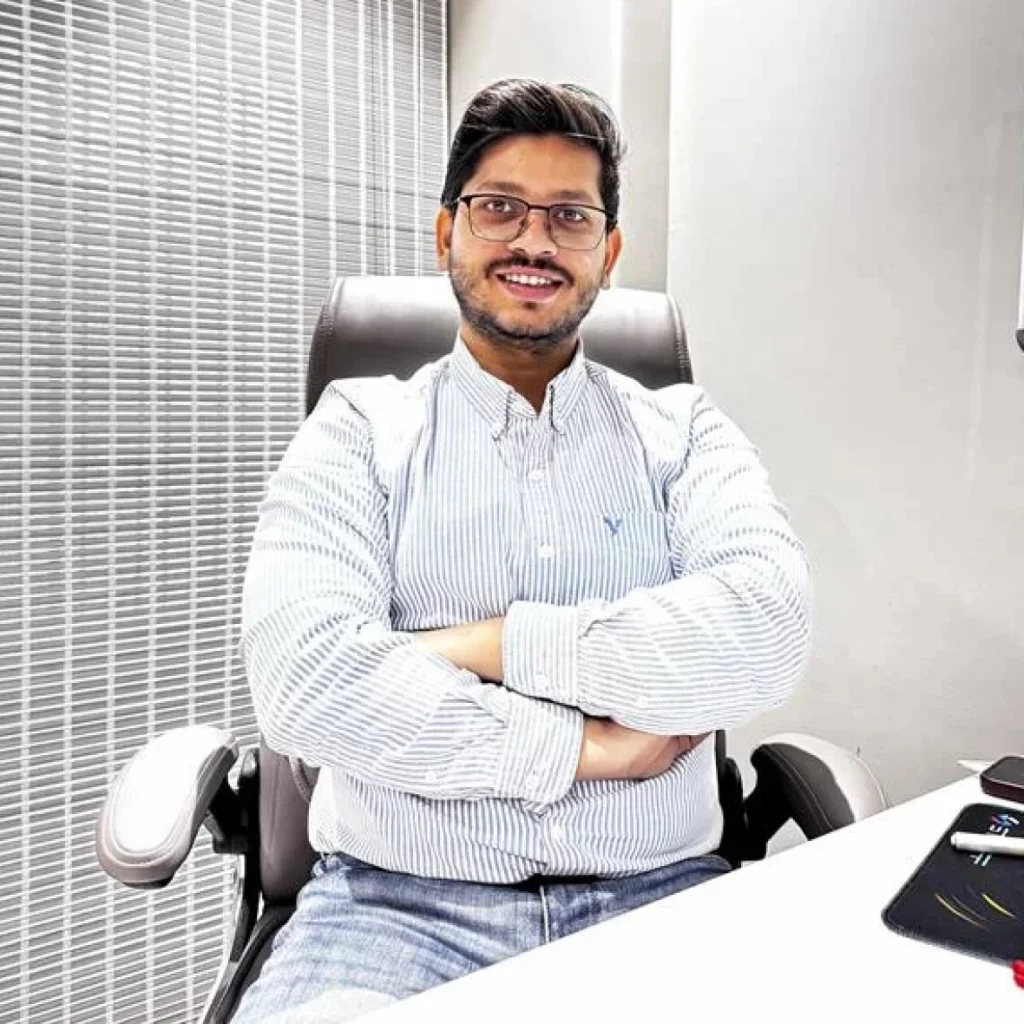

Dr. Divakar Kumar
Sports Rehabilitation, Sports Injury Management, Musculoskeletal Rehabilitation, Performance Enhancement, Strength & Conditioning
Book Appointment
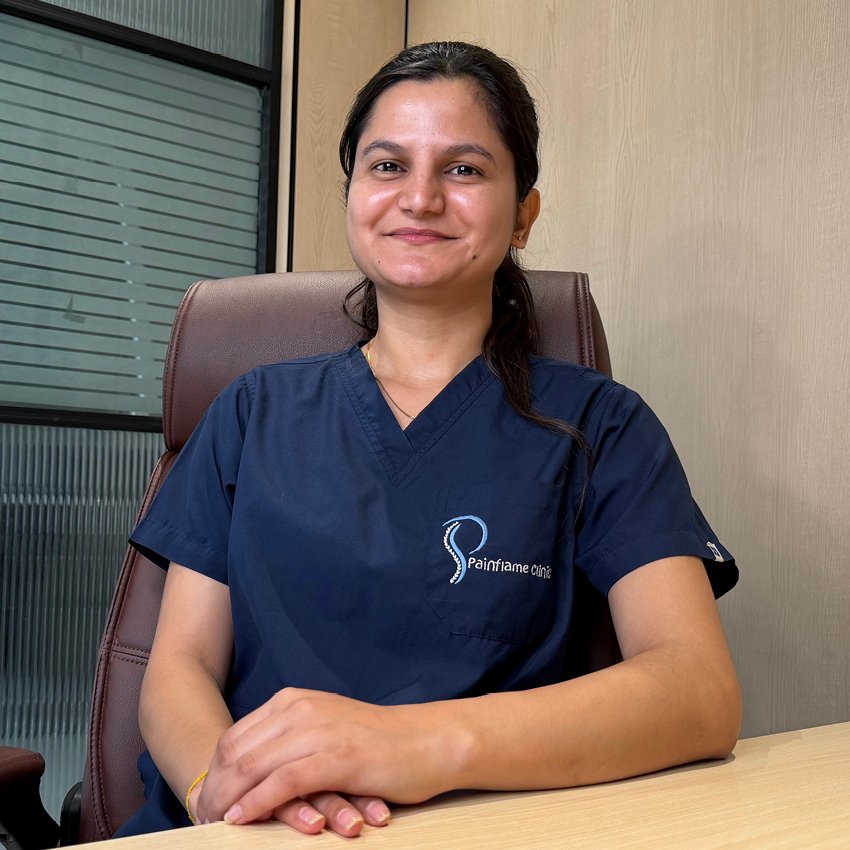
Dr. Jaya Sharma
Pilates Expert | Musculoskeletal Rehabilitation, Sports & Pelvic Floor Specialist
Book Appointment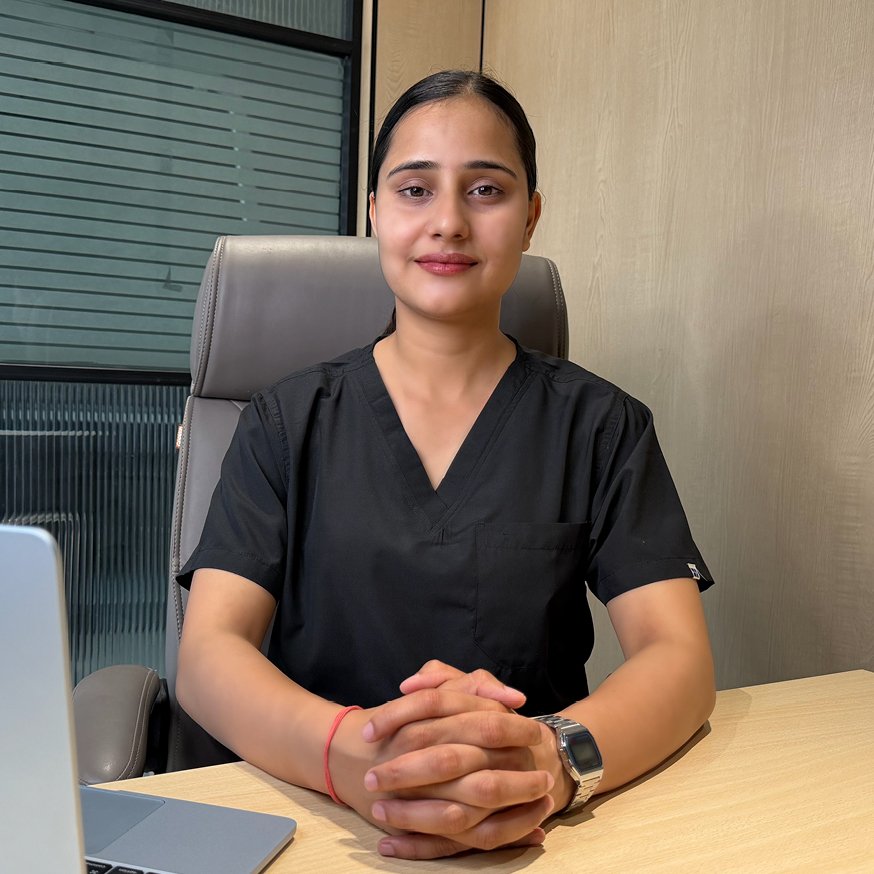
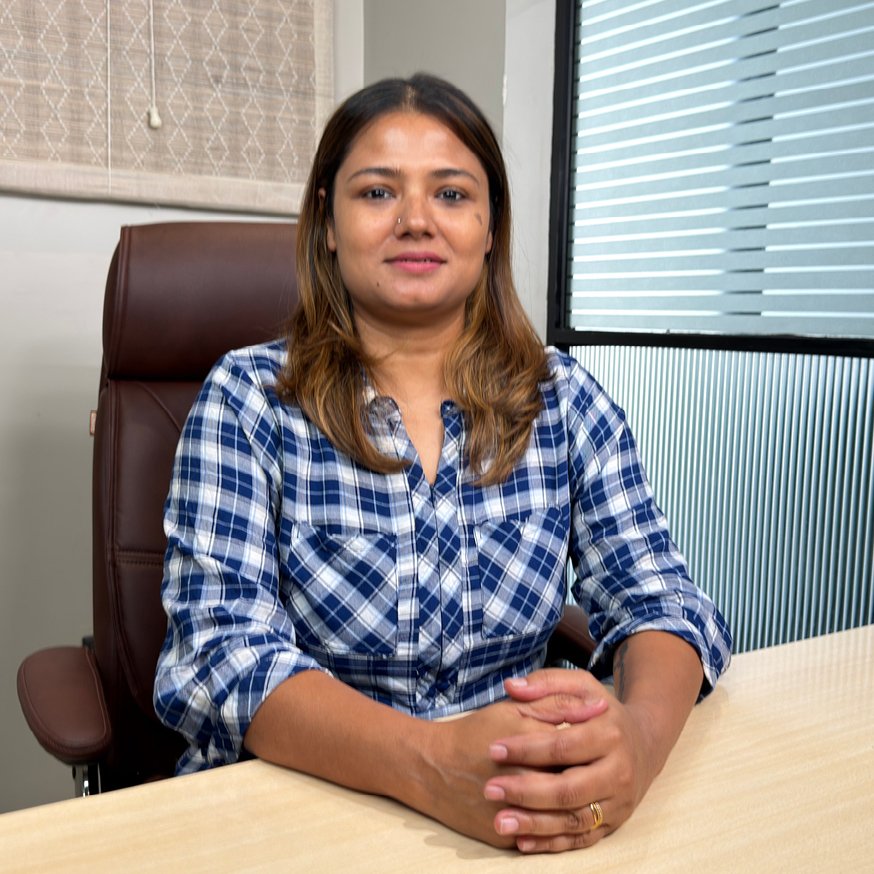
Dr. Priyanka Bhuyan
Tailbone (Coccyx) Treatment, Chiropractic Care, Spine & Joint Rehabilitation
Book Appointment
Dr. Saksham Kapoor
Sports Physiotherapy, Musculoskeletal Rehabilitation, Pain Management, Injury Prevention & Recovery
Book AppointmentLatest Blogs
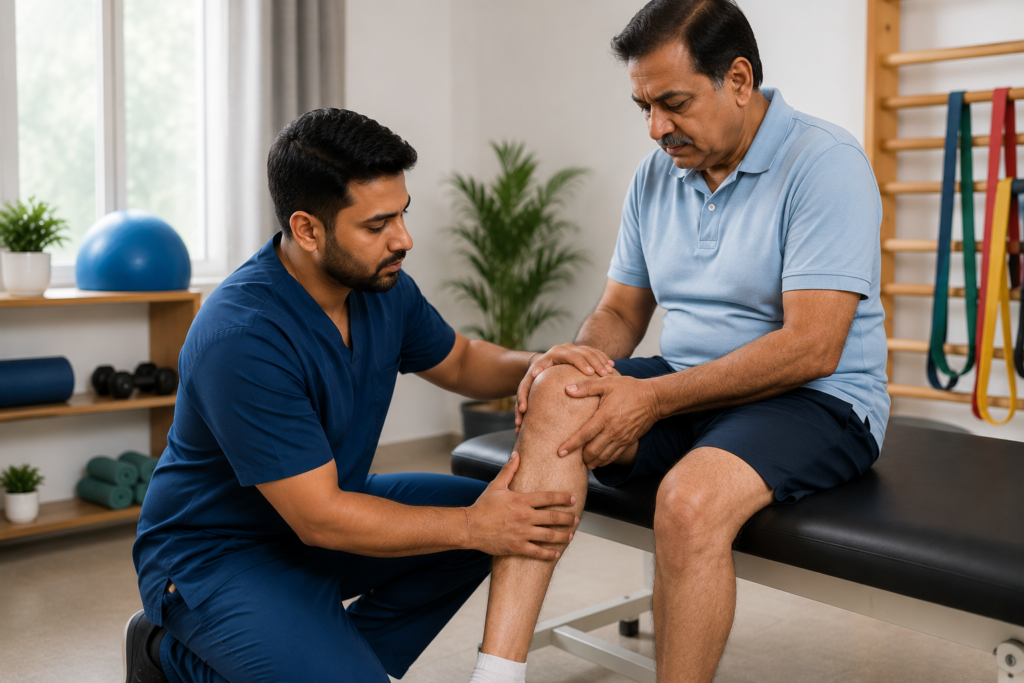
घुटने का दर्द: फिज़ियोथेरेपी से इलाज और व्यायाम गाइड | Painflame गुरुग्राम
घुटने का दर्द: फिज़ियोथेरेपी से इलाज कैसे करें? सीढ़ियाँ चढ़ने-उतरने में दर्द होता है? कुर्सी से…
Read More
Muscle Stiffness in Office Professionals – A Gurgaon Experience
Muscle stiffness has become one of the most common health complaints among office professionals in Gurgaon.…
Read More
Morning Muscle Stiffness Is Not Just Ageing – A Gurgaon Case
If you wake up each morning with a feeling of tightness, slow or uncomfortable, you’re not…
Read More