
Kyphosis Treatment
Get expert kyphosis treatment at Painflame Clinic. Specialists provide modern posture correction therapy, targeted physiotherapy, and non-surgical spinal rehabilitation.
 6,200+ Reviews Trusted by thousands.
Recommended by experts.
Kyphosis Treatment
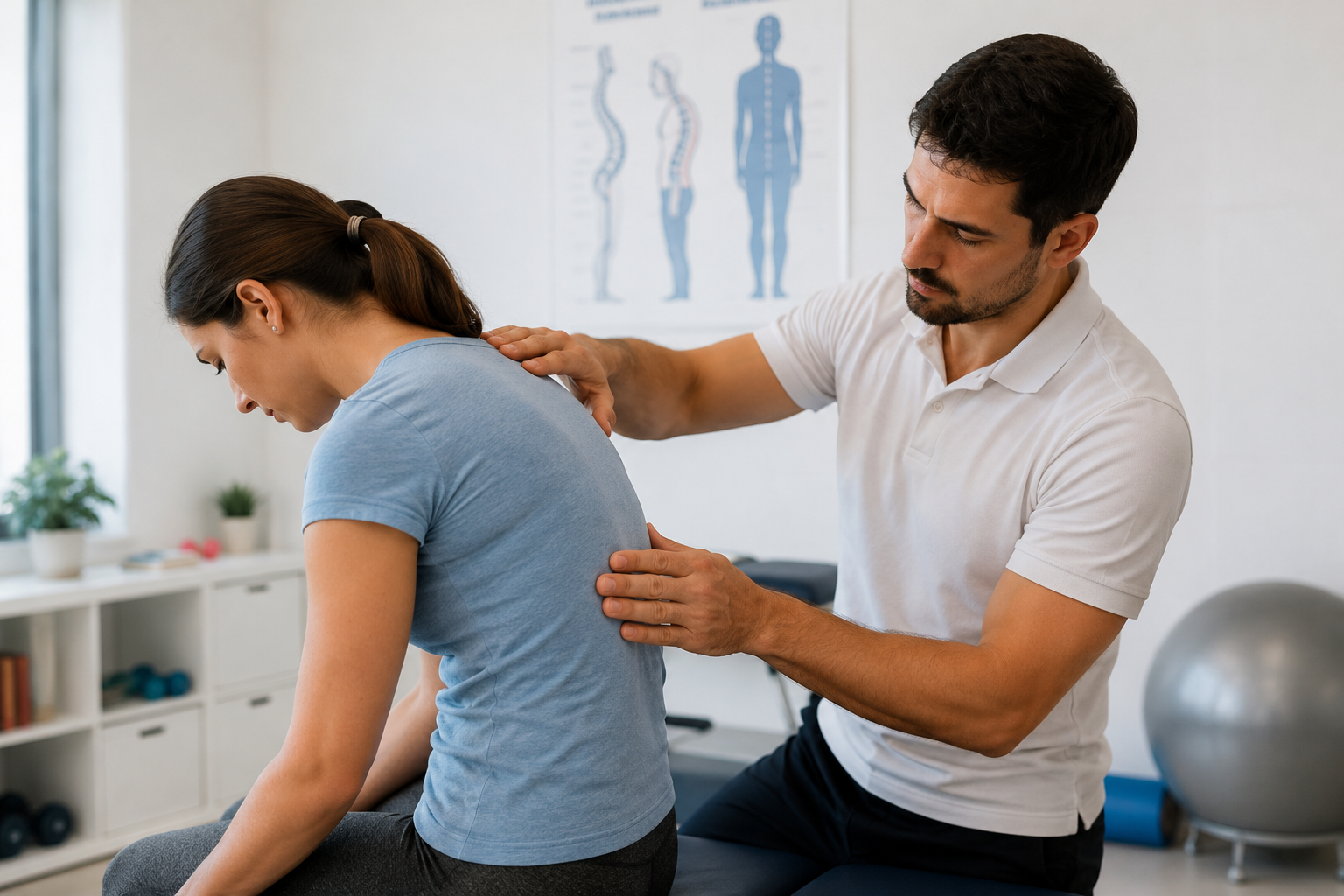
Find advanced and non-surgical kyphosis therapy at Painflame Clinic. Expert physiotherapy and individualised chiropractic programs can help you correct your posture, alleviate lower back pain and help restore the spine’s natural alignment.
What is Kyphosis?
Kyphosis can be described as an exaggerated forward rounding of the upper back, resulting in an exaggerated hunchback or slouching position. The human spine naturally curves in the thoracic area in order to absorb shocks and help support an individual’s weight; a thoracic curve that exceeds 45-50 degrees is thought to be clinically significant.
The spine is made up of intervertebral discs, muscles, ligaments and tendons all working together to keep your body in position. If the structure of this is changed by structural alterations or muscle imbalances, then the upper section of the back bends too forward. This shift in structure can alter the body’s centre of gravity and place a huge mechanical strain on your muscles and joints.
If kyphosis is not treated, it causes the curve of the spine to gradually get worse. As time passes, it can lead to chronic muscle fatigue, persistent stiffness and structural changes that are more difficult to reverse. Finding early treatment aids in restoring the proper alignment of your spine, stops permanent joint degeneration and ensures your spine stays mobile and free of pain.
Common Causes of Kyphosis
Kyphosis is a result of a variety of physical, psychological, or congenital issues. Knowing the root cause of the problem is crucial to developing an effective treatment strategy.
- Postural Misalignment: Hours spent hunching over phones, computers or at desks can weaken upper back muscles. They also pull the chest inwards, eventually forcing the spine into a round.
- Scheuermann’s disease: This condition is a result of a developmental process that occurs as adolescent growth spurts begin. Vertebrae are shaped unevenly. They form a wedge shape rather than a regular rectangular form, leading to the appearance of a stiff spine curve.
- Degenerative Disc Disease: As our bodies age, the discs of the spine that cushion the vertebrae lose moisture and shrink. A decrease in the disc’s size causes the spine to move forward.
- Osteoporosis and compression fractures: Age-related bone thinning reduces the strength of vertebrae. These vertebrae are highly vulnerable to compression fractures and micro-fractures that can cause the vertebrae of the upper back to weaken and collapse.
- Congenital Spinal Defects: This occurs when the spinal column fails to form properly within the womb. It causes babies to have an abnormally shaped spine.
- Muscular Imbalances and Core Weakness: Weakness in the abdominal muscles, rhomboids, and the muscles of the erector spinae, prevents your body from maintaining the body in a straight position when compared to gravity.
- Sports-Related Strain: Forward-leaning motions that are repeated for certain sports with inadequate stretching can affect thoracic flexibility.
- Traumatic spinal injuries: Broken bones, falls that are severe, or accidents in the car which compromise the structural strength of the spinal vertebrae in the thoracic region can cause the development of a secondary deformity.
Symptoms of Kyphosis
Kyphosis manifests itself through noticeable postural shifts and a myriad of physical discomforts which get worse during the course of the day.
- Rounded shoulders, or Hunchbacks: A prominent, visible curve on the back of the upper part, usually accompanied by a forward-looking, inward-facing head posture.
- Persistent upper back pain: Chronic soreness or aching in the thoracic spine due to overstretched muscles and stretched ligaments.
- The spine is stiff and has reduced mobility: Difficulty standing completely upright or twisting the torso comfortably.
- Tingling, or Numbness: In difficult structural situations, spinal nerves that are compressed may cause discomfort radiating to the back or even to the arms.
- Breathing Problems: Severe curvature compresses the chest cavity, which limits the lungs’ full expansion, causing breath shortness.
When to See a Specialist for Kyphosis
- The curve of the spine is clearly increasing in rigidity or getting worse with time.
- The back pain can hinder your ability to do your daily tasks, work, or sleep.
- The sensation of constant numbness or the sensation of tingling or weakness in your arms, legs, or torso.
- It is possible to feel shortness of breath or chest tightness when you sit or walk.
- Conscious attempts to stand straight don’t flatten or change the curve of the spine.
- Adolescents show signs of an abrupt change in posture during an increase in height.
Diagnosis of Kyphosis
Accurate diagnosis is important to differentiate between postural and structural kyphosis. This allows us to develop a unique recovery pathway.
- A Comprehensive Physical Evaluation: Comprehensive evaluation of your spine curvature, and shoulder alignment and the position of your pelvis.
- Dynamic Posture Analysis: Observing spinal mechanics when you stand, sit or walk.
- Spinal Flexibility and Mobility Assessments: The measurement of the exact movement range in the thoracic spine, and testing whether you have tight muscles.
- Specialised Orthopaedic Examinations: Standard Tests like those in the Adam’s Forward Bend Test assist in distinguishing soft postural curves from stiff structural deformities.
- Digital X-Ray Imaging: Standing full-spine X-rays enable doctors to determine the exact Cobb angles of the thoracic curvature and observe the anatomy of individual vertebrae.
- Magnetic Resonance Imaging (MRI): Requested when there is a suspicion of spinal cord involvement or soft tissue abnormalities are thought to be present.
Kyphosis Treatment at Painflame Clinic
At the Painflame Clinic, we utilise the most comprehensive and non-surgical treatment to slow the development of kyphosis. We also relieve the pain and help restore the alignment of your spine.
Physiotherapy for Kyphosis
The targeted physical therapy is the basis of non-surgical kyphosis treatment. Our therapists design customised workout plans that help lengthen those muscles that are tight in the anterior, including the pectoral muscles. They also work on strengthening the spinal stabilisers in the deep. This balances out the pull upon the spine and can help maintain an upright position.
Manual Therapy
Hands-on manual therapy is essential for the releasing rigid joints and tight myofcial structures. Our professionals employ precise mobilisation of the thoracic joints and spinal manipulation and deep tissue release to reduce stiffness, improve mobility of segments and aid in correcting posture.
Electrotherapy
For the treatment of localised inflammation and muscle aching, we use the most advanced electrotherapy techniques. Therapies such as Interferential Therapy (IFT), TENS and therapeutic ultrasound assist in alleviating pain, improving local circulation, and calming the muscles that are hyperactive, which allows you to complete rehabilitation exercises in a comfortable way.
Rehabilitation Exercises
For true spinal correction, you must engage in functional rehabilitation. The treatment we provide patients includes targeted stretching exercises and scapular stabilisation exercises and routines for core strength. These exercises work on the deep postural muscles in order to keep the correct alignment of the spine all day long.
Ergonomic & Posture Correction
The long-term health of your body depends on the changes in your routine. We offer customised ergonomic evaluations for your driving station, workstation configuration, and sleep arrangements. Biofeedback education teaches you to ensure the alignment of your spine during daily tasks and prevent recurrence of symptoms.
How to Prevent Kyphosis Progression
- Keep ergonomic workspaces in place
- Regularly take breaks from movement
- Build Strength in Core and Upper Back Muscles
- Perform Mindful Posture Check-ins
- Integrate daily chest stretches
- Keep optimal bone health
Frequently Asked Questions
What's the best way to treat kyphosis?
The best treatment is a combination of exercise for the back, physiotherapy and adjustments in posture. If the structural problem is significant, surgery or bracing may be needed.
How long does it take to see results of kyphosis treatment?
Improvements in posture and relief from pain generally show up within a period of four to eight weeks of regular treatment. For cases of structural problems, it is necessary to follow a long and ongoing treatment program in order to avoid the curve from becoming worse.
Does kyphosis cure completely with no need for surgery?
Postural kyphosis can be managed with physical therapy, and improved lifestyle habits. Kyphosis that is structural cannot be fully eliminated without surgery.
What triggers a hunchback form without clear damage?
Most often, it is caused by constant slumping over computers and screens. Some other causes are osteoporosis, disc wear or genetic conditions that cause growth.
Does kyphosis have a connection to arthritis?
Yes, the condition of spinal arthritis may reduce joint mobility and also flatten the discs between vertebrae. As a result, the discs lose support and cause the vertebrae of your upper back to tilt forward, increasing the curvature.
Patient Feedback & Success Stories
Treatments
Our Services
Our doctors
Meet more Painflame specialists




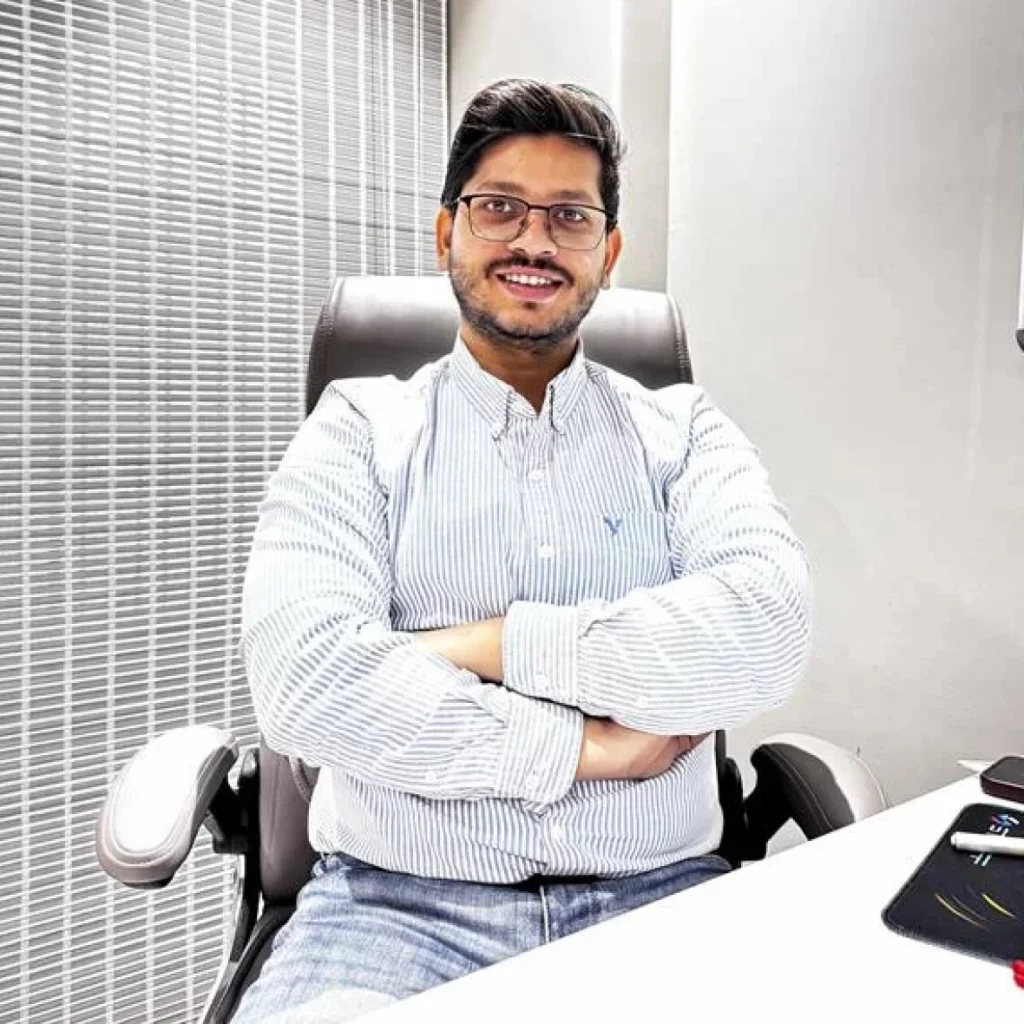

Dr. Divakar Kumar
Sports Rehabilitation, Sports Injury Management, Musculoskeletal Rehabilitation, Performance Enhancement, Strength & Conditioning
Book Appointment
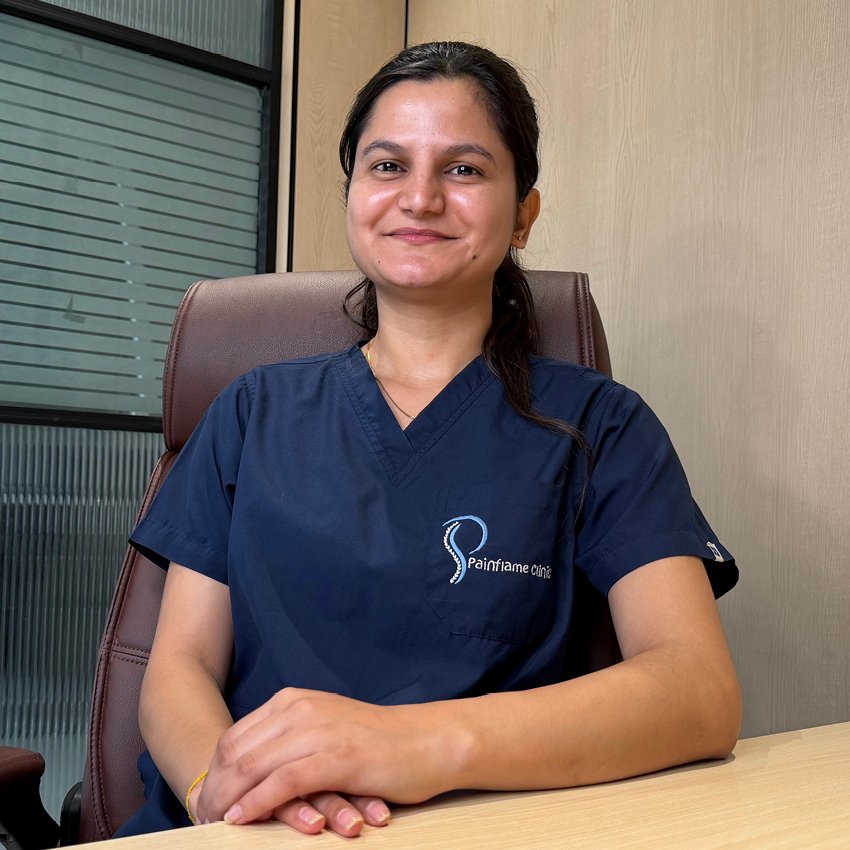
Dr. Jaya Sharma
Pilates Expert | Musculoskeletal Rehabilitation, Sports & Pelvic Floor Specialist
Book Appointment
Dr. Priyanka Bhuyan
Tailbone (Coccyx) Treatment, Chiropractic Care, Spine & Joint Rehabilitation
Book Appointment
Dr. Saksham Kapoor
Sports Physiotherapy, Musculoskeletal Rehabilitation, Pain Management, Injury Prevention & Recovery
Book AppointmentLatest Blogs
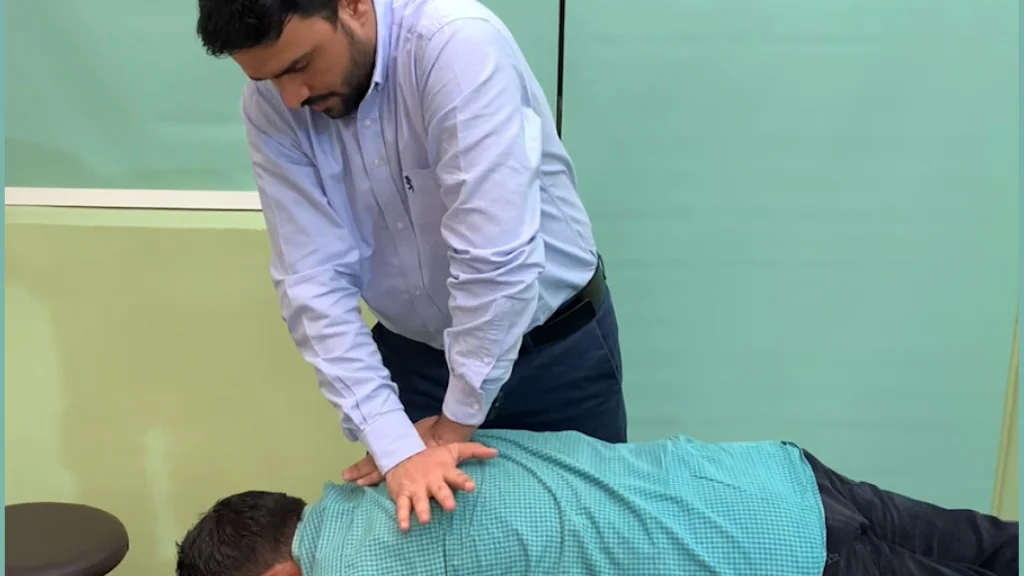
Tired of Back Pain? Here’s What Your Spine Is Actually Trying to Tell You
Most lower back pain comes down to daily habits — long hours hunched at a desk,…
Read More
Don’t Ignore Neck Pain: 4 Signs It’s More Than Muscle Strain
Most neck pain comes from poor posture, stress, or a bad pillow, and eases within a…
Read More
Why Thousands in Gurgaon Are Skipping the Clinic for Home Physiotherapy?
If you’re managing back pain, recovering from surgery, or dealing with chronic joint stiffness in Gurgaon,…
Read More