

Radiculopathy Treatment
Receive expert treatment for radiculopathy at Painflame Clinic. Modern physiotherapy, targeted nerve rehabilitation, and non-surgical pain relief from the top doctors.
 6,200+ Reviews Trusted by thousands.
Recommended by experts.
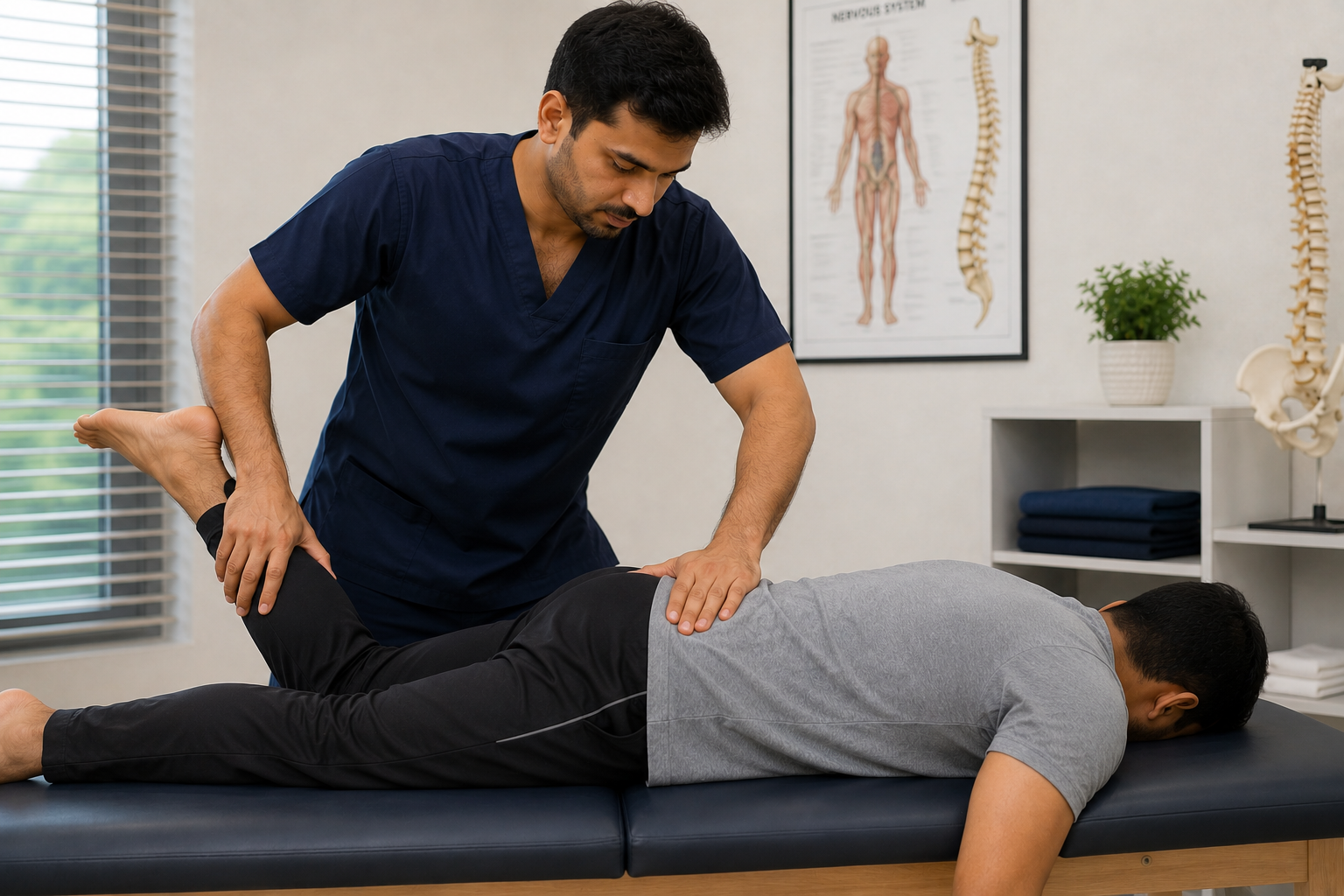
Radiculopathy Treatment
Find the most advanced and non-surgical treatment for radiculopathy at Painflame Clinic. Expertly trained neuro rehabilitation programmes help ease acute pain, reduce numbness, and restore range of motion and flexibility naturally.
What is Radiculopathy?
Radiculopathy is a term in medicine that refers to the discomfort or numbness, tingling or weakness that results from the compression or irritation of a nerve root as it exits the spinal column. The spine is a complicated structure made up of vertebrae (bones), intervertebral discs (cushions), and the spinal cord. The spinal cord sends out nerve roots that branch into a network of nerves extending throughout your entire body, including your arms and hands, torso, legs, and feet. When a structural problem nearby stretches, compresses or irritates a nerve root, it disturbs the crucial electrical signals that go between the brain/spinal cord and the limbs. This disruption of the neurological system causes not only discomfort in the area of compression. It also sends information along the whole length of this particular neuron.
Spinal radiculopathy occurs when a nerve is compressed in the back and is typically classified into three distinct types:
- Cervical radiculopathy: This condition arises from the compression or irritation of nerve roots in the cervical spine (neck). It typically manifests as radiating pain, paresthesia (numbness and tingling), and muscle weakness that travels through the shoulder, arm, forearm, and into the fingers.
- Lumbar radiculopathy: It is a condition originating in the lower back where a compressed or irritated nerve root causes radiating pain. Spinal radiculopathy affects the spinal nerve roots (L4–S3) that merge to form the sciatic nerve further down; it is commonly referred to as sciatica. This can trigger sharp, shooting pain or sensory changes extending into the buttocks, thighs, calves, and toes.
- Thoracic radiculopathy: Occurs in the back and mid-back. It is not as common, but may result in tingling, pain and numbness which can be felt all around the front of the chest, or in the upper abdomen.
The Impact on Daily Activities
The effects of radiculopathy can be highly disruptive. Simple, routine activities you once took for granted can suddenly turn into painful obstacles.
Turning your head to check blind spots can trigger an intense electric shock that can be felt down the arm if you suffer from cervical Radiculopathy. Working at a desk for more than an hour, or even bending to tie your shoes, could turn into a nightmare due to the burning sensations. Sleep can also be affected profoundly, since the search for a pain-free, comfortable sleeping position is a constant struggle.
Importance of Early Treatment
It is vital to take care of nerve compression at an early stage. If a nerve gets constricted, blood flow is reduced, which leads to local swelling and inflammation, which can further aggravate the pinch.
If left untreated for long periods, a temporary minor nerve irritation might become chronic nerve inflammation or, in the worst case, permanent nerve damage. Special physical therapy in the early stage removes the pressure exerted by the nerve root. The early intervention of special physical therapy relieves the pressure exerted by the nerve root. This improves blood flow, minimises inflammation, and allows tissues of the nerve to recover without the necessity of invasive surgery.
Common Causes of Radiculopathy
Radiculopathy is not a singular issue; it’s the result of a larger issue that affects the spinal structure. Anything that causes a narrowing of the space around the spinal nerve root may result in the nerve root being compressed. Below are some of the most commonly reported reasons we treat and diagnose:
- Slipped or Herniated Discs: The intervertebral discs serve as shock absorbers between the bones of your spine. When the soft inner gel of a disc leaks through a tear in its tough outer layer, the disc may be pressed directly on the nearby nerve root, creating severe chemical irritation and compression.
- Degenerative Disc Disease (DDD): As the years pass, spinal discs lose their volume of water and begin to wear down, getting smaller. In the process of losing disc dimensions, the spaces between vertebrae decrease and narrow the exit routes for nerve roots.
- Spinal stenosis: This is generally a narrowing of the spinal canal as well as the openings in the lateral sides (foramina) through which nerves leave. Commonly caused by age-related changes that cause stenosis, it puts constant and localised pressure on fragile nerve tissues.
- Bone Spurs (Osteophytes): In response to joint friction or an injury to the spine, the body could develop additional smooth bone projections, also known as bone spurs. When these spurs develop in the vicinity of the spinal foramina, they may be a nuisance or pinch the nerve root.
- Acute Strain Injury and Posture-Related Strain: Long hours of sitting in front of a screen, or bending your neck to glance at your smartphone (text neck), as well as lifting weighty objects with poor posture, put unbalanced, constant stress on your spine discs and joints. This can eventually lead to the compression of your nerve.
- Gym & Sports Injury: Sudden, high-impact forces or the improper application of high-intensity exercises (like deadlifts or squats) could cause trauma to the spine, causing chronic disc herniations and prompting symptoms of radiculopathy.
- Spondylolisthesis: The condition occurs when one vertebral bone moves forward, slipping over the bone below it. A structural error can restrict or even stretch nerve roots running through the segment of the spine.
Symptoms of Radiculopathy
Because nerves transmit both sensory and motor commands, the signs of radiculopathy may manifest in many different ways. The symptoms usually occur through a particular path (dermatome), which is associated with the nerve root which is affected:
- Sharp, Shooting or Electric-Shock Pain: This type of pain is radiated from the spinal column and then across the leg or arm. The pain is often intense, hot and extremely sharp.
- Tingling or “Pins and Needles” Sensation: A persistent prickling sensation that occurs in particular areas, for example, the fingers, the calf or feet.
- Numbness / Loss of Sensory Perception: It is a loss of sensation, causing it to appear as if a piece of skin on the limb is asleep.
- Muscle weakness: It is difficult to lift the front part of your foot (foot drop), have a weakened grip, or trouble raising your arm in order to grab something.
- Diminished reflexes: An obvious reduction in or complete absence of reflexes that are normally present for deep tendon reflexes (like the knee-jerk and elbow reflex) in a physical examination.
- Pain that alters with movement: Symptoms that worsen substantially as you bend, sit or turn. However, the pain will lessen as you move around or lie down.
When should you seek treatment?
Schedule a professional medical appointment as soon as you feel pain radiating from your body or persistent tingling that is affecting your legs. Certain symptoms may suggest an emergency medical situation. It is recommended to seek urgent medical assistance when you have:
- An abrupt, gradual loss of motor control (e.g. you legs completely giving way or inability to raise your hands).
- Numbness in the groin or ‘saddle’ area (the parts of your body that would touch a saddle).
- The sudden loss of bladder control or bowel movements, or difficulty urinating. This is a sign of a serious but rare disease known as Cauda Equina Syndrome.
Diagnosis of Radiculopathy
A thorough and accurate diagnosis is the basis of the success of radiculopathy treatment. Here at Painflame Clinic, we don’t simply look at the painful area, but trace the symptoms to the exact source. The comprehensive diagnostic procedure we use comprises:
- Complete Physical and Clinical Evaluation: We begin by drawing your pain profile and reviewing your health history, your lifestyle and other factors, to determine exactly how your symptoms move.
- Neurological Tests: We assess your deep tendon reflexes, assess the strength of muscles within specific groupings, as well as test the sensitivity of your skin to a light touch or pinpricks to determine the location of the nerve root affected.
- Mobility and Analysis of Range of Motion: We gently examine the way your neck and lower back muscles move, and note the specific movements that reproduce or reduce your radiating symptoms.
- Specialised Orthopaedic Testing: We use specific tests for diagnosis, like those that use Spurling’s test for cervical radiculopathy. Or the Straight Leg Raise (SLR) test to determine if you suffer from lumbar sciatica for physical confirmation of nerve root inflammation.
- Diagnostic Imaging Coordination: If details about the structure are needed, we will review or suggest an X-ray to determine bone space as well as bone spurs. You can also use an MRI (Magnetic Resonance Imaging) for clear visualisation of soft tissues like herniated discs and ligaments, as well as compressed nerves.
Radiculopathy Treatment at Painflame Clinic
We at Painflame Clinic adhere to a comprehensive treatment that is patient-centred to heal nerve pain. Our main goal is to reduce the pressure on the nerve root, relieve pain and inflammation, and restore the supportive musculoskeletal structure in order to avoid recurrences later on, without surgery or a heavy dependence on medication for pain.
Physiotherapy for Pinched Nerves
Our customized physical therapy treatments are especially suited to the degree of nerve irritation. In the early stage of the condition we use gentle, precise movements to help transfer your nerve from the site of the compression. We then centralise the discomfort (bringing it away from the muscles and back to the spinal column), which allows it to heal faster.
Advanced Manual Therapy
Our skilled and experienced therapists employ hands-on methods to correct the proper spine biomechanics. This involves:
- Spinal Mobilisation: The joint is gently controlled and glides to improve spinal segment alignment and reduce mechanical stress on the nerve.
- Neural Mobilisation (Nerve Gliding): Specialised manual methods to stretch gently and then slide the affected nerve through its anatomical pathways by breaking up scar tissue, decreasing the adherence of nerves, as well as increasing the blood flow to the area.
- Myofascial release: Relaxing muscle spasms that occur in the neck muscles, glutes or lower back, which often occur as a defensive process to relieve pinched nerves.
Targeted Electrotherapy & Modalities
For the treatment of severe pain in the nerve and to speed the healing process of tissue, we easily integrate the most advanced techniques:
- TENS (Transcutaneous Electrical Nerve Stimulation): To safely prevent pain signals from travelling to the brain.
- Laser Therapy/Ultrasound: To penetrate deep into spinal tissues, which reduces local inflammation as well as increases the repair of cells around nerves that are inflamed.
- Spinal Traction: Manual or mechanical gentle traction creates a space between vertebrae, instantaneously taking physical tension off the nerve root.
Specialised Rehabilitation Exercises
When acute and painful inflammation has subsided, shift attention to structural stability for the long term. Patients are treated with a customised treatment plan that includes:
- Core and deep Spinal Stabilisation Exercises: Stimulating the deep muscles in the core and spinal column (like the transversus abdominis and multifidus) for an organic, secure support for the discs.
- Mobility and Flexibility Training: The goal is to restore normal free range of movement to the entire spine and adjacent joint complexes.
Ergonomic & Posture Correction
Full recovery will depend on modifying the day-to-day habits that led to the nerve compression in the first place. Our specialists will look at your daily routine and give you personalised ergonomics. This can include making your desk more ergonomic and advising you on the best sleeping positions, as well as teaching you safe lifting techniques to protect your spine from further wear and tear.
How to Prevent Radiculopathy
- Exercise Regularly
- Master Lifting Mechanics
- Practice Good Ergonomics
- Maintain a Healthy Weight
- Take Activity Breaks
- Quit Smoking
Frequently Asked Questions
What's the most effective non-surgical treatment for Radiculopathy?
The combination of specially-designed treatment, such as physiotherapy, spinal traction, the glide of nerves and Core strengthening can be extremely efficient as it eliminates physical stress on the nerve that is pinched.
Can physical therapy completely relieve pinched nerves?
Yes. In terms of reducing inflammation locally, improving the alignment of the spinal column and allowing space for your nerves to recover, physical therapy can resolve issues without surgical intervention.
How long will it take to fully recover from the radiculopathy?
In moderate situations, the disease will improve in around 4 to 6 weeks with structured exercise. With chronic or severe nerve compression with large disc herniations, it can take 2 to 3 months before it is totally resolved.
Does radiculopathy heal on its own without treatment?
Many mild cases can resolve on their own over time. Your body is able to naturally absorb the herniated disc material as time passes. The targeted physical therapy helps speed up the process, eases inflammation, and helps protect the nerve from further damage.
What is the trigger for radiculopathy that doesn't involve an abrupt accident?
It's usually caused by the wear and tear of time, like age-related degenerative spinal disease (arthritis) or poor posture for long periods of time, sitting or repetitive tension on the spine.
Is sciatica an example of radiculopathy?
Yes. Sciatica is by far the most well-known type of lumbar (Lumbosacral) radiculopathy that occurs when the final nerve root transmits radiating pain through the pathway that the sciatic nerve follows towards the leg.
Patient Feedback & Success Stories
Treatments
Our Services
Our doctors
Meet more Painflame specialists





Dr. Divakar Kumar
Sports Rehabilitation, Sports Injury Management, Musculoskeletal Rehabilitation, Performance Enhancement, Strength & Conditioning
Book Appointment
Dr. Jaya Sharma
Pilates Expert | Musculoskeletal Rehabilitation, Sports & Pelvic Floor Specialist
Book Appointment
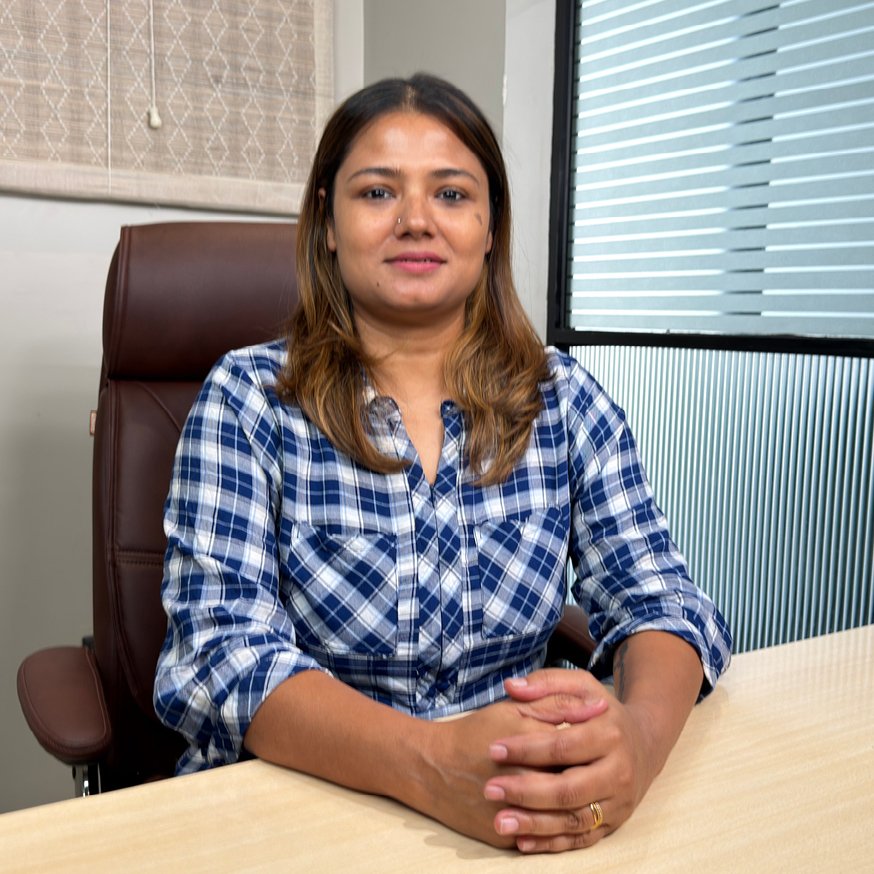
Dr. Priyanka Bhuyan
Tailbone (Coccyx) Treatment, Chiropractic Care, Spine & Joint Rehabilitation
Book Appointment
Dr. Saksham Kapoor
Sports Physiotherapy, Musculoskeletal Rehabilitation, Pain Management, Injury Prevention & Recovery
Book AppointmentLatest Blogs
Neck Stiffness: कारण और 5 मिनट की एक्सरसाइज से राहत
गर्दन की अकड़न (Neck Stiffness): कारण और 5 मिनट की एक्सरसाइज से राहत क्या सुबह उठते…
Read More
Navel Displacement: लक्षण, पहचान और उपचार
क्या आपको अक्सर पेट में अनजान दर्द रहता है? क्या खाने के बाद ब्लोटिंग, गैस या…
Read MoreCore Strengthening Exercise जो कमर दर्द को जड़ से खत्म करे
क्या लंबे समय बैठने के बाद कमर दर्द होने लगता है? क्या सुबह उठते ही पीठ…
Read More