

The neck pain has become the most common problem that affects individuals of all ages. It doesn’t matter if it’s long hours at work, constant scrolling on phone, uncomfortable cushions, or strain; your neck will end up carrying the load. When the discomfort becomes a permanent element of your daily life, and even the simplest tasks, such as moving your head and driving, can be painful.
This is where the neck pain physiotherapy at home can be truly life-changing. This helps manage discomfort without medications, in the privacy of your own home. However, real healing doesn’t always just happen through physiotherapy at home. Sometimes you require a combination of physical therapy, clinical treatments and guided strengthening in order for long-lasting outcomes.
Why Does Neck Pain Happen?
Neck pain isn’t just a “bad posture” issue. There are a variety of reasons that can be the cause, and knowing them will help when choosing the appropriate physiotherapy for neck pain.
Common causes are:
- Prolonged and uninterrupted screen time
- Poor sleeping posture
- high pillows
- Weak neck and upper back muscles.
- Stress or anxiety
- Cervical Spondylosis
- Nerve irritation or disc bulge
Some people experience stiffness in their joints, while others suffer from constant pain that causes pain in the shoulders and arms. No matter what the reason, having the proper treatment is vital.
Why Physiotherapy Works So Well for Neck Pain
Physiotherapy concentrates on the root causes. Instead of providing short-term relief, the goal is to increase mobility, decrease muscular tightness and strengthen those areas that are weak.
What makes it powerful:
- It helps improve flexibility in neck muscles and the upper back.
- Muscles that strengthen your cervical spine.
- Reduces the pressure on nerves
- Corrects movement and posture
- Prevention of pain recurrence
In the event of regular practice, easy neck pain exercises at home are able to give surprising outcomes.
What Happens During Neck Pain Physiotherapy at Home?
Neck pain physiotherapy at home has grown sought-after because it reduces time as well as provides one-on-one care. A qualified physiotherapist comes to the home of your choice, assesses the posture of your body, recognises the way you move, and develops an individual program.
A regular home physiotherapy for neck pain might consist of:
- Manual stretching
- Release of soft tissue
- Gentle mobilisation
- Neck strengthening exercises
- Correction for postural imbalance
- Hot or cold therapy
- The ergonomics of the human body
- A collection of the best physiotherapy exercises for neck pain to practice every day.
This arrangement is ideal for busy people, older, elderly, or those who need a customised care plan without the hassle of travelling.
Neck Pain Exercises at Home (Safe & Effective)
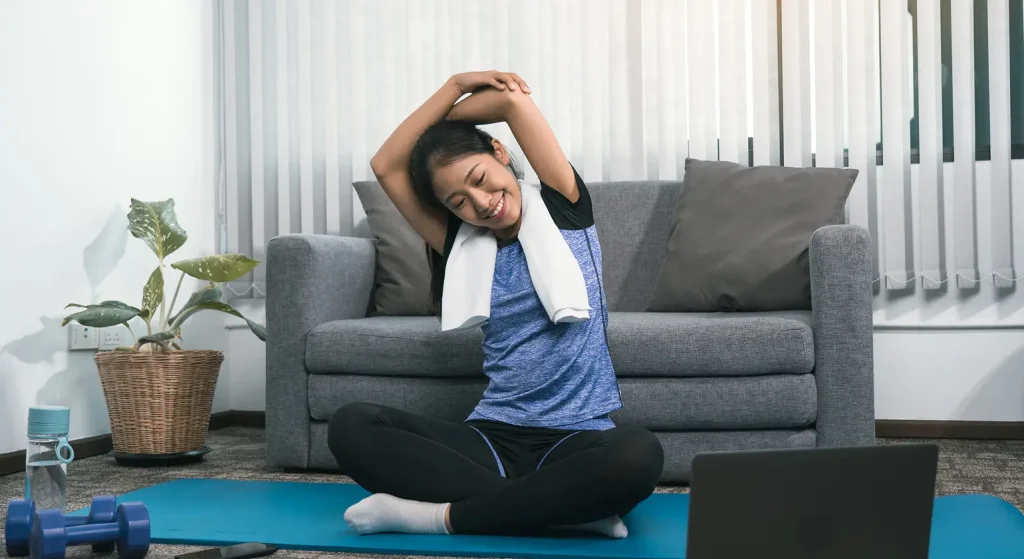
Here are a few easy and efficient neck pain exercises at home that physiotherapists typically advise. They’re easy and gentle, and effective for long-term use.
1. Chin Tucks
This is a great exercise that can help reduce the forward head posture. Additionally, it is great for gaining deep neck muscles.
2. Upper Trapezius Stretch
If you are sitting for a long time and are unable to move, it can help relax the muscles in your neck and shoulders.
3. Side Bends (Controlled)
Increases mobility and decreases stiffness in the cervical spine.
4. Scapular Retraction
It helps build a solid upper back base to help support the neck.
5. Isometric Neck Strengthening Exercises
Secure, easy for beginners and one of the most effective exercises to maintain neck strength in the long run.
Regularly doing these exercises helps increase the flexibility of your joints, decreases pain and helps prevent stiffness from recurring.
Other Services That Support Neck Pain Recovery
Although home physio for neck pain can be very beneficial, the recovery process is quicker and more secure when combined with other therapies. A well-designed physiotherapy set-up typically offers a greater variety of treatments.
1. Manual Therapy
Hands-on techniques to loosen muscle tension and increase joint mobility.
2. Electrotherapy
Treatments such as IFT, Ultrasound, as well as TENS help decrease inflammation and aid with extreme discomfort.
3. Ergonomic Correction
Minor changes to your workplace setup, pillows or routines will result in huge improvements.
4. Strength & Conditioning
Muscles in the shoulder and upper back are weak. The most common source of neck and back pain. The strength of these muscles is vital.
5. Cervical Traction or Decompression
In the case of disc-related issues, guided traction may aid in reducing tension on nerves.
Even while neck pain relief at home can be helpful, it is often a mixed approach that will work best.
When to Seek a Physiotherapist Immediately
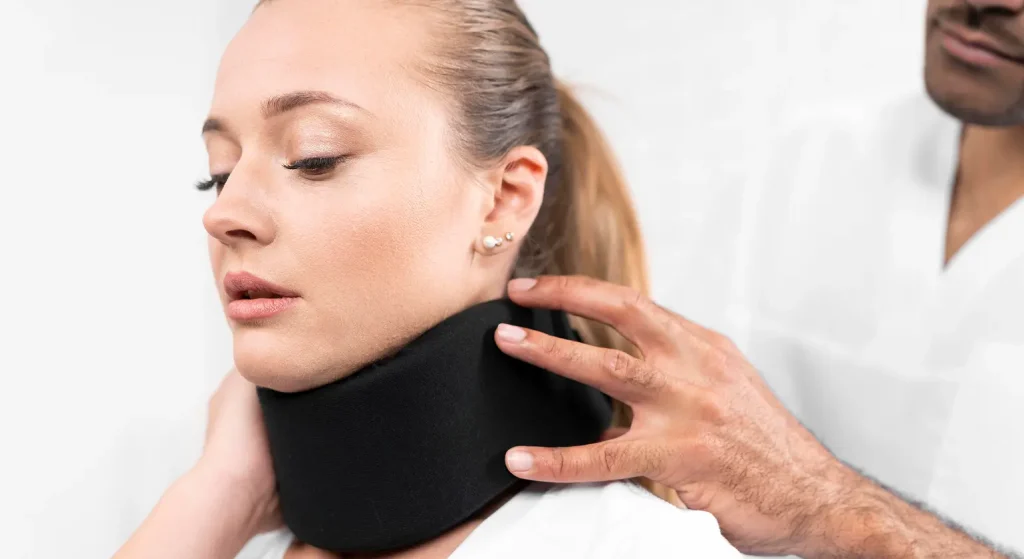
Certain signs shouldn’t be overlooked. The best thing to do is to contact a physiotherapist.
- The pain persists for longer than 10-14 days
- There is a feeling of numbness or tingling in the arms
- It is extremely stiff every day.
- Headaches are more frequent.
- Pain increases despite doing home exercises.
An appropriate assessment is able to determine if the problem is a nerve issue or a muscular one.
Practical Lifestyle Tips for Long-Term Relief
The pain in the neck is usually caused by routines. Minor adjustments can help prevent major troubles.
- Keep your phone at eye level
- Beware of sleeping on pillows that are too high.
- Have a 2-minute stretch every 30 minutes
- The upper back muscles should be strengthened.
- Keep hydrated
- Beware of slouching
Once these practices become habitual and are accompanied by physiotherapy for neck pain, the recovery will be much quicker.
Conclusion: Your Journey to a Pain-Free Neck
Neck pain doesn’t have to dictate your lifestyle. If you combine the correct combination of neck pain physiotherapy at home and guided exercises treatment in a clinic, and improved ways of sitting, long-lasting relief is totally feasible. It’s all about consistency as well as the right instruction from a certified physical therapist.
If you’re in search of individualised treatment and reliable physiotherapists who provide both in-clinic as well as home treatment, Painflame Clinic is a one-stop solution to treat all neck pain issues.
Frequently Asked Questions (FAQs)
Can neck pain physiotherapy at home be just as effective as a treatment in a clinic?
It is true, especially in cases of mild to moderate symptoms . If you are experiencing severe symptoms, the combination of at-home and clinic appointments is best.
How long will it take to heal from neck pain using physiotherapy?
Many patients notice improvement within one to two weeks with consistent treatment.
Can neck exercises at home cause more pain?
Only if performed incorrectly. Always begin gradually or consult a physiotherapist.
How do I choose the most effective neck exercises to help with neck pain?
Chin Tucks, scapular retractions exercise for isometric holds, and the upper trapezius stretch are extremely efficient.
Do I need to use either cold or hot therapy to treat a neck injury?
The cold can help during the initial 72 hours following the onset of pain, and heat is a great option in the long run to relieve stiffness.
Does home physiotherapy aid in the treatment of the cervical spine?
Yes, guided exercises as well as manual therapy can be beneficial, but it is important that the treatment plan be tailored to your needs.
How often do I need to do neck exercises at home?
The majority of exercises must be performed each day for at least 10 minutes to get the best results.
Does poor posture actually create persistent neck and back pain?
Absolutely. Repeated postural errors over time can lead to persistent pain and stiffness.