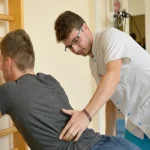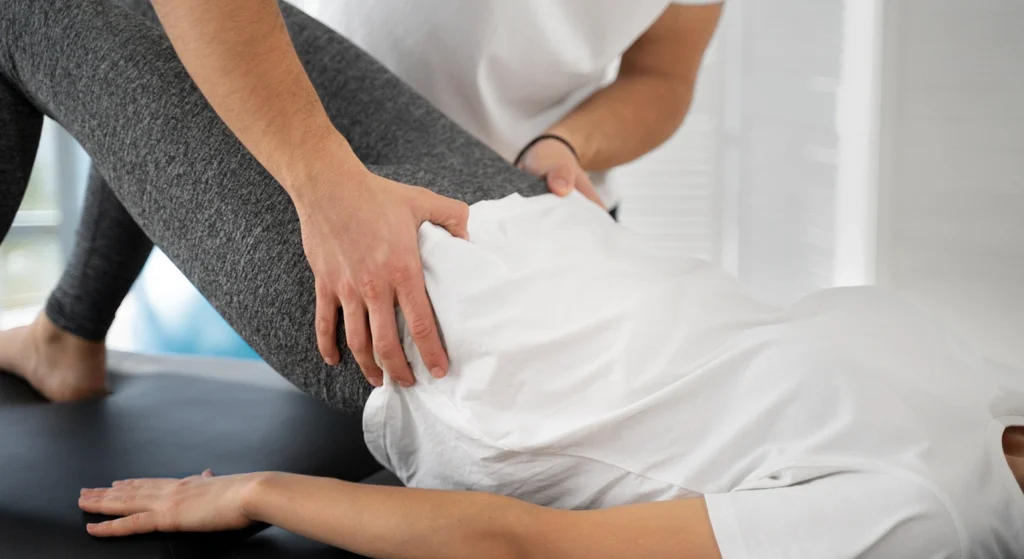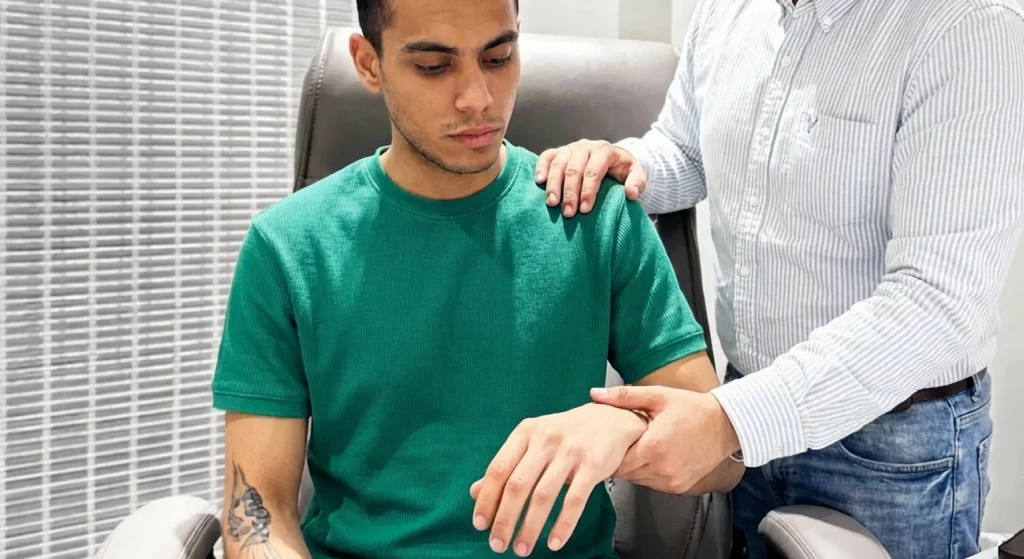

The pain in the knees has become one of the biggest concerns that we face in the present. It doesn’t matter if you spend many hours in a seated position in a chair, an athlete who pushes the limits or a senior suffering with arthritis, knee pain could affect anybody. It’s the reason why many are looking for knee pain physiotherapy at home–an easy and comfortable method to seek out expert advice and not have to go outside. Recovering from a serious illness requires more than just a few days of rest and exercises on the web. There must be a program, an appropriate direction, and workouts which are appropriate for your particular condition. This guide will explain the way home physiotherapy for knee pain is effective and the best exercises for knee pain, as well as all the other information that you need to know in order to take intelligent steps to heal.
Why Does Knee Pain Happen?
The knee is an active joint. It takes on pressure whenever you walk, stand up, climb and sit. As time passes, it can cause inflammation, weakness, injuries, or poor posture can create pain.
This is the reason physiotherapy for knee pain can play a significant role. Instead of obscuring the symptoms with medication, physiotherapy is designed to
- Build the muscles around your knee.
- Improve joint mobility
- Reduce the stiffness
- Correct abnormal movement patterns
- Prevent long-term damage
It’s a simple yet effective method to aid your knee in recovering easily.
Why Choose Home Physiotherapy for Knee Pain?
A growing number of people prefer home physiotherapy for knee pain rather than visits to a clinic, as it is more convenient to their daily routine. An experienced knee physiotherapist at home will be able to assess your health from the comfort of your home and assist in making a more precise and customised program.
Benefits You’ll Actually Feel
- You don’t have to worry about travel or waiting for a long time.
- A therapist who is focused on you
- Fitness plans created specifically for your speed
- Safety for older adults or those suffering from mobility issues.
- More consistency as you remain in your comfortable home
What’s the most exciting aspect? You can learn knee pain exercises at home which fit in with your daily routine easily.
What Does Knee Pain Treatment at Home Include?
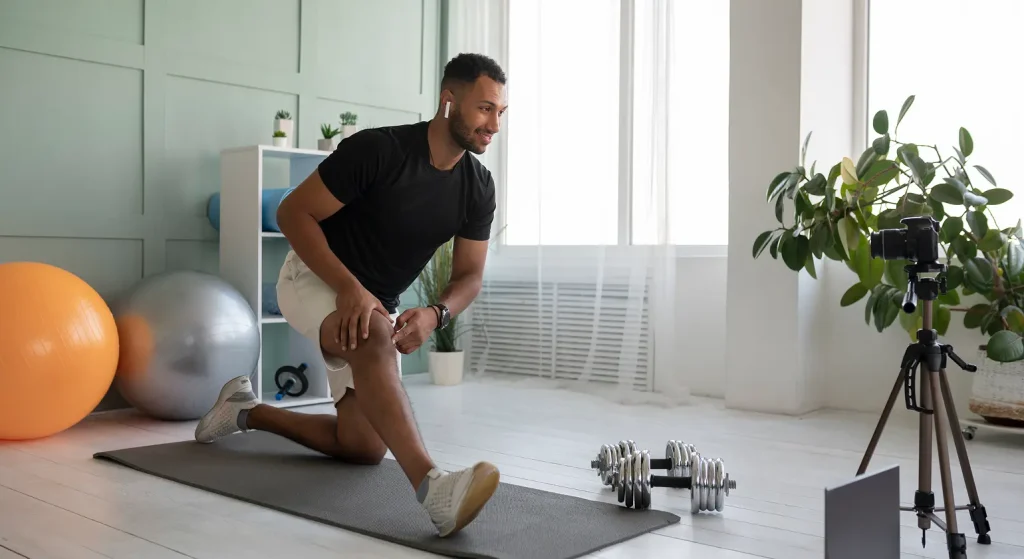
An effective knee pain treatment at home is much more than exercises. It’s a blend of therapies that are designed to ease discomfort and improve strength in a step-by-step manner.
This is what an average session will include:
1. Pain Relief Techniques
The therapist you choose to work with may:
- Therapy with heat or Ice
- Light massage
- Mobilisation
- Bracing, or taping as needed
They can reduce swelling as well as help the knee relax prior to starting exercises.
2. Flexibility & Mobility Training
Gentle stretches that help you move better and reduce stiffness–especially helpful if your pain is due to arthritis or long hours of sitting.
3. Strengthening Exercises
This is what drives the physiotherapy for knee pain. Training of the knees helps strengthen the joint and can prevent further injury.
4. Balance & Stability Work
Particularly beneficial to seniors, athletes, as well as those who are recuperating from ligament injuries.
5. Lifestyle & Posture Correction
The way you walk or your position of sitting could be the cause of discomfort. Therapists can assist you in changing the habits that cause pain.
Knee Pain Exercises at Home You Can Start Today
Everybody asks: What are the ideal exercises for knee pain?
Here are some secure and beginner-friendly exercises that are commonly recommended for knee pain physiotherapy at home:
1. Quad Sets
Bend then tighten the muscles in your thighs. Remain in place for a few minutes.
Helps improve endurance without bending your knees too far.
2. Straight Leg Raises
Take one leg and lift it, and keep it upright.
Great for muscles that are weak in the quadriceps.
3. Heel Slides
Move your heel towards the hips.
Improves joint mobility.
4. Wall Squats
Then, lean on a wall and then squat a bit.
Strengthens legs with no knee strain.
5. Hamstring Stretch
It loosens the back of your hip and decreases stiffness.
If you do these knee strengthening exercises at home frequently can create a huge difference. But it’s essential to master them properly in order to prevent overloading your knee.
More Than Just Home Physiotherapy: Additional Supportive Services

Healing can be sped up by combining physiotherapy with other treatments that support your healing. Alongside the usual knee pain treatment at home, Numerous specialists and clinics offer:
Additional Services That Help
- Manual Therapy Techniques using hands
- Electrotherapy, IFT, TENS or ultrasound for pain relief
- Dry Needling assists in releasing knots in the muscles.
- Guidelines for ergonomics: correct sitting, standing and lifting practices
- Lifestyle & weight management support
These strategies are a complement to the knee pain physiotherapy at home, particularly in cases of chronic or ongoing conditions.
Who Should Consider Physiotherapy for Knee Pain?
It doesn’t matter if you’re a professional athlete or an elderly person for physiotherapy to be required. Physiotherapy can help anyone suffering from the discomfort of pain or weak spots.
There is a chance that you will need assistance if you suffer from:
- A persistent pain when sitting or walking
- Stiffness or swelling
- Trouble sitting or standing up
- The sensation of grinding or clicking in the knee
- Surgery or injuries that have occurred in the past
- Arthritis-related symptoms
A timely treatment will help you avoid the long-term issues with joints.
Why Not Treat Knee Pain Yourself?
Many videos show knee pain exercises at home; however, guesswork could increase the severity of your problem. Arthritis-related pain differs from pain caused by ligaments and is different from the muscle imbalance.
A qualified knee physiotherapist at home assists you in:
- Beware of harmful exercise
- Receive a customised diagnosis for the specifics of your situation
- Move forward without fear
- Gain long-term improvement
- Develop strength step-by-step
Professional guidance helps to eliminate the stress of recovery.
Conclusion
The process of regaining knee pain is an appropriate mix of professional treatments, personalised exercises, as well as healthy habits. If you choose to do knee pain physiotherapy at home, you can enjoy the benefits of these in a safe, comforting setting. No matter if your discomfort is due to arthritis, injury and age or weakening, regular therapy as well as guided knee strengthening exercises at home could help you restore confidence in how you move.
If you want expert and personalised treatment on your doorstep, you can rely on Painflame Clinic–a reliable name in the field of compassionate and effective therapy services.
Frequently Asked Questions (FAQs)
Does home physiotherapy pose a risk for treating knee discomfort?
It’s definitely extremely safe and effective under the guidance of a licensed Therapist.
When can I get relief?
Most people experience improvement within the first week when they stick to their program with consistency.
Do I have the ability to do exercises for knee pain at home, on my own?
Yes, you can. But only after your physiotherapist has shown you how to do it.
What are the top exercises to treat knee discomfort?
Straight leg lifts, wall squats along with heel slides and stretching hamstrings.
Do seniors benefit from the treatment of knee pain at home?
Absolutely. It is convenient and secure for seniors.
What should a knee physiotherapist in the home first check?
Level of pain as well as posture, knee movements and strength of the muscles.
Does physiotherapy aid knee pain?
Yes, it decreases stiffness, enhances mobility as well and slows the process of joint degeneration.
What is the best time to keep doing knee strengthening exercises at home?
Minimum 6-8 weeks, plus longer if you are suffering from persistent pain or arthritis.