
A slip disc isn’t easy. The discomfort can manifest quickly, spread down the legs, limit movement and impact all aspects of sitting, sleeping, and even lying down. When this happens, getting the proper treatment is crucial, which is where home physiotherapy for slip disc can play a significant role. Instead of having to rush to the clinic and battling with lengthy travel nowadays, more and more people prefer Slip disc physiotherapy at home and where professional treatment arrives at your door. It’s simple, personal to your level of comfort. Below is a simple and practical guide to recovering from a slip disc through physiotherapy, lifestyle adjustments, and expert support.
What Exactly Is a Slip Disc & Why Does Physiotherapy Help?
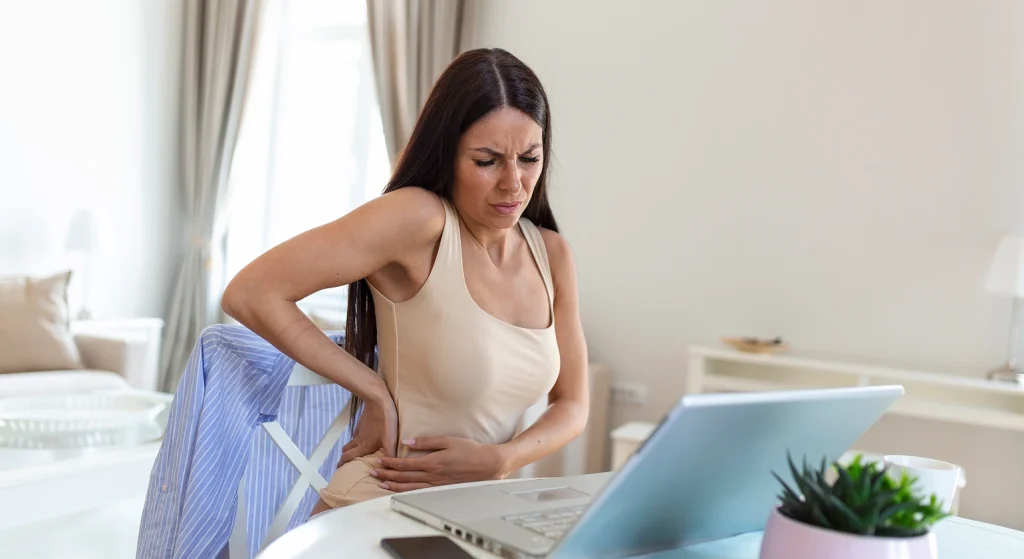
A slip disc occurs if one of the soft cushions (discs) that sit between your spinal bones is pushed out of its place. It can cause nerve irritation or compression and cause symptoms such as
- A sharp neck or backache
- pain radiating from the arms or legs
- Numbness or tingling
- The difficulty in bending, lifting, or twisting
Even though medications may provide short-term relief for a short period, Physiotherapy for slip disc is focused on long-term rehabilitation. It helps strengthen the spine and decreases nerve pressure. It also improves posture and helps to prevent the issue from recurring.
This is why exercise based physiotherapy is among the most secure and recommended treatment options across the globe.
Why Many People Prefer Home Physiotherapy for Slip Disc
Making it to a doctor’s clinic or hospital while trying to manage back pain can be stressful. It’s the reason the slip disc treatment at home has grown to be a preferred option for people of all ages.
1. No travel, no stress
A minor bump on the road could cause back pain. By using home physio for slip disc, it is possible to avoid discomfort and get treatments in a serene and comfortable environment.
2.Personalized Attention
A physiotherapist at home will observe your posture, the way you work, sit or sleep and how you move, which can help to create a better treatment program.
3. Faster and Safer Recovery
Regular or daily sessions at home, make sure you follow your program. Perform the best physiotherapy exercises for slip disc in a correct manner, and beware of mistakes in your actions.
4. Great for severe pain or mobility issues
If you are suffering from pain that is making it hard to stand or walk for prolonged periods of time, Slip disc physiotherapy at home can be a secure and efficient treatment.
How Slip Disc Physiotherapy at Home Works
The home physiotherapy program isn’t just an exercise routine. It’s an entire recovery plan specifically tailored to your requirements.
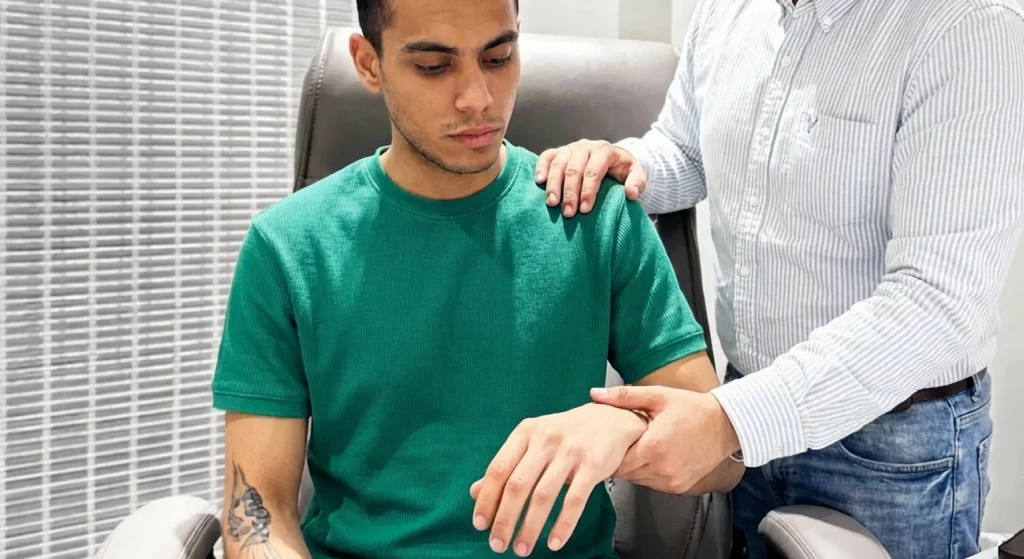
1. Assessment of Your Condition
Your therapist starts by comprehending:
- Location and type of pain
- Nerve involvement
- Tightness in the muscles or weakness
- Lifestyle habits
- Disc bulges of varying severity
In this way, a custom slip disc treatment at home program is developed.
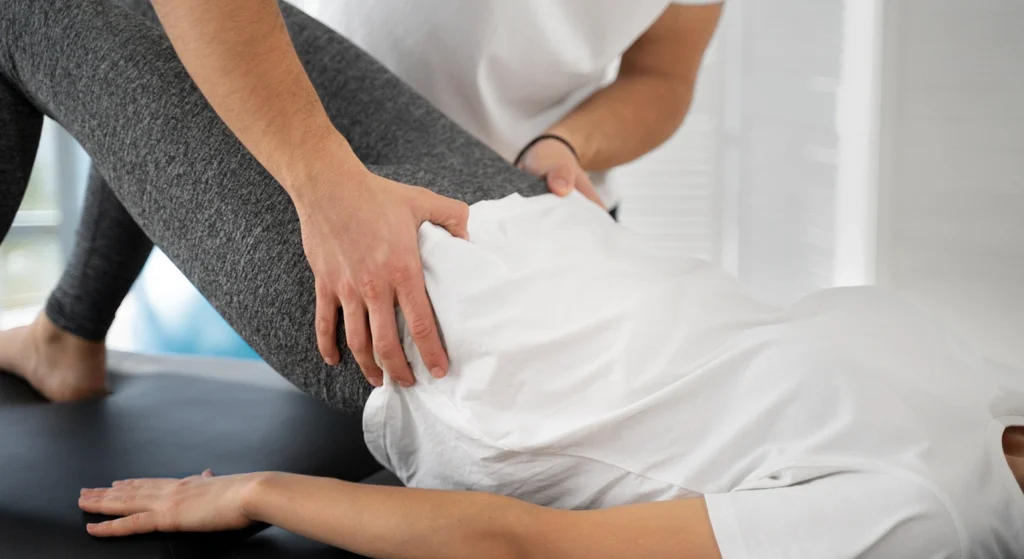
2. Manual Therapy to Ease Pain
Patients generally feel better after hands-on treatments, for example:
- Soft tissue massage
- Myofascial release
- Joint mobilization
- Relaxed stretching
This helps reduce stiffness and provide rapid slip disc pain relief at home.
3. Targeted Slip Disc Exercises at Home
It is at the core of the recovery process. Therapists guide clients through the following steps:
- Training to build strength
- Routines for mobility
- Nerve gliding stretches
- Core activation drills
- The spine-friendly movement
Doing the best physiotherapy exercises for slip disc in a consistent manner is what provides long-term relief.
4. Pain-Relief Modalities
For support in the healing process, your therapist can utilise:
- Therapy using TENS
- Therapy with Ultrasound
- Cold or heat therapy
- IFT (Interferential therapy)
These techniques help to calm the nervous nerves that are inflamed and decrease inflammation.
5. Posture & Ergonomic Correction
Your therapist might adjust
- Chair height and sitting posture
- The sleeping posture
- Laptop set-up
- Habits of the mind
- Mattress tips
A few small adjustments could dramatically decrease tension on your spine.
6. Tracking Your Progress
When your pain diminishes and your mobility increases, your therapist will gradually introduce sophisticated exercise routines for your slip disc exercises at home to help make your spine more sturdy and stable.
Best Physiotherapy Exercises for Slip Disc
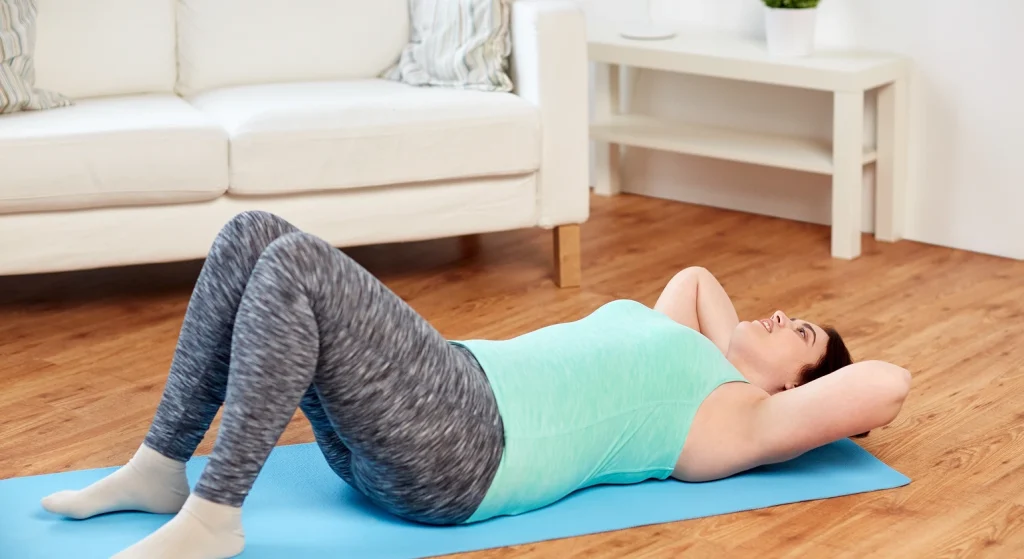
Although each individual’s needs for recovery differ, the following routines are generally recommended.
Pelvic tilts
The lower back is strengthened and helps improve spinal stability.
Cat-camel stretch
Improves flexibility and the mobility of your spine.
McKenzie extension exercises
It helps reduce pressure on the discs of the spine and provides rapid relief.
Glutes bridge
Increases glute strength and decreases strain on the lower back.
Hamstring stretch
Relaxes muscles in the leg that cause nerve pain to get worse.
The Slip disc exercises at home must be performed under the supervision of a professional to ensure safe outcomes.
Other Helpful Services Beyond Home Physiotherapy
A solid recovery program usually includes multiple therapies. Alongside the home physiotherapy for slip disc, many individuals also take advantage of
1. Chiropractic adjustments
They are gentle spinal adjustments to ease the pressure on nerves.
2. Osteopathy
A holistic treatment of ligaments, muscles and alignment of joints.
3. Strengthening & rehab programs
Perfect for office workers or chronic pain sufferers.
4. Massage therapy
Improves blood flow and helps lessen muscle tightness.
5. Pilates-based core training based on Pilates
Great for spinal support over the long term.
These services may be a great complement to the physiotherapy regimen and accelerate your recovery.
Slip Disc Pain Relief at Home: Practical Everyday Tips
In addition to slip disc physiotherapy at home, A few simple changes to your lifestyle could make a huge impact.
Try These Simple Tips:
- Do not lift heavy objects.
- Be careful not to bend abruptly.
- Make use of pillows for back support
- Do short walks in order to reduce stiffness
- Be sure to maintain a healthy weight.
- Utilise cold or heat therapy if you need to
- Make sure your spine is neutral when in a seated position.
These simple changes will help to prevent flare-ups as well as support healing over the long term.
Conclusion: Heal Better, Heal Smarter — Right at Home
A slip disc can feel overwhelming, but recovery is absolutely possible with the right guidance. When you choose home physiotherapy for slip disc, you will receive professional assistance, individualised exercises, as well as consistent assistance and all in the comfort of your own home. It’s effective, safe and designed to help you get back to your regular life without pain or fear.
If you’re looking for experts with years of experience and trust with a specialisation in the Slip disc physiotherapy at home, Painflame Clinic provides expert therapists as well as customised treatment plans designed specifically for your recovery.
Frequently Asked Questions (FAQs)
Does physiotherapy at home really helps in the recovery of slip discs?
Yes, it can ease pain, enhance the mobility and strength of your spine, without the need for travel.
What is the earliest time I can be able to see improvements?
A majority of patients experience improvement within 2 to 4 weeks of consistent treatment.
Are exercises with slip discs at home sufficient?
They can be effective when assisted by an expert who makes sure of proper technique.
Do physiotherapy and physiotherapy prevent the need for surgery?
In many cases, yes. Physiotherapy significantly reduces the likelihood of surgery.
What should I never do in recovery?
Do not bend, twist or sit for long hours or lift heavy weights.
Can home physio help with severe pain?
Therapists employ techniques for pain relief and gentle exercises to treat the most severe conditions safely.
Do I require an appointment with a physician to begin?
It’s not always the case, but an MRI report or an xray may assist your physiotherapist in planning a better treatment.
Is physiotherapy using slip discs suitable for seniors?
Absolutely. Home physiotherapy is among the most secure options for senior citizens.