
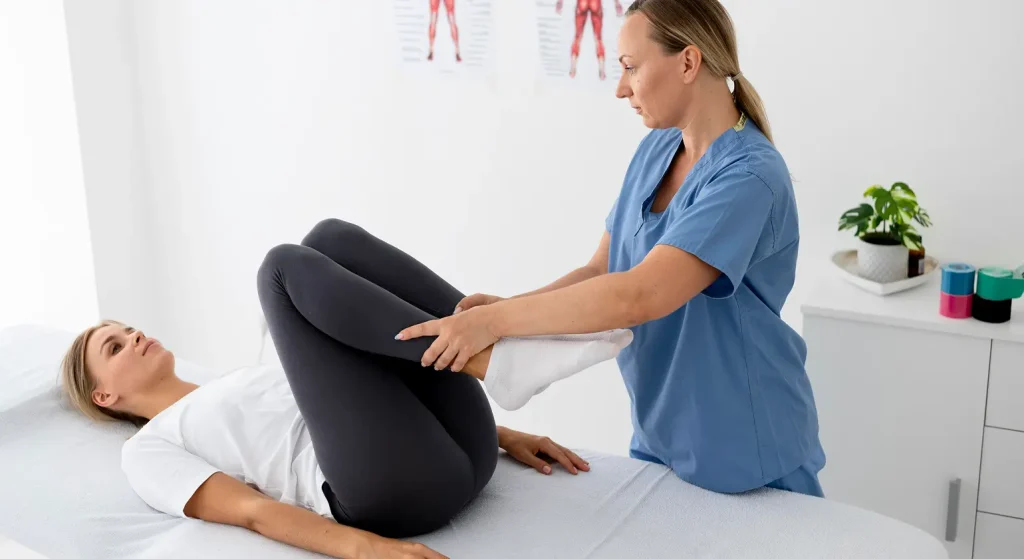
Sciatica is among those problems that can make everyday activities seem like a battle. The burning or sharp sensation that radiates across your back from lower into your legs isn’t only discomforting, but it could impact your daily life. When medical and surgical treatments can be necessary in some cases, a combination of home physiotherapy for sciatica pain and changes to your lifestyle will make a big change. In this article, we explore effective ways to manage sciatica at home using physiotherapy exercises, stretching techniques, and supportive treatments.
What Causes Sciatica?
Sciatica typically occurs when the sciatic nerve becomes inflamed or squeezed. The most common causes are:
- Slipped or herniated discs
- Spinal Stenosis (narrowing in the vertebrae)
- Piriformis syndrome
- Muscle imbalances, poor posture or bad posture
It is possible to feel sensations of pain, tingling, or even numbness in your buttocks, lower back or legs. Finding out the reason for your sciatica is the primary step to finding the relief you need.
How Physical Therapy Helps
Physical therapy for sciatica pain relief is among the most efficient ways to control the issue without surgical intervention. A well-planned therapy program focuses on:
- Strengthen the core and back muscles
- Improved flexibility in the lower back and legs.
- Reduced pressure on the sciatic nerve.
- Correction of posture and habits
Many combine physical therapy at home for lower back pain to relieve lower back discomfort and clinic visits to get faster outcomes. The dual method isn’t just convenient, but it is also extremely effective.
Sciatica Exercises You Can Do at Home
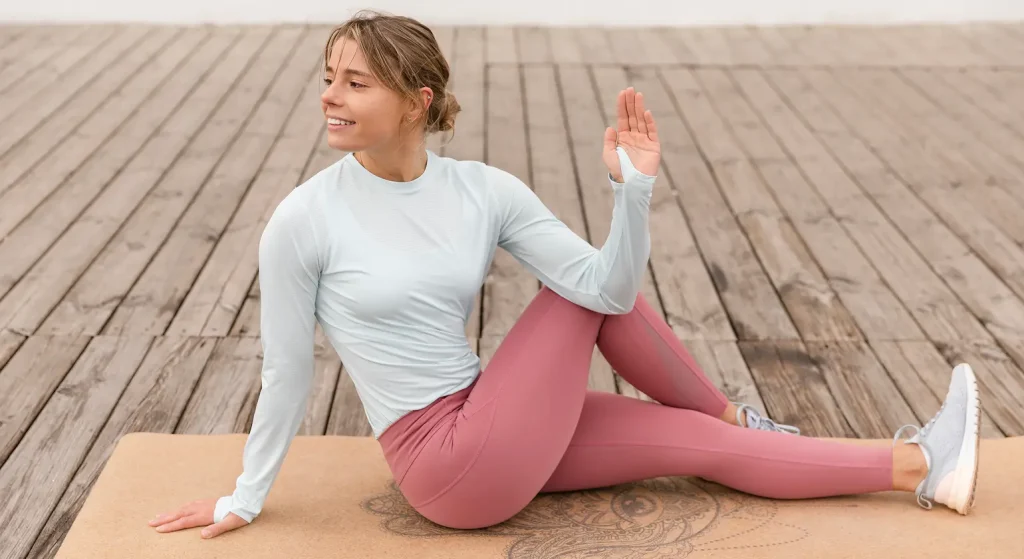
The incorporation of sciatica physical therapy exercises at home can be a key factor in improving mobility and reducing pain. Here are some workouts that are quick to complete and efficient:
1. Knee-to-Chest Stretch
- Lie on your back, and bend one knee to your chest.
- Keep it for 20-30 seconds, and after which switch legs.
2. Piriformis Stretch
- Relax on your back, lying down while your knees are bent.
- Put one leg across the knee of the opposite side and slowly pull the leg toward your chest.
3. Cat-Cow Stretch
- Knees and hands alternately between bending your back and arching it.
- This improves spinal flexibility.
4. Pelvic Tilts
- Relax on your back, lying down and bend your knees.
- The pelvis should be tilted upwards, then held and released.
5. Hamstring Stretch
- You should sit on one leg with the other in a straight position, with the other leg bent.
- Move forward and stretch hamstrings.
The practice of these sciatica treatment exercises frequently decreases tension and stiffness.
Best Exercises for Sciatica Pain
Certain exercises work particularly well and are generally considered to be the best exercises for sciatica pain:
- Bridge Workout: The exercise strengthens the glutes and lower back muscles.
- Seated Spinal Twist: It improves the mobility of the spine.
- Standing Hamstring Curls: The exercise strengthens the legs and reduces back stress.
With no expensive equipment, the exercises are able to be performed at home and then integrated into your everyday routine.
Stretching and Other Relief Techniques
Stretching is crucial for sciatica stretches and relief techniques. In addition to exercises, they help decrease the inflammation of nerves and reduce compression.
- Foam rolling – Releases tight muscles in the lower back and thighs
- Heat Therapy: Relaxes muscles and eases pain.
- Cold Therapy: Lowers inflammation and relieves acute discomfort.
- Posture adjustments: Standing and sitting correctly can reduce irritation to the nerves.
The combination of these techniques, along with home physiotherapy for back and leg pain, improves the effectiveness of these strategies.
Beyond Home Exercises: Other Ways to Manage Sciatica
Although home physiotherapy for sciatica can be extremely beneficial and effective, pairing it with professional assistance can result in faster treatment. Some other options to help are:
- Manual therapy: hands on techniques employed by a physiotherapist for releasing tension
- Strength training – Core and lower back exercises to prevent recurrence
- Lifestyle changes – Ergonomic seating, improved sleeping posture, and reduced prolonged sitting
The holistic approach will ensure that you’re not only managing discomfort but are also working on the root causes.
Tips for Making Home Therapy Work
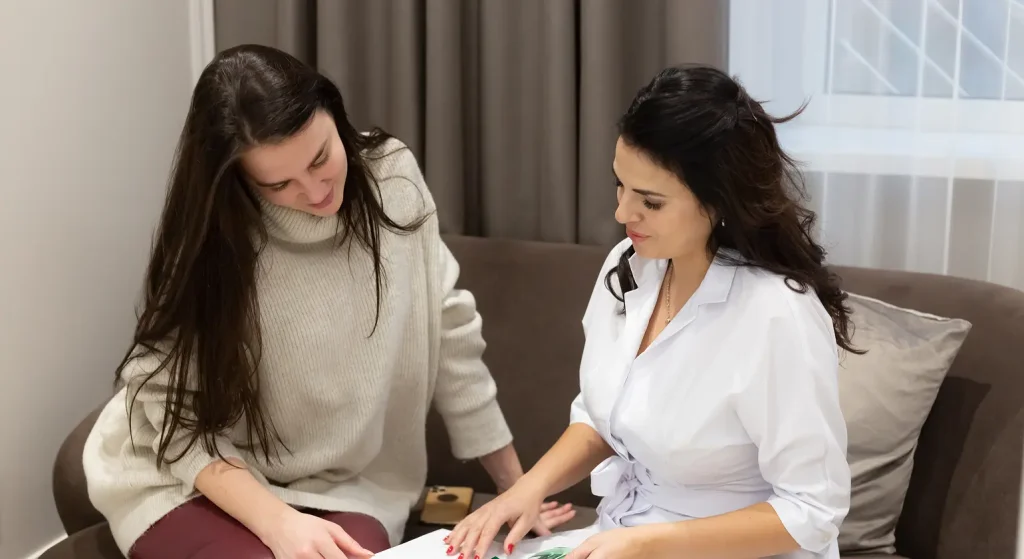
To reap the maximum benefit out of your physical therapy at home for lower back pain, follow these guidelines:
- Regularly exercise, at least 3-5times every week.
- Do not perform any movements that cause more pain.
- Use supportive mats or cushions for comfort
- Keep your posture in good shape during your everyday routine
- Stay hydrated and follow a balanced diet
Be aware that small changes in your daily habits can have a major impact on the course of.
When to See a Doctor
If you experience persistent sciatica or you experience the sensation of weakness, numbness, or a loss of bladder/bowel control, get medical help immediately.Early intervention helps prevent complications and supports faster recovery.
Conclusion
Home physiotherapy for sciatica pain can be a great way to reduce discomfort and increase mobility. The combination of physical therapy for sciatica at home, the best exercises to relieve sciatica pain and stretch and pain relief methods, along with professional assistance, can provide the most effective outcomes. To provide personalised advice and a planned program, Painflame Clinic offers expert advice and a customised program for home physiotherapy to aid you in returning to pain-free living.
Frequently Asked Questions (FAQs)
Do you think sciatica pain can be treated at home?
Mild sciatica pain may improve by doing home exercises. However, extreme cases could need medical attention.
How long will it be until you feel better from sciatica pain?
Most patients notice improvements within 4-6 weeks of consistent at-home physiotherapy for sciatica pain.
Can home exercises make sciatica pain worse?
Incorrect technique can worsen sciatica pain symptoms as well as the problem. A physiotherapist’s guidance is highly recommended for sciatica pain treatment at home.
What lifestyle adjustments can help treat sciatica pain?
Yes, good posture, ergonomic settings, and staying away from long hours of sitting can help relieve sciatica pain.
Do I have to do stretching exercises for sciatica pain every day?
Gentle stretches are suitable for daily use for sciatica pain relief and should be avoided if you are doing anything that causes pain.
Do I require any equipment to perform physiotherapy for sciatica pain at home?
Most sciatica pain treatment exercises require only an exercise mat or a resistance band.
Should I see an immediate doctor if I have sciatica pain?
If you notice leg weakness, numbness, or loss of bladder or bowel control with sciatica pain, you should seek immediate medical attention.